
 very February, during Black History Month, I always wonder if the public is becoming more aware of the legacy of Deputy U.S. Marshal Bass Reeves and his contributions. We honor many African Americans, men and women, during this month who should be recognized for their contributions to our country’s growth and development. There are many African Americans we should know more about. Their careers, exploits and adventures are not taught in our grade schools, high schools and universities. One individual we may not know about is Bass Reeves, who served for over thirty years as a federal lawman in the Indian Territory, pre-statehood Oklahoma.
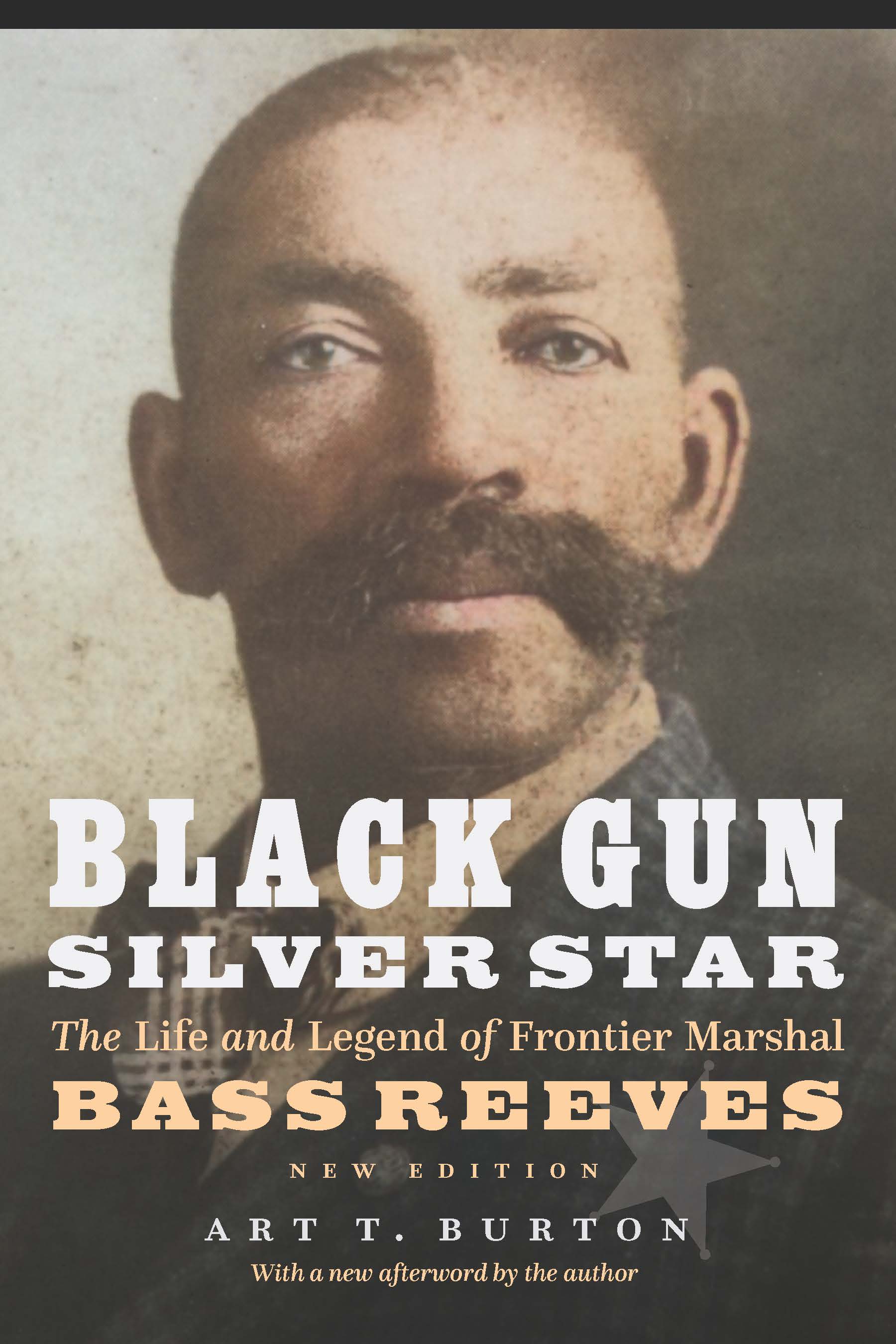
Reeves’ story is remarkable because he started life as a slave in Arkansas and Texas. He came from abject poverty, was never given any semblance of an education and remained illiterate throughout his adult life. Given these handicaps, Reeves was able to persevere and become a legend in his field during his own lifetime. We have had many frontier heroes in our country’s history such as Wyatt Earp, Kit Carson, and Wild Bill Hickock, to name a few. But Reeves stands head and shoulders above the crowd. Let me tell you why.
Bass Reeves overcame the obstacles of no education as a youth and was plagued with the constant danger of his profession as an adult in law enforcement. This did not deter him from the success he maintained throughout his career.
This is the reason I have stated many times that I feel Reeves is the greatest frontier hero in United States history. His name should be in the front ranks of any and all African Americans that we honor during Black History Month. Sad to say, many people will not know about him until a movie is made about his life because so many of our citizens don’t read books.
I am honored to have written the first scholarly biography on his life. Hopefully, more information will come forward in coming years and fill in some of the blanks we have on who he was and what he accomplished during his remarkable lifetime. It is quite refreshing to know that the City of Fort Smith, Arkansas is raising funds to build a statue of Bass Reeves in a city park near the main river bridge separating Arkansas and Oklahoma. This will be the first equestrian statue ever built in the state of Arkansas.
In Oklahoma, the State Attorney General has a newly renovated office building near the state capitol. In the foyer of the building there are artistic paintings of three men in early Oklahoma law enforcement; one of the men is Deputy U.S. Marshal Bass Reeves. Actor Morgan Freeman has stated that he will not be satisfied until he portrays Reeves in a film. I hope he reads my book.
If given a choice of individuals to honor during Black History Month, my choice would be Deputy U.S. Marshal Bass Reeves. I hope all reading this blog get a chance to purchase my book and read for themselves this unique story of a former slave on the western frontier. I welcome feedback on Black Gun, Silver Star; I will be most interested in your remarks and observations.
Happy Trails,
Art T. Burton
Author Art T. Burton is keynote speaker at the University of Arkansas — Fort Smith’s American Heritage Week. He will speak on February 19, 2007 at 7:00p.m.

 UNP blog
Mr. Burton I am a black deputy US marshal assigned to the Western District of Oklahoma/Oklahoma City. I believe at this time I am the only black deputy in the state, my family is originally from Boley, Oklahoma, my great grandmother lived to be 114 years of age and I am sure experienced a lot of the things you have written about. I would like you to autograph my copy of Black Gun Silver Star, which I purchased recently if you have an opportunity. I have called your office and left a voicemail outlining primarily what I have written here. I look forward to hearing from you.