
Review of Kayaking Alone by Scott R. Anderson, nearly Landlocked Armchair Adventurer, Millersville, PA.
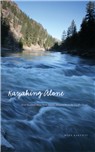 My initial reaction to the idea of kayaking alone was “That’s not very smart.” Sure enough, safety concerns are addressed (and pretty much dispensed with) by the end of page four. [I should think seriously about getting one of those EPIRB locator beacons for my car keys.] I felt redeemed by the author; my initial thoughts about kayaking 900 miles of river from Idaho to the Pacific Ocean alone as a potentially lethal undertaking were confirmed. Refreshed, and with greater armchair abandon, I pressed onward.
After working past my initial reservations about the safety issue and overcoming fears about having embarked upon a “finding yourself” kind of story, I encountered what was for me the most interesting portion of the entire book – Sunbeam Dam. As an “almost industrial archeologist” I found the first man made encounter an enticing draw into the overall story; in addition to setting the stage about what happens to a river and its aquatic inhabitants when a river is dammed. Fish be damned it would seem. [As a Midwesterner, I’m more a meat and potatoes kind of guy. There are two kinds of fish, Lake Michigan fish, and the rest.] Sunbeam Dam sets the stage for a seemingly simple story that quickly becomes complicated by man made river artifacts, the resulting changes to the previous state of the river, subsequent efforts to mitigate those changes, encounters with other river wayfarers, and ending with a split position and bifurcation of opinion about if any of the changes made to the river are cause for concern or reconsideration.
I started Where the Marlboro Man Might Settle (aka Chapter 2) and almost instantly feared that I was entering upon the touchy feely part of the story after quickly encountering an “evergreen forest” leading to a “sagebrush steppe” followed by some “puffy white clouds” and a bank of “wispy plugs of bunchgrass.” [If I had allegories, I should think I’d be dead by now.] Vegetation rules this part of the story how and what is (or isn’t) where it was can tell a person a lot (apparently) about what is happening to a river. No question I’ll never look at (or even try to “read”) a river the same way again, but I’m not sure that I’ll be able to stop treating soil like dirt.
The story of Henry Clay Merritt (Chapter 3) is a fairly simple story of the economics surrounding a working river. How man works to shape a river, how the river in turn shapes us, and who is likely to prevail in the end. I won’t spoil it and tell you what happens to Henry, but it’s a compelling story of one human saga that might otherwise have never seen the light of day.
Heading Into the Wilderness (Chapter 4) takes a bit of endurance. It’s day nine of the trip, the author is getting a bit tired heading into a potentially lonely section of the trip, happens upon and travels with a group (safety in numbers) down river and learns just how small the world really is (think Six Degrees of Separation). There is some talk of fish as well, Salmon I think.
Riggins, ID (Chapter 5), population 407, is home to the Idaho Fish and Game Rapid River Hatchery. If you really like fish, want to know more that you will probably ever need to know to make interesting dinner conversation, you’re certain to enjoy this part of the story. I’m not really a fisherman; I find it a lot like golf, a great walk ruined by a little white ball. However, I like the idea of fishing and all that it encompasses, but I think I’ll stick to reading about it.
Dragonflies and the Plant Migration (Chapter 6) are about slow. Not slow reading, but about thinking how some things that seem to take forever to happen don’t really take that long. We don’t notice because it’s not happening at e-mail, instant message or at the speed of business, but it’s happening nonetheless. This chapter encourages taking a moment every now and then to just step back and watch for a moment or two; to notice that the sea of green contains specific shades of color if you really look [Aqua is pushing the limits of my color palette]. To take note of what is now, so you can remember it later, so you can know what was in the future. Moving along …
Into the Breach (Chapter 7) at Lewiston, ID [someplace I’ve actually heard of! Behold! Civilization.]. Industry, barges, commerce, McDonalds (three!), Lewis-Clark State College, two golf courses, and an airport! For not actually traveling the river [I’d probably drown in a kayak.] and merely reading the book, I found myself oddly relishing the idea of a triumphant return to a built environment. Even with all the problems, frustrations, less than pleasant human encounters, and lack of natural rhythm in the river (as go the locks, so goes the river), I was relieved to find myself reading about issues and problems that I had some idea of how to address.
Locking Through with Smolt (Chapter 8). Smolt? Smolt = small fish. In particular, Smolt are small fish learning how to move from fresh water to salt water. Smolt would appear to have it pretty rough getting from Idaho to the Pacific Ocean. If they’re not done in by turbine blades, spillways, natural predators, or shear fatigue, then in some cases the last obstacle they have to overcome is the very destination to which they are headed, the Pacific Ocean itself. Tough break; it would seem rather difficult to avoid the Pacific Ocean when your preferred river carrier forces you to hub through that particular location prior to your attempted return home. I don’t know that I had ever really thought about the down river hazards of being a fish these days given that most of what you seem to hear is about the hazards or inability of mature fish trying to get up river to their breeding grounds.
River of Empire (Chapter 9). More talk of Salmon (it’s a recurring theme). I did find one episode in this chapter curiously funny. Kayak vs. tourist boat. On the Columbia during a day when the river was as smooth as “polished glass” the author provides a two paragraph summary of the river equivalent of the makings of a slow motion traffic accident. The take away? When trying to cross the path of an oncoming boat (particularly one that is larger than you), if in doubt, pass aft at the stern, and not fore at the bow. I sat reading this particular passage thinking how odd that must have felt to be paddling as hard a possible and making no apparent gain in position and to then be fraught with the idea that you’re going to be plowed asunder by a group of tourists on a three hour tour. It’s not funny.
The Swallowing Monster (Chapter 10). July is a bad month for wind on certain portions of the Columbia. You don’t say? Someone actually knows this? Yes, apparently somebody does. No doubt the author got tired paddling into 40 knot headwinds (that’s about 46 mph, gale force winds), and at this stage of the story, so did I. I took some solace in that as the author was tiring, I was feeling the same thing. For him, it was day 35 on the river, for me, just a normal routine kind of day, but my mood and ability to engage the story were waning some in this headwind. Then, I had to start laughing. When driving on long trips I frequently clock my progress; can I cover a mile in moderate traffic in one minute as a means of gauging progress? On the very next page the author is doing basically the same on the river with rocks, channel markers, power lines, etc. Utilize anything handy to measure of march of progress in grating and tiring circumstances. It would seem that the ferocity of wind and the resulting physical fatigue on the river easily translates into the struggle of staying mentally alert on a long trip on the open road. If by river or road there seem to be a unique set of challenges brought to the fore.
Watching Fish at Bonneville Dam (Chapter 11). Without reading a word, I thought, he’s stuck. He’s stuck paddling around with thousands of fish swimmingly idly by while they all wait for the locks to open at the next dam on the river; like being at a dead stop on the interstate for no apparent reason. Where exhaustion turns to frustration and tempers flare. Sure enough, portage around a dam is the order of the day. Then the story turns to the seeming inability of states, nations, and companies that don’t actually want a dam to their collective inability to actually rid themselves of an unwanted dam. Just like painting stripes on the road in the midst of rush hour …. Why is this small thing so difficult to fix?
Used Up by the Wind (Chapter 12) after 43 days, the ocean (the Pacific for anyone that might not remember) is within sight (maybe sound as well, but I wasn’t there and this isn’t an audio book so I have no idea). Again, a splash of the urban environment in the midst of what has been a rather long hard slog as of late and I’m feeling it as well. I’m not even doing anything and I’m thinking, goodness gracious, aren’t we there yet!?!? My mental angst at not having reached the ocean seems to have matched the author’s physical condition at this point in the trip where he takes a break for the final assault on the Ocean …. 115 miles down river (and I’m translating that into 2 hours by car in my parallel overland journey).
Looking Back at Cape Disappointment (the last chapter) has finally arrived. Much like the beginning at a decrepit dam built long ago and abandoned for its original intent is the remains of the Salmon industry literally rotting on the rivers edge but hundreds of miles closer to the ocean. A final look into what was, tempered by both the authors’ (and my own) interest in reaching the ocean and completing the trip where freshwater meets saltwater. Where the long journey nears its end and is compressed into that cauldron of twists and turns as you near home. And then finally, you have arrived at the ocean and derive a sense of satisfaction and vindication by having completed the journey and arrived safely; only to begin thinking about the next journey.
For someone with no kayaking experience I rather enjoyed this story, probably because there isn’t too terribly much about the technicalities of kayaking to bog you down. It’s a travel story with an objective, but no real end since many of the issues raised in the course of the trip aren’t resolved and remain open to discussion, debate, and maybe even eventual change.
Of the 29 selected sources listed, I identified four historical works that matched my particular interests as a result of reading this book.
 UNP blog
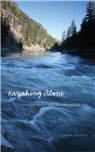
Mike Barenti gave a great reflection in this book….The Columbia river and Bonneville Dam are in my back yard practically. I am all about chapter 11 🙂
And Mr. Anderson, forget the EPIRB get a SPOT Satellite Messenger, haha, I picked one up at http://www.TheWayToGPS.com , I love it, I never leave home without it.
Great review of Kayaking Alone. Thank You!
Can the book be much better than the review?? Gives me a good insight into the different perspectives of this kind of adventure.
Thanks!
The risk and adventure of a solo kayaking trip makes a great story to introduce river development vs. river conservation issues to the majority of people who otherwise wouldn’t spend too much time thinking about the plight of our rivers. Our rising population is making ever more demands on our rivers. Drought conditions in many areas of the western USA places severe limits on what the rivers can provide. Salmon and many other fishes in our western rivers are threatened with extinction. This book can help to educate the voters who will be making many critical water policy decisions in the coming years.