
 Today is Earth Day (and the 40th anniversary Earth Day, no less), a day of celebration, activism, education and resolutions to do more to take care of our natural resources and generally be kinder to the earth.
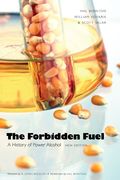
Here at the University of Nebraska Press, we’ve published a number of titles on the wildlife and vegetation of the Great Plains, as well as titles about natural history. This spring, the University of Nebraska Press published something a little different: An updated edition of The Forbidden Fuel: A History of Power Alcohol, by Hal Bernton, William Kovarik, and Scott Sklar.
The Forbidden Fuel traces the evolution of ethanol as a fuel source both in the United States and throughout the world, and the implications of the increasingly widespread use of ethanol. In 1982, when The Forbidden Fuel was first published, approximately 350 million gallons of ethanol were produced in the United States for transport fuel. In 2008 that number had grown to 9 billion gallons—an approximate average annual growth rate of 98.9 percent. Similar dramatic growth has occurred all over the world, especially in Brazil. In this much-updated edition, the authors trace the factors that caused this growth; they also explore environmental concerns associated with ethanol — limits of the land, food versus fuel, environmental risks, and global warming. It’s a fascinating look at a complicated issue, and one that is increasingly important.
For more info on Earth Day (and stuff you can do to celebrate), visit the official Earth Day Web site. For more information on The Forbidden Fuel, visit the authors' Web site.
 UNP blog