 C. Richard King is Professor of Ethnic Studies at Washington State University at Pullman and the author and editor of several books, including Team Spirits: The Native American Mascot Controversy and Unsettling America: Indianness in the Contemporary World.
On June 18, 2014, The U.S. Trademark and Patent Office Trademark Trial Appeal Board (TTAB) voided trademarks associated with Washington, DC NFL franchise, because it found the team’s name, Redskins, to be “disparaging.” The ruling, which followed precedent established by TTAB over the past two decades that had dismissed a range of trademark applications using the name, predictably was met with adulation by opponents and outrage by supporters. In fact, the decision lit up social media, spawning #newredskinnames, which dominated trending topics for much of the day. Focusing on the celebratory tones, raging resentment, and partisan politics palpable in immediate reactions, we might easily lose the larger import of the decision, while overlooking its limitations and dangers.
It is best not to think of the ruling as an end point. It rather moves the struggle to the next phase, fostering reconfigured dialogues and debate, while opening new fronts for action and reaction. Indeed, neither the name nor the brand will cease, and even if appeals uphold the decision, the franchise will retain rights, if more limited and less profitable. The organization said as much the same in its press release: “We’ve seen this story before. And just like last time, today’s ruling will have no effect at all on the team’s ownership of and right to use the Redskins name and logo” (emphasis original). This is certainly not the end. Nevertheless, the finding is a hopeful sign, or better said, another positive development for those opposed to the name. It adds to growing political pressure and the increasingly audible voices of dissent. In other words, the fight will continue with increased visibility and heightened momentum.
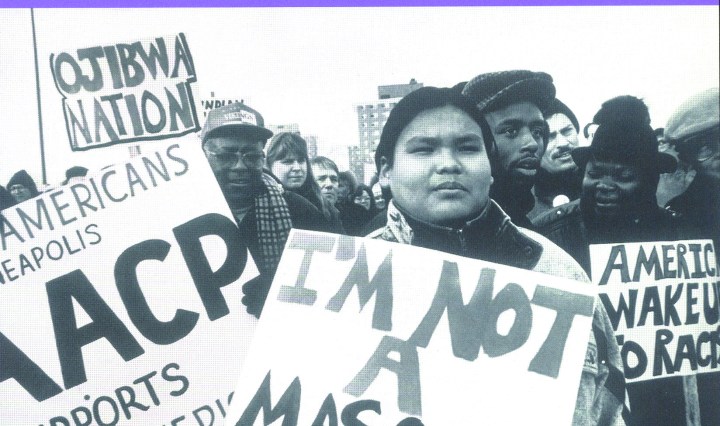
Much of the coverage, but happily not all, has centered on the ruling by TTAB and its propriety, the impact on and reaction of the franchise, and the minutiae of intellectual property law. The media has disappeared American Indians again, often burying, if not altogether erasing, them. Many readers will not learn the identities and actions of the five Native American plaintiffs, Amanda Blackhorse, Marcus Briggs-Cloud, Philip Gover, Jillian Pappan, and Courtney Tsotigh, who courageously brought the case to TTAB, nor will be given a fuller understanding of the long history of opposition to the team and its name, an opposition that dates back more than four decades and its in a larger pattern of empowerment. Indeed, as important as this ruling is, it is not the first time TTAB has taken up the question. In fact, it comes more than two decades after Suzan Harjo, Raymond D. Apodaca, Vine Deloria, Jr., Norbert S. Hill, Jr. Mateo Romero, William A. Means, and Manley A. Begay, Jr. filled suit against the NFL, seeking to nullify associated trademarks. Then, as now, TTAB ruled in favor of the plaintiffs.
Continue reading “Reason for Hope? Blackhorse et al v Pro-Football, Inc. and the Future of a Racial Slur”
 UNP blog