
Luster of cicadas. Night street lined with jade.
Summer of desperate, pounding water. We sleep
with our heads hovering over the alley.
Monica Gomery, “Sleeping in Hurricane Season” from Might Kindred
As you curate your Summer Reading lists, don’t forget to add a book of poetry or two. With our summer reading sale, you can get award-winning poetry books for 50% off!
From now until the end of July, Lincoln City Libraries is promoting its annual summer reading program and adult readers have the opportunity to win a 40% discount coupon from UNP if they complete the program. Of the activities you can do to participate, one is to read aloud to another person, pet, or plant; why not host your own poetry reading?
Register for the program here and check out some of our poetry books below:
Cotton Candy
TED KOOSER
“Poems dipped out of the air” describes the manner in which Ted Kooser composed the poems in Cotton Candy, the result of his daily routine of getting up long before dawn, sitting with coffee, pen, and notebook, and writing whatever drifts into his mind.

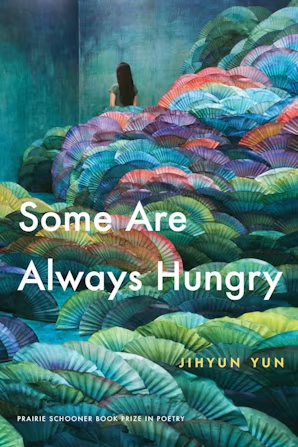
Some Are Always Hungry
JIHYUN YUN
Through the vehicle of recipe, butchery, and dinner table poems, Some Are Always Hungry negotiates the myriad ways diasporic communities comfort and name themselves in other nations, as well as the ways cuisine is inextricably linked to occupation, transmission, and survival.
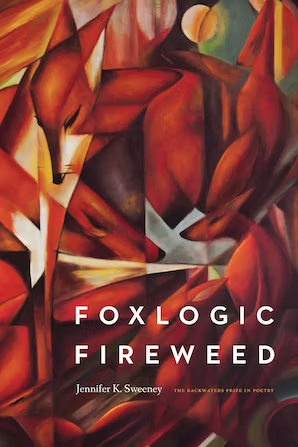
Foxlogic, Fireweed
JENNIFER K. SWEENEY
Foxlogic, Fireweed follows a lyrical sequence of five physical and emotional terrains—floodplain, coast, desert, suburbia, and mesa. These are poems of the earth’s wild heart, its searing mysteries, its hollows, and its species, poems of the complex domestic space, of before and after motherhood, gun terror, the election, of dislocation and home, and of how we circle toward and away from our centers.
Two Open Doors in a Field
SOPHIE KLAHR
A profusion of sonnets rises from a single circumstance: Sophie Klahr’s experience of driving thousands of miles alone while listening to the radio, where unexpected landscapes make listening to the unexpected more acute. Accompanied by the radio, Klahr’s experience of land is transformed by listening, and conversely, the body of the radio is sometimes lost to the body of the land.

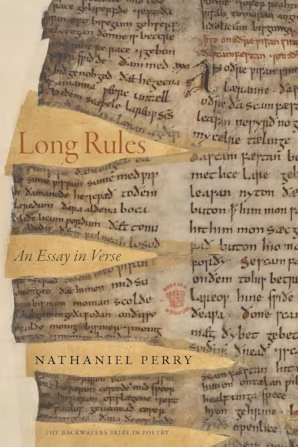
Long Rules
NATHANIEL PERRY
Long Rules takes readers to five Trappist monasteries in the southeastern United States to consider the intersections of solitude, family, music, and landscape. Its lines unspool in a loose and echoing blank verse that investigates monastic rules, sunlight, Saint Basil, turnips, Thomas Merton, saddle-backed caterpillars, John Prine, fatherhood, and everything in between. Looking inside and outside the self, Perry asks, what, or whom, are we serving?
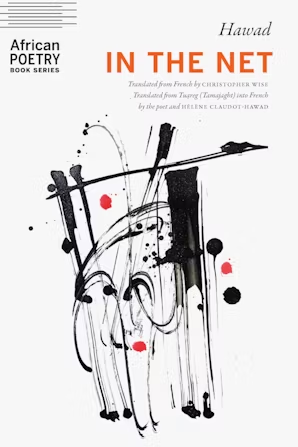
In the Net
HAWAD
In the face of amnesia, how does one exist? In this poem, Hawad speaks directly to Azawad, a silent figure whose name designates a portion of Tuareg lands divided among five nation-states created in the 1960s. This evanescent being, situated on the edge of the abyss and deprived of speech, space, and the right to exist, has reached such a stage of suffering, misery, and oppression that it acquiesces to the erasure implicit in the labels attached to it.
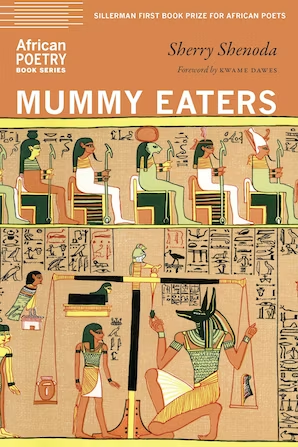
Mummy Eaters
SHERRY SHENODA
Mummy Eaters follows in the footsteps of an imagined ancestor, one of the daughters of the house of Akhenaten in the Eighteenth Dynasty, Egypt. Shenoda forges an imagined path through her ancestor’s mummification and journey to the afterlife. Parallel to this exploration run the implications of colonialism on her passage.
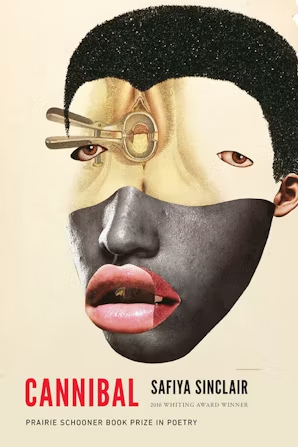
Cannibal
SAFIYA SINCLAIR
Colliding with and confronting The Tempest and postcolonial identity, the poems in Safiya Sinclair’s Cannibal explore Jamaican childhood and history, race relations in America, womanhood, otherness, and exile. Here the female body is a dark landscape; the female body is cannibal.
Might Kindred
MÓNICA GOMERY
The poems of Might Kindred wonder aloud: can we belong to one another, and “can a people belong to a dreaming machine?” Conjuring mountains and bodies of water, queer and immigrant poetics, beloveds both human and animal, Mónica Gomery explores the intimately personal and the possibility of a collective voice. Here anthems are sung and fall apart midsong.

Skin Memory
JOHN SIBLEY WILLIAMS
In this book of daring and introspection, John Sibley Williams considers the capriciousness of youth, the terrifying loss of cultural identity and self-identity, and what it means to live in an imperfect world. He reveals each body as made up of all bodies, histories, and shared dreams of the future.

 UNP blog
One thought on “Summer Reading List: Poetry”