
Reviews
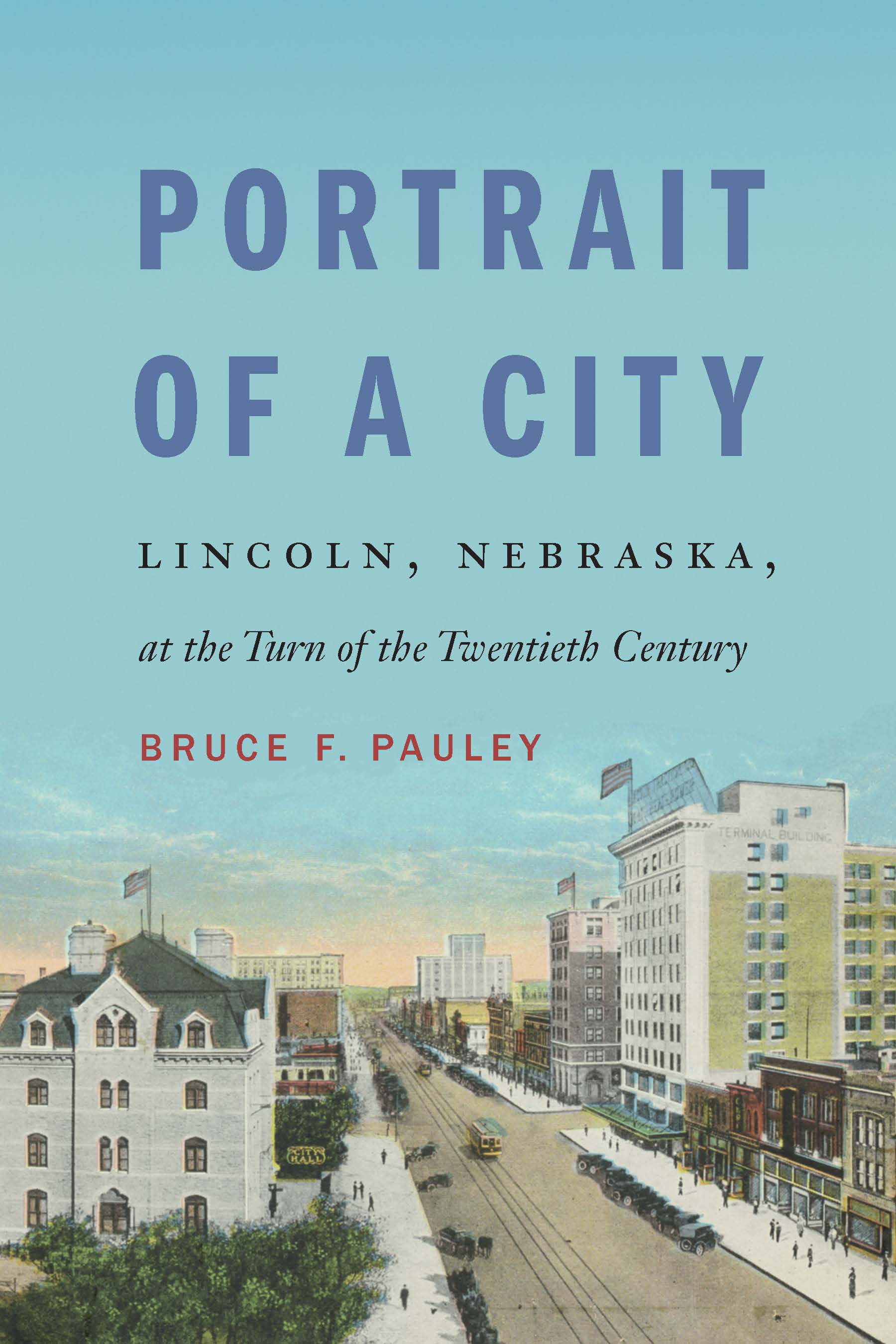
Review in Publishers Weekly:
“Though Pauley never turns a blind eye to the wrongs committed by residents of Lincoln, his portrait is a genuine labor of love. Midwest history buffs will enjoy this tremendously.”
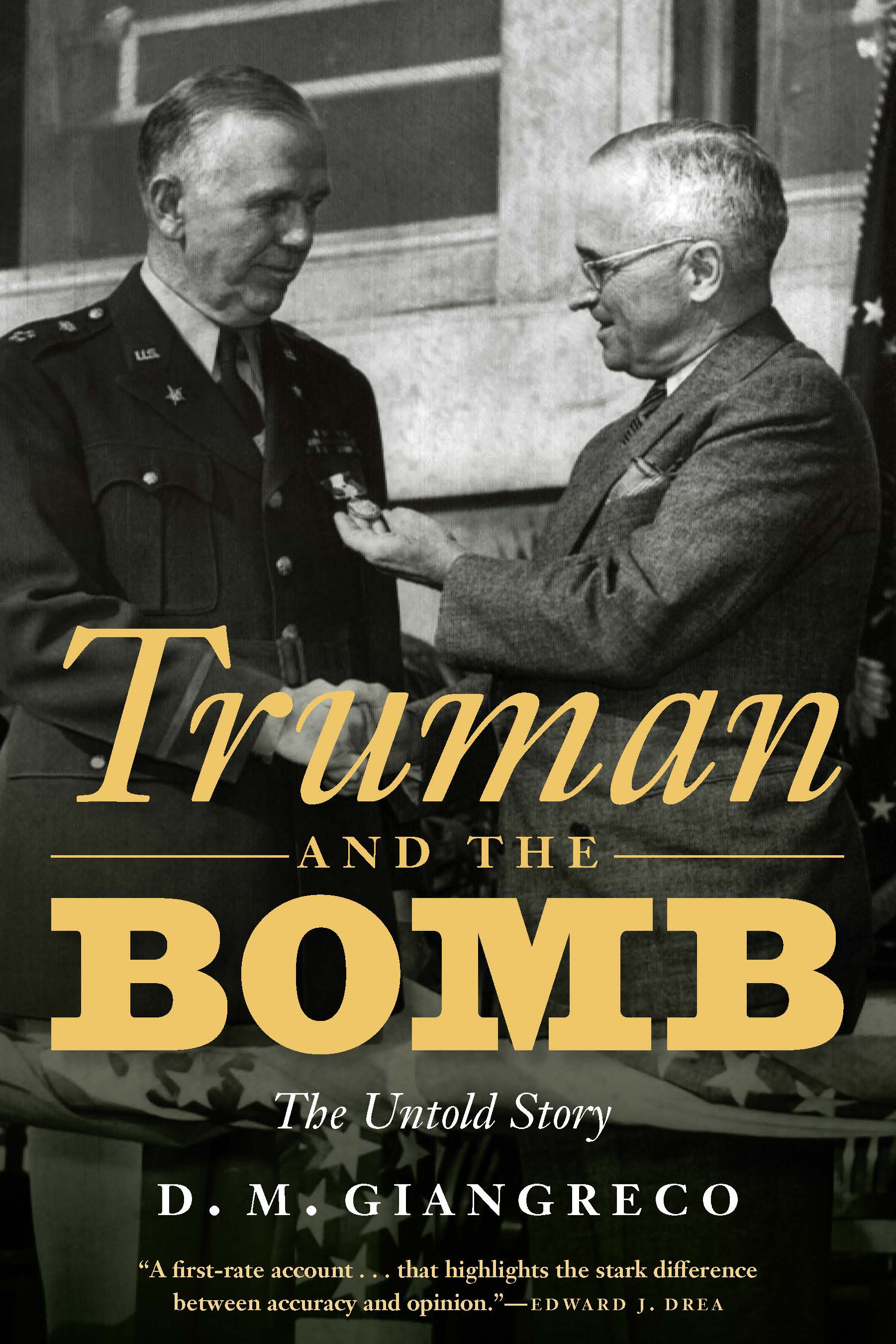
Review in Publishers Weekly:
“Giangreco’s close analysis of these documents is thought-provoking, and makes a strong case that Truman believed dropping the bomb would save lives. Readers will come away with new insights into a world-changing event. “

Review in Current:
“Paul Carter’s Richard Nixon: California’s Native Son quotes Nixon’s response to reporter Earl Mazo’s investigation of voter fraud in the 1960 election: ‘Earl, those are interesting articles you are writing—but no one steals the Presidency of the United States.'”
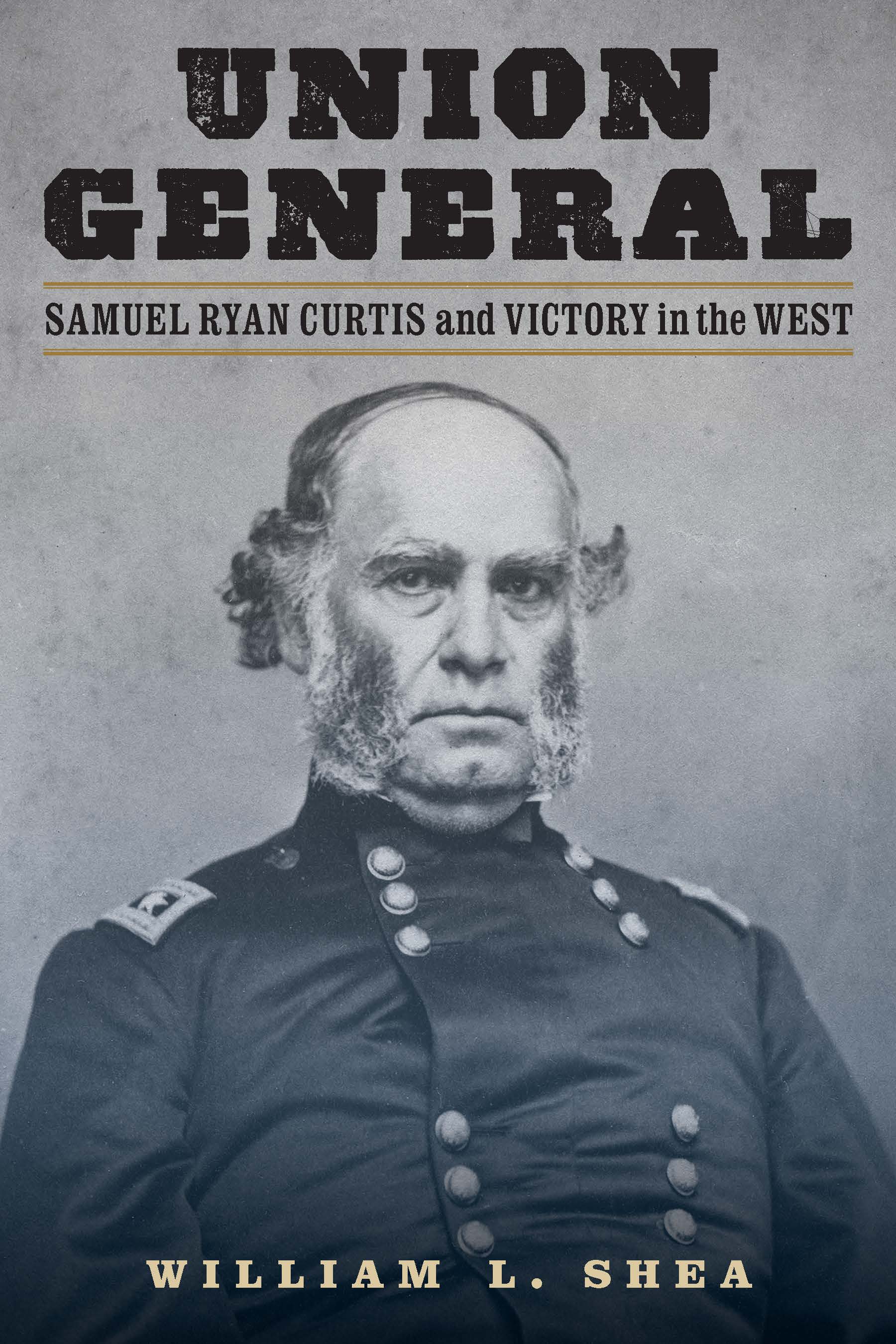
Review in Emerging Civil War Blog:
“Union General, Samuel Ryan Curtis and Victory in the West is a well-researched book that provides readers with a thorough examination of Curtis’s life. Shea offers convincing evidence to prove his argument that Curtis played a critical role in Union success in the Trans-Mississippi Theater while also writing a study that enthusiasts will enjoy reading. Thanks to Shea, Curtis is able to reclaim at least a measure of deserved attention previously so long denied.”
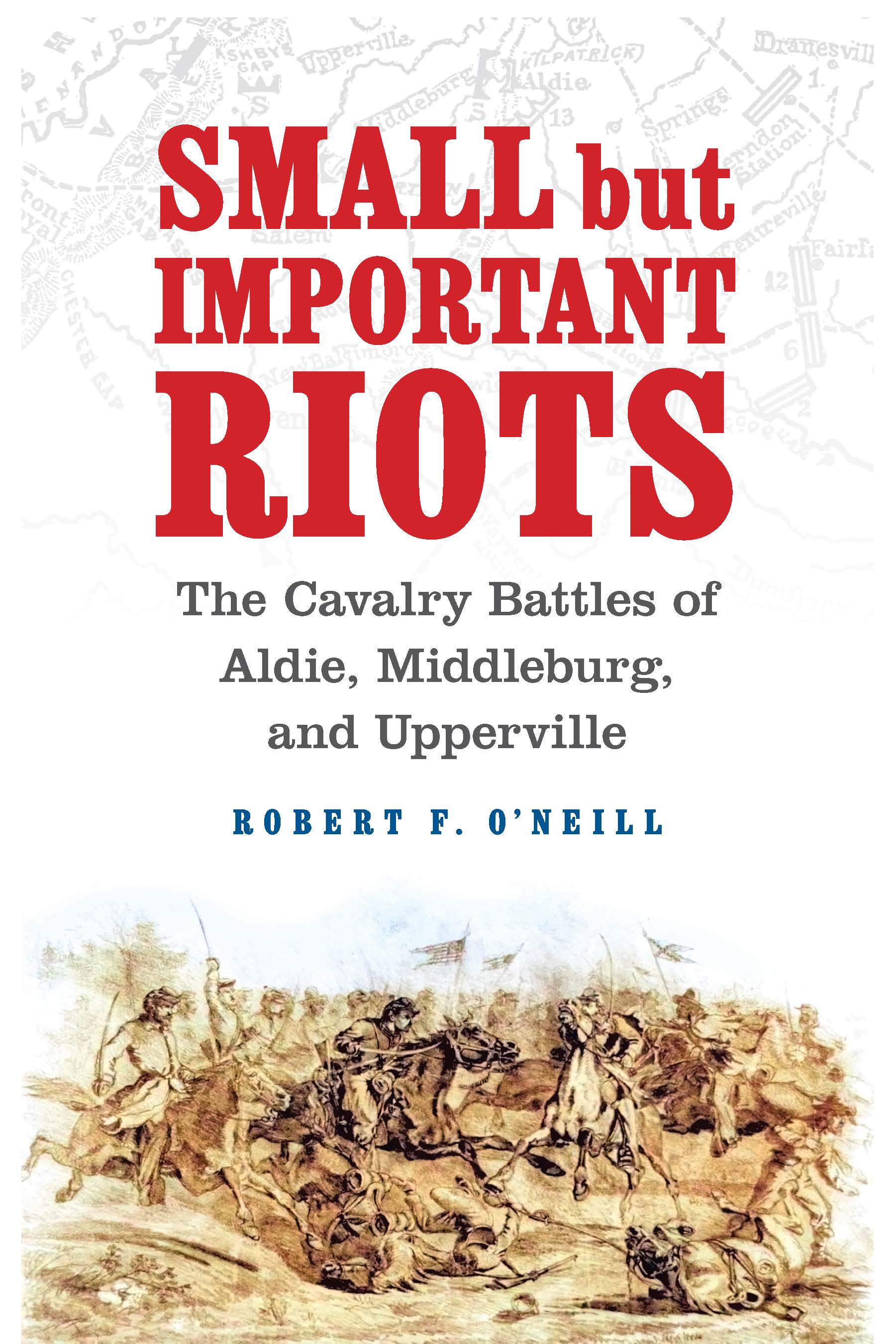
Review in Military Officer:
“O’Neill brilliantly describes how Pleasanton (once accused of cowardice) quickly reorganized the corps into two strong divisions under proven fighters Gens. John Buford and David McMurtrie Gregg, reequipped the men, and restored morale. “
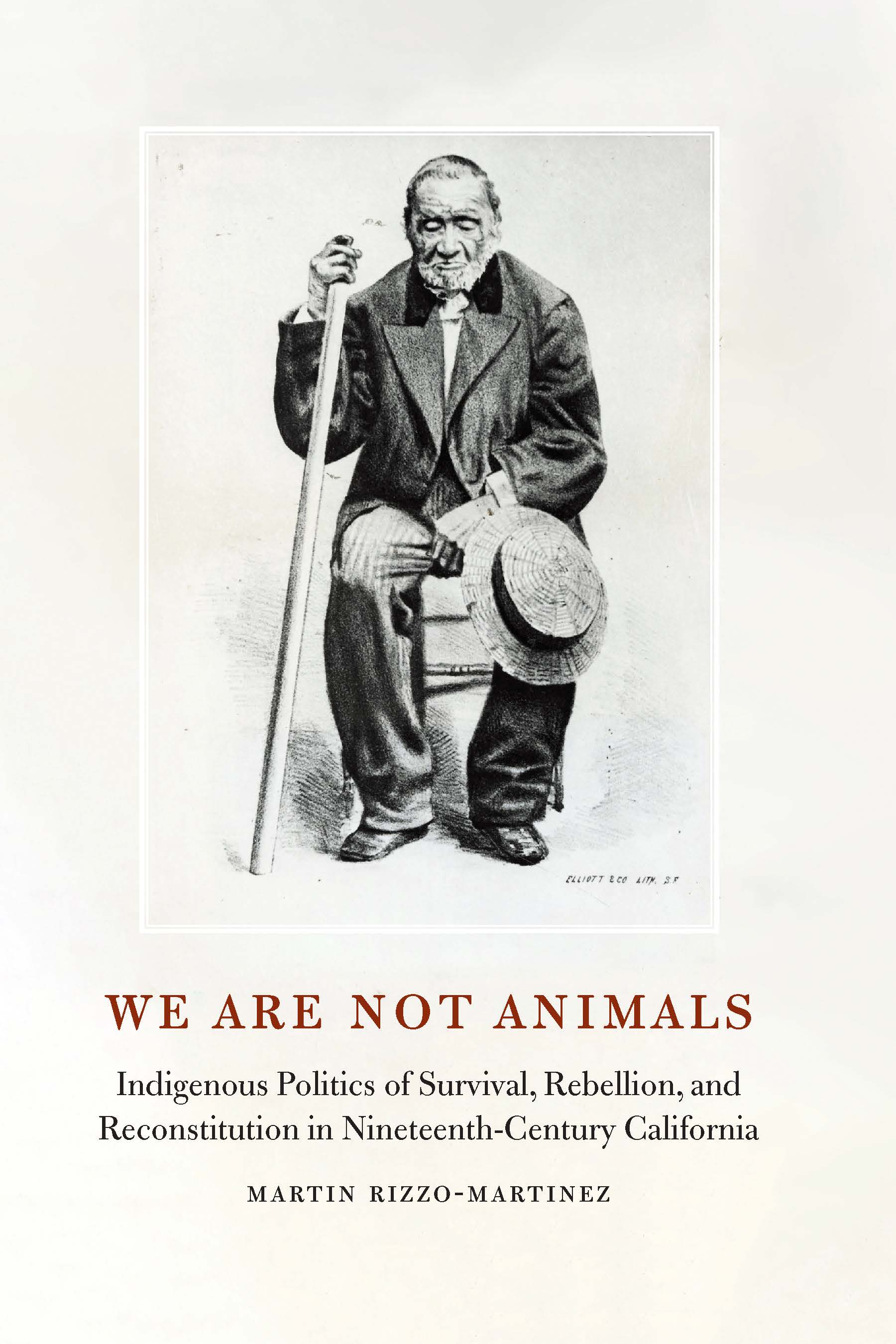
Review in Montana Magazine:
“Like so many others rescued from obscurity by Rizzo-Martinez, neither Asisara nor Chief Malimin fit comfortably into the competing narratives championed by those who see Father Serra and the Franciscans as either frontier heroes or genocidal villains. For them, Rizzo-Martinez delivers a wealth of complicating new facts. For that, the rest of us can be truly thankful.”

Review in Montana Magazine:
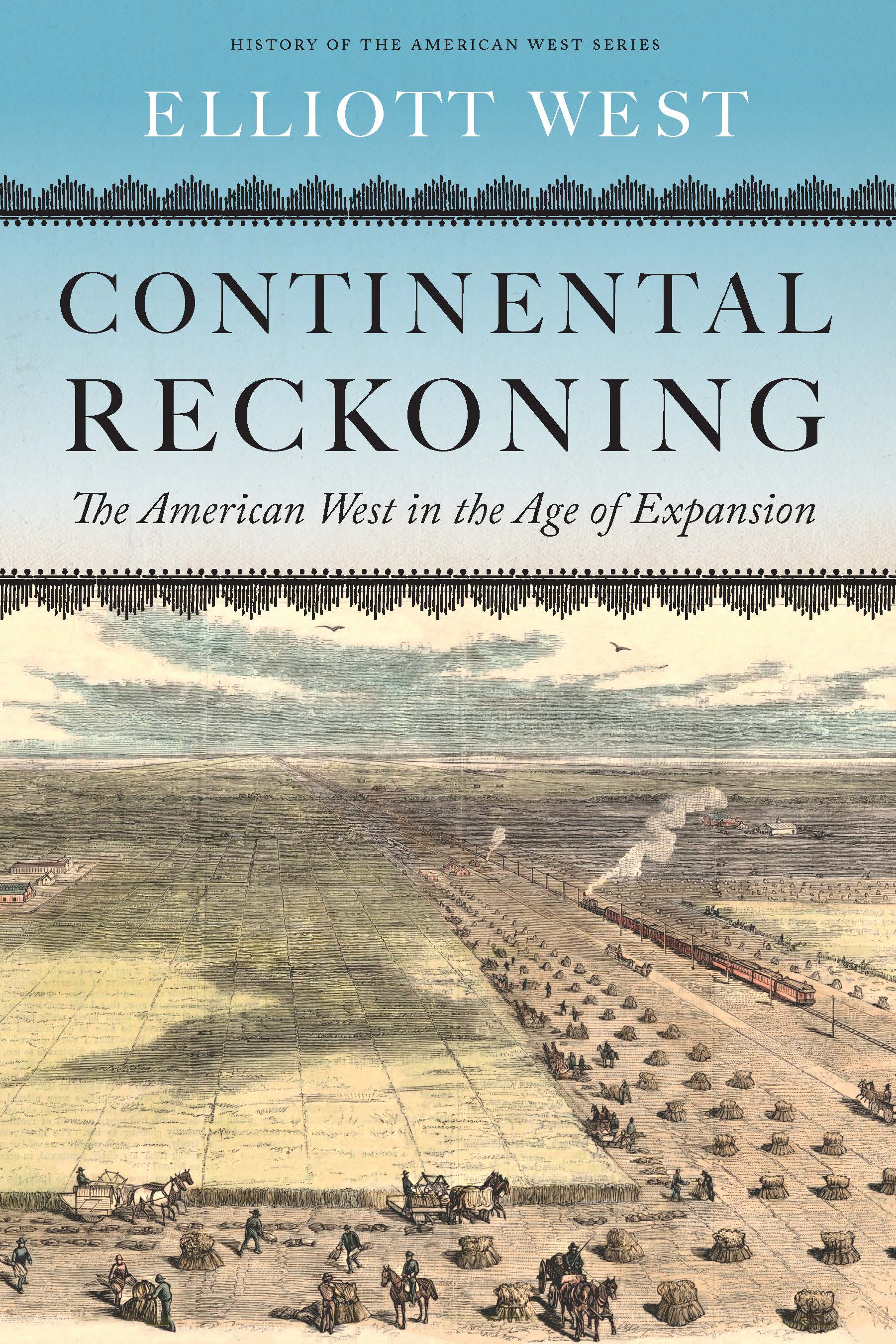
“Deutsch’s treatment here offers greater understanding looking in both directions: backward, across the yawning gap between the nineteenth- and twentieth-century Wests; and forward, toward the postwar West with its economies of scale, massive growth, and impending environmental crises. Situated between Elliott West’s Continental Reckoning and John Findlay’s The Mobilized American West, Deutsch’s book is the vital bridge in what are the most comprehensive histories of the West published to date. “
The Great Plains, Second Edition
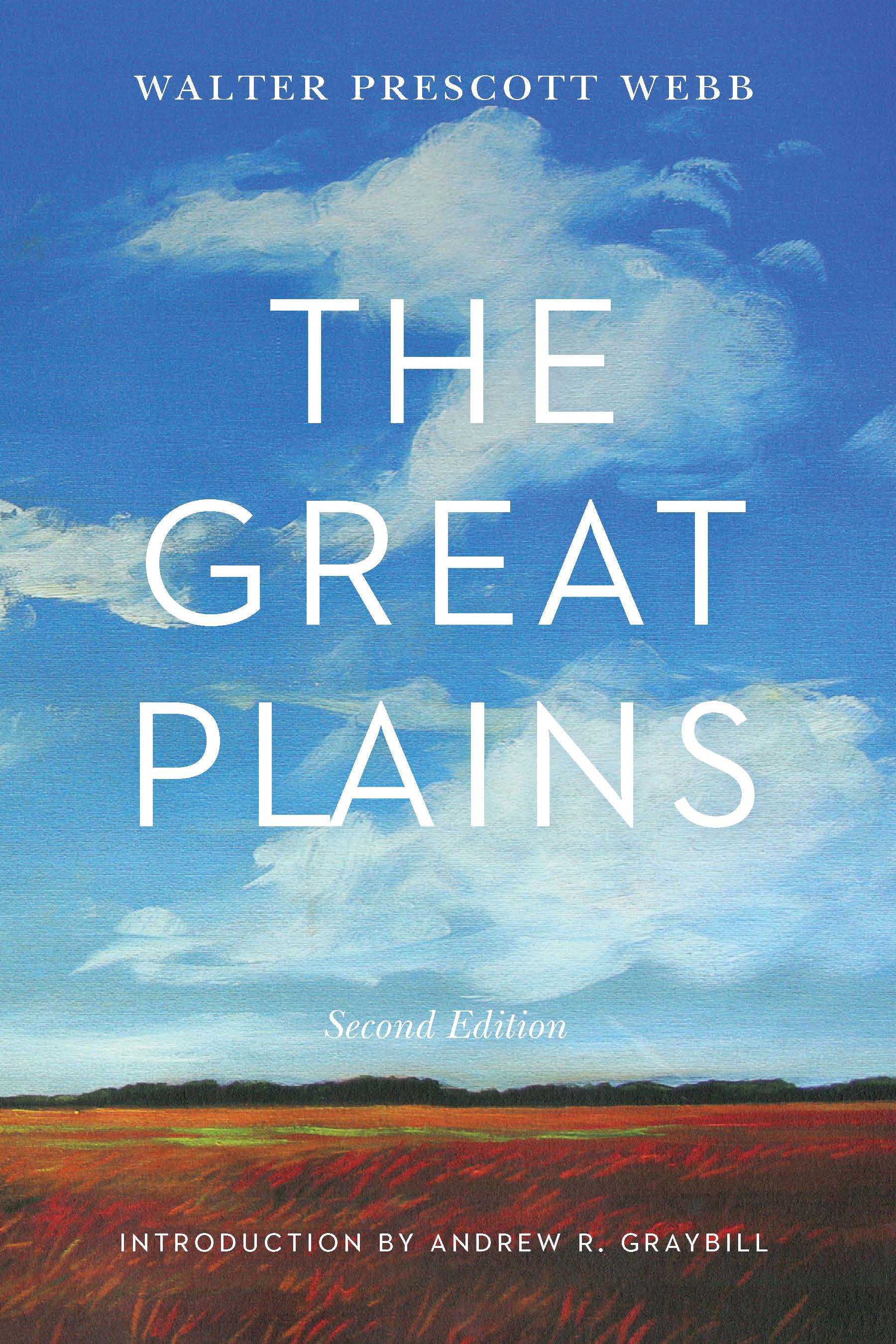
Review in Nebraska History:
“Graybill’s introduction is what differentiates this version of Webb’s work from earlier editions, and it adds real substance to the work, providing important context about Webb’s career and how this book fit into that career. Graybill unpacks those aspects of Webb’s work that would today be considered, at best, out of date, and at worst, reprehensible, notably Webb’s racism towards Native peoples and his penchant for environmental determinism…Graybill’s introduction does all of this without either dismissing or overly celebrating Webb.”
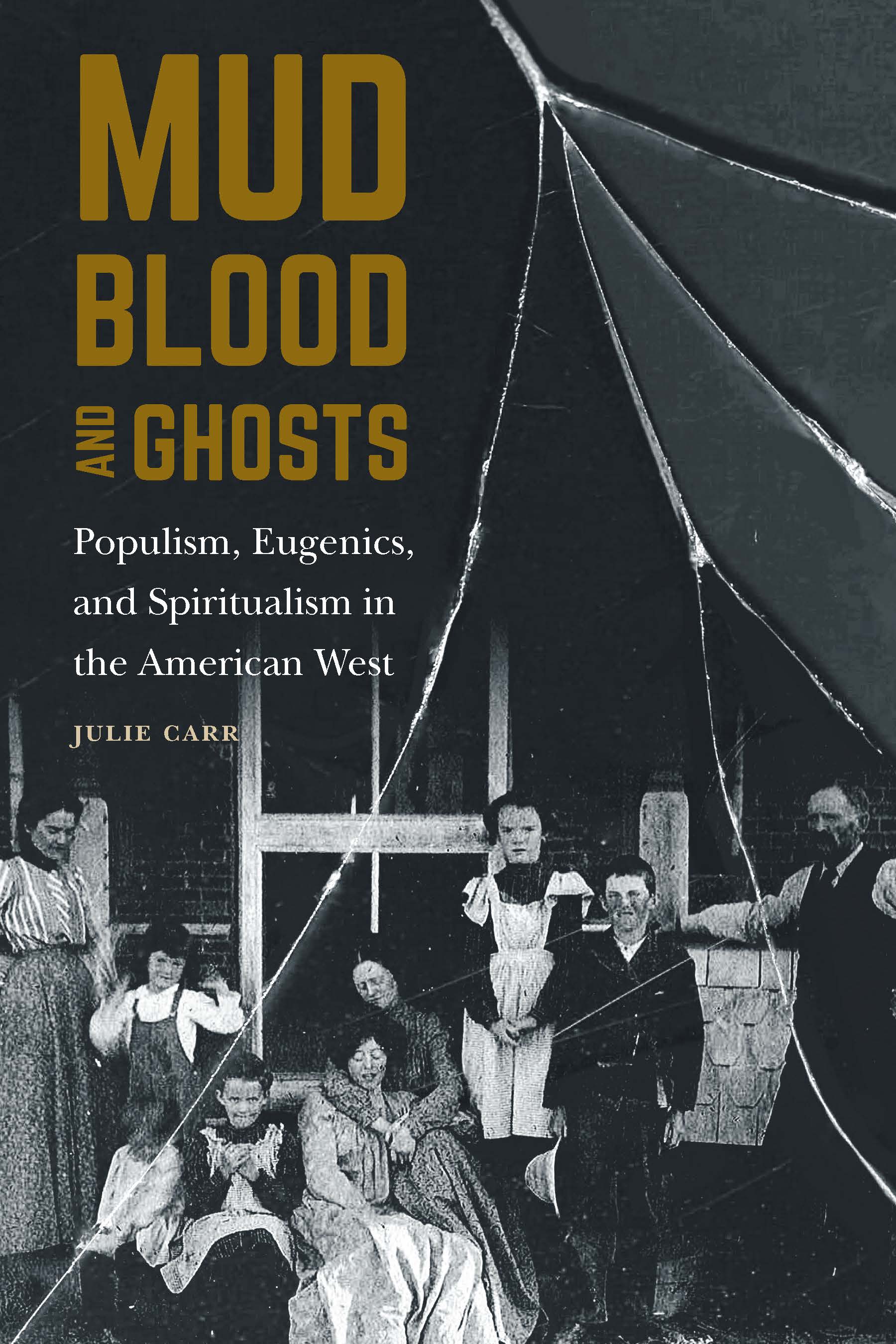
Review in Genetics and Society:
“Carr’s book goes beyond enriching disciplines historiographically, methodologically, and politically. Its commitment to social justice and the production of historical accounts free from settler-colonial fantasies is arguably one of its most salient impacts. One of its distinguishing hallmarks is its intentional spotlight on the stories of Black and Indigenous peoples, which unveils the deep-seated eugenic violence these communities have endured for generations.”

Review in EuropeNow:
“This book will fascinate scholars in museum studies, postcolonial studies, memory studies, cultural geography, and anyone interested in tracing the history of material culture. Beyond the case study and geographic focus, this scholarship will also inform explorations into local colonial collections in other parts of the world, from Africa to Canada. By making space for Indigenous actions and reactions, the study will become a model for the decentering of historical studies on colonial artifacts.”
Author Interviews
Interview with MeatEater Podcast
Interview with Hiker Trash Radio
 UNP blog