
We’re excited to participate in #ReadingAfrica Week, an annual celebration of African Literature, sponsored by Catalyst Press! The campaign was created “to bring attention to writers who are doing diverse and genre-spanning work from every corner of the African continent.”
UNP’s African Poetry Book Series looks to publish the stream of works from new African writers and also collect works of classic African poetry that have otherwise been forgotten. With the help of an Editorial Board made up of gifted and internationally regarded poets, series editor Kwame Dawes looks to publish two to three new titles per year. Submission guidelines for the series can be found on the African Poetry Book Fund website.
We’ve curated a reading list below from our African Poetry Book Series, with selections ranging from classic works to modern and contemporary voices!
The Gathering of Bastards
ROMEO ORIOGUN
The Gathering of Bastards chronicles the movement of migrants as they navigate borders both internal and external. At the heart of these poems of vulnerability and sharp intelligence, the poet himself is the perpetual migrant embarked on forced journeys that take him across nations in West and North Africa, through Europe, and through American cities as he navigates the challenges of living through terror and loss and wrestles with the meaning of home.

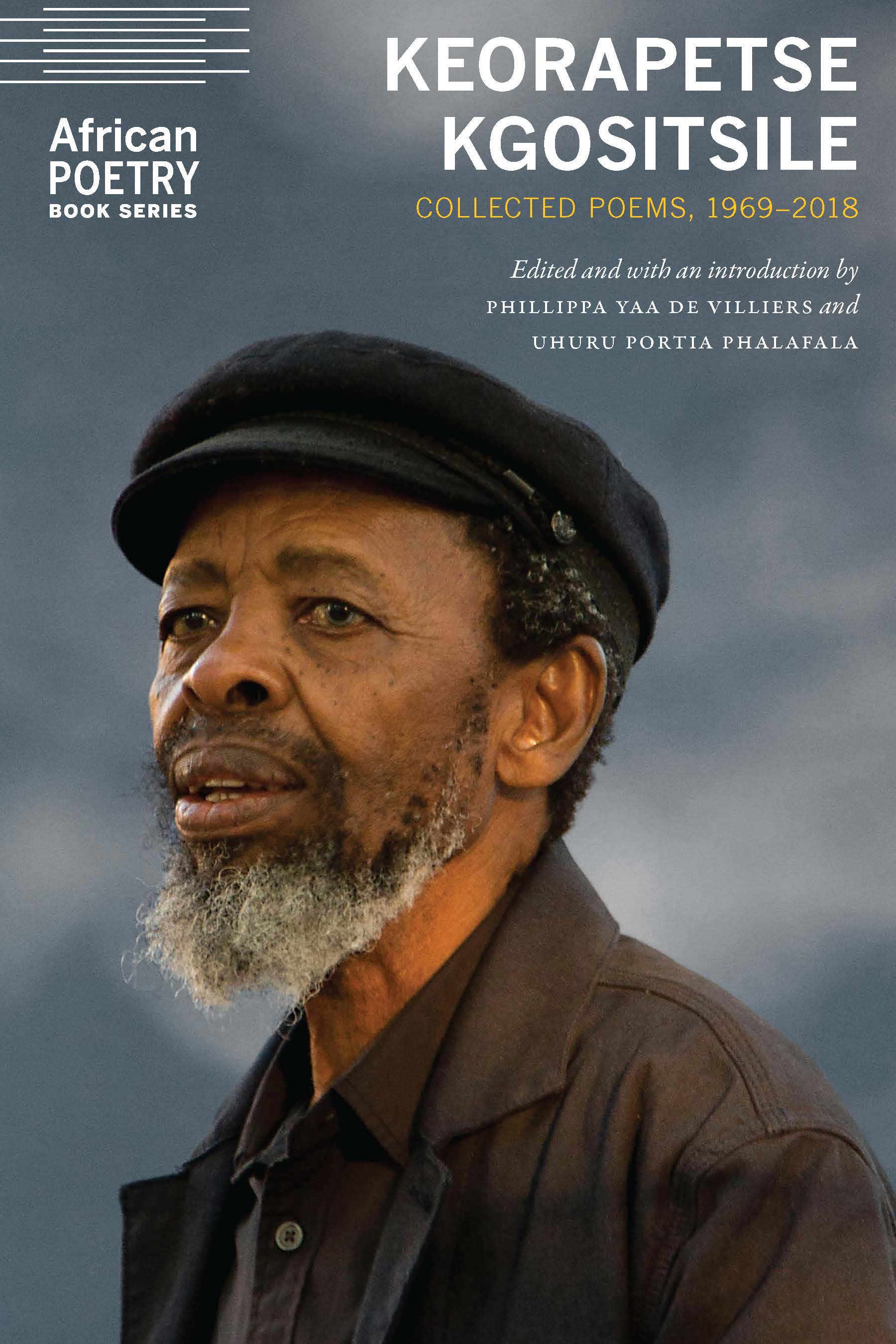
Keorapetse Kgositsile
KEORAPETSE KGOSITSILE
Addressing themes of Black solidarity, displacement, and anticolonialism, Kgositsile’s prose is fiery, witty, and filled with conviction. This collection showcases a voice that wanted to change the world—and did.
The Kitchen-Dweller’s Testimony
LADAN OSMAN
Winner of the Sillerman First Book Prize for African Poets, The Kitchen-Dweller’s Testimony asks: Whose testimony is valid? Whose testimony is worth recording? Osman’s speakers, who are almost always women, assert and reassert in an attempt to establish authority, often through persistent questioning.

Your Crib, My Qibla
SADDIQ DZUKOGI
Your Crib, My Qibla interrogates loss, the death of a child, and a father’s pursuit of language able to articulate grief. In these poems, the language of memory functions as a space of mourning, connecting the dead with the world of the living.

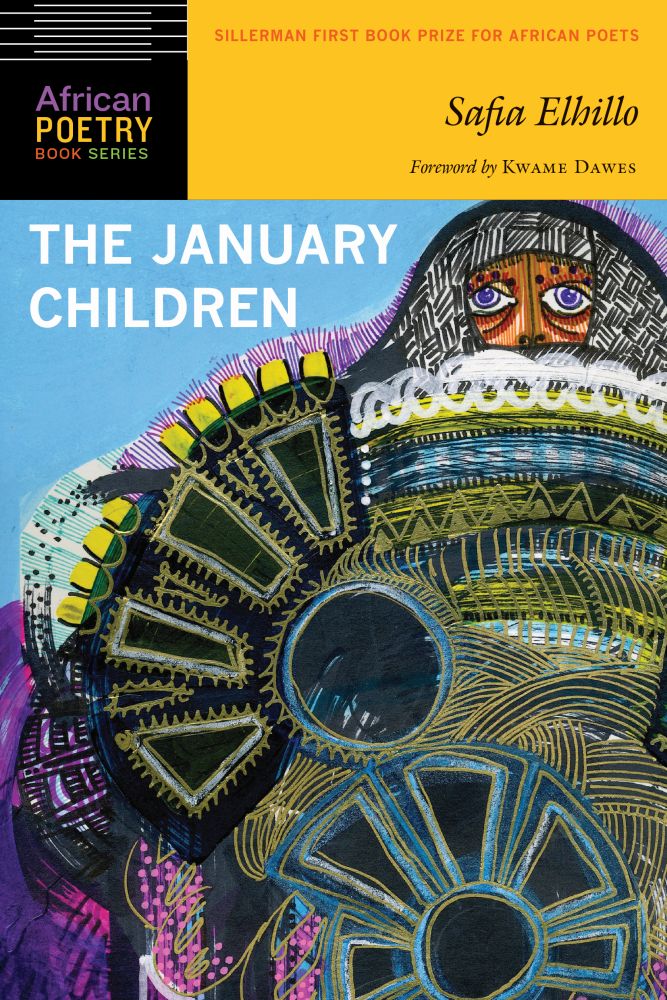
The January Children
SAFIA ELHILLO
The January Children depicts displacement and longing while also questioning accepted truths about geography, history, nationhood, and home. The poems mythologize family histories until they break open, using them to explore aspects of Sudan’s history of colonial occupation, dictatorship, and diaspora.
Gabriel Okara
GABRIEL OKARA
Arranged in six sections, Gabriel Okara: Collected Poems includes the poet’s earliest lyric verse along with poems written in response to Nigeria’s war years; literary tributes and elegies to fellow poets, activists, and loved ones long dead; and recent dramatic and narrative poems.

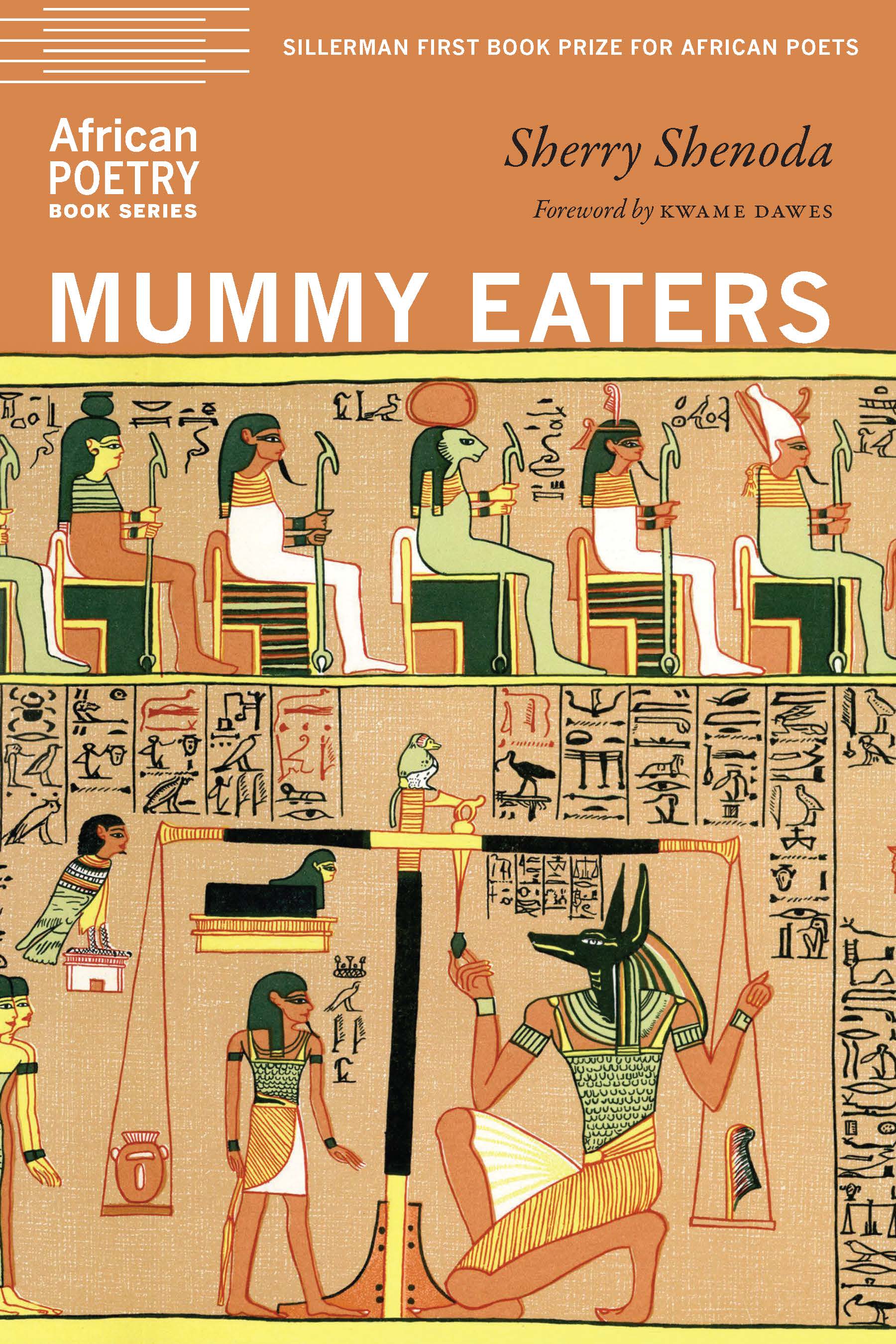
Mummy Eaters
SHERRY SHENODA
Sherry Shenoda’s collection Mummy Eaters follows in the footsteps of an imagined ancestor, one of the daughters of the house of Akhenaten in the Eighteenth Dynasty, Egypt. Shenoda forges an imagined path through her ancestor’s mummification and journey to the afterlife. Parallel to this exploration run the implications of colonialism on her passage.
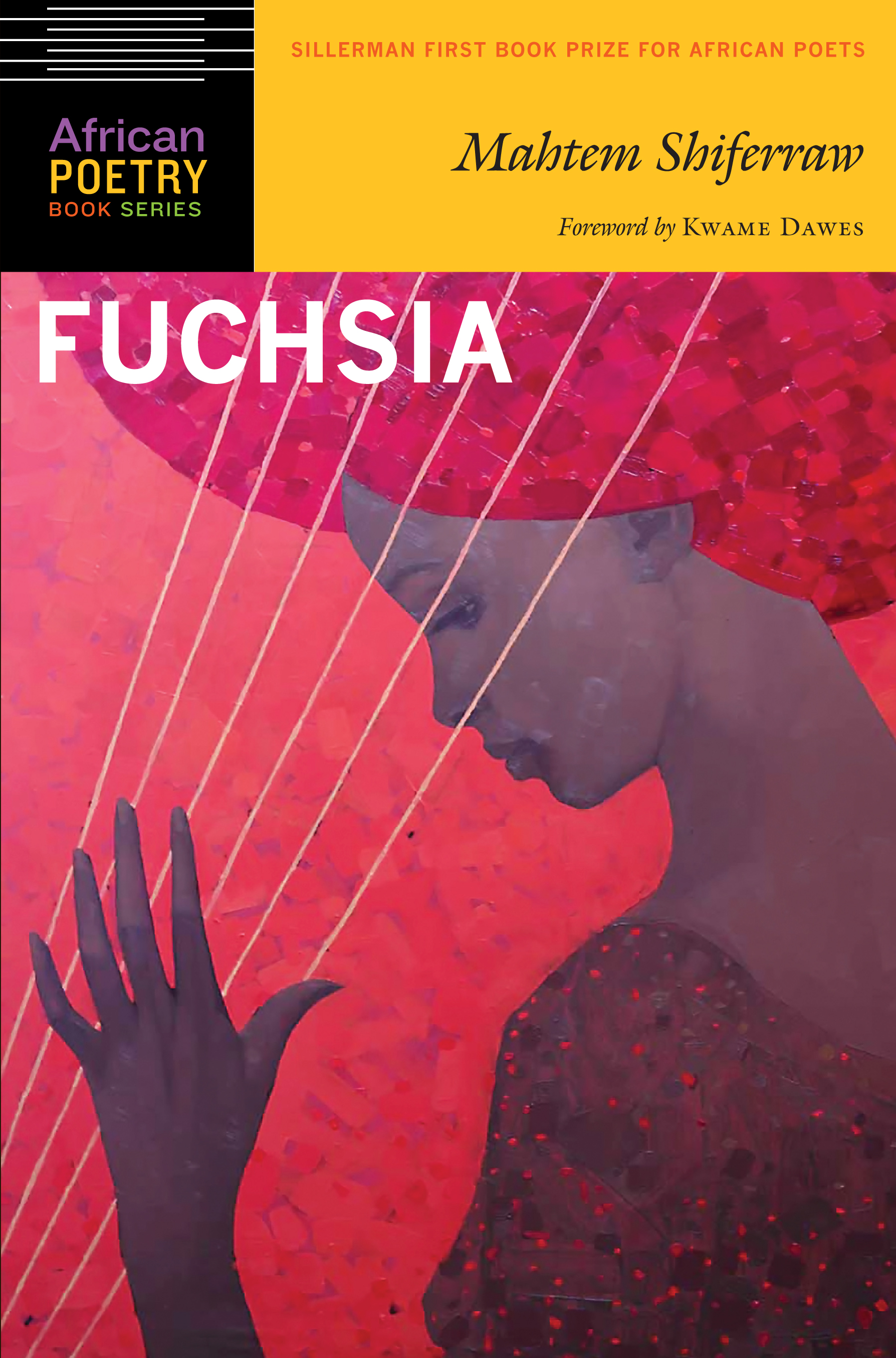
Fuchsia
MAHTEM SHIFERRAW
Ethiopian American Mahtem Shiferraw’s Fuchsia examines conceptions of the displaced, disassembled, and nomadic self. Embedded in her poems are colors, elements, and sensations that evoke painful memories related to deep-seated remnants of trauma, war, and diaspora.
Breaking the Silence
PATRICIA JABBEH WESLEY
Breaking the Silence is the first comprehensive collection of literature from Liberia since before the nation’s independence. Patricia Jabbeh Wesley has gathered work from the 1800s to the present, including poets and emerging young writers exploring contemporary literary traditions with African and African diaspora poetry that transcends borders.

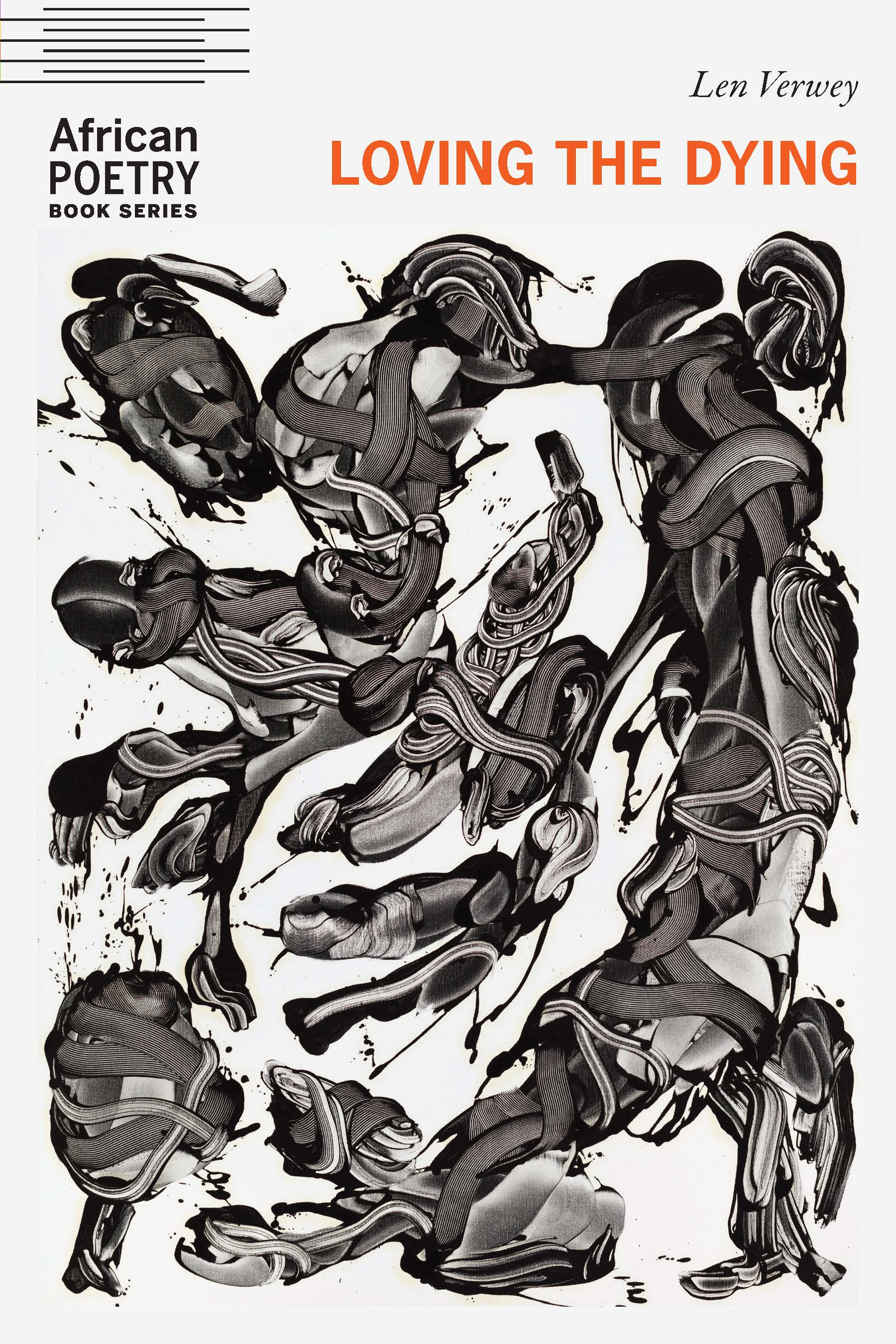
Loving the Dying
LEN VERWEY
As in his first poetry collection, In a Language That You Know, Verwey continues his effort to understand the successes and failures of the South African post-apartheid journey, with both humor and some despair.
 UNP blog