
In December of each year Choice publishes its list of Outstanding Academic Titles. This prestigious list reflects the best in scholarly titles, both print and digital, reviewed by Choice during the previous year and brings with it the extraordinary recognition of the academic library community. The list is quite selective, containing approximately ten percent of some 5,000 works reviewed annually in Choice.
Congratulations to the following UNP authors whose books were chosen as Outstanding Academic Titles of 2023 by Choice!
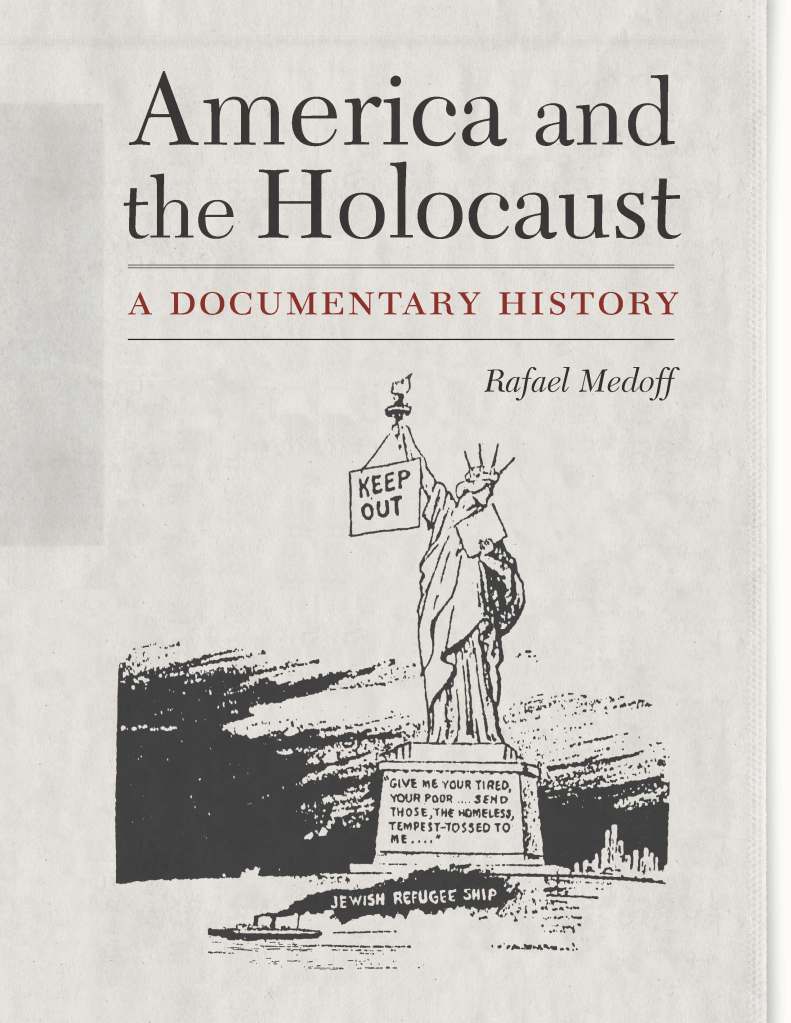



America and the Holocaust by Rafael Medoff. The first comprehensive volume to teach about America’s response to the Holocaust through visual media, America and the Holocaust: A Documentary History explores the complex subject through the lens of one hundred important documents that help illuminate and amplify key episodes and issues.
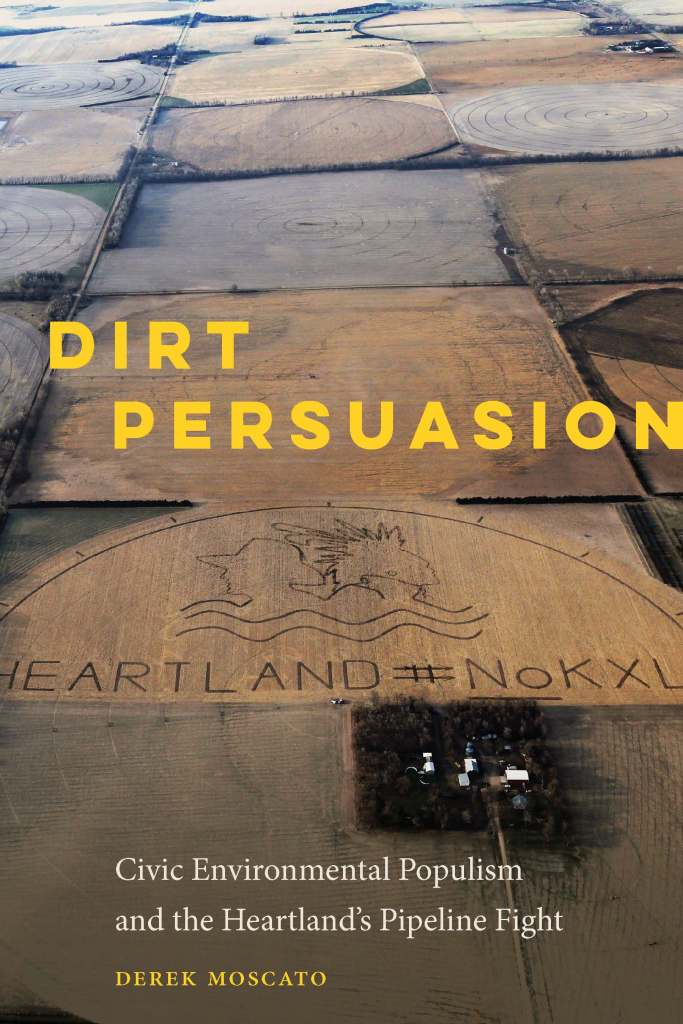
Dirt Persuasion by Derek Moscato. Dirt Persuasion examines a watershed moment in U.S. environmental politics: the fight over the Keystone XL Pipeline. The complex interplay of resources extraction industries with grassroots environmentalism and advocacy has transformed the role of activists in the contemporary public sphere. Bold Nebraska’s years-long fight against pipeline company TransCanada provides a compelling case study: a contemporary state-level organization that simultaneously challenged political and business leaders in its home state of Nebraska, at the national level in the United States, and in the foreign jurisdiction of Canada.
Hydronarratives by Matthew S. Henry. Hydronarratives examines cultural representations that imagine a just transition, a concept rooted in the U.S. labor and environmental justice movements to describe an alternative economic paradigm predicated on sustainability, economic and social equity, and climate resilience. Focused on regions of water insecurity, from central Arizona to central Appalachia, Henry explores how writers, artists, and activists have creatively responded to intensifying water crises in the United States and argues that narrative and storytelling are critical to environmental and social justice advocacy.
Sports and Aging edited by Gerald R. Gems. In Sports and Aging a wide-ranging group of physically active people, including many scholar-athletes, fifty years and older, discuss sports in the context of aging and their own athletic experiences. This collection of personal accounts includes a spectrum of contributors across genders, social classes, and racial, ethnic, national, religious, and educational backgrounds to determine whether there are any common characteristics that can promote long, happy, healthy, and meaningful lifespans.
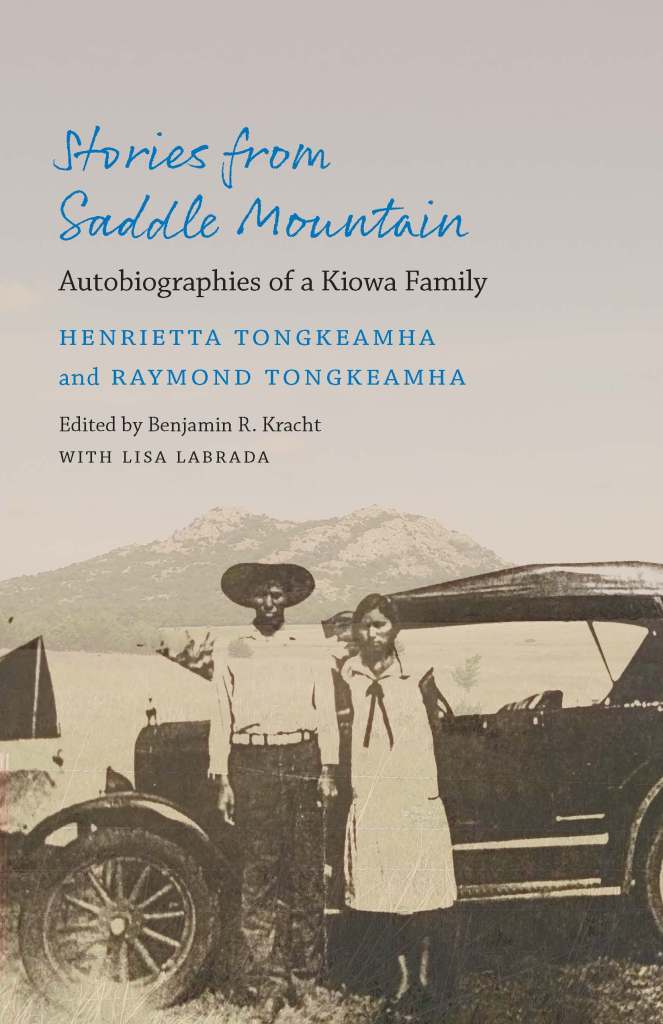
Stories from Saddle Mountain by Henrietta Tongkeamha and Raymond Tongkeamha. Stories from Saddle Mountain recounts family stories that connected the Tongkeamhas, a Kiowa family, to the Saddle Mountain community for more than a century. Henrietta Apayyat (1912–93) grew up and married near Saddle Mountain, where she and her husband raised five sons and five daughters. She began penning her memoirs in 1968 whereas her son Raymond Tongkeamha left frequently and wandered farther. Both experienced the transformation from having no indoor plumbing or electricity to having radios, televisions, and JCPenney. Together, their autobiographies illuminate dynamic changes and steadfast traditions in twentieth-century Kiowa life in the Saddle Mountain countryside.
The Places of Modernity in Early Mexican American Literature, 1848–1948 by José F. Aranda Jr. describes the first one hundred years of Mexican American literature. He argues for the importance of interrogating the concept of modernity in light of what has emerged as a canon of earlier pre-1968 Mexican American literature. In order to understand modernity for diverse communities of Mexican Americans, he contends, one must see it as an apprehension, both symbolic and material, of one settler colonial world order giving way to another more powerful colonialist but imperial vision of North America.
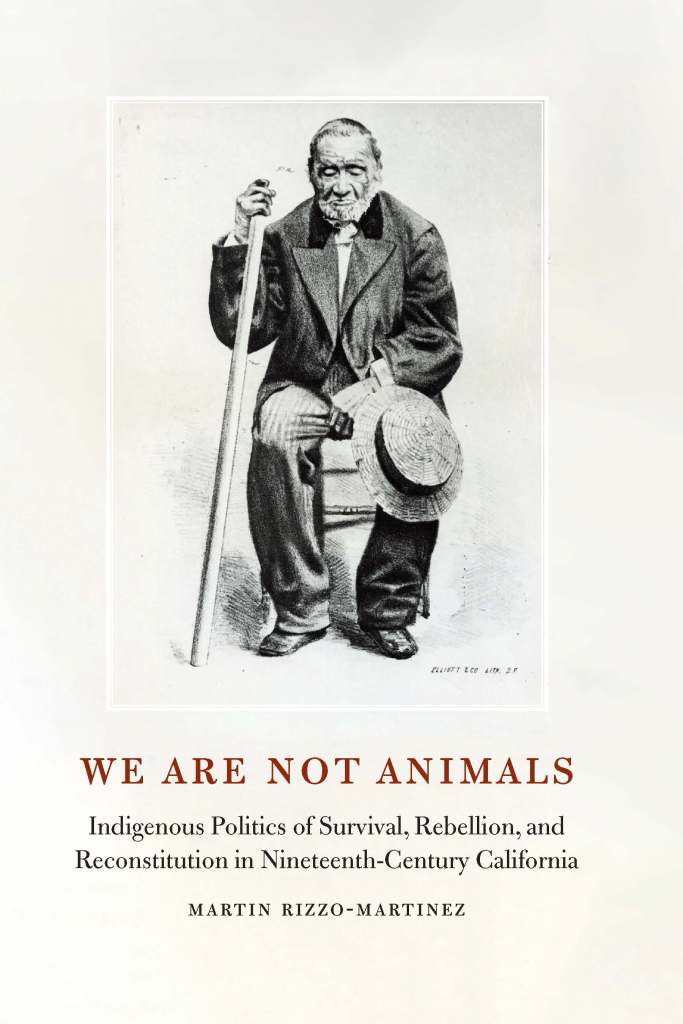
We Are Not Animals by Martin Rizzo-Martinez. By examining historical records and drawing on oral histories and the work of anthropologists, archaeologists, ecologists, and psychologists, We Are Not Animals sets out to answer questions regarding who the Indigenous people in the Santa Cruz region were and how they survived through the nineteenth century.
To view the full list, sign up for Choice‘s newsletter here.
 UNP blog