
March is Women’s History Month. The National Women’s History Alliance has announced that the women’s history theme for 2024 is “Women Who Advocate for Equity, Diversity and Inclusion.” The theme recognizes women throughout the country who understand that, for a positive future, we need to eliminate bias and discrimination entirely from our lives and institutions.
From a tale of twin sisters challenging gender roles in 1950s India to the biography of a Jim Crow-era civil rights pioneer, the University of Nebraska Press has a book for you to enjoy this month.
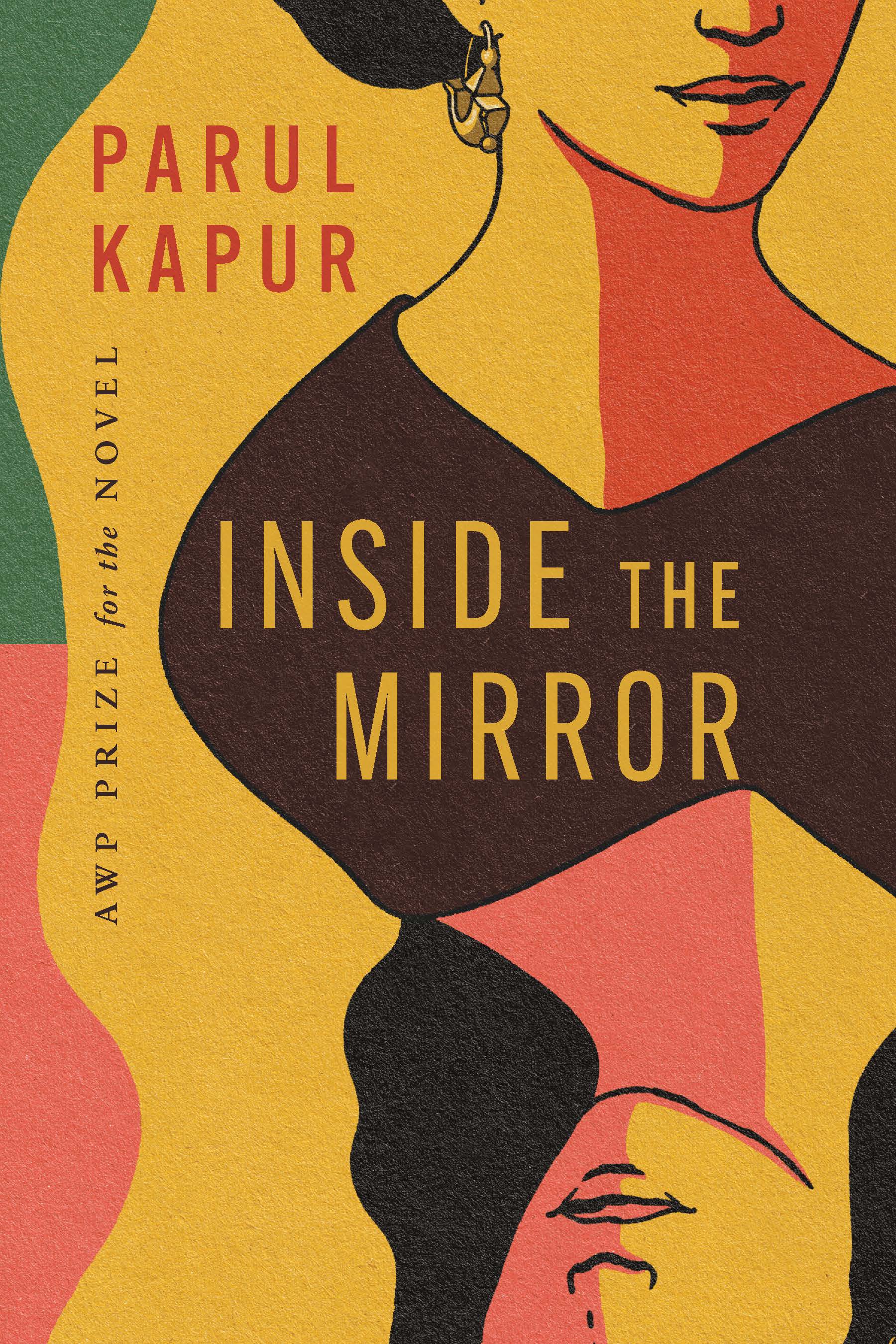
Inside the Mirror
PARUL KAPUR
In 1950s Bombay, Jaya Malhotra studies medicine at the direction of her father, a champion of women’s education who assumes the right to choose his daughters’ vocations. A talented painter drawn to the city’s dynamic new modern art movement, Jaya is driven by her desire to express both the pain and extraordinary force of life of a nation rising from the devastation of British rule. Her twin sister, Kamlesh, a passionate student of Bharata Natyam dance, complies with her father’s decision that she become a schoolteacher while secretly pursuing forbidden dreams of dancing onstage and in the movies.
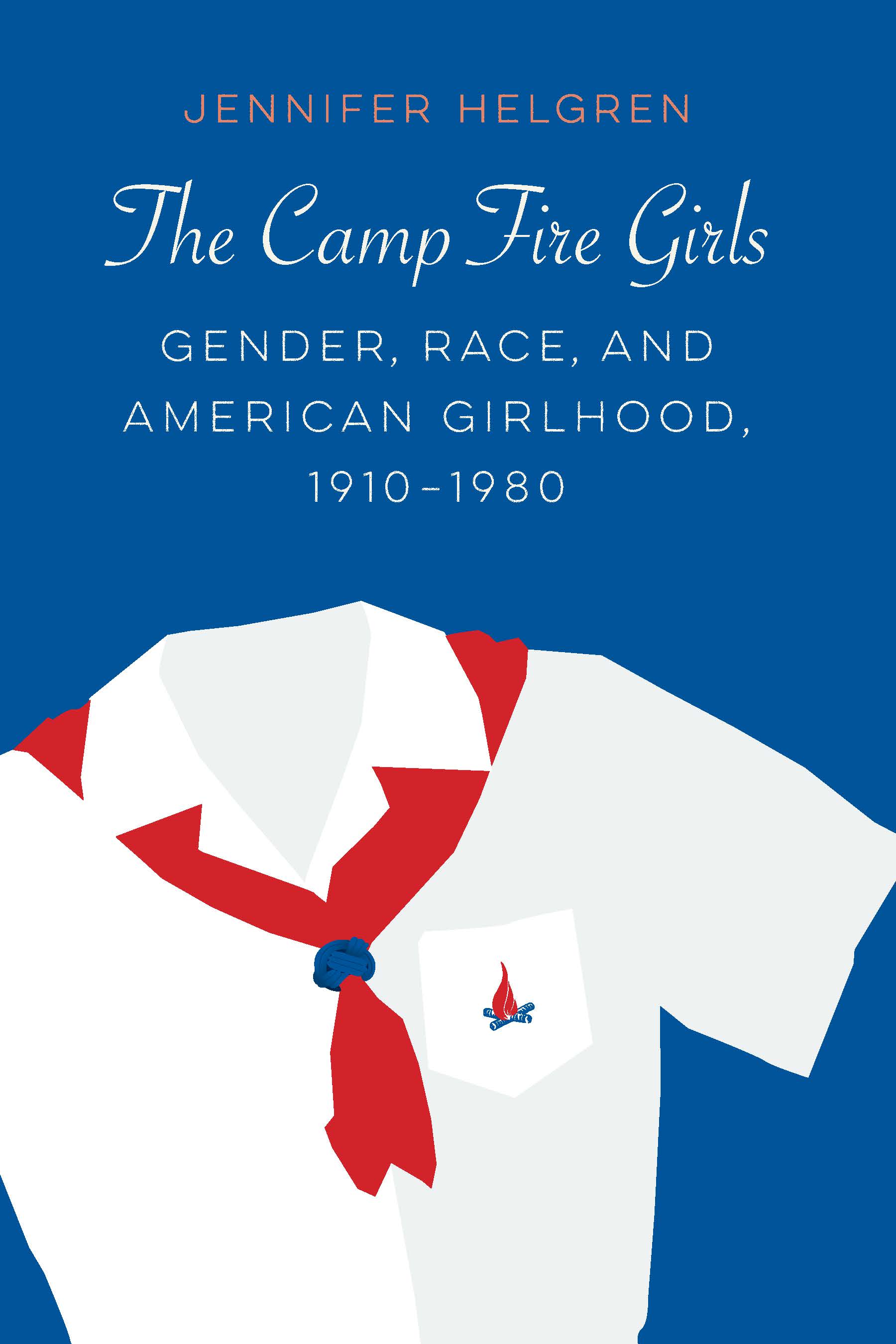
The Camp Fire Girls
JENNIFER HELGREN
A corollary to the Boy Scouts of America, the Camp Fire Girls became America’s first and, for two decades, most popular girls’ organization. Based on Protestant middle-class ideals, the Camp Fire Girls invented new concepts of American girlhood by inviting disabled girls, Black girls, immigrants, and Native Americans to join. Though this often meant a false sense of cultural universality, in the girls’ own hands membership was often profoundly empowering and provided marginalized girls spaces to explore the meaning of their own cultures in relation to changes taking place in twentieth-century America.
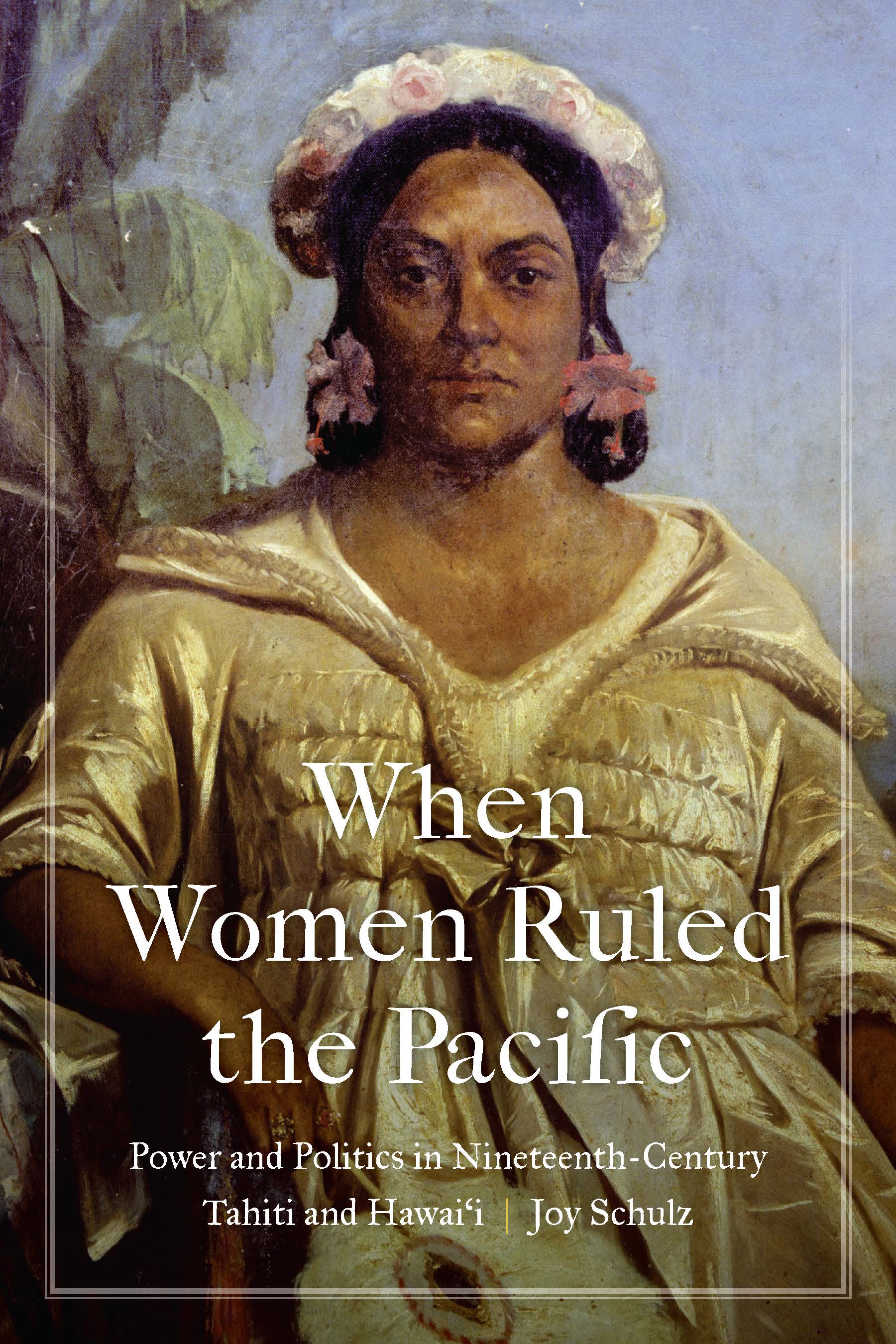
When Women Ruled the Pacific
JOY SCHULZ
In When Women Ruled the Pacific Joy Schulz highlights four Polynesian women rulers who held enormous domestic and foreign power and expertly governed their people amid shifting loyalties, outright betrayals, and the ascendancy of imperial racism. The queens’ successes have been lost in the archives as imperial histories and missionary accounts chose to tell different stories. In this first book to consider queenship and women’s political sovereignty in the Pacific, Schulz recenters the lives of the women rulers in the history of nineteenth-century international relations.
Diversifying Diplomacy
HARRIET LEE ELAM-THOMAS
Diversifying Diplomacy tells the story of Harriet Lee Elam-Thomas, a young black woman who beat the odds and challenged the status quo. Inspired by the strong women in her life, she followed in the footsteps of the few women who had gone before her in her effort to make the Foreign Service reflect the diverse faces of the United States. The youngest child of parents who left the segregated Old South to raise their family in Massachusetts, Elam-Thomas distinguished herself with a diplomatic career at a time when few colleagues looked like her.

Before Amelia
EILEEN F. LEBOW
Before Amelia is the remarkable story of the world’s women pioneer aviators who braved the skies during the early days of flight. Lebow provides excellent descriptions of the dangers and challenges of early flight. Crashes and broken bones were common, and many of the pioneers lost their lives. But these women were adventurers at heart. In an era when women’s professional options were severely limited and the mere sight of ladies wearing pants caused a sensation, these women succeeded as pilots, flight instructors, airplane designers, stunt performers, and promoters.

Forget I Told You This
HILARY ZAID
Amy Black, a queer single mother and an aspiring artist in love with calligraphy, dreams of a coveted artist’s residency at the world’s largest social media company, Q. One ink-black October night, when the power is out in the hills of Oakland, California, a stranger asks Amy to transcribe a love letter for him. When the stranger suddenly disappears, Amy’s search for the letter’s recipient leads her straight to Q and the most beautiful illuminated manuscript she has ever seen, the Codex Argentus, hidden away in Q’s Library of Books That Don’t Exist—and to a group of data privacy vigilantes who want her to burn Q to the ground.

She Can Bring Us Home
DIANE KIESEL
Long before it became the slogan of the presidential campaign for Barack Obama, Dorothy Ferebee (1898–1980) lived by the motto YES, WE CAN. An African American obstetrician and civil rights activist from Washington DC, she was descended from lawyers, journalists, politicians, and a judge. At a time when African Americans faced Jim Crow segregation, desperate poverty, and lynch mobs, she advised presidents on civil rights and assisted foreign governments on public health issues. Though articulate, visionary, talented, and skillful at managing her publicity, she was also tragically flawed.

Bury My Heart at Chuck E. Cheese’s
TIFFANY MIDGE
Bury My Heart at Chuck E. Cheese’s is a powerful and compelling collection of Tiffany Midge’s musings on life, politics, and identity as a Native woman in America. Artfully blending sly humor, social commentary, and meditations on love and loss, Midge weaves short, stand-alone musings into a memoir that stares down colonialism while chastising hipsters for abusing pumpkin spice.

Katie Gale
LLYN DE DANAAN
Katie Kettle Gale was born into a Salish community in Puget Sound in the 1850s, just as settlers were migrating into what would become Washington State. With her people forced out of their traditional hunting and fishing grounds into ill-provisioned island camps and reservations, Katie Gale sought her fortune in Oyster Bay. LLyn De Danaan tells the story of this strong-willed Native woman who cofounded a successful oyster business, then won the legal rights from her Euro-American husband, a man with whom she had raised children but who ultimately made her life unbearable.

The Women Who Built Omaha
EILEEN WIRTH
During the 1930s the Federal Writers’ Project described Omaha as a “man’s town,” and histories of the city have all but ignored women. However, women have played major roles in education, health, culture, social services, and other fields since the city’s founding in 1854. In The Women Who Built Omaha Eileen Wirth tells the stories of groundbreaking women who built Omaha, including Susette “Bright Eyes” LaFlesche, who translated at the trial of Chief Standing Bear; Mildred Brown, an African American newspaper publisher; Sarah Joslyn, who personally paid for Joslyn Art Museum; Mrs. B of Nebraska Furniture Mart; and the Sisters of Mercy, who started Omaha’s Catholic schools.

For further reading browse our Women’s History Month Sale.
 UNP blog
One thought on “Reading List: Women’s History Month”