April brings about many exciting things. Warmer weather, blooming nature, and great poetry! April is National Poetry Month and to celebrate, we’ve curated a list of some amazing works by our poets. So while you are stuck inside by the April showers, let these poems delight you until the May flowers bloom.
The Gathering of Bastards chronicles the movement of migrants as they navigate borders both internal and external. At the heart of these poems of vulnerability and sharp intelligence, the poet himself is the perpetual migrant embarked on forced journeys that take him across nations in West and North Africa, through Europe, and through American cities as he navigates the challenges of living through terror and loss and wrestles with the meaning of home.

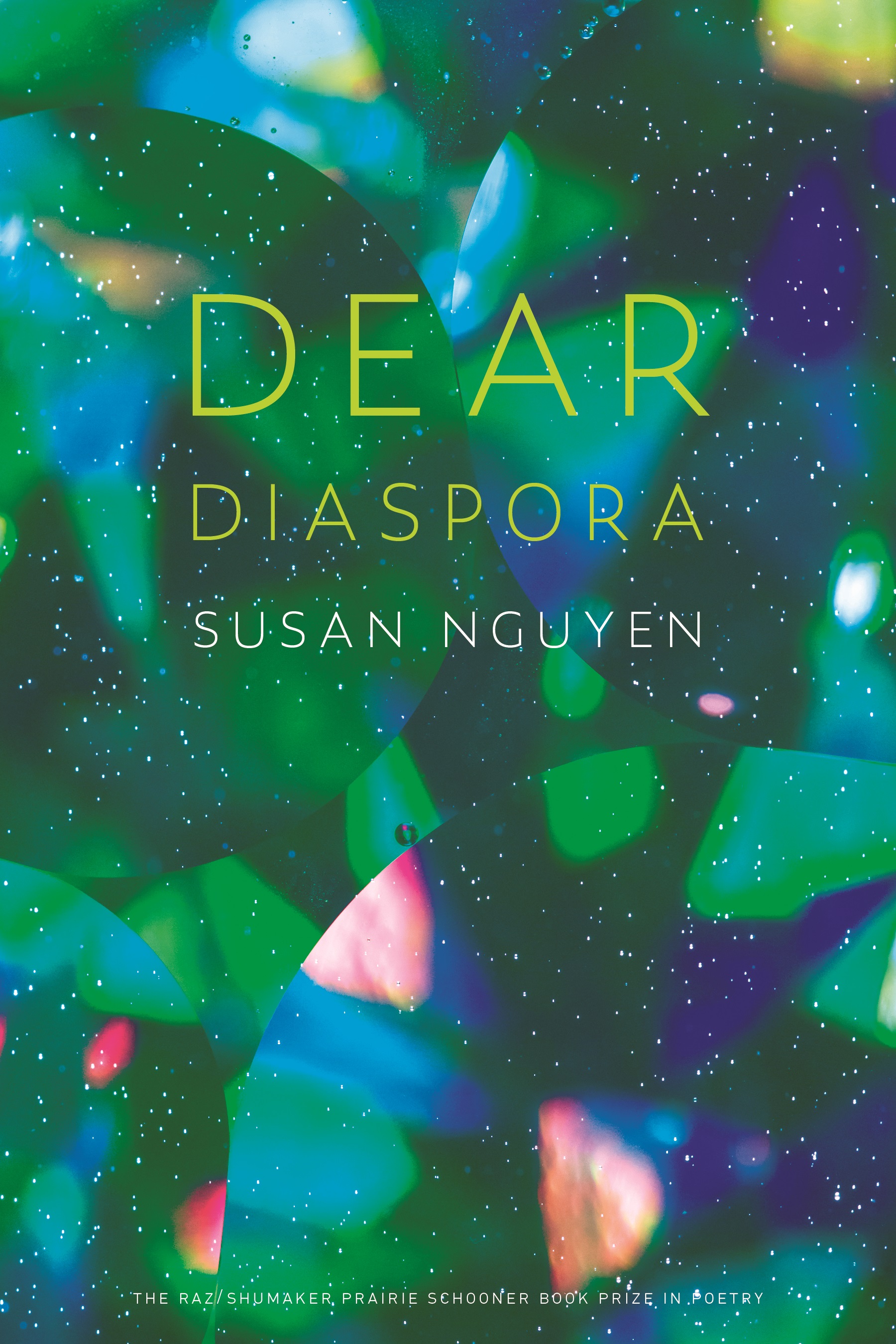
Dear Diaspora
SUSAN NGUYEN
Dear Diaspora is an unapologetic reckoning with history, memory, and grief. Parting the weeds on a small American town, this collection sheds light on the intersections of girlhood and diaspora. The poems introduce us to Suzi: ripping her leg hairs out with duct tape, praying for ecstasy during Sunday mass, dreaming up a language for buried familial trauma and discovering that such a language may not exist. Through a collage of lyric, documentary, and epistolary poems, we follow Suzi as she untangles intergenerational grief and her father’s disappearance while climbing trees to stare at the color green and wishing that she wore Lucy Liu’s freckles.
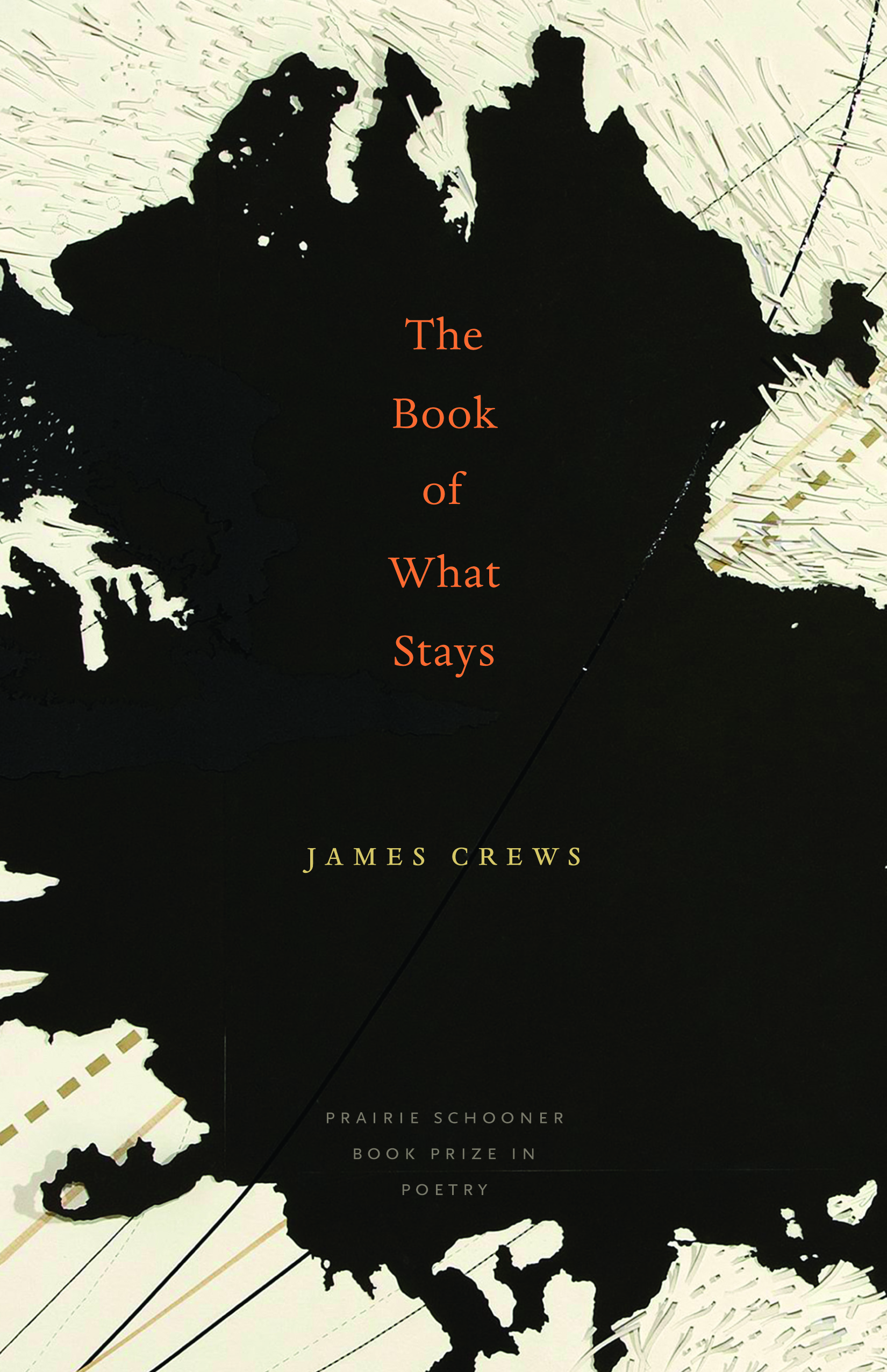
The Book of What Stays
JAMES CREWS
For any of us, what stays? For the arsonist’s wife who has not yet left? The devout saint trudging another mile in his nail-shoes? The lost couple in their dying moments in a Nebraska blizzard? The old woman who refuses to leave her home in Chernobyl? With an unflinching eye, James Crews gives us the forbidden love, forbidden unions, and secret lives that, whatever the loss, the attrition, the cost, we must acknowledge, must hold, must keep. And here, in Crews’ finely wrought, deeply felt poems, is their testimony.
Hard Damage
ARIA ABER
Invested in and suspicious of the pain of family and the shame of selfhood, the speakers of these richly evocative and musical poems mourn the magnitude of citizenship as a state of place and a state of mind. While Hard Damage is framed by free-verse poetry, the middle sections comprise a lyric essay in fragments and a long documentary poem. Aber explores Rilke in the original German, the urban melancholia of city life, inherited trauma, and displacement on both linguistic and environmental levels, while employing surrealist and eerily domestic imagery.

Butterfly Nebula
LAURA REECE HOGAN
Winner of the Backwaters Prize in Poetry, Butterfly Nebula reaches from the depths of the sea to the edges of space to chart intersections of the physical universe, the divine, the human, and the constantly unfolding experience of being “one thing in the act of becoming another.” This collection of poems teems with creatures and cosmic phenomena that vivify and reveal our common struggle toward faith and identity.

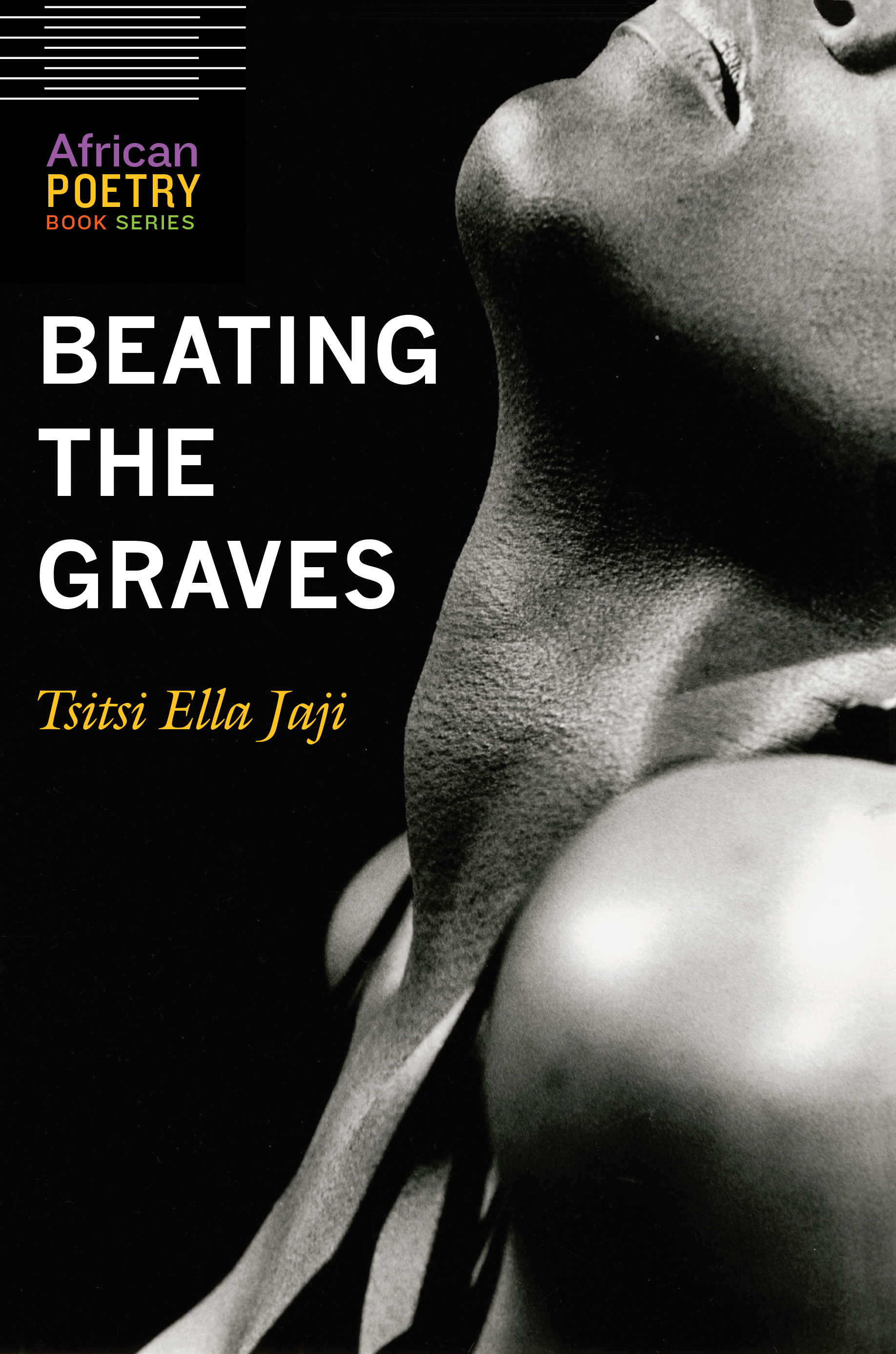
Beating The Graves
TSITSI ELLA JAJI
The poems in Tsitsi Ella Jaji’s Beating the Graves meditate on the meaning of living in diaspora, an experience increasingly common among contemporary Zimbabweans. Vivid evocations of the landscape of Zimbabwe filter critiques of contemporary political conditions and ecological challenges, veiled in the multiple meanings of poetic metaphor. Many poems explore the genre of praise poetry, which in Shona culture is a form of social currency for greeting elders and peers with a recitation of the characteristics of one’s clan. Others reflect on how diasporic life shapes family relations.
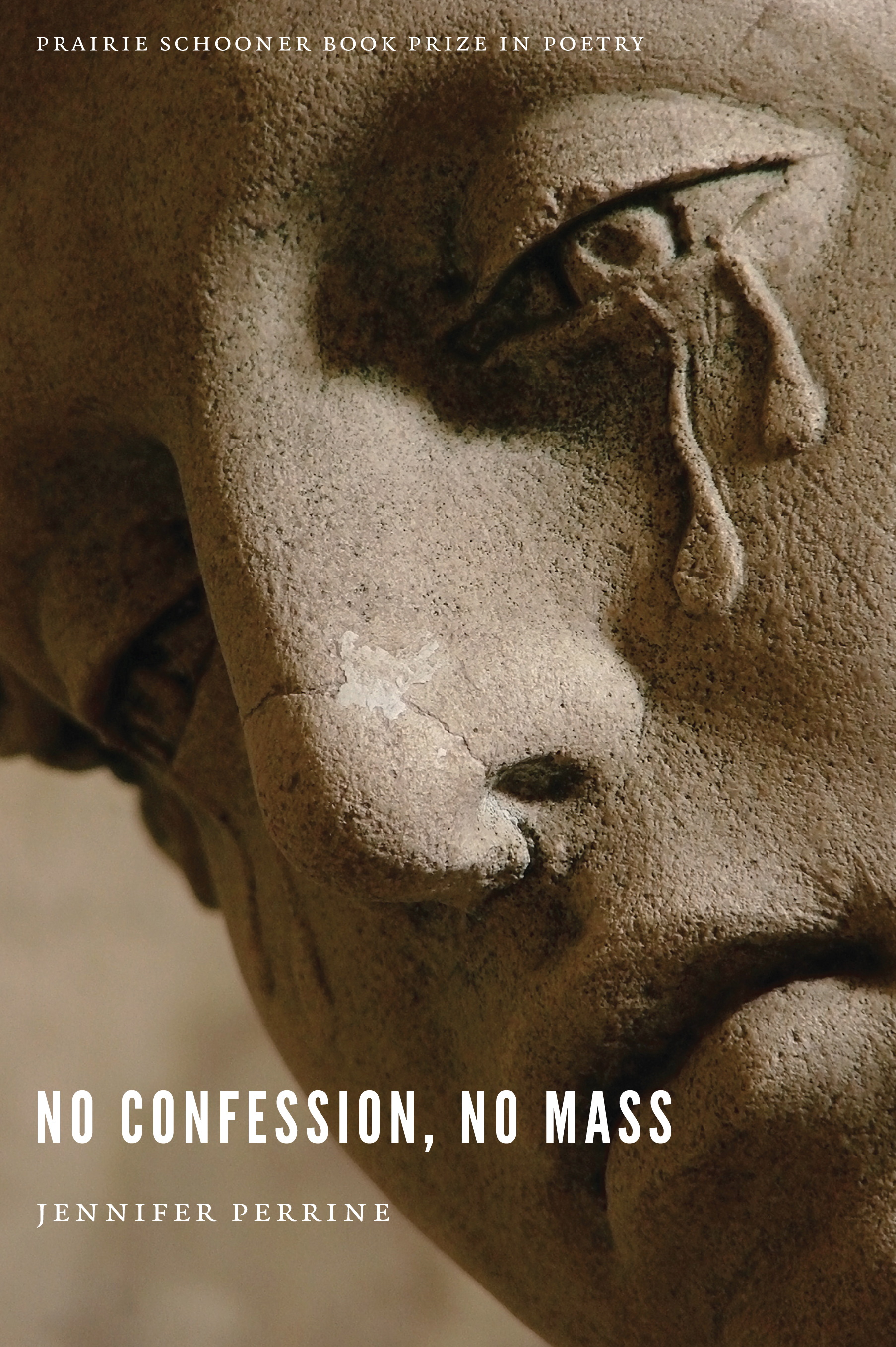
No Confession, No Mass
JENNIFER PERRINE
Jennifer Perrine’s poems ask what healing might be possible in the face of sexual and gendered violence worldwide—in New Delhi, in Steubenville, in Juárez, and in neighborhoods and homes never named in the news. The book reflects on our own complicity in violence, “not confessing, but unearthing” former selves who were brutal and brutalized—and treating them with compassion. As the poems work through these seeming paradoxes, they also find joy, celebrating transformations and second chances, whether after the failure of a marriage, the return of a reluctant soldier from war, or the everyday passage of time.
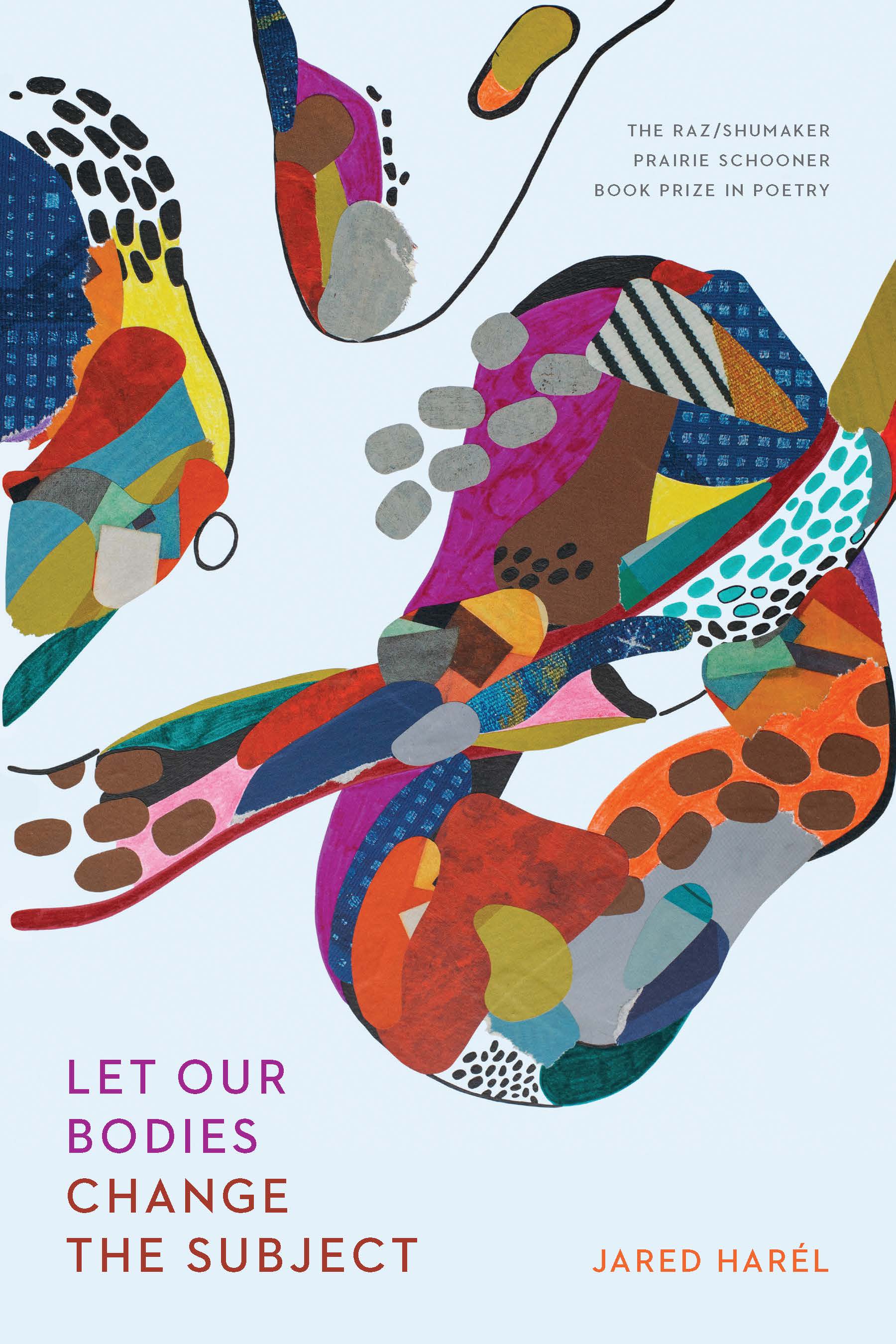
Let Our Bodies Change the Subject
JARED HARÉL
Let Our Bodies Change the Subject is a poetry collection that dives headlong into the terrifying, wondrous, sleep-deprived existence of being a parent in twenty-first-century America. In clear, dynamic verses that disarm then strike, Jared Harél investigates our days through the keyhole of domesticity, through personal lyrics and cultural reckonings. Whether taking a family trip to Coney Island or simply showing his son snowflakes on Inauguration morning, Harél guides us toward moments of intimacy and understanding, humor and grief.
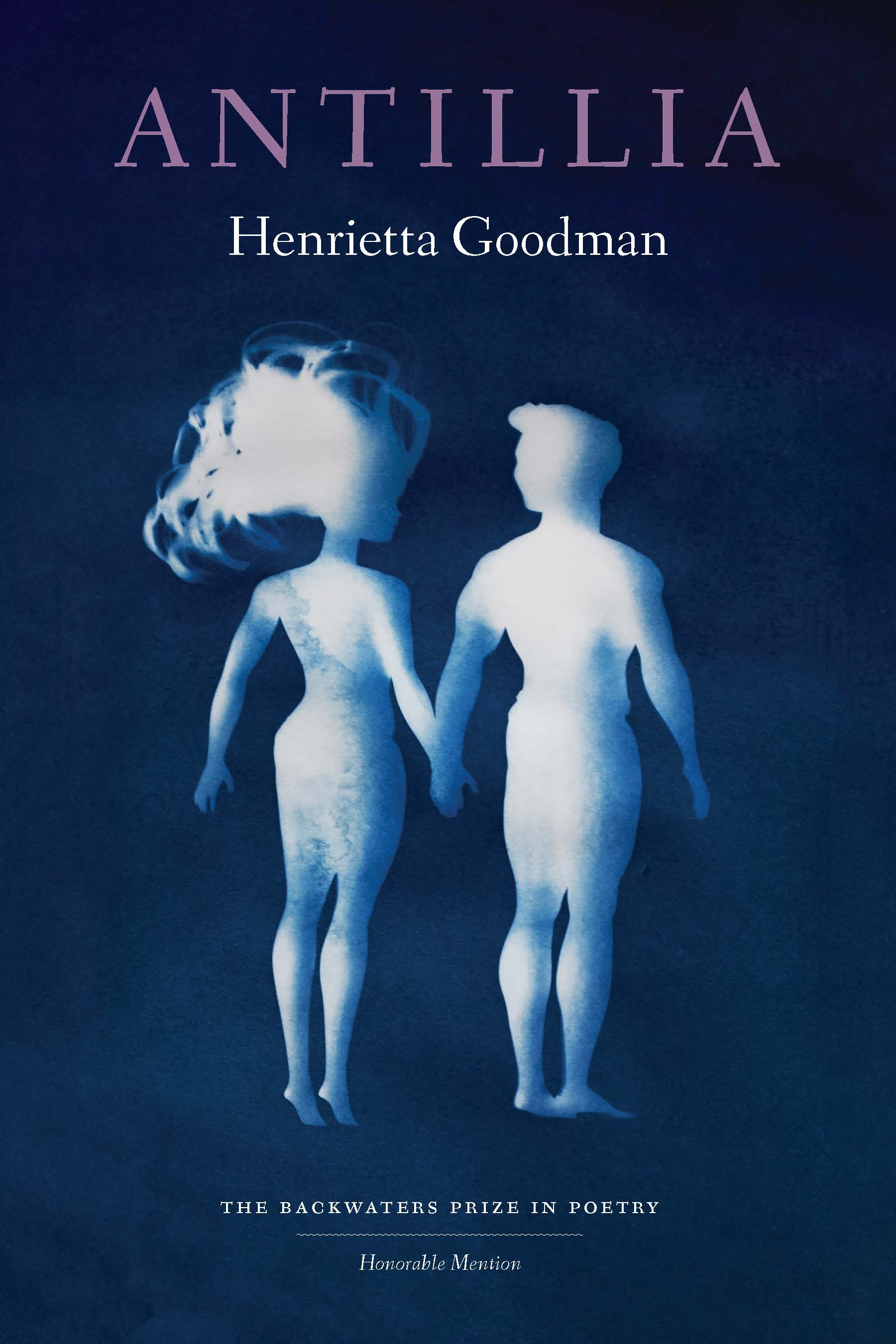
Antillia
HENRIETTA GOODMAN
The title poem of this collection refers to the phantom island of Antillia, included on maps in the fifteenth century but later found not to exist. The ghosts that haunt this collection are phantom islands, moon lakes, lasers used to clean the caryatids at the Acropolis, earlier versions of the self, suicides, a madam from the Old West, petroleum, snapdragons, pets, ice apples, Casper, and a “resident ghost” who makes the domestic realm of “the cradle and the bed” uninhabitable. Although memories pervade this collection, these poems also look forward and outward into a world where social inequality and environmental disaster meet the possibility of metamorphosis.
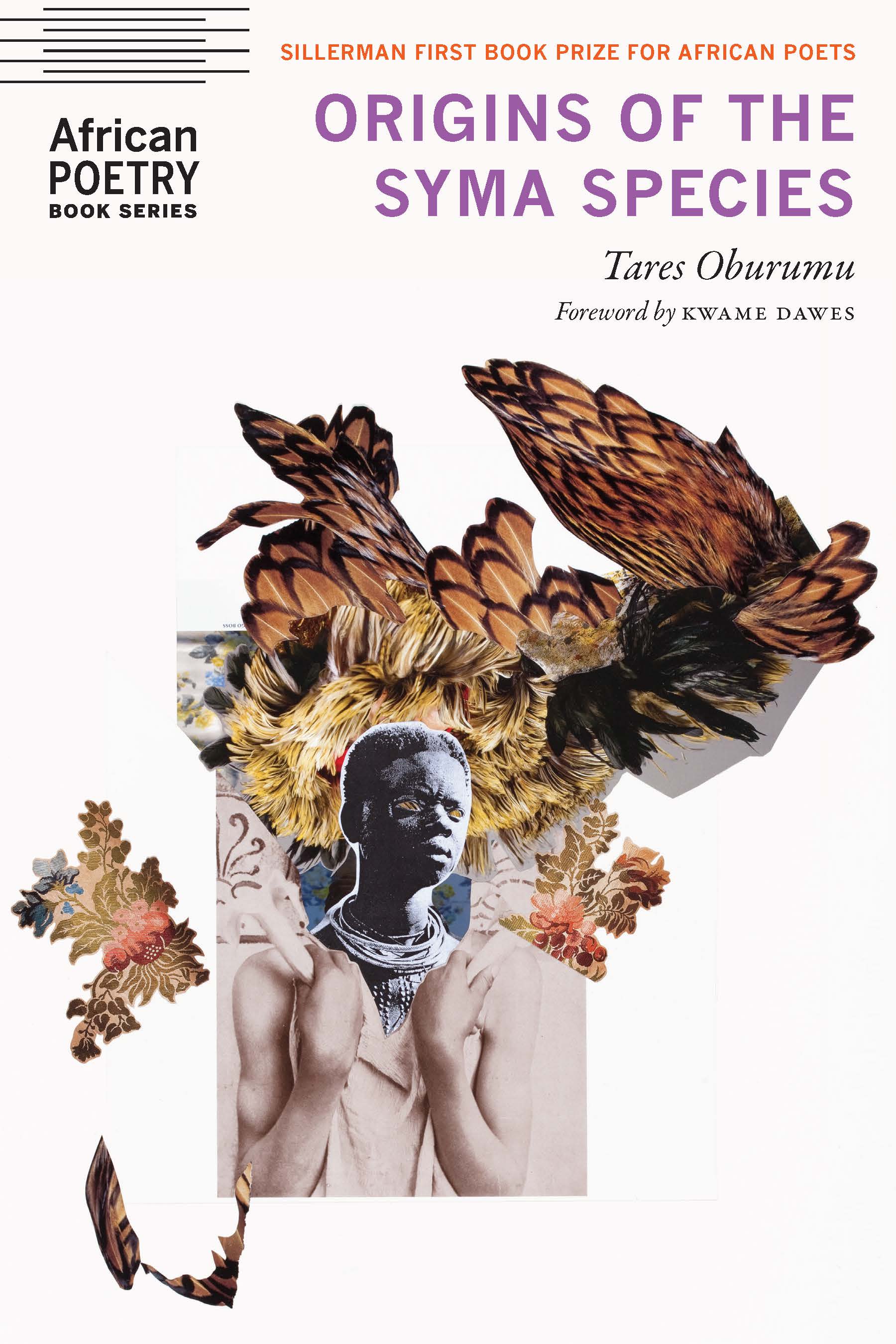
Origins of the Syma Species
TARES OBURUMU
Winner of the Sillerman First Book Prize for African Poets, Tares Oburumu’s collection is a brief history of where he came from: Syma, a neglected oil-producing region of Nigeria. After growing up with a single mother in the creek- and brook-marked region, and himself now a single parent, Oburumu examines single parenthood and how love defines family circles. Mixing music, religion, and political critique, Origins of the Syma Species evokes pasts and futures.
For further reading, check out last year’s National Poetry Month Reading List or our Summer Poetry Reading List.
 UNP blog