
The University of Nebraska Press is excited to join the American Literary Translators Association (ALTA) in celebrating literary translation this May. Annually, the ALTA hosts Write the World, a series of virtual panels on all aspects of translation. This year the event will be held on May 21.
To celebrate the leadup to Write the World, we’re participating in the Read the World social media book fair to highlight the latest in translated titles at Nebraska. From May 13-21, check out the #ReadtheWorld hashtag to see translated books from several publishers. We’ve compiled a list of books to start with below!
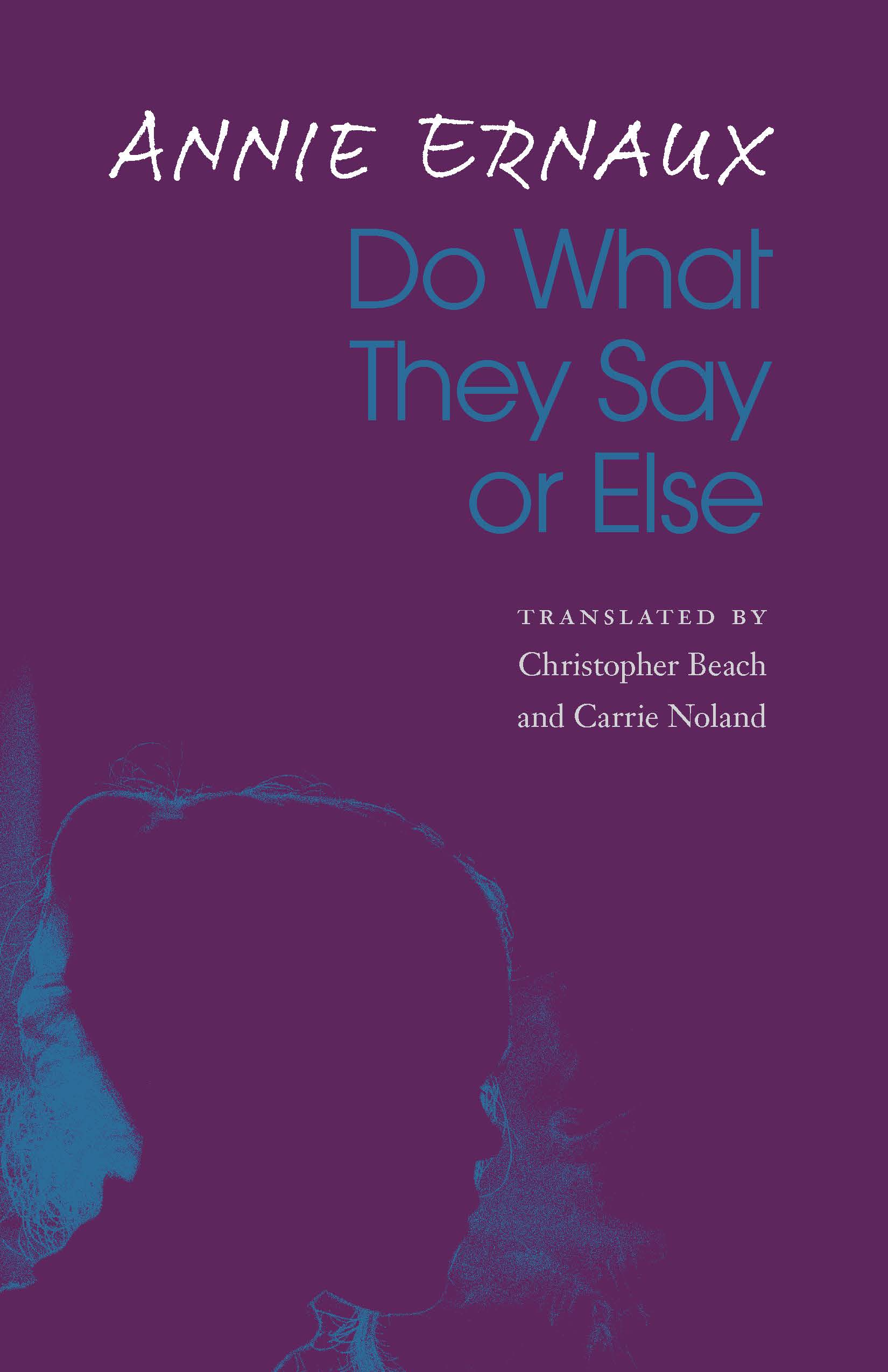
Do What They Say or Else
ANNIE ERNAUX
Translated by Christopher Beach and Carrie Noland
Set in a small town in Normandy, France, the novel tells the story of a fifteen-year-old girl named Anne, who lives with her working-class parents. Not only must she navigate the often-confusing signals she receives from boys, but she also finds herself moving further and further away from her parents as she surpasses their educational level and worldview.
In Mahagony, Glissant identifies both the malaise of and the potential within Martinican society through a powerful collective narrative of geographic identity explored through multiple narrators. These characters’ lives are viewed back and forth over centuries of time and through tales of resistance, linked always by the now-ancient mahogany tree.

Contra Instrumentalism
LAWRENCE VENUTI
Contra Instrumentalism questions the long-accepted notion that translation reproduces or transfers an invariant contained in or caused by the source text. This “instrumental” model of translation has dominated translation theory and commentary for more than two millennia. Contra Instrumentalism aims to end the dominance of instrumentalism by showing how it grossly oversimplifies translation practice and fosters an illusion of immediate access to source texts.

Modern Sudanese Poetry
EDITED AND TRANSLATED BY ADIL BABIKIR
Spanning more than six decades of Sudan’s post-independence history, this collection features work by some of Sudan’s most renowned modern poets, largely unknown in the United States. Translated from Arabic, the collection addresses a wide range of themes—identity, love, politics, Sufism, patriotism, war, and philosophy—capturing the evolution of Sudan’s modern history and cultural intersections.

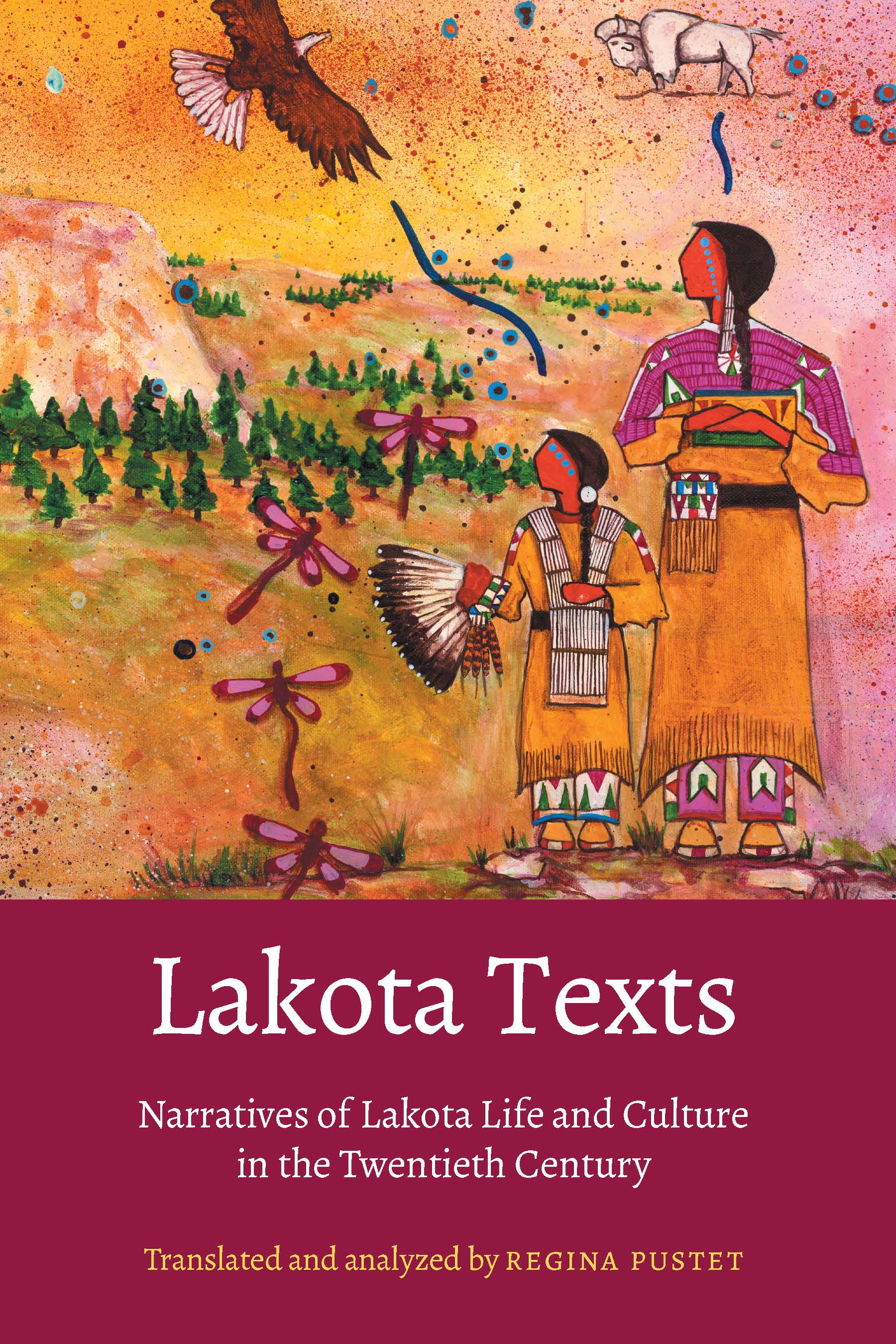
Lakota Texts
TRANSLATED BY REGINA PUSTET
Lakota Texts is a treasure trove of stories told in the original language by modern Lakota women who make their home in Denver, Colorado. Sometimes witty, often moving, and invariably engaging and fascinating, these stories are both autobiographical and cultural. The stories present personal experiences along with lessons the women have learned or were taught about Lakota history, culture, and legends. The women share aspects of their own lives, including such rituals as powwows, the sweatlodge, and rites of puberty.
The World of Yesterday
STEFAN ZWEIG
Translated by Anthea Bell
Written as both a recollection of the past and a warning for future generations, The World of Yesterday recalls the golden age of literary Vienna—its seeming permanence, its promise, and its devastating fall. Surrounded by the leading literary lights of the epoch, Stefan Zweig draws a vivid and intimate account of his life and travels through Vienna, Paris, Berlin, and London, touching on the very heart of European culture. His passionate, evocative prose paints a stunning portrait of an era that danced brilliantly on the edge of extinction.

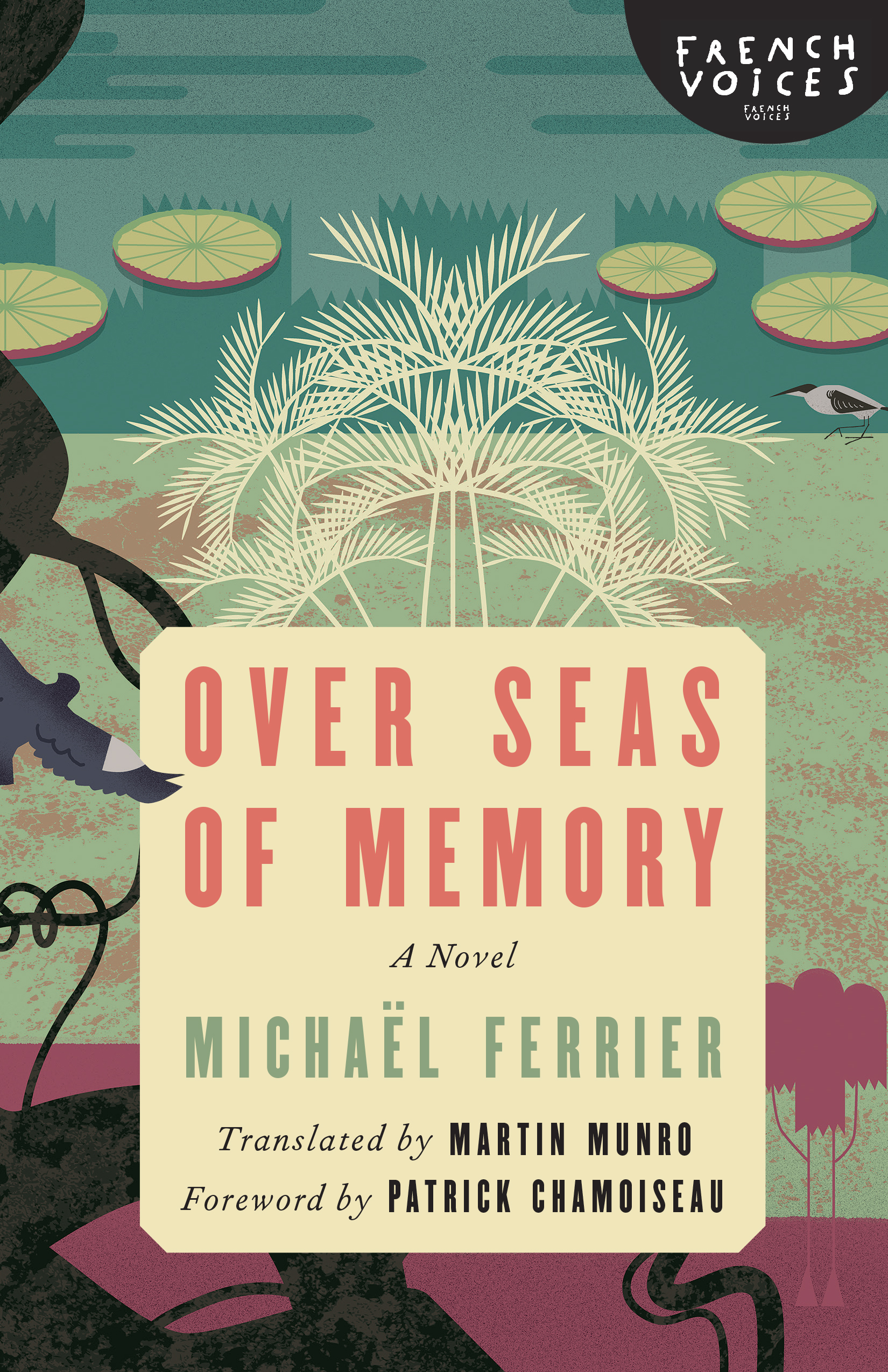
Based loosely on the author’s life, this novel recounts the narrator’s journey following the footsteps of his Mauritius-born grandfather, Maxime, who abruptly boarded a boat bound for Madagascar in 1922 and never returned. Michaël Ferrier tells a tale of discovery as well as the elusive, colorful story of Maxime’s life in Madagascar, which included a stint as an acrobat in a traveling circus and, later, as a diver and artist on marine expeditions. Over Seas of Memory weaves personal stories with the island’s history.
There Where It’s So Bright in Me pries at the complexities of difference—race, religion, gender, nationality—that shape twenty-first-century geopolitical conditions. What would it mean for the borders that segregate—for these social, political, cultural, personal, and historicizing forces that enshroud us—to lose their dominion? In a body under constant threat, how does the human spirit stay afloat? Tanella Boni’s poetry is characterized by a hard-earned buoyancy, given her subject matter. Her empathy, insight, and plainspoken address are crucial contributions to the many difficult contemporary conversations we must engage.

This meditative novel unfolds as the journal of a bourgeois chemist who makes his way in Buenos Aires just before and during the Spanish Civil War. Tracing his relationship with three women, Santiago Hernández explores the power of his own intentions and the limits of human reason. His introspective experiment, set against the background of world-altering events, documents the workings of a self-absorbed mind speculating on the inseparability of self and circumstance and is a brilliant enactment of how, from such tensions, narrative emerges.

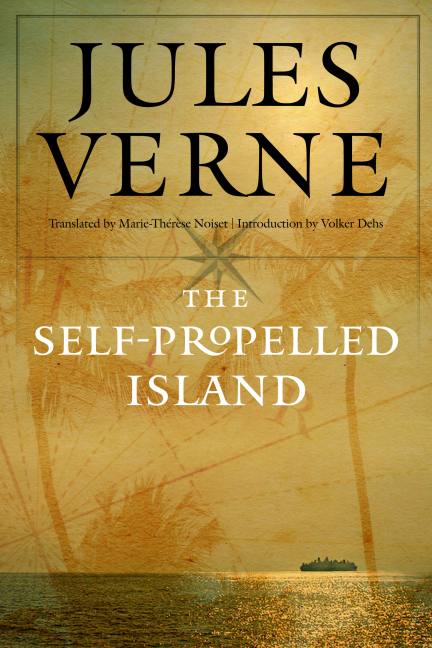
The Self-Propelled Island features a famous French string quartet that is abducted by an American businessman and taken to Standard Island to perform for its millionaire inhabitants. The quartet soon discovers that Standard Island is not an island at all, but an immense, futuristic ship possessing all the features of an idyllic haven. The French quartet is witness to the rivalry that exists between the two most powerful families onboard, a rivalry that keeps the future of the island balancing on the edge of a knife.
For further reading, check out our Women in Translation Reading List.
 UNP blog