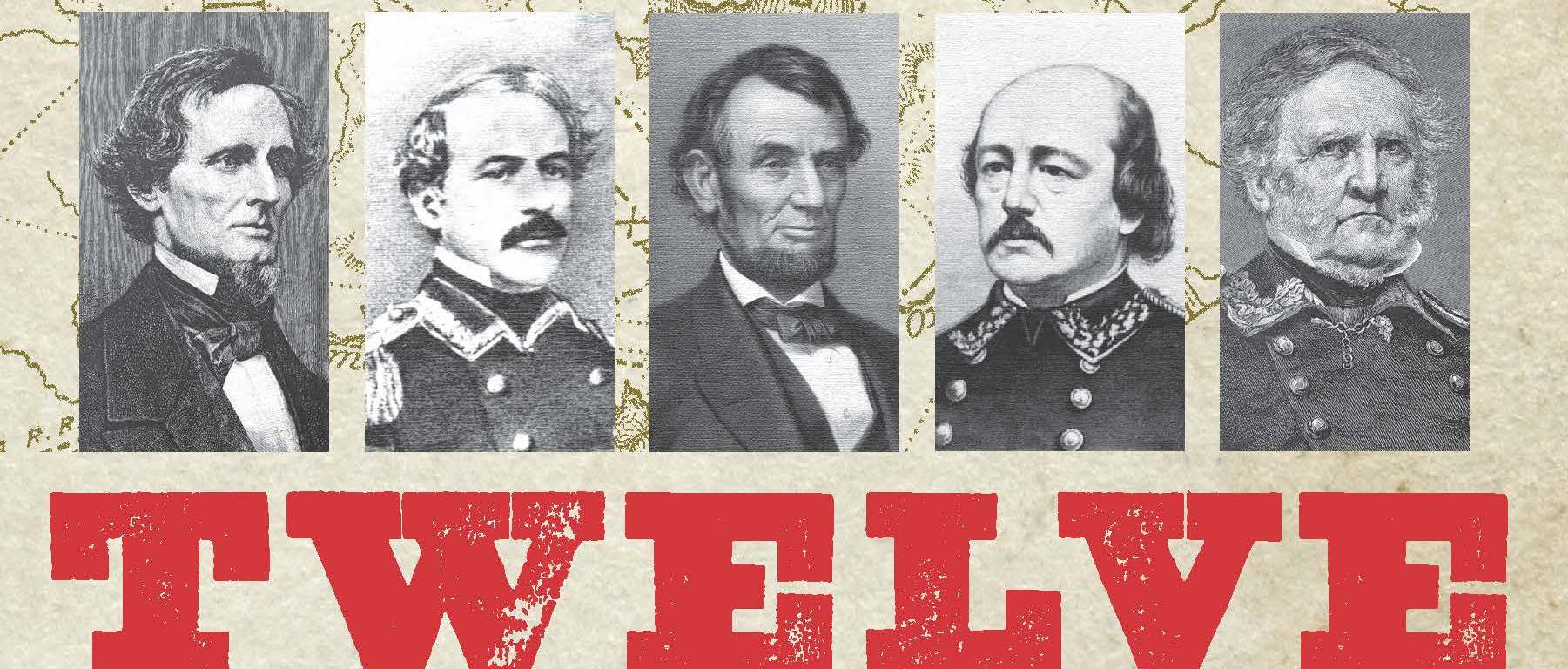
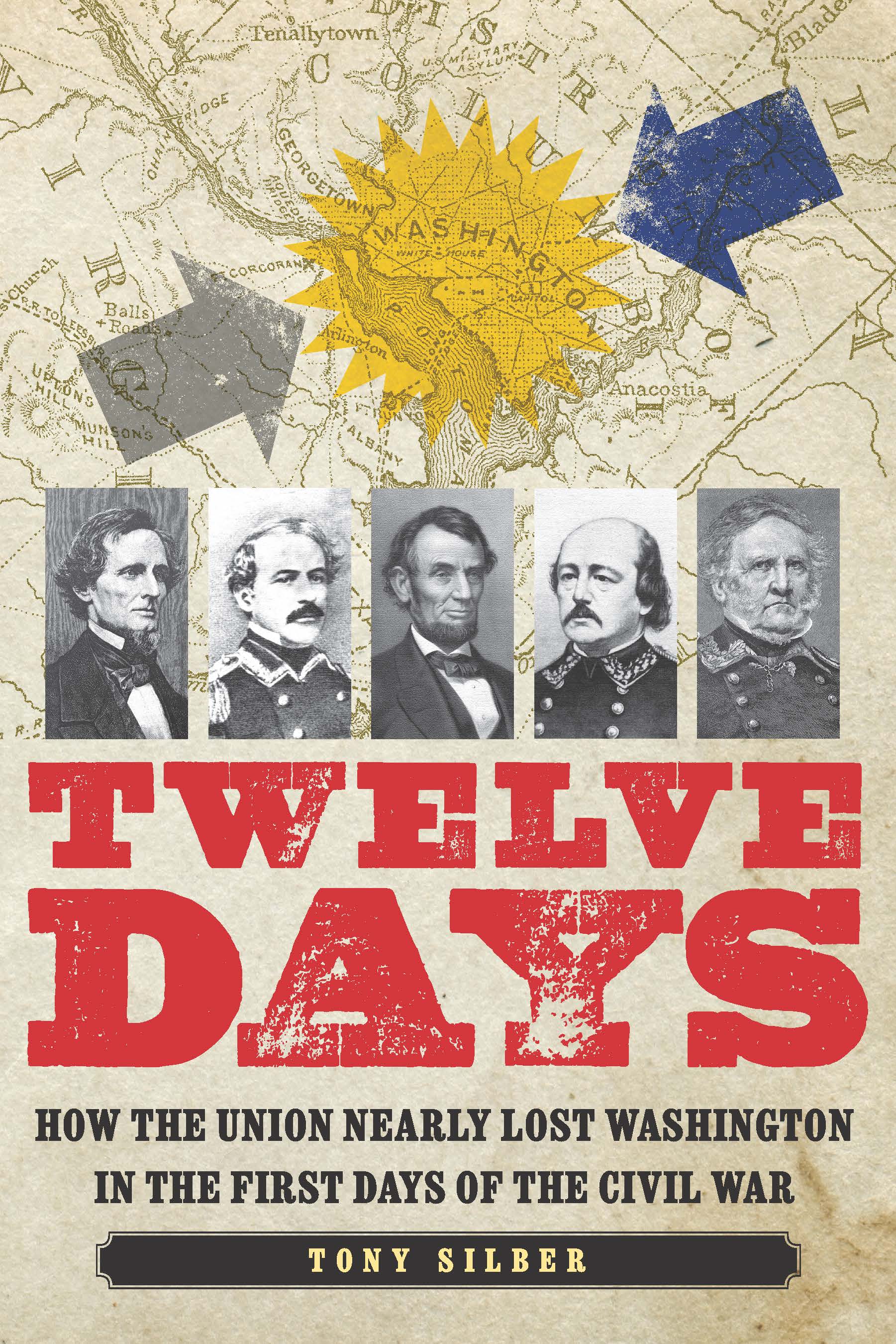
Book Birthdays celebrate one year of a book’s life in social media posts, reviews, and more. This month we’re saying Happy First Book Birthday to Twelve Days: How the Union Nearly Lost Washington in the First Days of the Civil War (Potomac Books, 2023) by Tony Silber.
About the Book:
In the popular literature and scholarship of the Civil War, the days immediately after the surrender at Fort Sumter are overshadowed by the great battles and seismic changes in American life that followed. The twelve days that began with the federal evacuation of the fort and ended with the arrival of the New York Seventh Militia Regiment in Washington were critically important. The nation’s capital never again came so close to being captured by the Confederates.
A Word from the Author:
It’s been gratifying to see this work published and successful. Twelve Days covers an overlooked period during the Civil War but is cinematic in its level of drama. Washington D.C., the capital of a powerful nation, is cut off from the loyal states for six excruciating days. President Abraham Lincoln is a novice, only seven weeks into his term. Rumors of an attack on the city are everywhere, and for good reason.
Washington is a Southern city, and if Maryland were to secede, it would place the United States capital far behind enemy lines in a would-be foreign country. And Maryland was teetering on secession, with Baltimore engulfed in violence. If Maryland seceded, or the capital had to be abandoned, then the British might have chosen to recognize the Confederacy. The stakes were high and the risk was real.
I wanted to put my readers on the scene, as though they were themselves in 1861, and the reviews prove out my intent. I got many great reviews, including several from readers on Amazon.
Other stellar reviews came from the authoritative website Emerging Civil War; the “History Shelf” blog; from the gold standard of Civil War media, The Civil War Monitor; from ARMY Magazine; the military history website StrategyPage; Publishers Weekly; Shepherd Express, and more.
In the process, I learned about researching a book—I decided early on that every individual fact in the 110,000 words of the manuscript would be meticulously sourced. I learned how to self-edit. I learned about the book business and securing an agent. I learned about persistence. Once I decided to do the book, there was no looking back.
I intend for Twelve Days to be the first of more books to come.
Reviews:
“How the city survived this period of peril is told by Silber in a deeply researched, propulsive narrative that puts the reader in company with ordinary citizens on the streets of an unsettled city. The result is a page-turning history of the highest order, peppered with insightful details that make clear these twelve April days were a period that could have profoundly altered the course of the war and the fate of the nations for years—if not decades—to come.”—Gordon Berg, The Civil War Monitor
“[Silber’s] work is a valuable addition to an often neglected part of the Civil War story.”—Doug Crenshaw, Emerging Civil War
“Silber explores the reasons for the Confederacy’s failure to capture the capital. His lively account details the often-prosaic reasons for the outcome, which amount to Southern slowness and the North’s greater speed.”—David Luhrssen, Shepherd Express
“Silber reflects on how things could have gone differently, especially if Virginia had seceded earlier and calls for immediately attacking the capital were heeded by Southern leaders. Civil War buffs will relish the wealth of new historical insights.”—Publisher’s Weekly
“Combining meticulous research, clear expository writing, and authoritative documentation, Silber offers a clear account of the events of this surprisingly overlooked period in the Civil War.”—David Marshall, NYMAS Review
“In examining the critical first two weeks of the war, Silber draws upon his journalistic background by exploring hundreds of contemporary sources written by actual participants, both at the time and in the decades following the war. The result is the intriguing story of the tense period that President Abraham Lincoln’s secretaries termed ‘an epoch in American history.’”—Col. Cole Kingseed, ARMY Magazine
 UNP blog