The Sealey Challenge is a community call to read one book of poetry a day during August. From chapbooks to full collections, the challenge encourages you to engage with diverse voices and share your reading experience online with the #SealeyChallenge hashtag.
If you’re planning on participating or looking for some not-to-be missed-poetry to add to your TBR, read on!
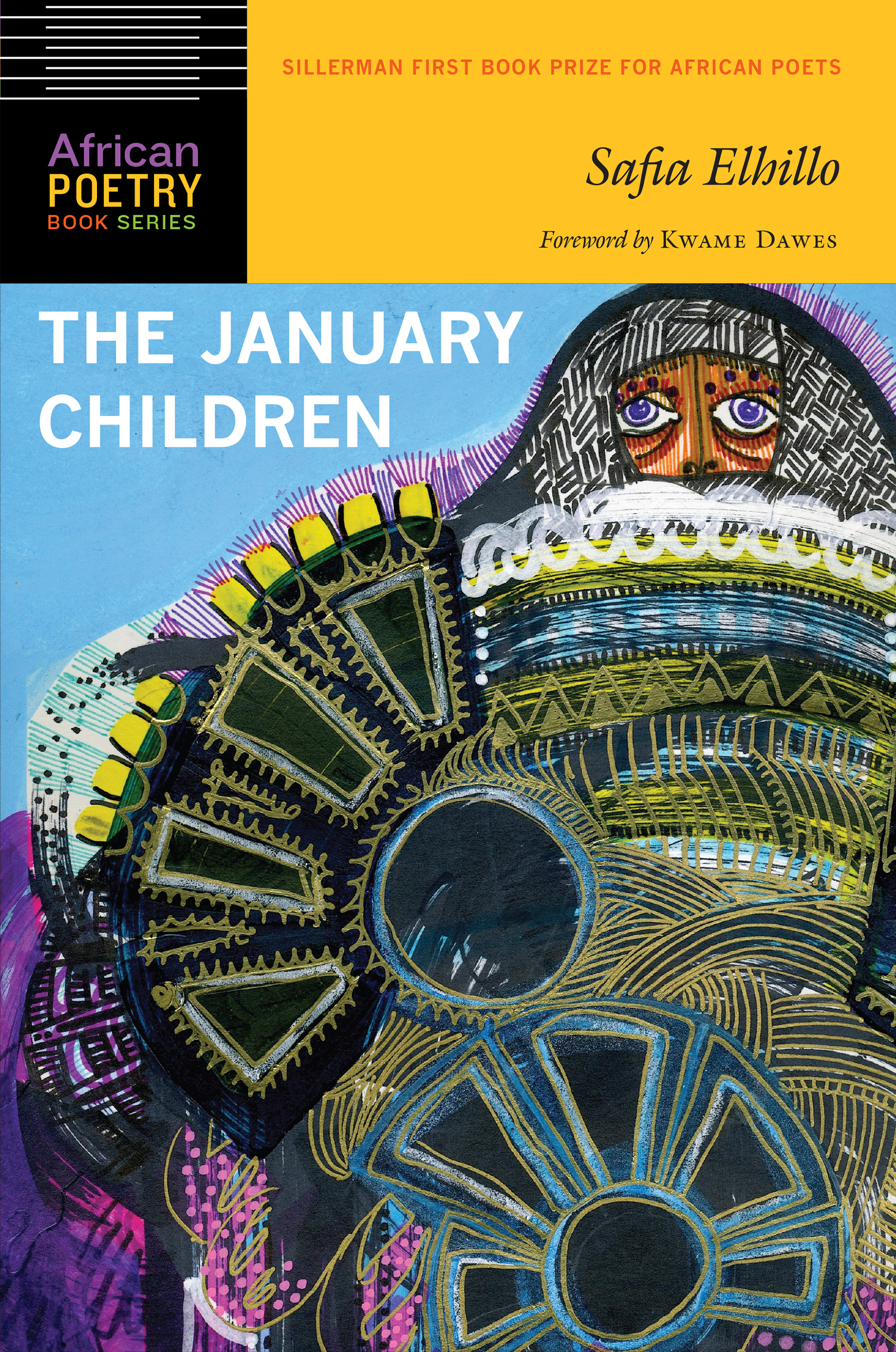
The January Children
SAFIA ELHILLO
“A taut debut collection of heartfelt poems.”—Publishers Weekly
In her dedication Safia Elhillo writes, “The January Children are the generation born in Sudan under British occupation, where children were assigned birth years by height, all given the birth date January 1.” What follows is a deeply personal collection of poems that describe the experience of navigating the postcolonial world as a stranger in one’s own land. The January Children depicts displacement and longing while also questioning accepted truths about geography, history, nationhood, and home.
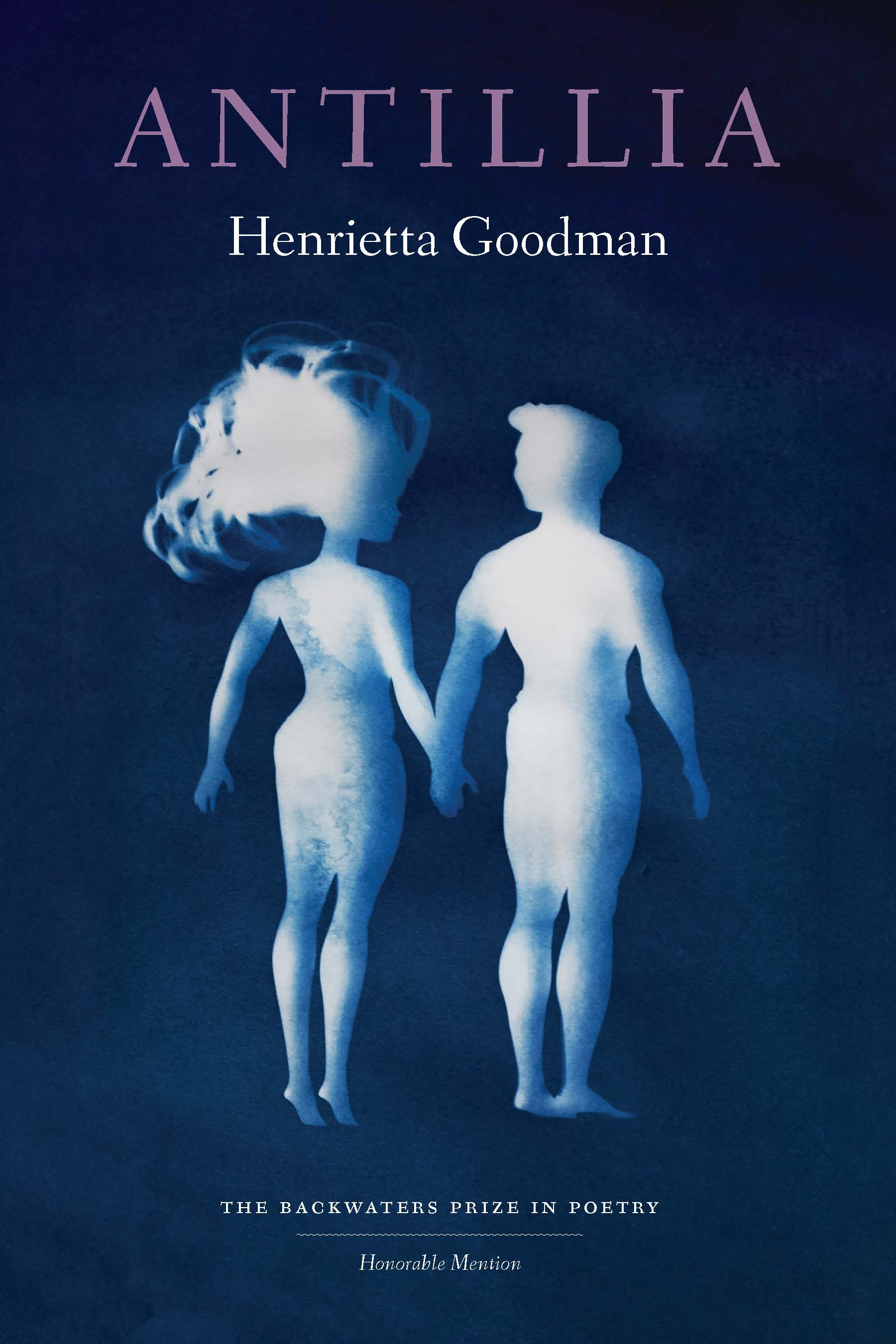
Antillia
HENRIETTA GOODMAN
Winner of the Backwaters Prize in Poetry Honorable Mention
The title poem of this collection refers to the phantom island of Antillia, included on maps in the fifteenth century but later found not to exist. The ghosts that haunt this collection are phantom islands, moon lakes, lasers used to clean the caryatids at the Acropolis, earlier versions of the self, suicides, a madam from the Old West, petroleum, snapdragons, pets, ice apples, Casper, and a “resident ghost” who makes the domestic realm of “the cradle and the bed” uninhabitable.
The Gathering of Bastards
ROMEO ORIOGUN
2024 National Book Critics Circle Award Finalist in Poetry
2024 Midwest Book Award Finalist in Poetry
The Gathering of Bastards chronicles the movement of migrants as they navigate borders both internal and external. At the heart of these poems of vulnerability and sharp intelligence, the poet himself is the perpetual migrant embarked on forced journeys that take him across nations in West and North Africa, through Europe, and through American cities as he navigates the challenges of living through terror and loss and wrestles with the meaning of home.

Dear Diaspora
SUSAN NGUYEN
“Nguyen’s poetry reveals a remarkable embrace of complexity….”—Publishers Weekly, starred review
Dear Diaspora scrutinizes our turning away from the trauma of our past and our complicity in its erasure. Suzi, caught between enjoying a rundown American adolescence and living with the inheritances of war, attempts to unravel her own inherited grief as she explores the multiplicities of identity and selfhood against the backdrop of the Vietnamese diaspora.

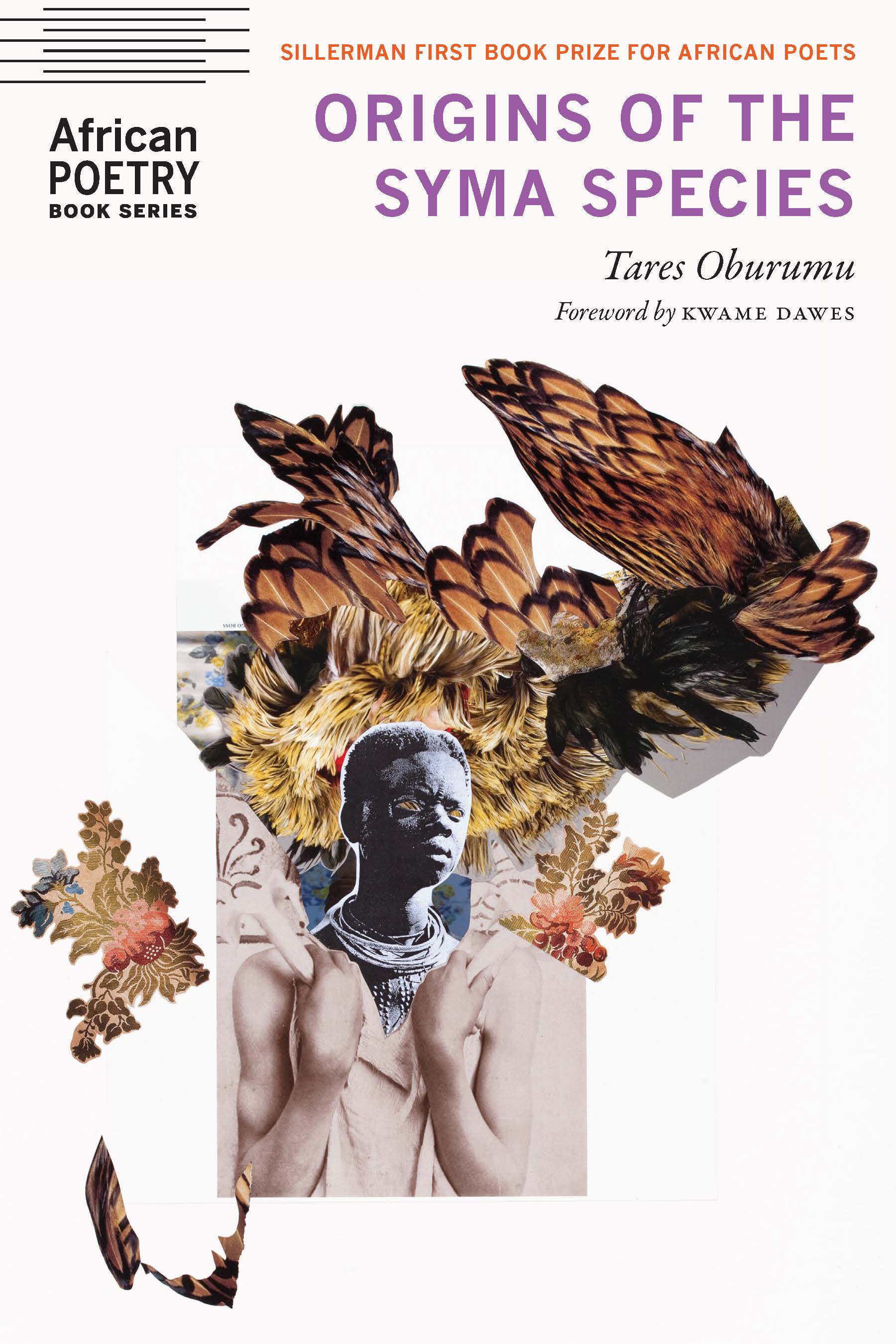
Origins of the Syma Species
TARES OBURUMU
Winner of the Sillerman First Book Prize for African Poets
Tares Oburumu’s collection is a brief history of where he came from: Syma, a neglected oil-producing region of Nigeria. After growing up with a single mother in the creek- and brook-marked region, and himself now a single parent, Oburumu examines single parenthood and how love defines family circles. Mixing music, religion, and political critique, Origins of the Syma Species evokes pasts and futures.
Everybody’s Jonesin’ for Something
INDIGO MOOR
“Indigo Moor’s new book challenges us to look back to gain a wider understanding of what has been, look around to derive a deeper understanding of one another, and look inside to find our true home.”—Entropy
From Emmett Till to the fall of the Twin Towers and through the wildfires of Paradise, California, Indigo Moor weaves a thread through the hopes, sacrifices, and Sisyphean yearnings that make this country the beautiful trap that it is. Everybody’s Jonesin’ for Something takes an imagistic leap through the darker side of our search for life, liberty, and the pursuit of happiness, perusing what we lose, what we leave behind, and what strange beauty we uncover.

Mummy Eaters
SHERRY SHENODA
2023 American Book Award
2022 Longlist for the National Book Awards
Sherry Shenoda’s collection Mummy Eaters follows in the footsteps of an imagined ancestor, one of the daughters of the house of Akhenaten in the Eighteenth Dynasty, Egypt. Shenoda forges an imagined path through her ancestor’s mummification and journey to the afterlife. Parallel to this exploration run the implications of colonialism on her passage.

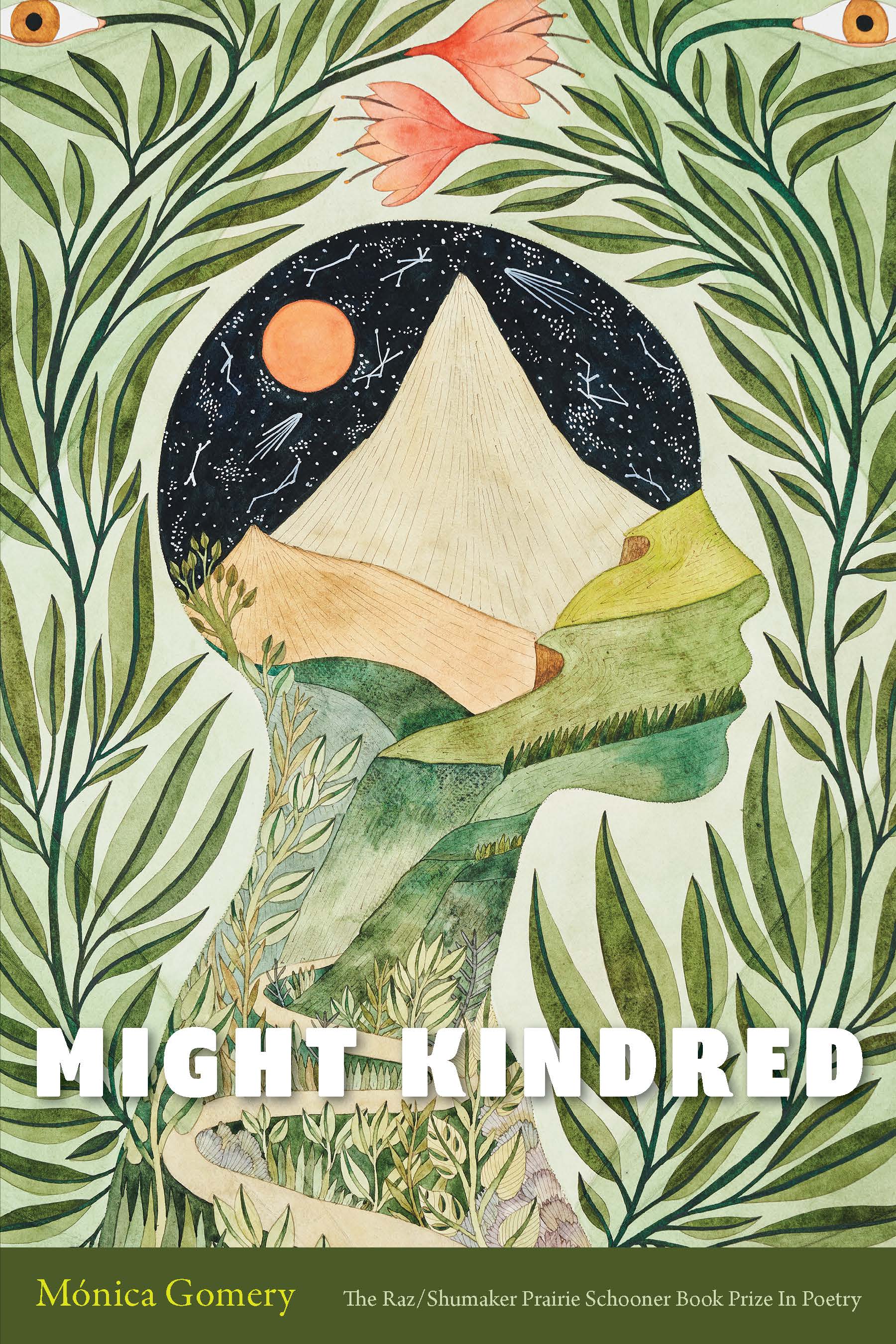
Might Kindred
MÓNICA GOMERY
“These generous and sensitive meditations on belonging and the first-generation experience cast intimate light on shared human experiences.”—Publishers Weekly
The poems of Might Kindred wonder aloud: can we belong to one another, and “can a people belong to a dreaming machine?” Conjuring mountains and bodies of water, queer and immigrant poetics, beloveds both human and animal, Mónica Gomery explores the intimately personal and the possibility of a collective voice. The speaker exchanges letters with her ancestors, is visited by a shadow sister, and interrogates what it means to make a home as a first-generation American.
Living Room
LAURA BYLENOK
“. . . an absolute phenomenon, a complete synthesis of science, emotion, deep ecology, and poetry.”—Huascar Medina, poet laureate of Kansas and literary editor of seveneightfive magazine
A living room is considered as a room that is lived in and also a room that is alive. Cells are living rooms. A self is a room that shares walls with others. Interconnection and interplay are thematic, and the network of poems becomes a linguistic rendering of a heterogeneous and nonhierarchical ecosystem, using the language of biology, genetics, and neurochemistry alongside fairy tale and dream to explore the interior spaces of grief, motherhood, mortality, and self.

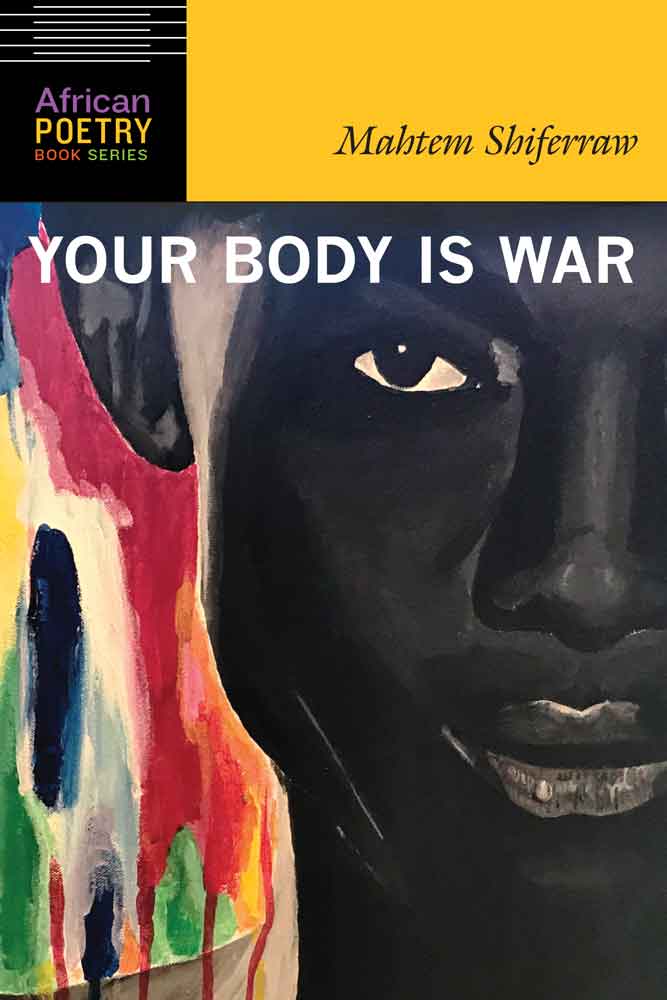
Your Body is War
MAHTEM SHIFERRAW
“. . . stunning poems that re-create the pain and triumph of women the world would rather unsee.”—Mary Catherine Ford, World Literature Today
Your Body Is War contemplates the psychology of the female human body, looking at the ways it exists and moves in the world, refusing to be contained in the face of grief and trauma. Bold and raw, Mahtem Shiferraw’s poems explore what the woman’s body has to do to survive and persevere in the world, especially in the aftermath of abuse.
 UNP blog