
Black History Month originates from the Association for the Study of African American Life and History (ASALH)’s national Negro History Week initially founded in 1926 by Carter G. Woodson. The celebration was later officially proclaimed by President Gerald Ford as Black History Month in 1976 and urges us to “seize the opportunity to honor the too-often neglected accomplishments of Black Americans in every area of endeavor throughout our history.”
The ASALH has declared “African Americans and Labor” as this year’s Black History Month theme—a tribute to the various and profound ways that work and working of all kinds—free and unfree, skilled, and unskilled, vocational and voluntary—intersect with the collective experiences of Black people. In this reading list, we are highlighting the important impact of black labor throughout the United States, Africa, and the Diaspora as well as recent and enduring scholarship on black spaces, communities, history, and influential figures.
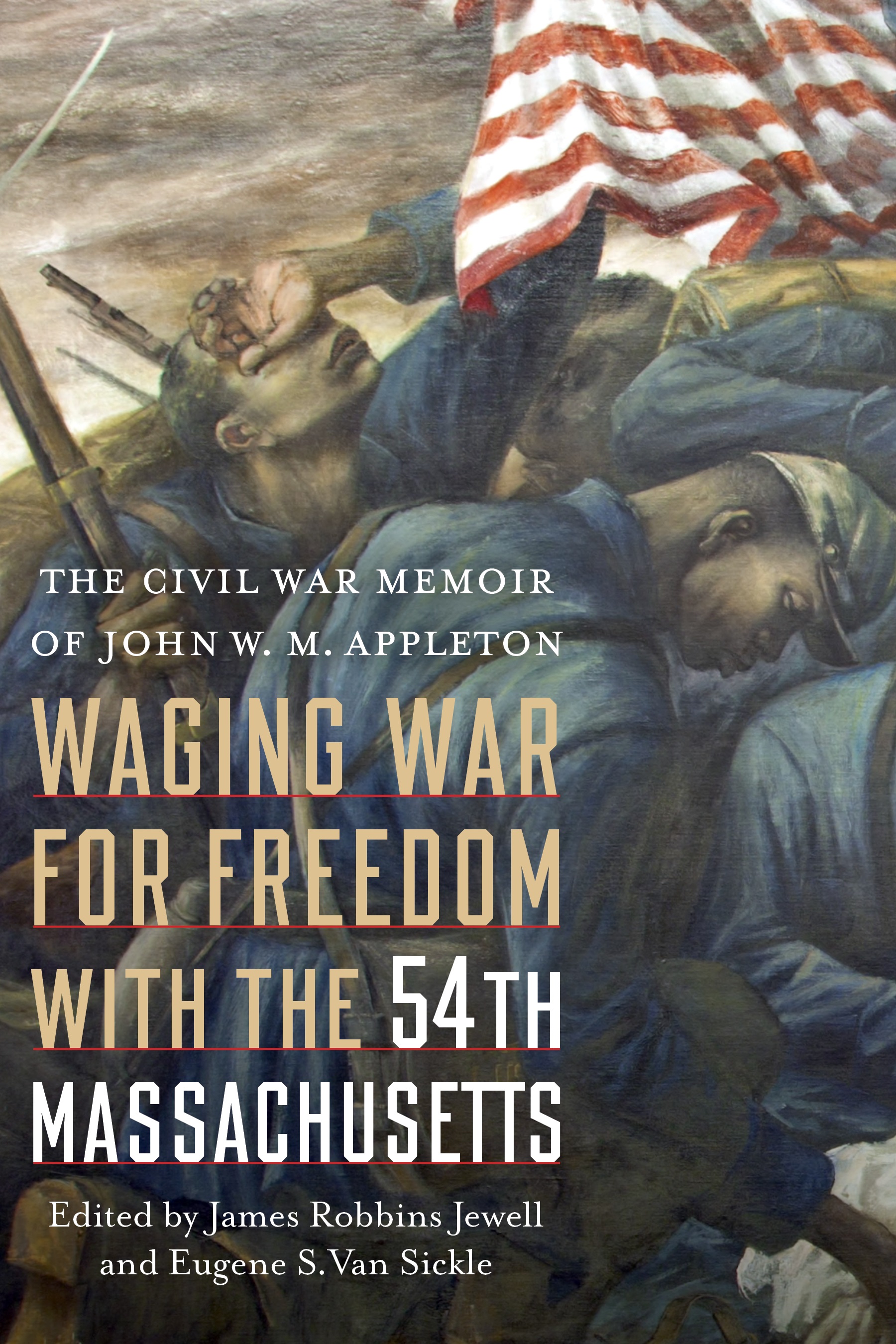
Waging War for Freedom with the 54th Massachusetts
JOHN W. M. APPLETON
EDITED BY JAMES ROBBINS JEWELL AND EUGENE S. VAN SICKLE
Waging War for Freedom with the 54th Massachusetts is a fresh look at the service of this famed regiment as told through Appleton’s memoir—the most complete first-person account available about the service of the men in the 54th Massachusetts regiment. Taking Appleton’s memoir as their foundation, the editors thoroughly contextualize the service of the 54th through its disbanding in 1865, providing a fresh perspective on the men and the regiment as they fought to abolish slavery in the United States.
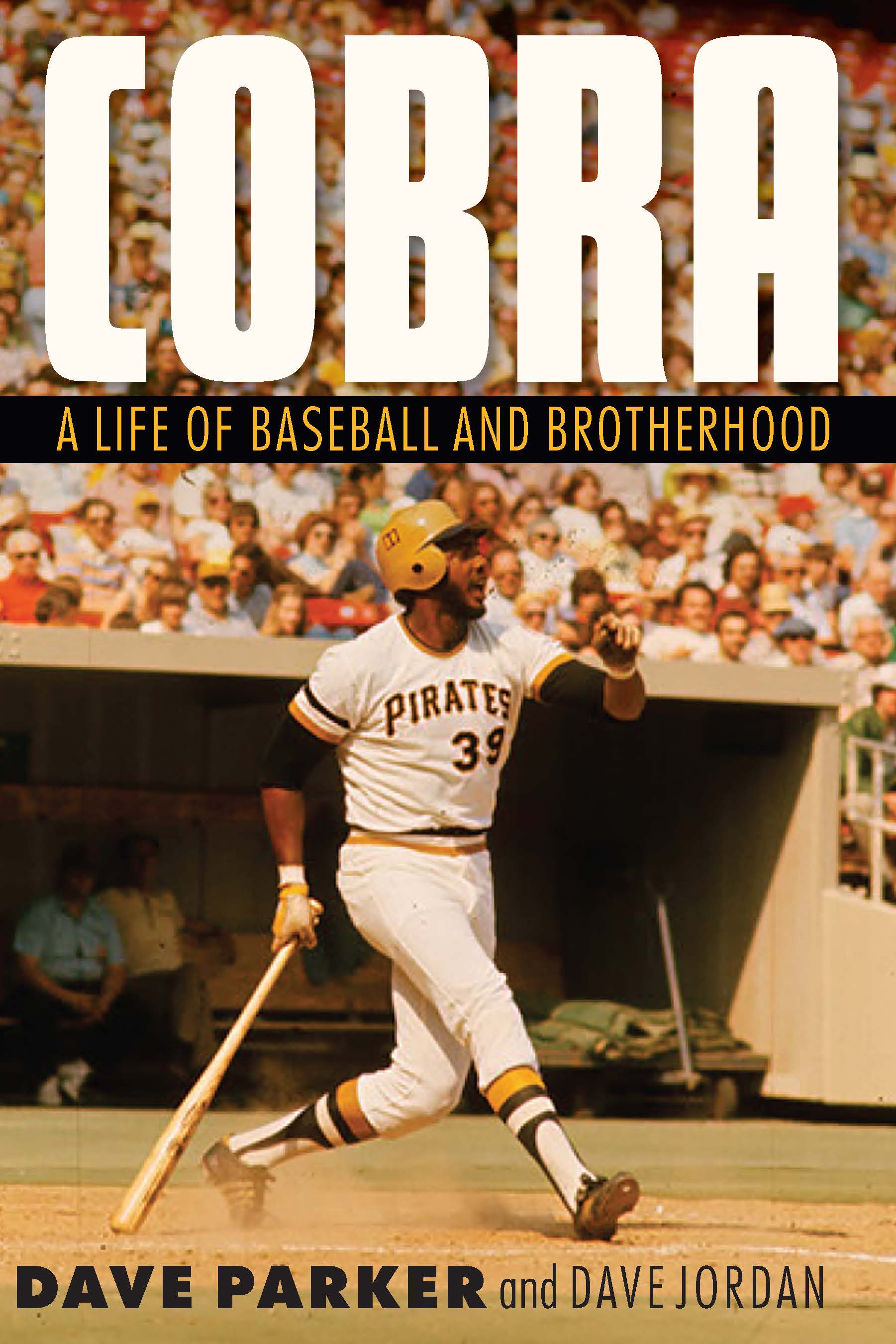
Cobra
DAVE PARKER AND DAVE JORDAN
With comments at the start of each chapter by other baseball legends such as Pete Rose, Dave Winfield, Willie Randolph, and many more, Parker tells an epic tale of friendship, success, indulgence, and redemption, but most of all, family. Cobra is the unforgettable story of a million-dollar athlete just before baseball became a billion-dollar game.
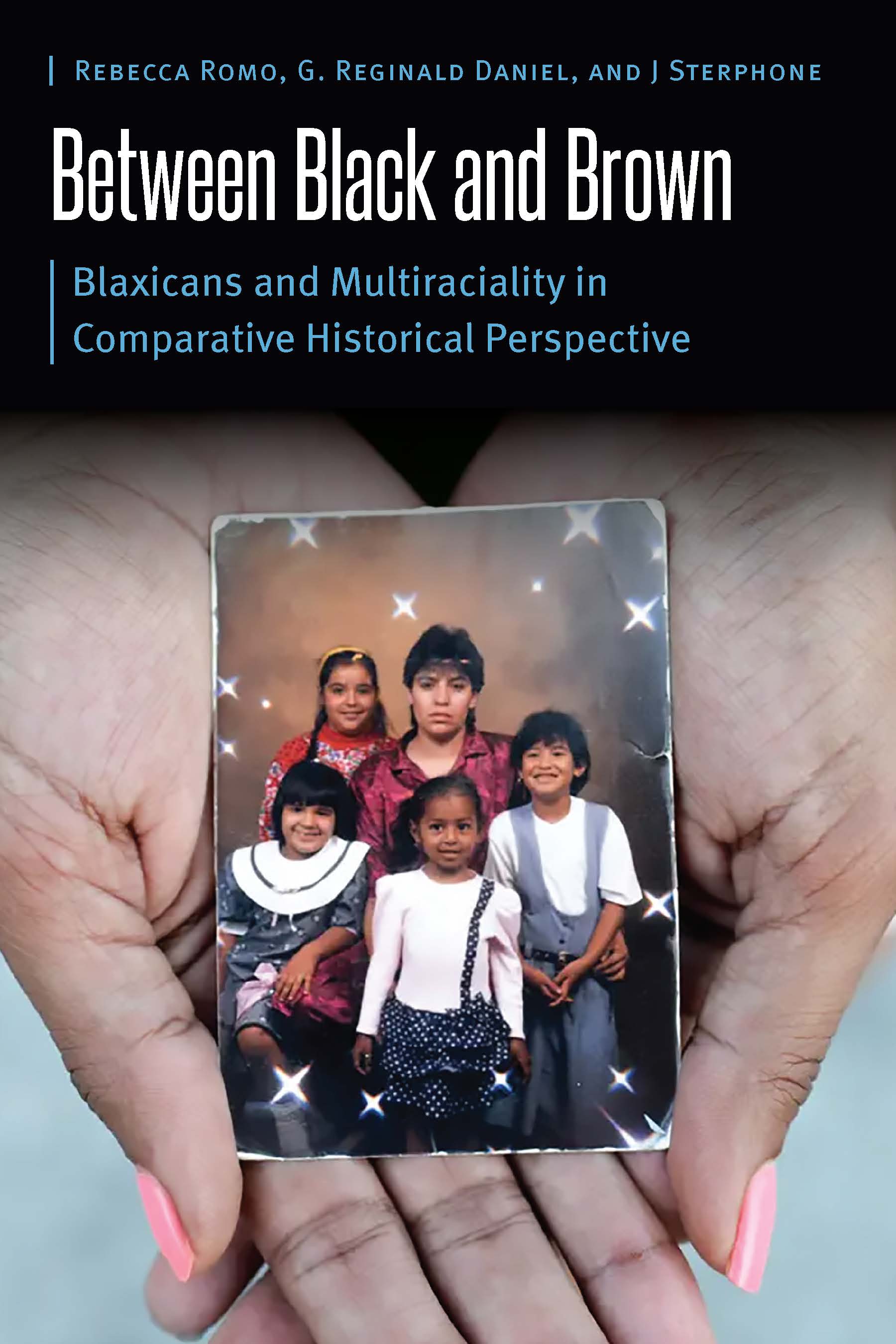
Between Black and Brown
REBECCA ROMO, G. REGINALD DANIEL, AND J. STERPHONE
Between Black and Brown begins with a question: How do individuals with one African American parent and one Mexican American parent identify racially and ethnically? In answer, the authors explore the experiences of Blaxicans, individuals with African American and Mexican American heritage, as they navigate American culture, which often clings to monoracial categorizations.
Race and Resistance in Boston
EDITED BY ROBERT CVORNYEK AND DOUGLAS STARK
Boston is a city known for its sports as well as its troubled racial conflict. But generations of Black athletes, teams, sportswriters, and front-office executives have exercised historic influence in Boston over the years as they advocated for racial integration and transformed their sports into modes of racial pride, resistance, and cultural expression. Race and Resistance in Boston goes beyond the familiar topics associated with the city’s premiere professional teams, the Red Sox and the Celtics, to recount the long history of Black sporting culture in the city.

All Daughters Are Awesome Everywhere
DEMISTY D. BELLINGER
Fantastical, sensual, and as beguilingly strange as they are insightful and real, the stories of All Daughters Are Awesome Everywhere are centered around intimate familial or romantic relationships, featuring protagonists who make awesome discoveries—from the beautiful to the horrible—in seemingly mundane situations. The protagonists in each story come from marginalized communities, which sometimes exacerbates their problems but always allows for unique perspectives and epiphanies.

A Giant among Giants
CHRIS HAFT
Willie McCovey, known as “Stretch,” played Major League Baseball from 1959 to 1980, most notably as a member of the San Francisco Giants for nineteen seasons. Known as a dead-pull line drive hitter, McCovey was called “the scariest hitter in baseball” by pitcher Bob Gibson. In A Giant among Giants, the first biography of McCovey, who passed away in 2018 at the age of eighty, Chris Haft tells the story of one of baseball’s most-beloved players.

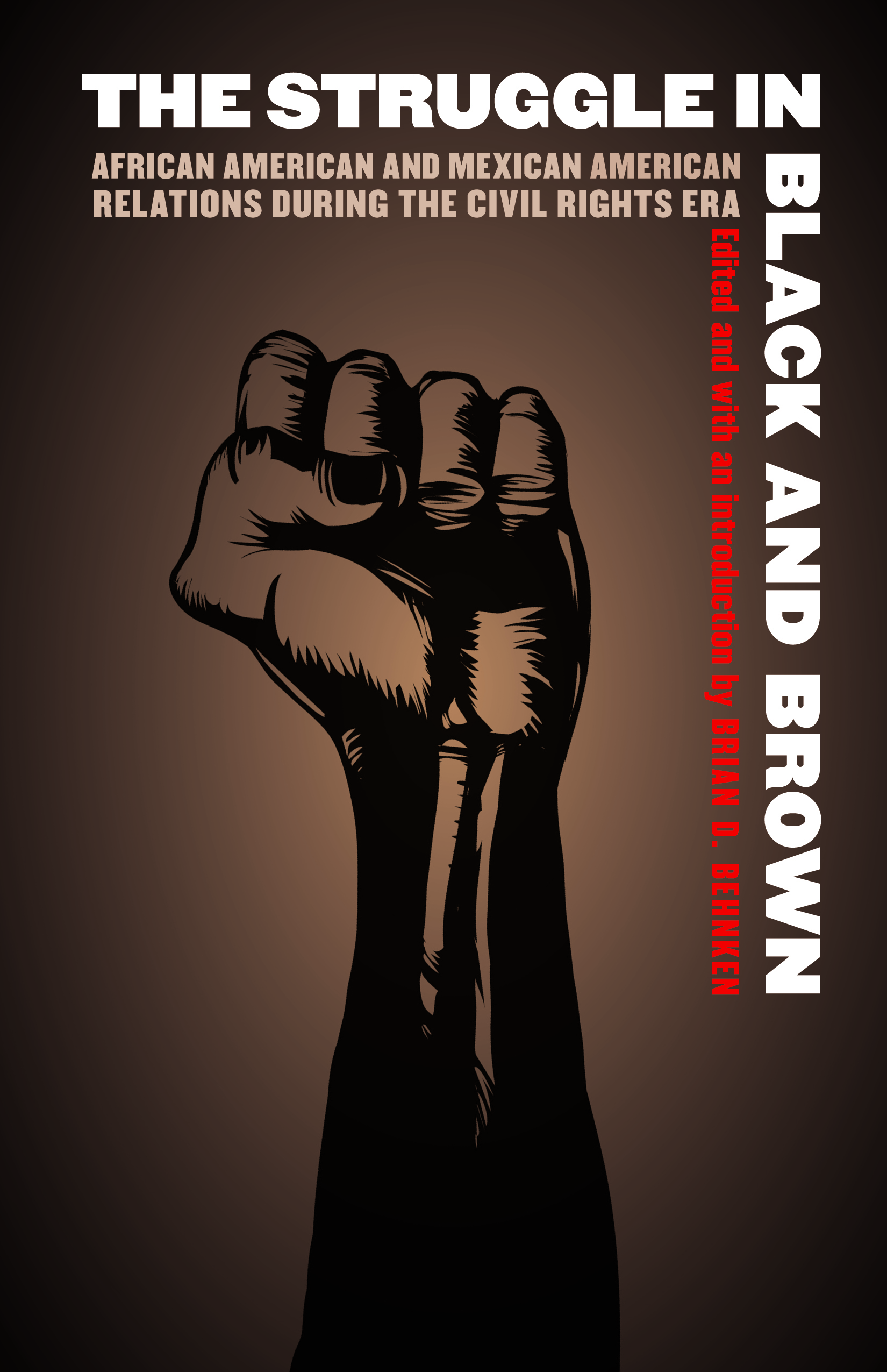
The Struggle in Black and Brown
EDITED BY BRIAN D. BEHNKEN
This volume, which considers relations between blacks and browns during the civil rights era, carefully examines the complex and multifaceted realities that complicate such assumptions—and that revise our view of both the civil rights struggle and black-brown relations in recent history. Unique in its focus, innovative in its methods, and broad in its approach to various locales and time periods, the book provides key perspectives to understanding the development of America’s ethnic and sociopolitical landscape.
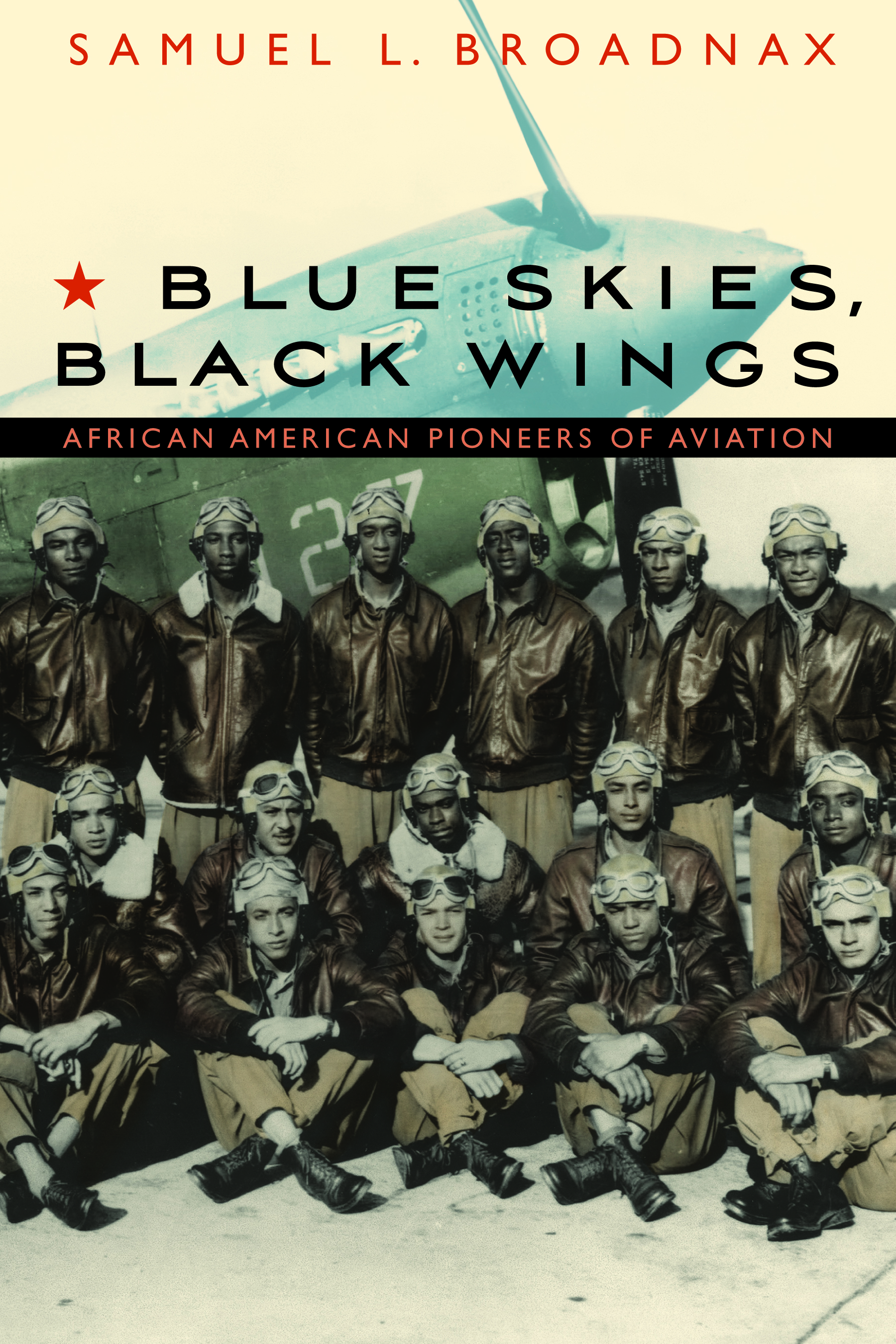
Blue Skies, Black Wings
SAMUEL L. BROADNAX
Blue Skies, Black Wings recounts the history of African Americans in the skies from the very beginnings of manned flight. From Charles Wesley Peters, who flew his own plane in 1911, and Eugene Bullard, a black American pilot with the French in World War I, to the 1945 Freeman Field mutiny against segregationist policies in the Air Corps, Broadnax paints a vivid picture of the people who fought oppression to make the skies their own.
Black Jesus and Other Superheroes
VENITA BLACKBURN
Winner of the Prairie Schooner Book Prize in Fiction, Blackburn’s stories chronicle ordinary people achieving vivid extrasensory perception while under extreme pain. The stories tumble into a universe of the jaded and the hopeful, in which men and women burdened with unwieldy and undesirable superhuman abilities are nonetheless resilient in subtle and startling ways.
Looking at the Stars
CARRIE TERESA
Carrie Teresa explores the meaning of celebrity as expressed by black journalists writing against the backdrop of Jim Crow–era segregation. Teresa argues that journalists and editors working for these black-centered publications framed celebrities as collective representations of the race who were then used to promote political activism through entertainment. The social conscience that many contemporary entertainers of color exhibit today arguably derives from the way black press journalists once conceptualized the symbolic role of “celebrity” as a tool in the fight against segregation.

 UNP blog