To celebrate Valentine’s Day, we’re sharing a reading list that investigates and explores relationships—whether familial, romantic, platonic, or unrequited—through fiction, memoir, and scholarship. These books complicate the idea of fairy tale happy endings, instead attempting to depict the messy, genuine reality of love.
Valentines
TED KOOSER
Valentines collects Kooser’s twenty-two years of Valentine’s Day poems, complemented with illustrations by Robert Hanna and a new poem appearing for the first time. Kooser’s valentine poems encompass all the facets of the holiday: the traditional hearts and candy, the brilliance and purity of love, the quiet beauty of friendship, and the bittersweetness of longing.

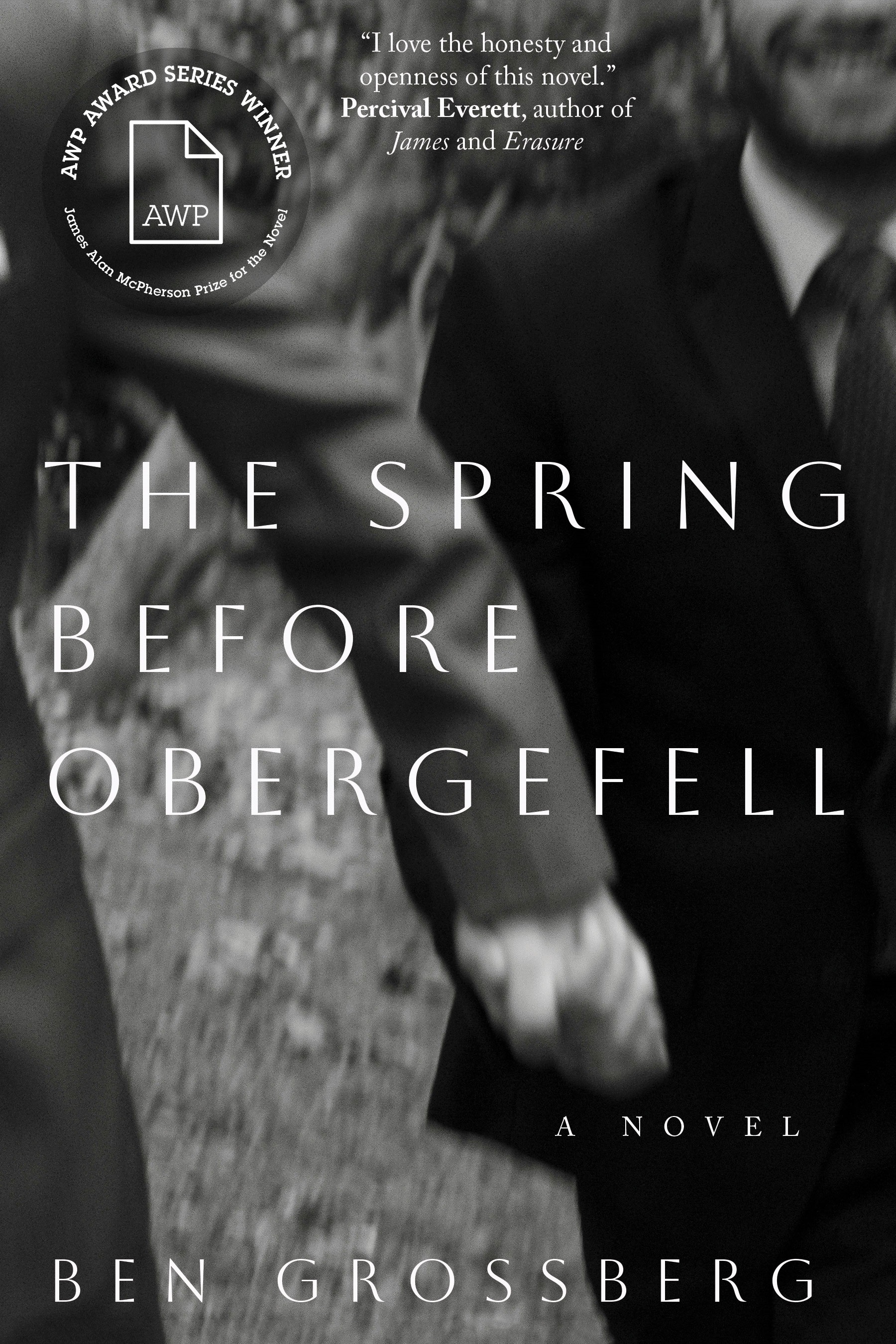
The Spring before Obergefell
BEN GROSSBERG
It’s not easy for a middle-aged gay man to find love out in small-town America, so when Mike Breck blows his shot with a local guy just as lonely as he is, he’s got to open up to the people around him to figure out how to angle for a second chance.
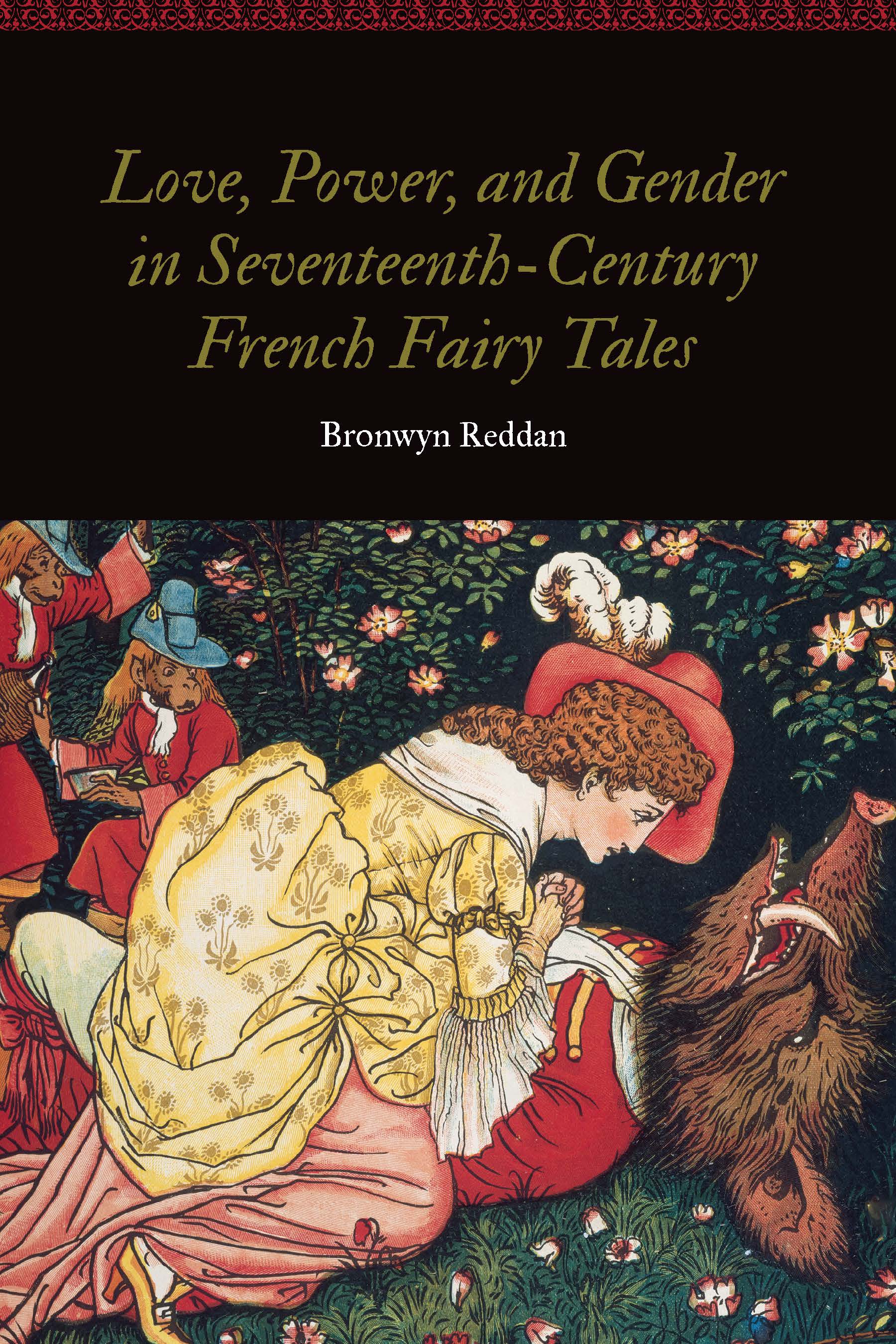
Love is a key ingredient in the stereotypical fairy-tale ending in which everyone lives happily ever after. This romantic formula continues to influence contemporary ideas about love and marriage, but it ignores the history of love as an emotion that shapes and is shaped by hierarchies of power including gender, class, education, and social status. Bronwyn Reddan challenges the idealization of fairy-tale romance as the ultimate happy ending by showing how the women writers who dominated the first French fairy-tale vogue, the conteuses, used the genre to critique the power dynamics of courtship and marriage.
I Make Envy on Your Disco
ERIC SCHNALL
It’s the new millennium and the anxiety of midlife is creeping up on Sam Singer, a thirty-seven-year-old art advisor. Fed up with his partner and his life in New York, Sam flies to Berlin to attend a gallery opening. A trip that begins in isolation evolves into one of deep connection and possibility. I Make Envy on Your Disco is at once a tribute to Berlin, a novel of longing and connection, and a coming-of-middle-age story about confronting the person you were and becoming the person you want to be.

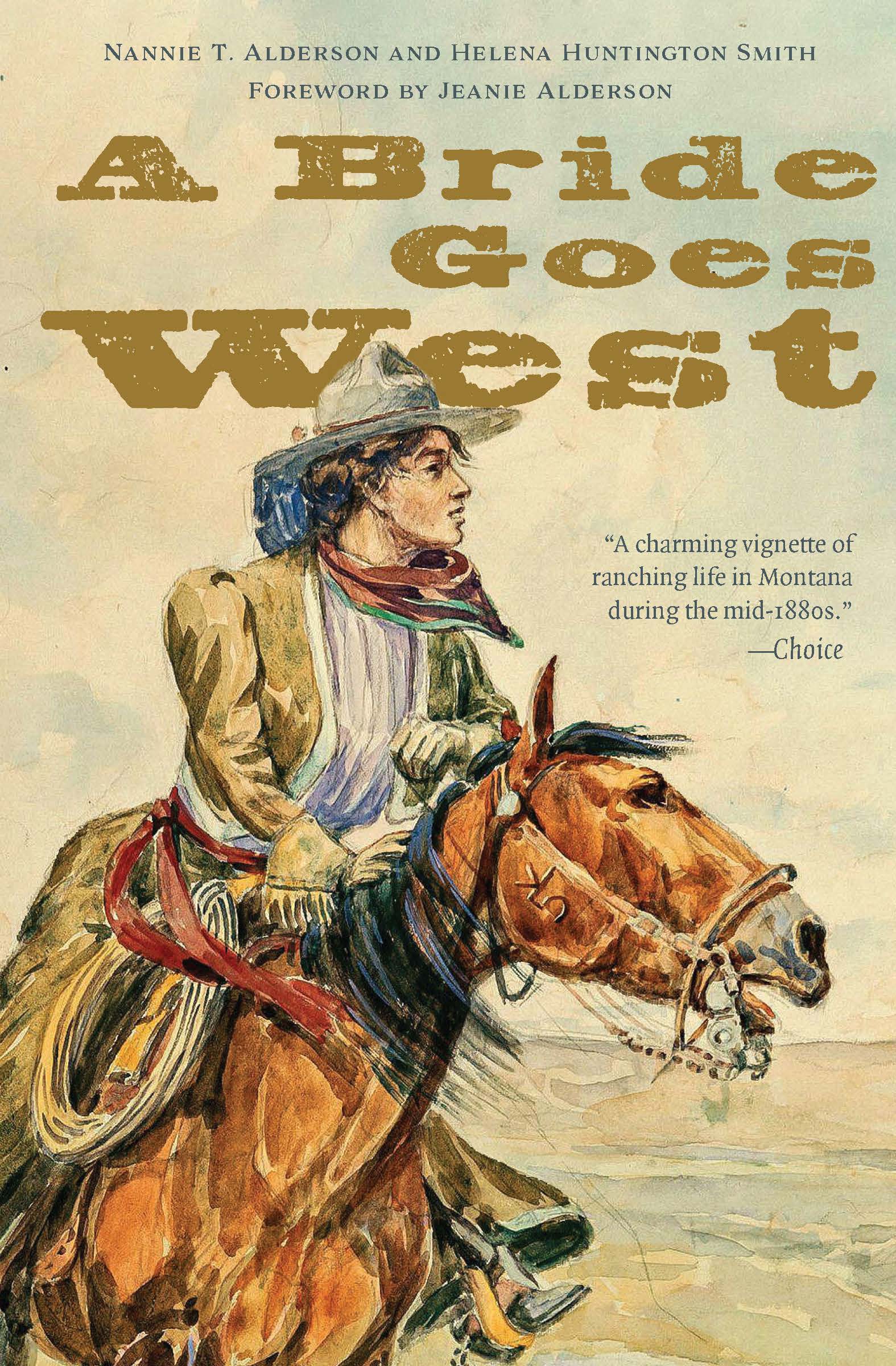
A Bride Goes West
NANNIE T ALDERSON & HELENA HUNTINGTON SMITH
Blizzards, droughts, predators, unpredictable markets, and a host of other calamities tell the history of the daily struggles of Western ranching, and perhaps no one has told the story better than Nannie T. Alderson, a transplanted southern woman who married a cowboy and found herself in eastern Montana trying to build a ranching business a one-hundred-mile horse-and-buggy ride from the nearest town.
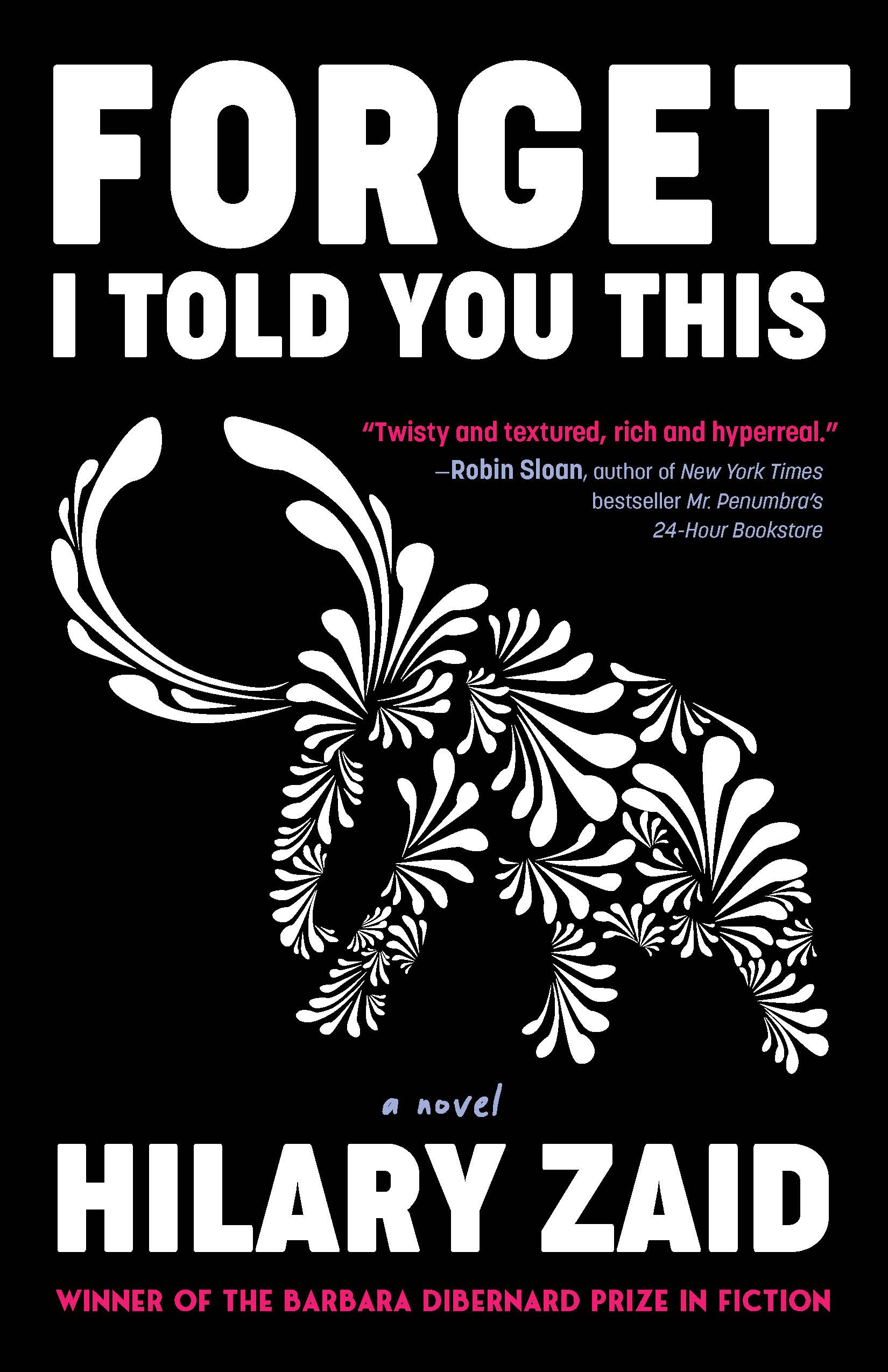
Forget I Told You This
HILARY ZAID
Amy Black, a queer single mother and an aspiring artist, dreams of a coveted artist’s residency at the world’s largest social media company, Q. One ink-black October night, a stranger asks Amy to transcribe a love letter for him. Amy’s search for the letter’s recipient leads her straight to Q’s Library of Books That Don’t Exist—and to a group of data privacy vigilantes who want her to burn it to the ground.
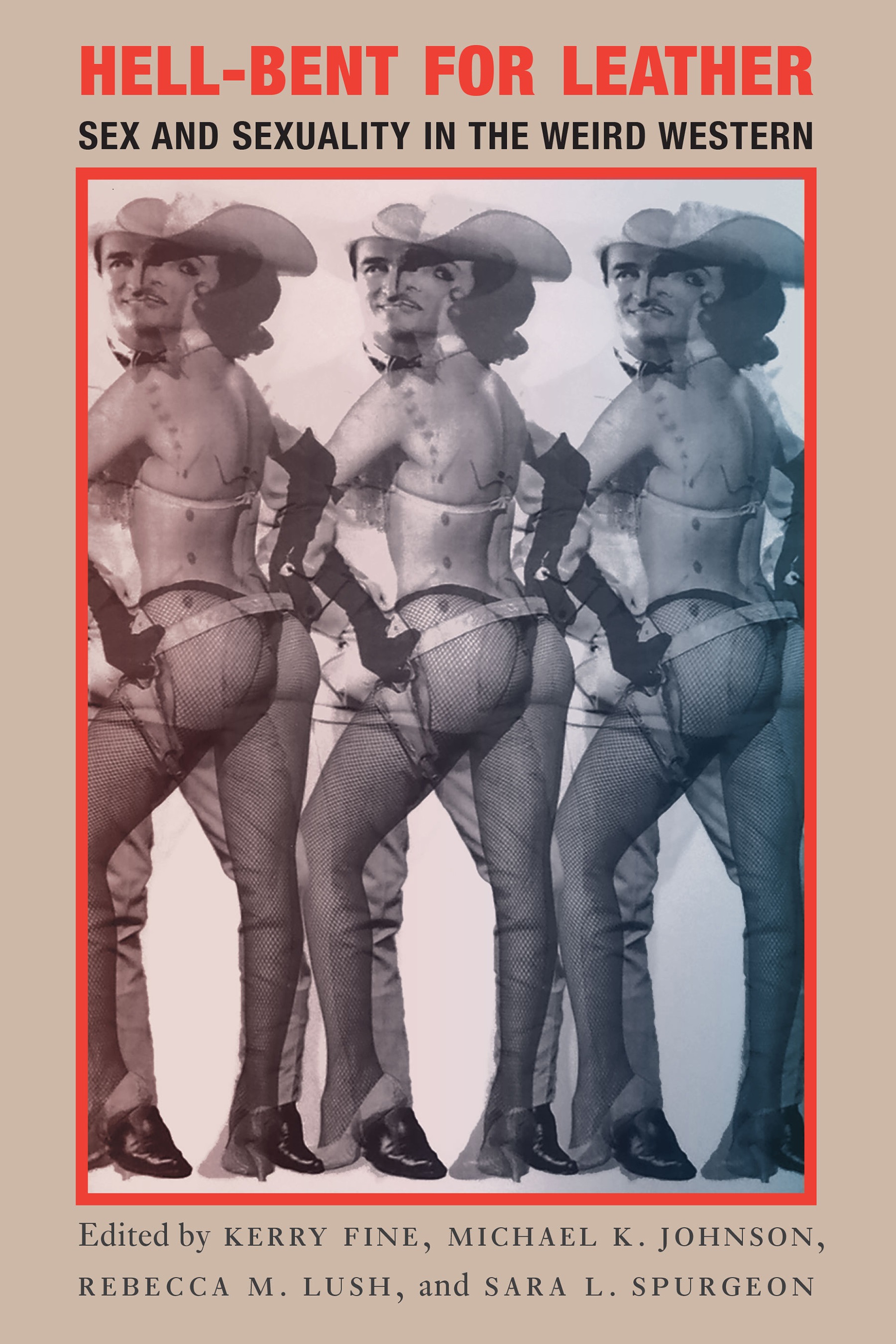
Hell-Bent for Leather
KERRY FINE ET AL.
This edited collection explores the role of sex and sexuality in the genre known as the weird western—a popular hybrid form that mixes western themes, iconography, settings, or conventions with elements drawn from horror, fantasy, supernatural, or science fiction genres.
If This Were Fiction
JILL CHRISTMAN
If This Were Fiction is a love story—for Jill Christman’s long-ago fiancé, who died young in a car accident; for her children; for her husband, Mark; and ultimately, for herself. Playing like a lively mixtape in both subject and style, If This Were Fiction focuses an open-hearted, frequently funny, clear-eyed feminist lens on Christman’s first fifty years and sends out a message of love, power, and hope.

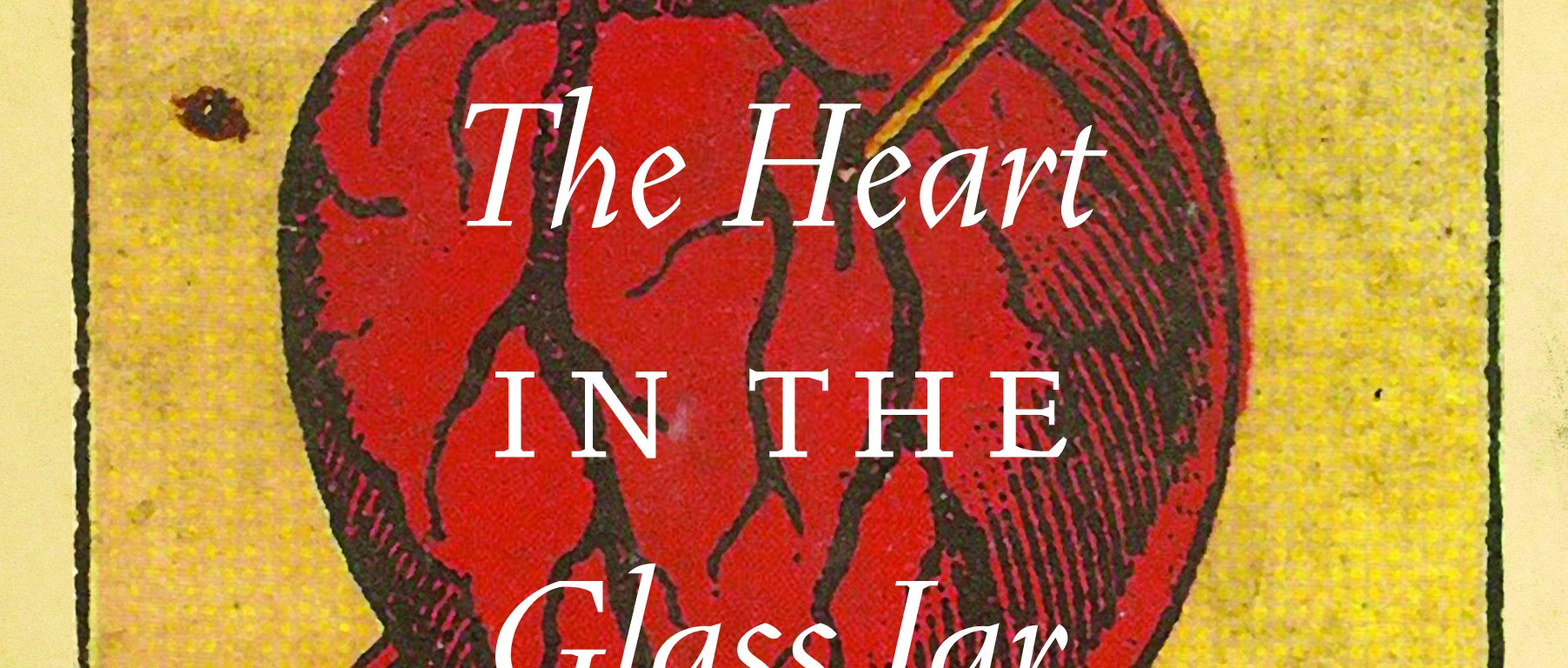
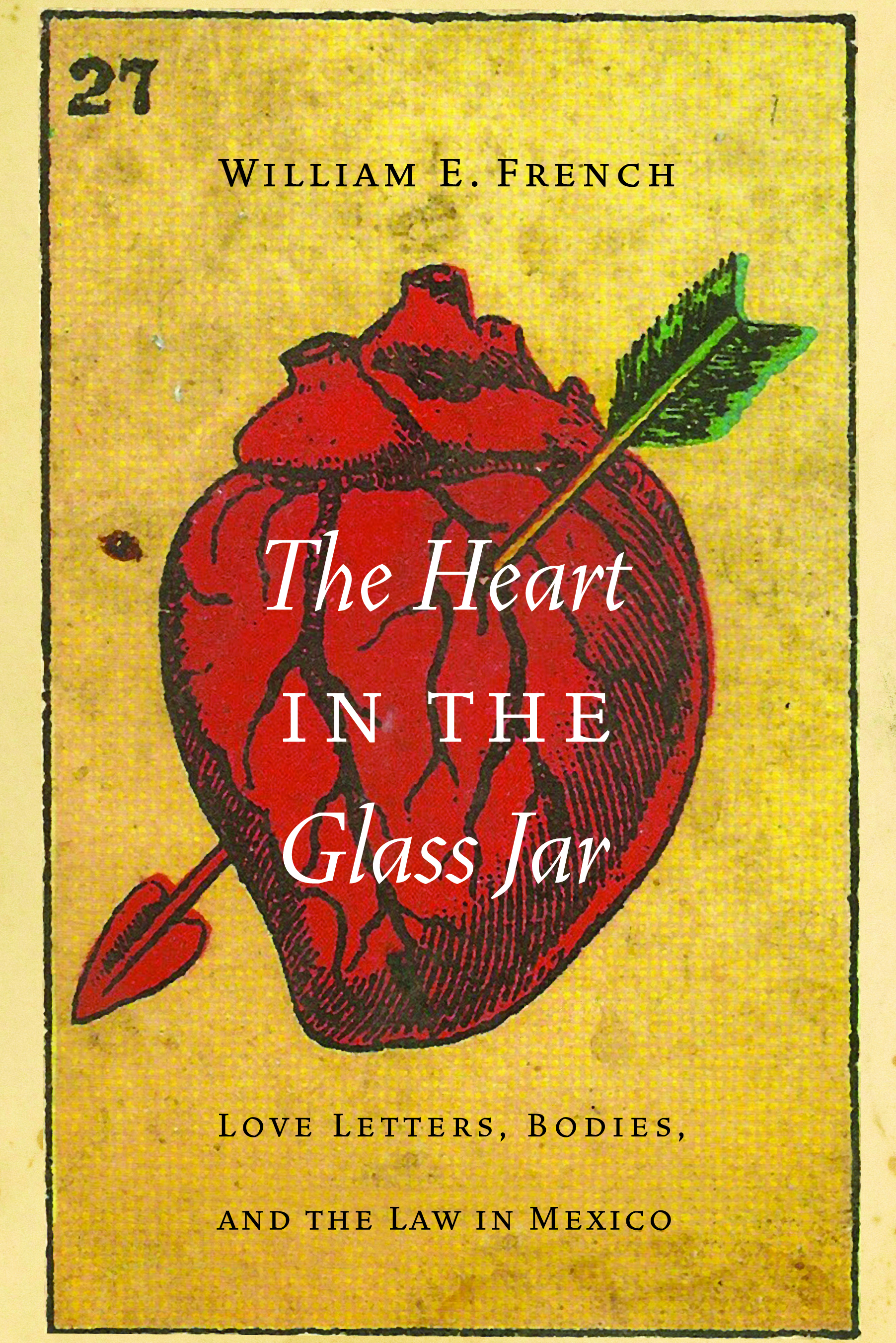
The Heart in the Glass Jar
WILLIAM E. FRENCH
The Heart in the Glass Jar begins with one man’s literal heart (that of a prominent statesman in mid-nineteenth-century Mexico) but is truly about the hearts, bodies, legal entanglements, and letters—as both symbols and material objects—of northern Mexicans from the 1860s through the 1930s. William E. French’s innovative study of courtship practice and family formation examines love letters of everyday folk within the framework of literacy studies and explores how love letters functioned culturally and legally.
Shift
PENNY GUISINGER
In Shift, a personal inquiry into midlife lesbianism, Penny Guisinger examines sexual and romantic fluidity while wrestling with the ways past and present mingle rather than staying in linear narratives. Under scrutiny, Guisinger’s sense of her own identity becomes like a Mobius strip or Penrose triangle—an optical illusion that challenges the dimensions and possibilities of the world.

 UNP blog