
Established in 1970, Earth Day represents the foundation of the modern Environmental movement. The theme for Earth Day 2025 is “OUR POWER, OUR PLANET,” inviting everyone around the globe to unite behind renewable energy, and to triple the global generation of clean electricity by 2030.
In this reading list, we share tales of empowering environmental justice, an article that rethinks preservation, and books that explore the environmental impacts of land and farm policy in America.
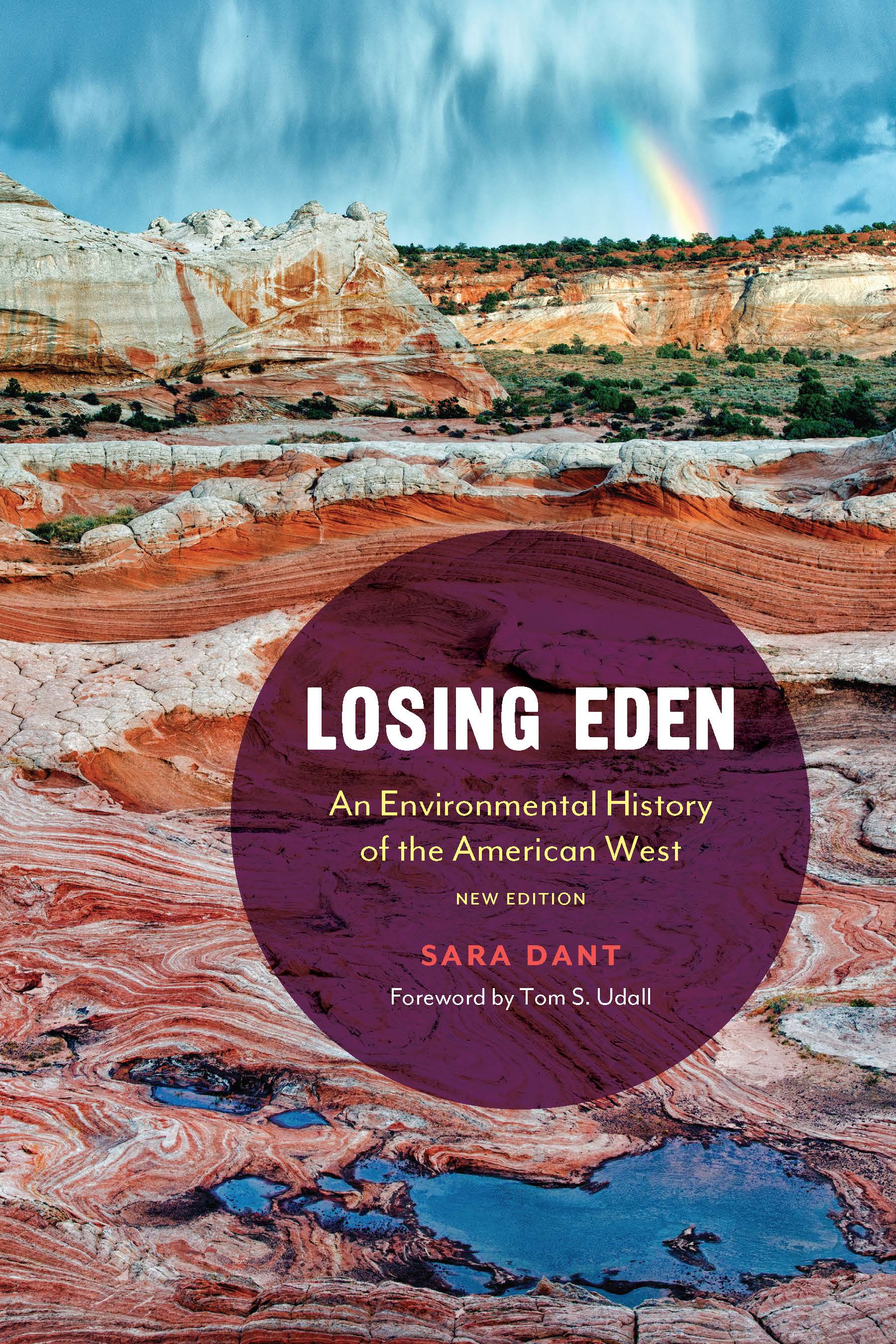
Losing Eden
SARA DANT
In, Losing Eden, Sara Dant discusses the key events and topics in the environmental history of the American West, from the Beringia migration, Columbian Exchange, and federal territorial acquisition to post–World War II expansion, resource exploitation, and current climate change issues.
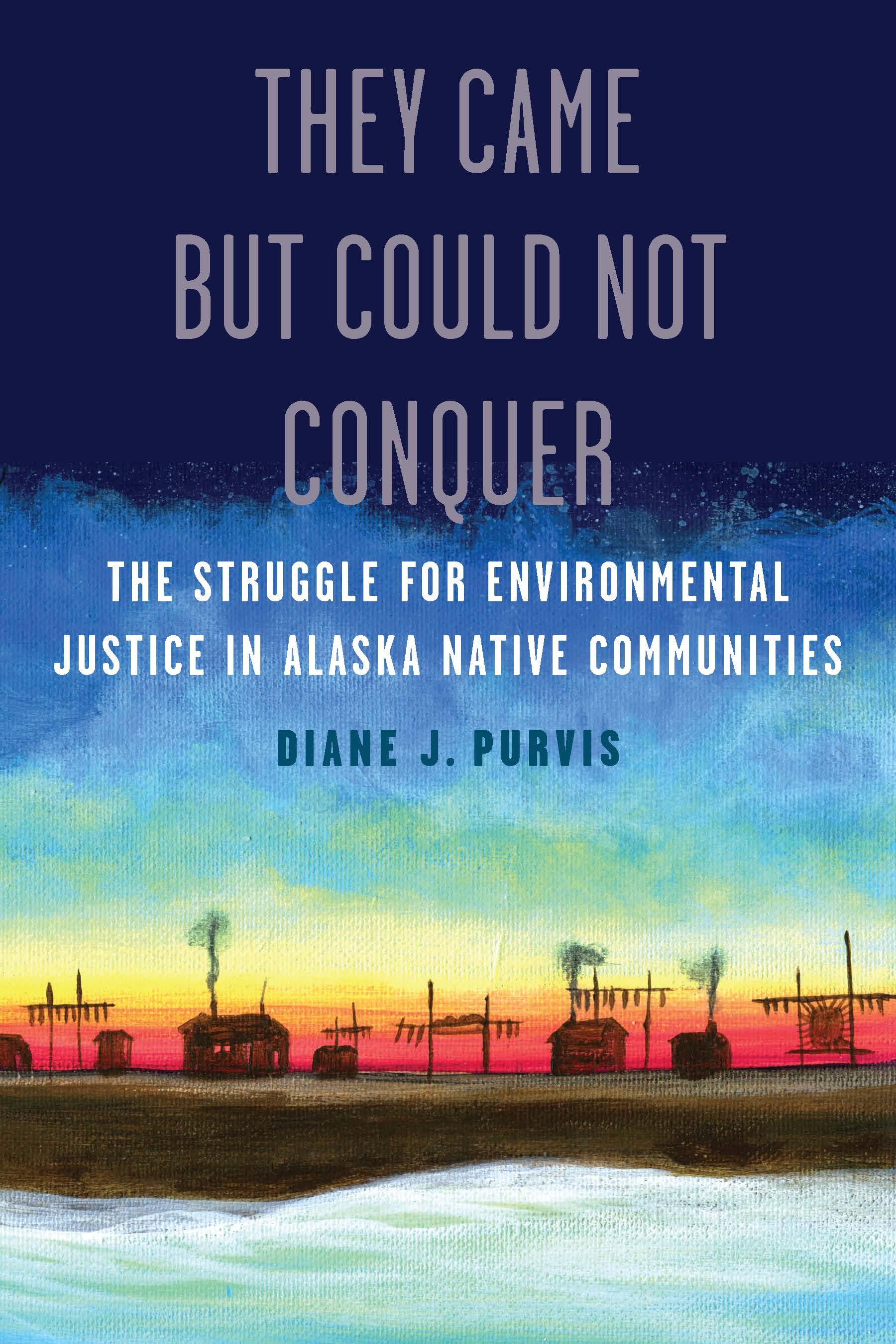
They Came but Could Not Conquer
DIANE J. PURVIS
In They Came but Could Not Conquer Purvis presents twelve environmental crises that occurred when isolated villages were threatened by a governmental monolith or big business. In each, Native peoples rallied together to protect their land, waters, resources, and a way of life against the bulldozer of unwanted, often dangerous alterations labeled as progress.
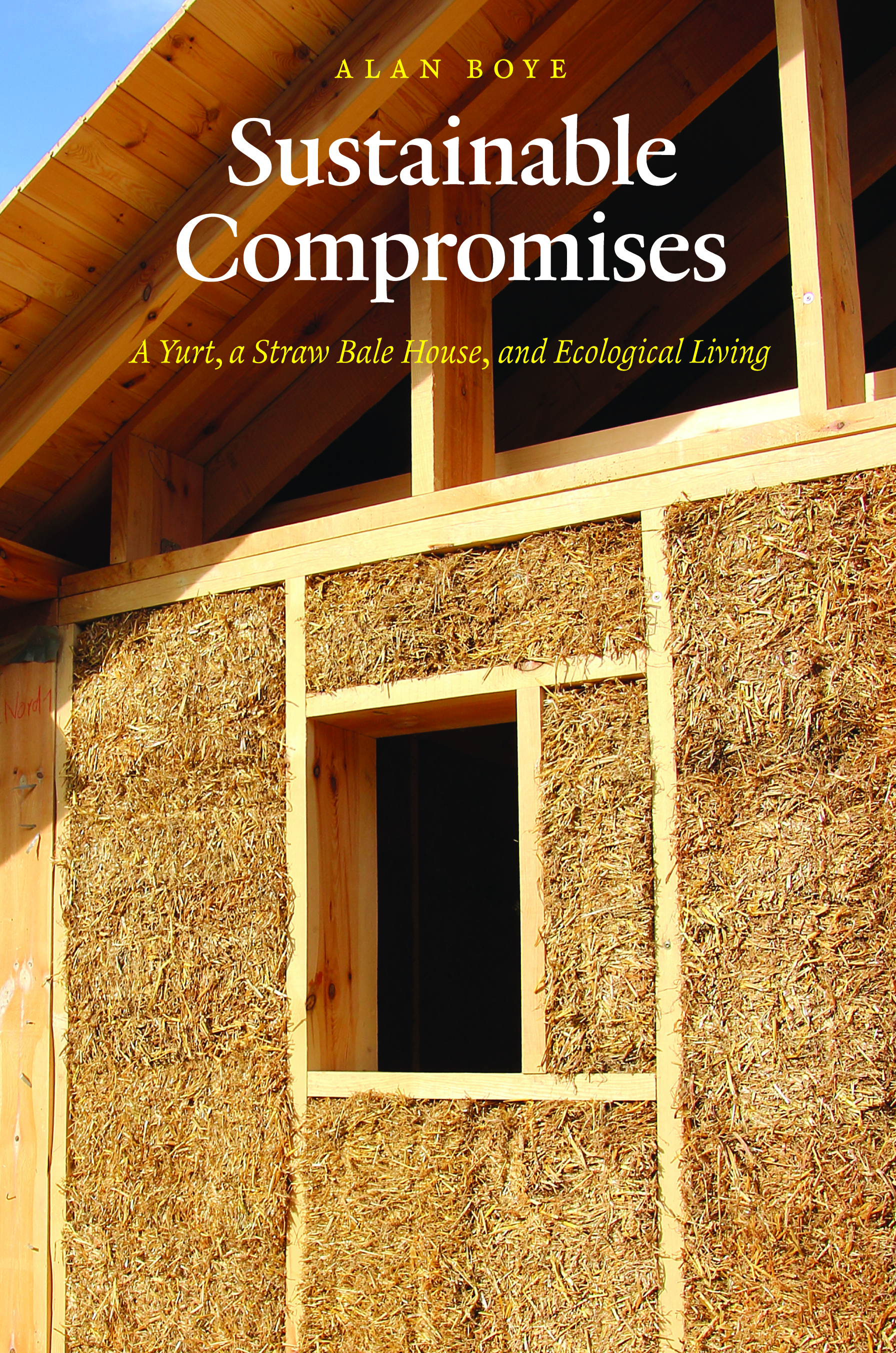
Sustainable Compromises
ALAN BOYE
Writing with hard-won authority and humor, Boye takes up the “how-to” practicalities of “building green,” from finances to nuts and bolts to strains on friends and family. A firsthand account of the pleasures and pitfalls of living simply, his book is a deeply informed and engaging reflection on what sustainability really means—in personal, communal, ethical, and environmental terms.
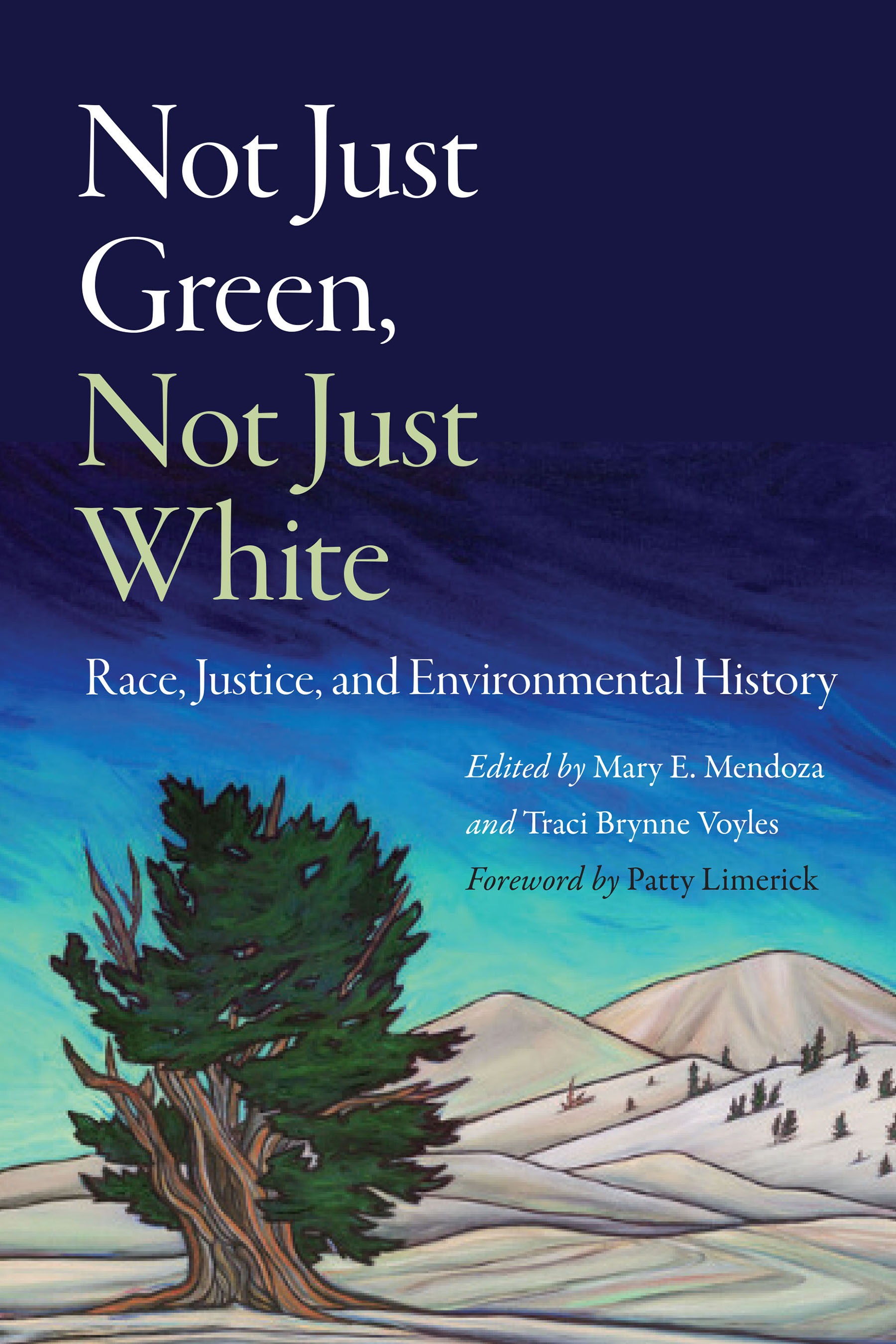
Not Just Green, Not Just White
EDITED BY MARY E. MENDOZA AND TRACI BRYNNE VOYLES
Not Just Green, Not Just White brings together a group of diverse contributors to explore the rich intersections between race and environment. Together these contributors demonstrate that the field of environmental history, with its core questions and critical engagement with the nonhuman world, provides a fertile context for understanding racism and ongoing colonialism as power structures in the United States.
Hush of the Land
ARNOLD “SMOKE” ELSER AND EVA-MARIA MAGGI
Hush of the Land tells the captivating story of Arnold “Smoke” Elser’s early days as a packer in the Bob Marshall Wilderness and Bitterroot Mountains. In this lively narrative, Elser recounts how his testimony for the Wilderness Act, and the fight to preserve and expand Montana’s wilderness lands, influenced his career as an outfitter and educator and gave him a voice at the center of Montana’s conservation movement.

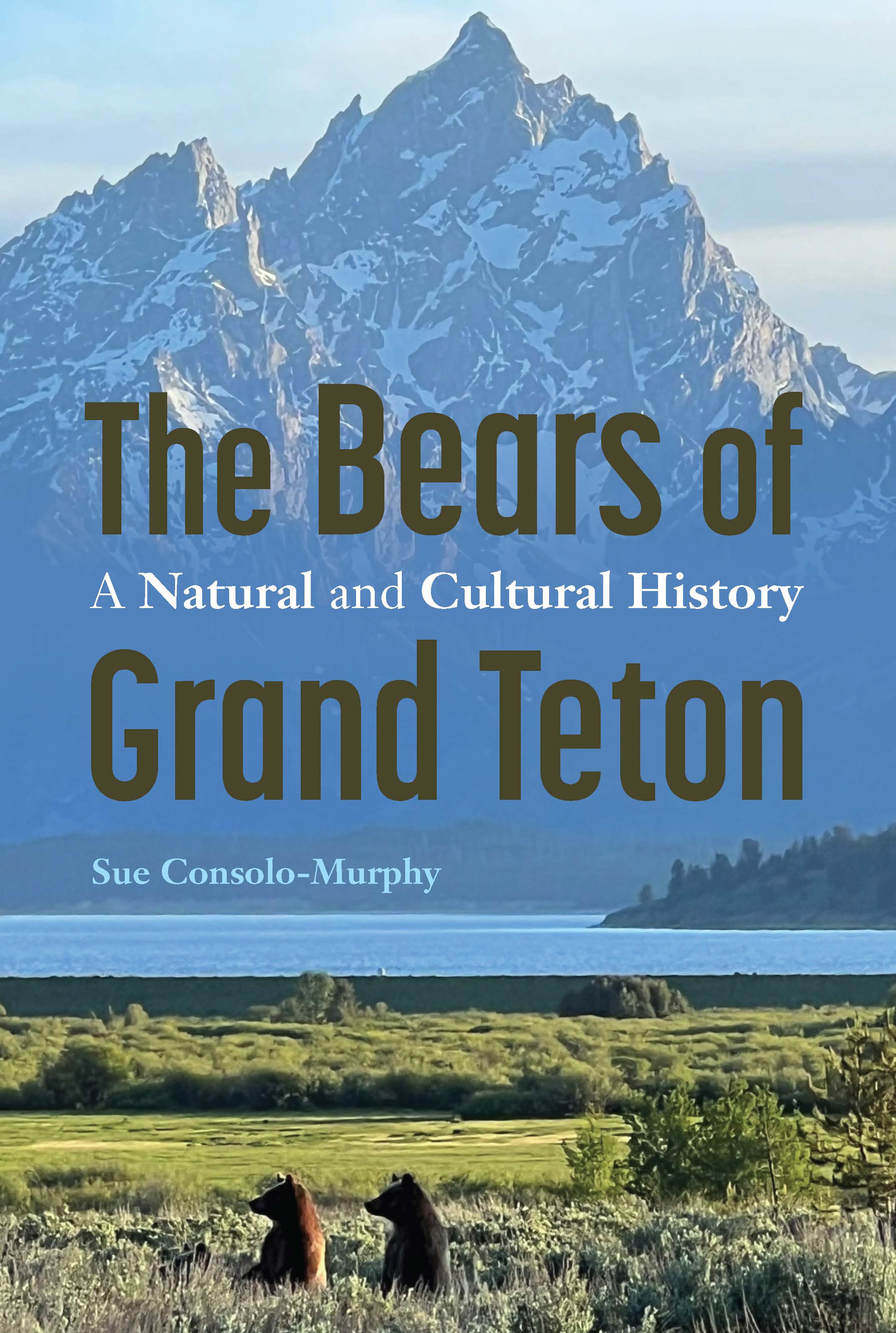
The Bears of Grand Teton
SUE CONSOLO-MURPHY
The Bears of Grand Teton is the first comprehensive history of bears, black and grizzly, and their interactions with people in Grand Teton National Park and the surrounding area of Jackson Hole, Wyoming. It is also a personal account by Sue Consolo-Murphy, who spent thirty years as a wildlife manager for the National Park Service.
Dirt Persuasion
DEREK MOCSATO
Dirt Persuasion examines a watershed moment in U.S. environmental politics: the fight over the Keystone XL Pipeline.The rural dimension of this environmental saga is critical: environmentalism must be understood from the perspective of the rural Americans who coexist with one of the planet’s most delicate ecologies.

Between Soil and Society
JONATHAN COPPESS
In Between Soil and Society Jonathan Coppess traces the history and development of U.S. conservation policy, especially as it compares to and interacts with the development of farm policy. By answering questions about the differences in political support and development for these similar policy regimes, with efforts to apply legal and political theory to understand the differences, Coppess considers the implications of climate change and lessons for future policy development.

Roosevelt’s commitment to saving wild places is one of his most lasting contributions as a U.S. president. This collection combines classic hunting and nature narratives with his equally durable advocacy of wilderness protection for the sake of personal and national character. This new edition features an introduction by Paul Schullery that provides historical and ecological context.

A jar of jam is the product of a process of preservation that entails transformation. Moving from a staple pantry item, this article tackles the case study of Maine wild blueberries, to explore how preserving these berries involves a complex synergy between conservation and change. Ultimately, this interdisciplinary analysis highlights the potential for reimagining preservation as an opportunity to spur cross-cultural pollinations and to experiment with new “recipes” that can marry the flavors of tradition and innovation.

For further Earth Day reads, check out Our Sustainable Future, America’s Public Lands, or the At Table series!
 UNP blog