AAPI Heritage Month is celebrated throughout May to recognize the accomplishments of people of Asian, Native Hawaiian, and Pacific Islander descent. Originally a weeklong celebration introduced by representatives Frank Horton (NY) and Norman Mineta (CA) and Hawaiian representatives Daniel Inouye and Spark Matsunaga in the 70s, nearly twenty years later, President George H. W. Bush passed a bill to extend the celebration to encompass the entirety of May.
May was chosen for two key dates: May 7, 1843 marked the arrival of the first Japanese immigrants in the United States, while Golden Spike Day on May 10, 1869, marked the completion of the transcontinental railroad that unified the Union Pacific and Central Pacific railroads, a feat that would have been impossible without the significant contributions of Chinese immigrant laborers.
The 2025 theme for AAPI Heritage Month from the Federal Asian Pacific American Council (FAPAC) is “A Legacy of Leadership and Resilience,” which encourages us to honor the work of AAPI leaders in establishing a foundation for future generations to thrive.
To help you celebrate AAPI Heritage Month, we’ve created this reading list:
Victory in Shanghai
ROBERT S. KIM
Victory in Shanghai tells two intertwined American origin stories: a Korean family’s struggle to become Americans during the World War II era and the contributions of Korean Americans to the creation of modern U.S. intelligence and special operations. Withheld from the public until recently due to the secrecy surrounding their actions during World War II and the Cold War, the history of the Kim family is one of the great stories of coming to America and defending and strengthening it in the process.

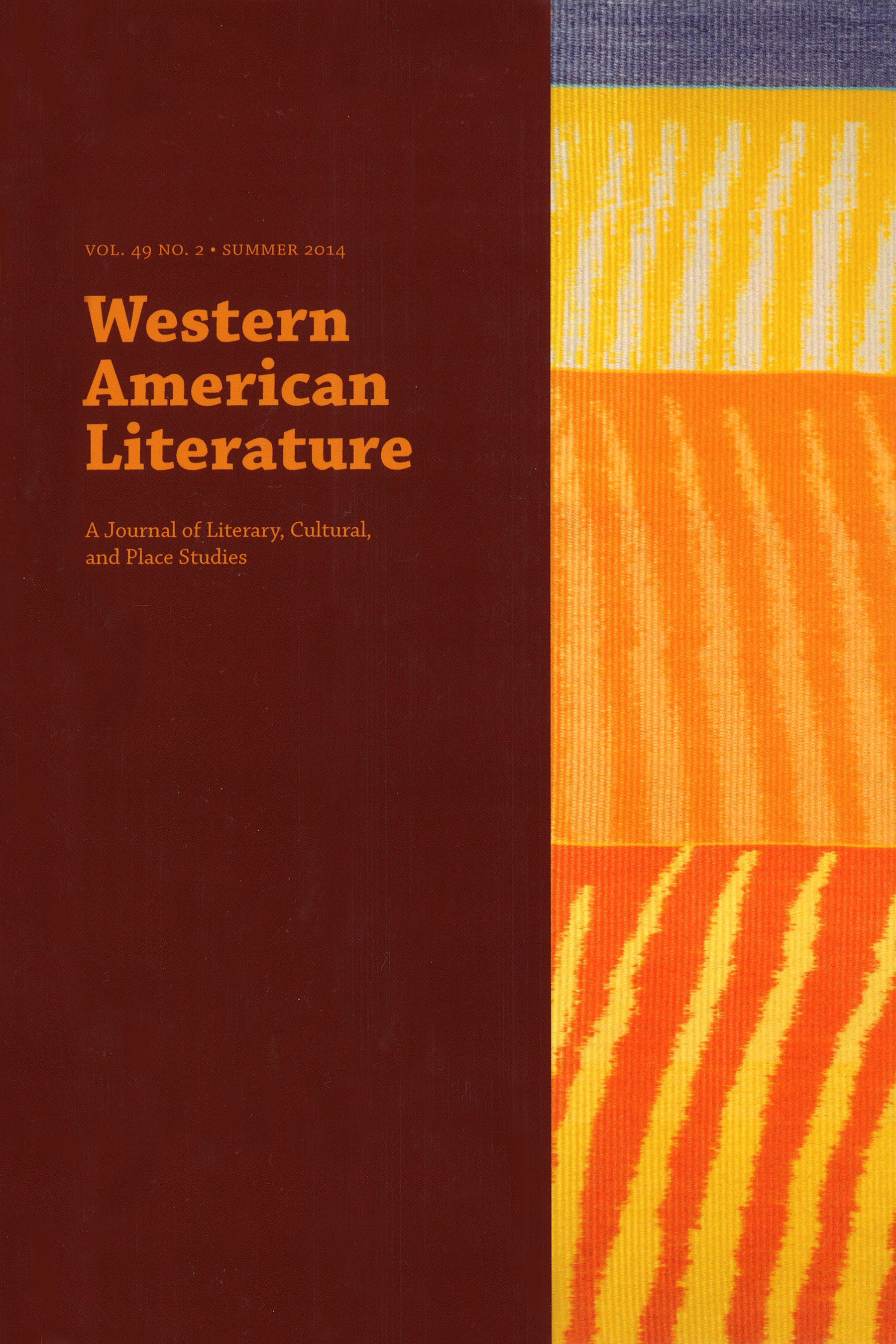
In this close reading of three short stories by Willa Cather, Julia H. Lee argues that Cather offers a particular and peculiar twist on anti-Chinese rhetoric that make clear that her work contains an untapped archive of materials regarding the Chinese in the United States—an archive that does not necessarily contain any accurate information on the lives of the Chinese who worked and lived here, but rather indicates how anti-Chinese discourses were constructed, utilized, and adapted.
Daddy Issues
ERIC C. WAT
Daddy Issues is a collection of moving and complex—yet simply and directly told—stories of queer Asian American experiences in Los Angeles. In many of these stories, the protagonists are artists and writers and other creative thinkers living on the fringe of survival, attempting to align a life of the imagination with the practical considerations of career, income, and family.

Boundless Deep, and Other Stories
GEN DEL RAYE
Winner of the Raz/Shumaker Prairie Schooner Book Prize in Fiction, Boundless Deep, and Other Stories is a portrait of a family that holds together despite everything. By turns introspective, surreal, and bitingly funny, this collection of linked short stories spans seven decades across Japan and the United States and shows the tenacity of relationships fractured by language and distance.

Contemporary Samoan writers confront colonizing, heteropatriarchal uses of Christianity and of Samoan culture that silence and justify abuse committed against girls, women, and fa’afafine (third-gender individuals). The texts document abuse experienced by women, girls, and disabled individuals who grow up in Samoa, or as immigrants in New Zealand or the United States. Their calls for transformation of gender inequities are echoed by those who work in many locations in Oceania to challenge family and sexual violence.
This Fish is Fowl
XU XI
In This Fish Is Fowl Xu Xi offers the transnational and feminist perspective of a contemporary “glocalized” American life. Xu’s quirky, darkly comic, and obsessively personal essays emerge from her diverse professional career as a writer, business executive, entrepreneur, and educator. From her origins in Hong Kong as an Indonesian of Chinese descent to her U.S. citizenship and multiple countries of residence, she writes her way around the globe.

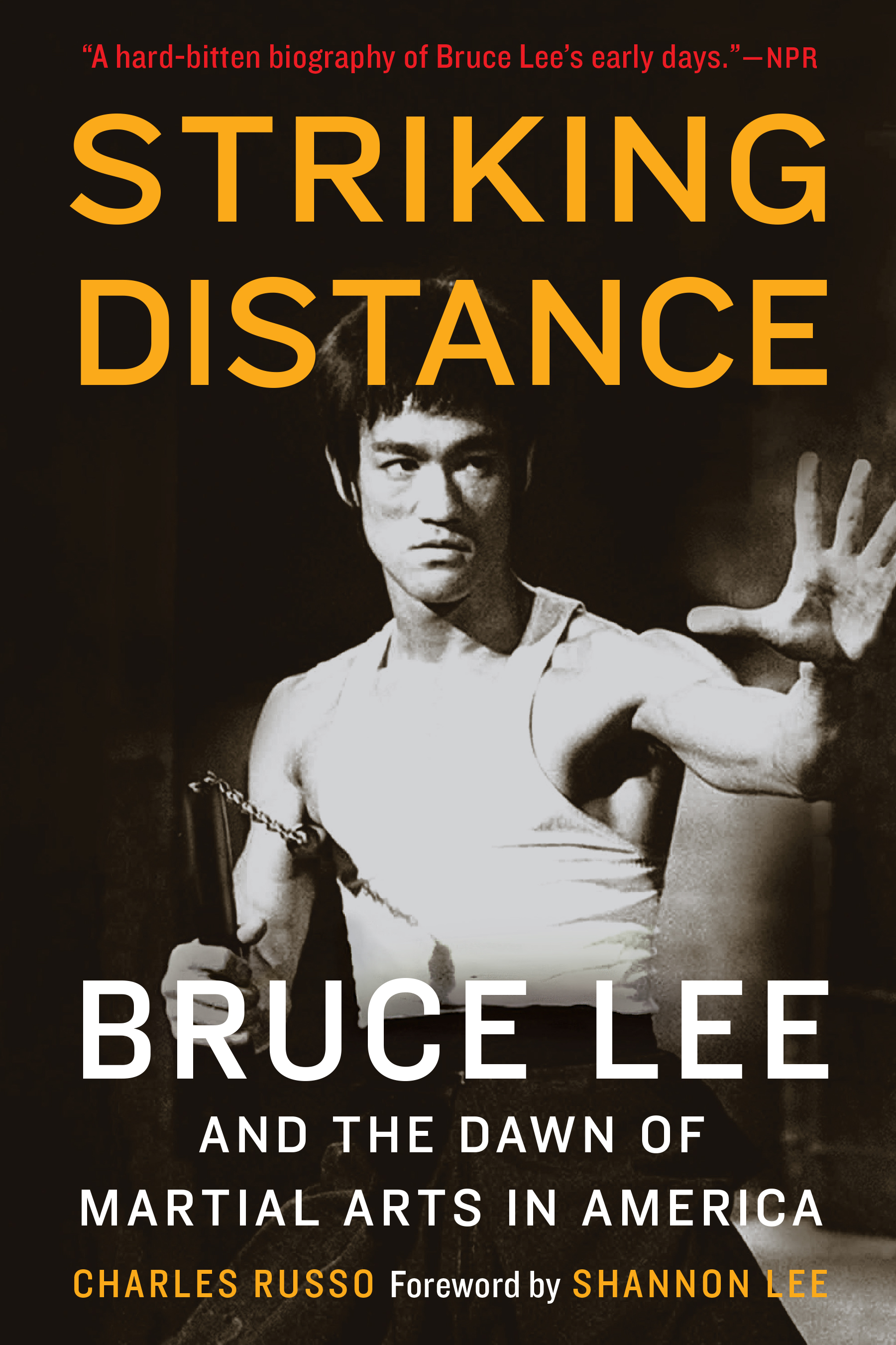
Striking Distance
CHARLES RUSSO
Based on over one hundred original interviews, Striking Distance chronicles Bruce Lee’s formative days amid the heated martial arts proving ground that thrived on San Francisco Bay in the early 1960s.
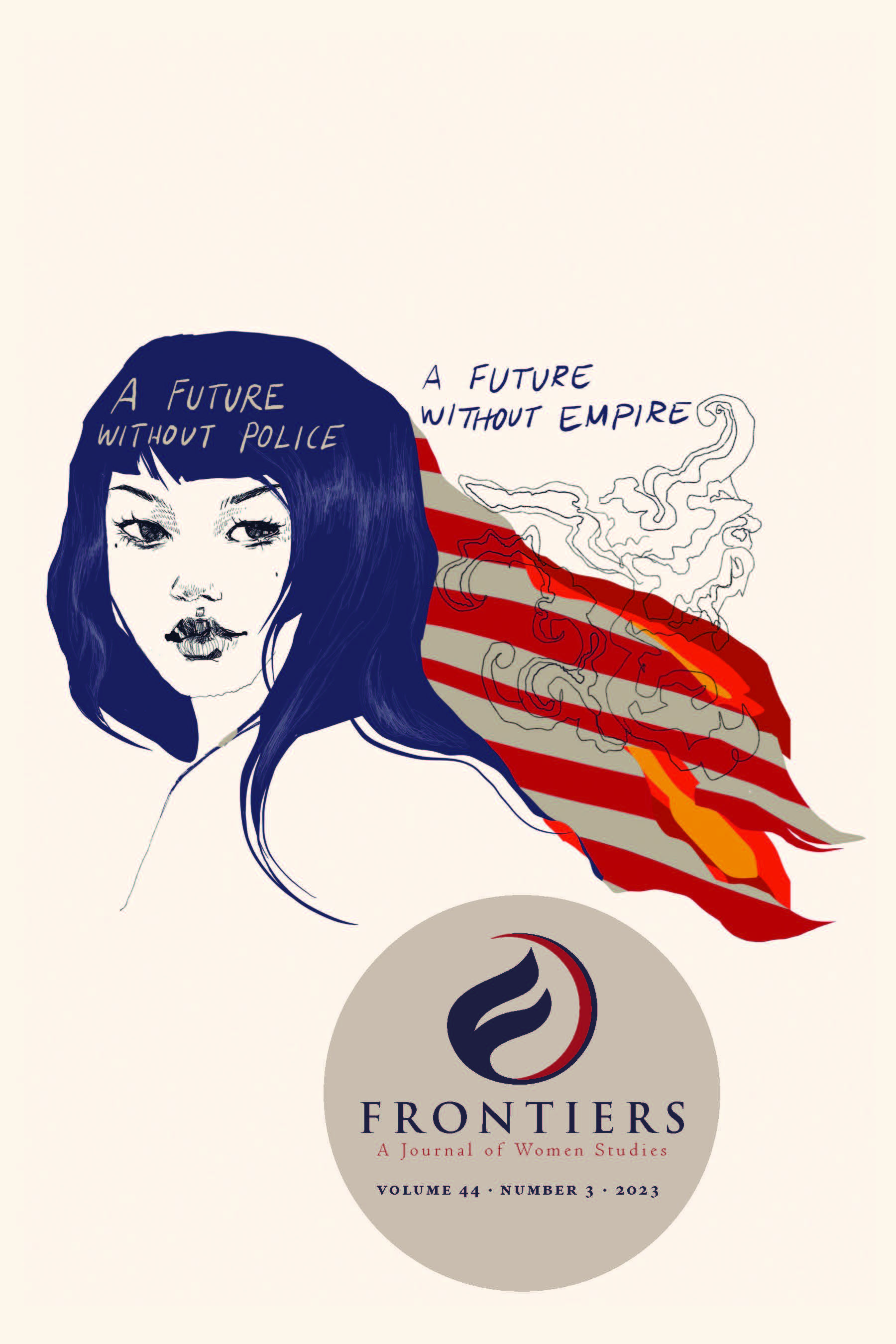
“What Comes after #StopAsianHate? Asian American Feminist Speculation”
ABIGAIL JINJU LEE
From Frontiers 44:3
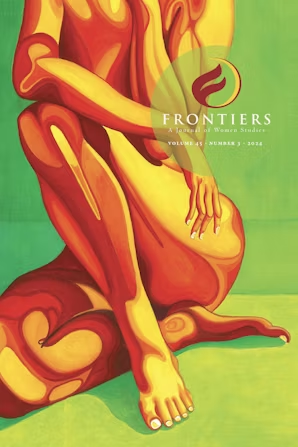
Growing Asian American abolition feminisms is a practice not only of politics, organizing, and struggle, but of imagination, and speculative fiction and poetry can work to inspire and sustain such imaginations. This article analyzes Franny Choi’s queer feminist cyborg poetics, Kai Cheng Thom’s memoir Fierce Femmes and Notorious Liars, and Vandana Singh’s utopias of the third kind to consider Asian American feminist futurities and what ways of being-otherwise we can share in the present and future, shaped by connection, community, and care, rather than urgency, scarcity, and fear.
Ties That Bind
HANNAH KIM
Ties That Bind narrates five stories of how a transnational community helped shape American perceptions and understandings of Korea and Koreans, from a time when only a small number of Americans knew anything about Korea to a time when most Americans were aware of Korea’s geopolitical significance.

Waterman
DAVID DAVIS
Long before Michael Phelps and Mark Spitz made their splashes in the pool, Kahanamoku emerged from the backwaters of Waikiki to become America’s first superstar Olympic swimmer. The original “human fish” set dozens of world records and topped the world rankings for more than a decade; his rivalry with Johnny Weissmuller transformed competitive swimming from an insignificant sideshow into a headliner event.

For further reading, check out Frontiers 44:3 and Frontiers 45:1 which explore Asian American Abolition Feminisms.
 UNP blog