June is Pride Month! We’re celebrating with a reading list that explores all aspects of queer life through scholarship, poetry, and fiction. These works investigate the history and futurities of queer identity and experience.
Save 50% on all books during our Summer Reading Sale.
I Make Envy on Your Disco
ERIC SCHNALL
It’s the new millennium and the anxiety of midlife is creeping up on Sam Singer, a thirty-seven-year-old art advisor. Fed up with his partner and his life in New York, Sam flies to Berlin to attend a gallery opening. There he finds a once-divided city facing an identity crisis of its own. In Berlin the past is everywhere: the graffiti-stained streets, the candlelit cafés and techno clubs, the astonishing mash-up of architecture, monuments, and memorials.

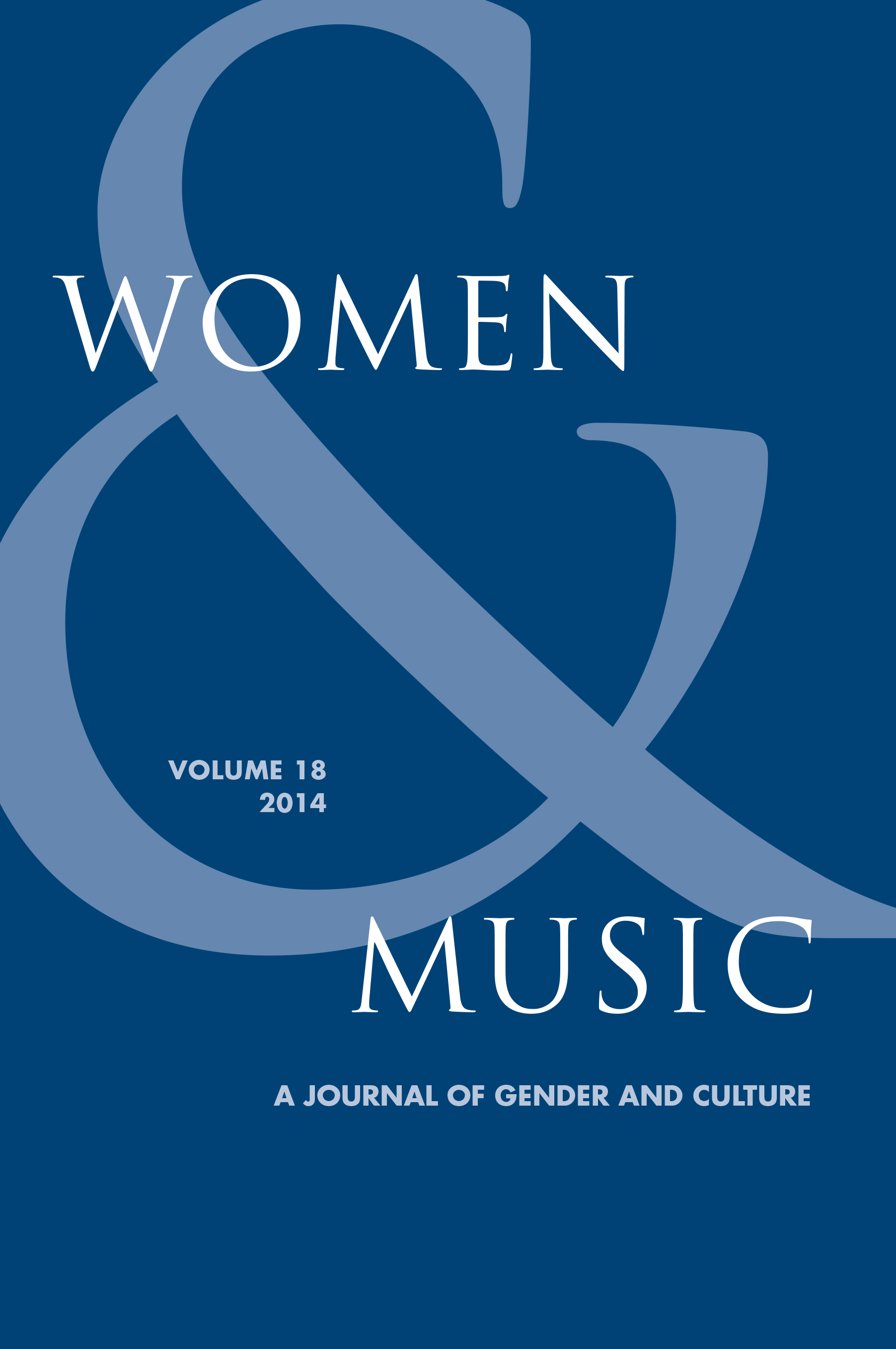
Queer Relationships with Music and an Experiential Hermeneutics for Musical Meaning
SARAH HANKINS
From Women and Music 18:1
The 1990s saw the emergence of a queer musicology that employed the slippages and transgressions of queer experience as tools in the construction of a framework for apprehending the sprawling category of “musical meaning.” More than two decades on, queer musicology’s radical interventions retain immense salience, mapping a path through one of our discipline’s longest-standing and most complex dilemmas: How might we reconcile immediate, embodied musical experience with hermeneutics, criticism, and analysis?
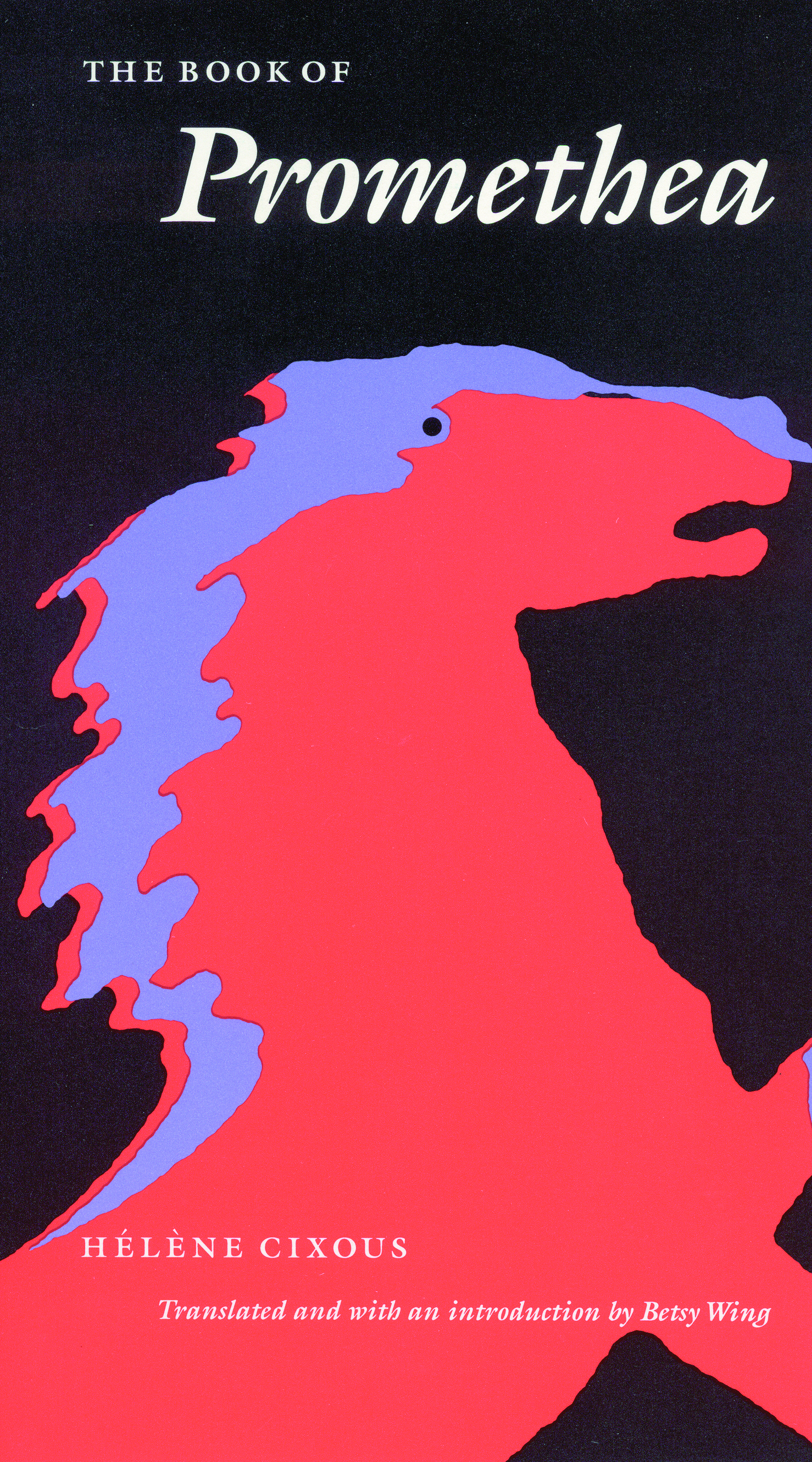
The Book of Promethea
HÉLÈNE CIXOUS translated by BETSY WING
In writing Le Livre de Promethea Hélène Cixous set for herself the task of bridging the immeasurable distance between love and language. She describes a love between two women in its totality, experienced as both a physical presence and a sense of infinity. The result is a stunning example of Pecriture feminine that won kudos when published in France in 1983.
Might Kindred
MÓNICA GOMERY
The poems of Might Kindred wonder aloud: can we belong to one another, and “can a people belong to a dreaming machine?” Conjuring mountains and bodies of water, queer and immigrant poetics, beloveds both human and animal, Mónica Gomery explores the intimately personal and the possibility of a collective voice.

In this article, trans-focused challenges from Kadji Amin and Jules Gill-Peterson to taxonomies of queer identity, and specifically to the nonbinary, undergird Alison Sperling’s attempt to imagine the nonbinary beyond gender identity.
All Daughters Are Awesome Everywhere
DEMISTY D. BELLINGER
Fantastical, sensual, and as beguilingly strange as they are insightful and real, the stories of All Daughters Are Awesome Everywhere are centered around intimate familial or romantic relationships, featuring protagonists who make awesome discoveries—from the beautiful to the horrible—in seemingly mundane situations.

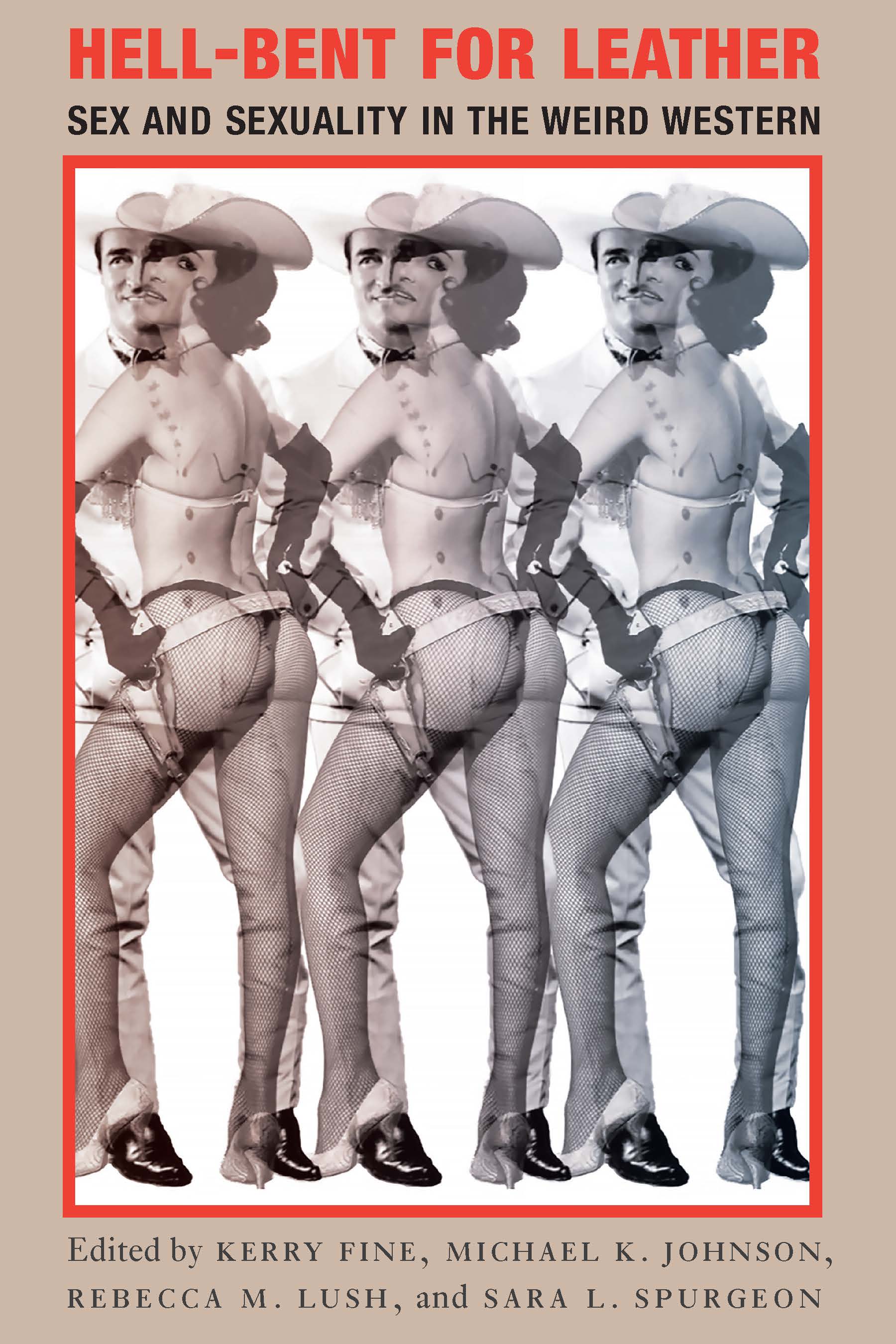
Hell-Bent for Leather
EDITED BY KERRY FINE, MICHAEL K. JOHNSON, REBECCA M. LUSH AND SARA L. SPURGEON
This new collection takes a deep dive into the myriad ways sex and sexuality are imagined in weird western literature, film, television, and video games, paying special attention to portrayals of power and privilege. The contributors explore weird western challenges to assumptions about varied genders and sexualities, drawing our attention to how the western can reinforce existing gender and sexual paradigms or overturn them in delightful, terrifying, or unexpected ways.
From the Perspectives of Black LGBTQS in the US
CARLENE BUCHANAN TURNER
For lesbian, gay, bisexual, and transgender (LGBT) people, being comfortable with medical professionals is important. A nation-wide sample of 1,374 Black LGBT people is used to examine the importance of identity, health, and demographics on the belief/perception that medical providers are comfortable with sexual identity issues.
The Spring before Obergefell
BEN GROSSBERG
It’s not easy for anyone to find love, let alone a middle-aged gay man in small-town America. Mike Breck works multiple part-time jobs and bickers constantly with his father, an angry conservative who moved in after Mike’s mother died. Then he meets a local guy, Dave, just as lonely as he is, and starts to think that maybe he doesn’t have to be alone.

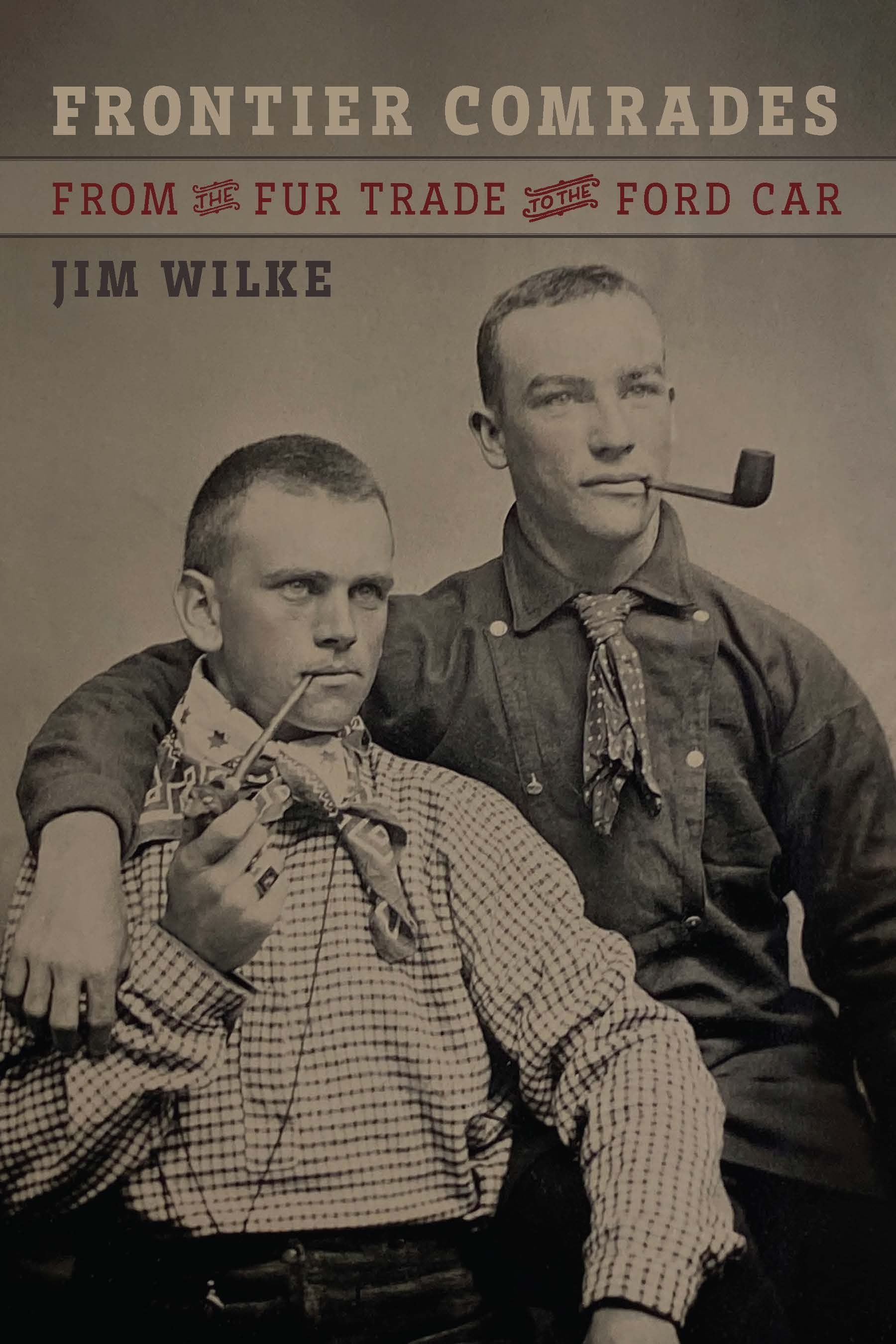
Frontier Comrades
JIM WILKE
Frontier Comrades examines six accounts of lesbian, gay, bisexual, and transgender lives on the frontier of the American West. Each account interprets this history through experiences that take place in different parts of the West, moving chronologically from the fur trade era to the dawn of the automobile age.
Maricas
JAVIER FERNÁNDEZ-GALEANO
In Maricas Javier Fernández-Galeano traces the erotic lives and legal battles of Argentine and Spanish gender- and sexually nonconforming people who carved out their own spaces in metropolitan and rural cultures between the 1940s and the 1980s.

Alicia Cox offers a “more complex treatment” of boarding school histories by exploring the ways Polingaysi’s as-told-to autobiography, No Turning Back: A Hopi Indian Woman’s Struggle to Live in Two Worlds (1964), complicates and challenges Indian victimization rhetoric while explaining why we may usefully consider No Turning Back as a queer Indigenous and decolonial text.

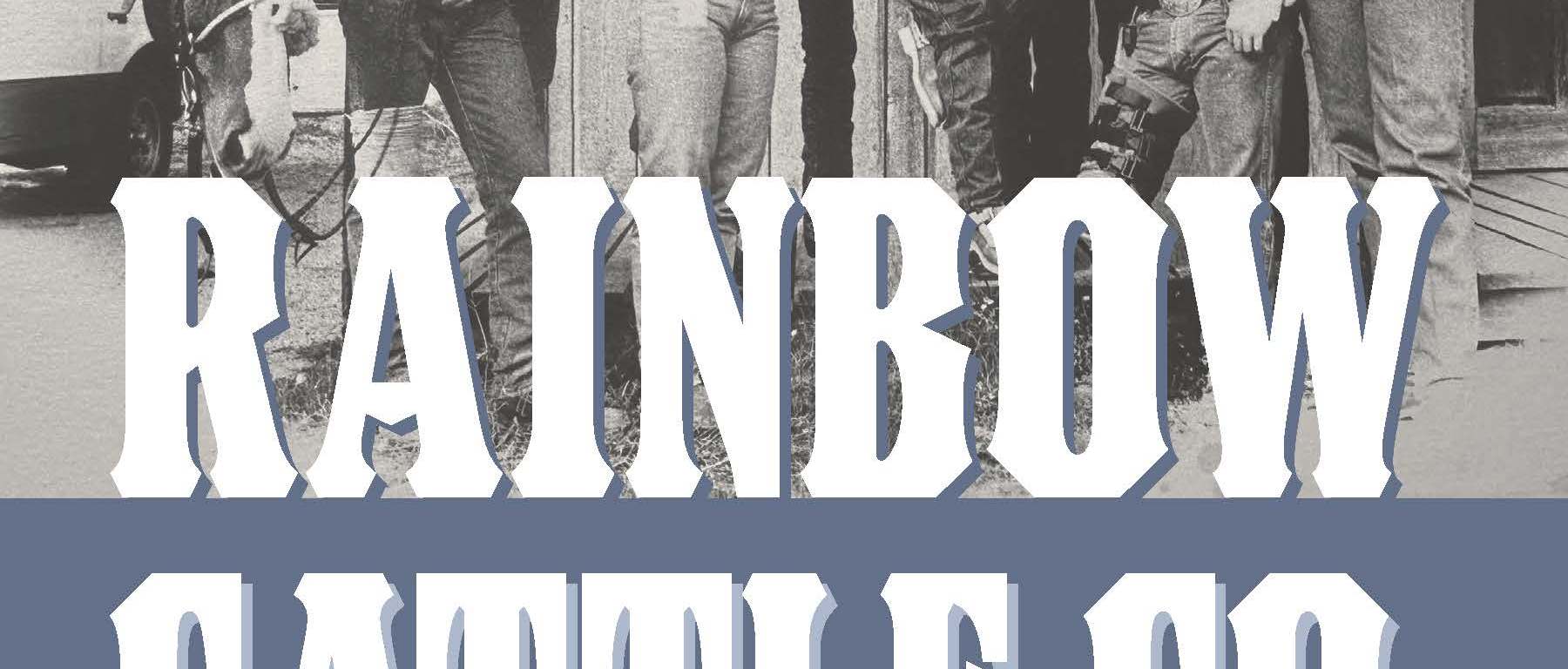
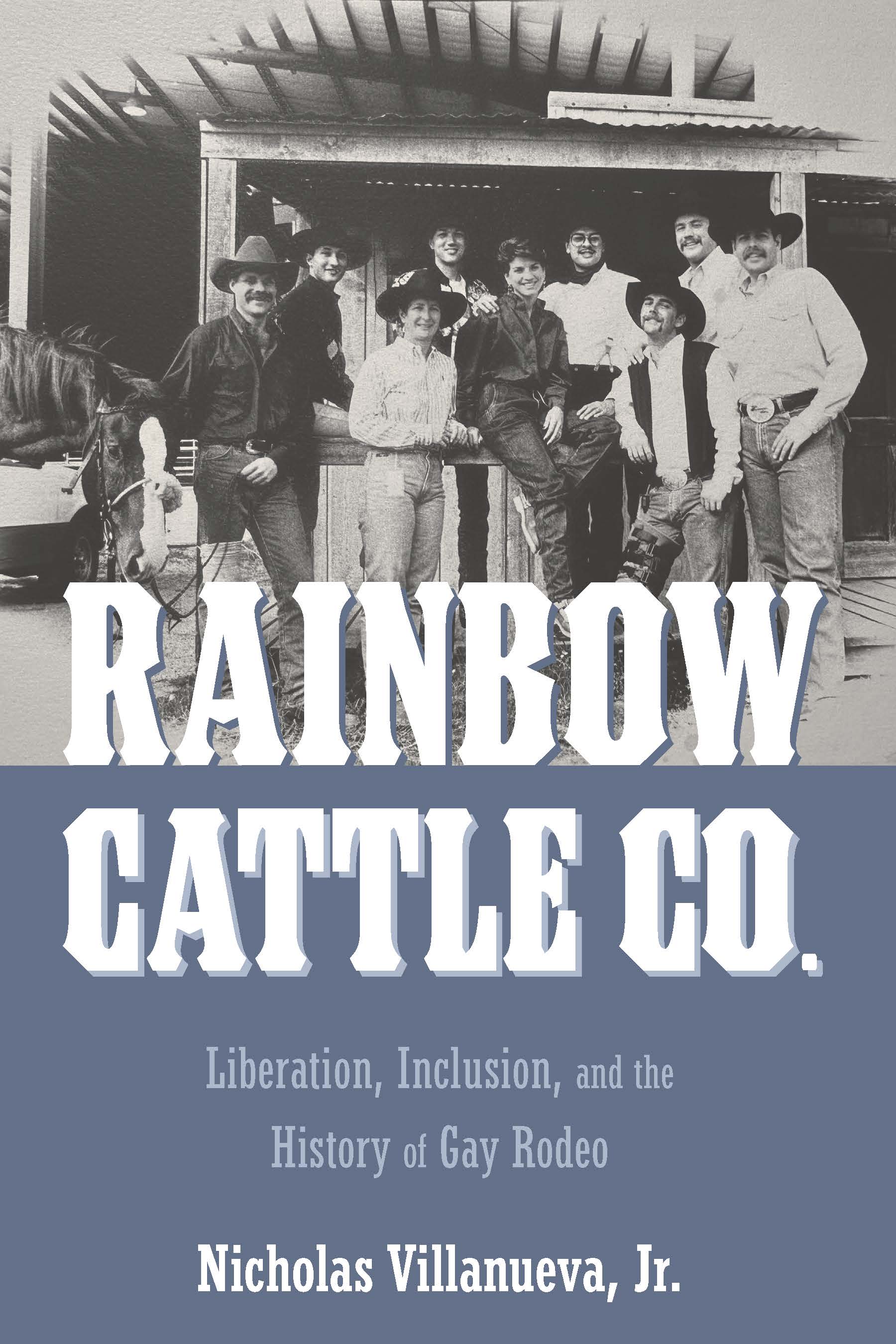
Rainbow Cattle Co.
NICHOLAS VILLANUEVA JR.
Rainbow Cattle Co. tells the story of gay rodeo as an overlooked and important part of the LGBTQ liberation movement. LGBTQ rodeo athletes liberated themselves from the heteronormative social world of sport and upended stereotypes of sport and queer identity. Organizers, athletes, and spectators fought to protect their rights to openly participate in sports, and their activism was pivotal in the fight against AIDS.
Forget I Told You This
HILARY ZAID
Amy Black, a queer single mother and an aspiring artist in love with calligraphy, dreams of a coveted artist’s residency at the world’s largest social media company, Q. One ink-black October night, when the power is out in the hills of Oakland, a stranger asks Amy to transcribe a love letter for him. When the stranger suddenly disappears, Amy’s search for the letter’s recipient leads her straight to Q and the most beautiful illuminated manuscript she has ever seen—and to a group of data privacy vigilantes who want her to burn Q to the ground.

 UNP blog