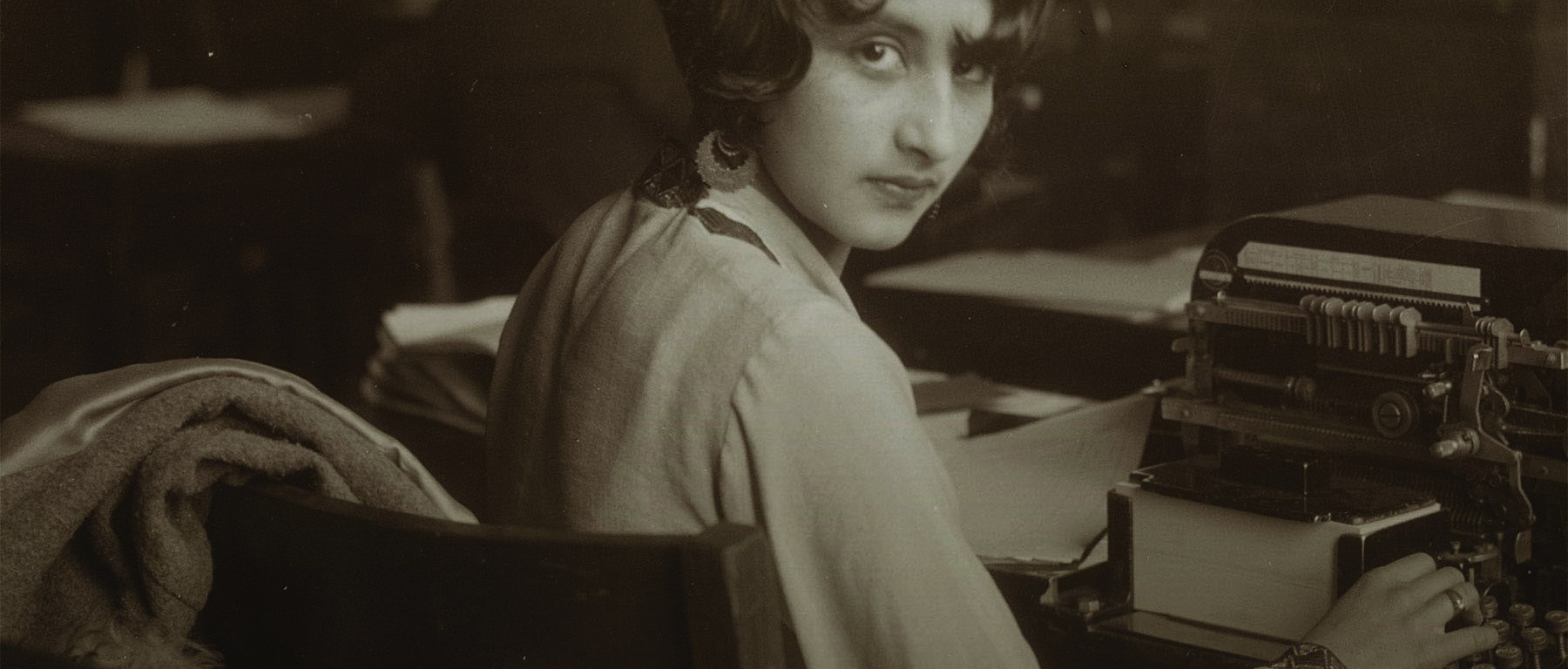
To celebrate Labor Day, we’ve curated a reading list that sheds light on invisible labor throughout history.
Whether uncovering the experiences of immigrant Mayan meatpackers in the Great Plains or scholars of color within academia, the books and articles in this list examine and challenge the status quo of labor distribution while highlighting the groups working to enshrine rights for laborers around the world.
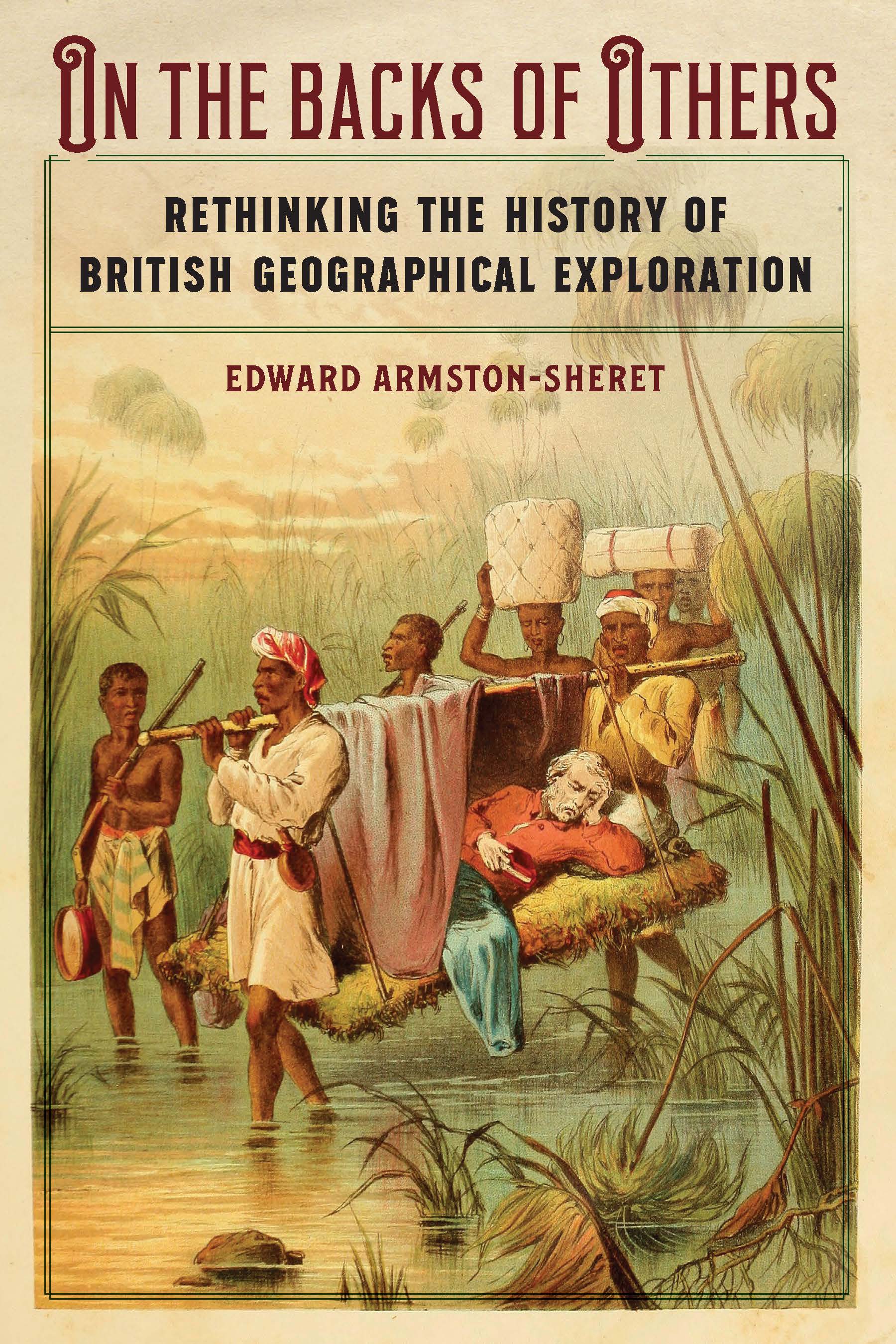
On The Backs of Others
EDWARD ARMSTON-SHERET
In On the Backs of Others Edward Armston-Sheret offers new perspectives on British exploration in this era by focusing on the contributions of the people and animals, ordinarily written out of the mainstream histories, who made these journeys possible.
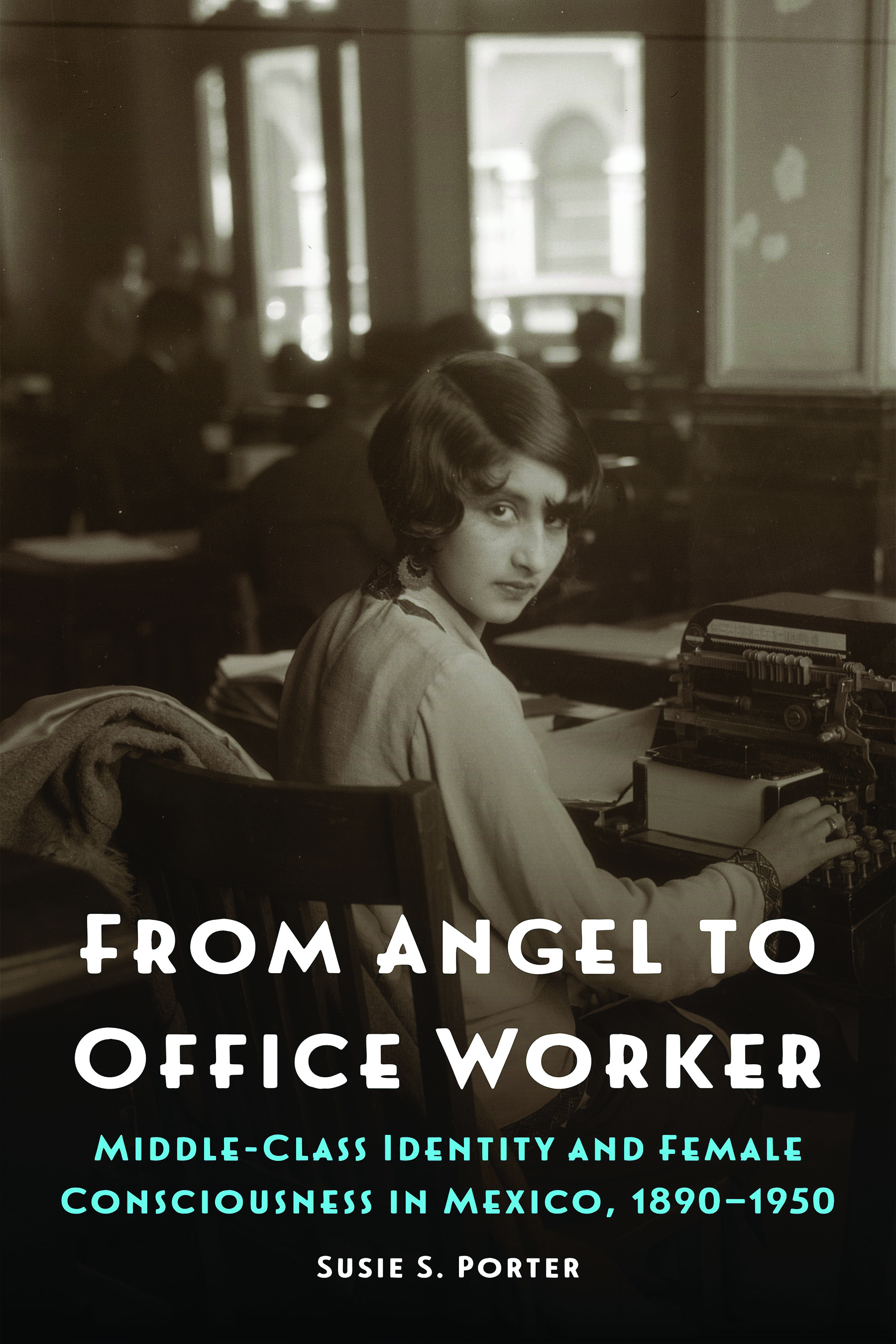
From Angel to Office Worker
SUSIE S. PORTER
To understand how office workers shaped middle-class identities in Mexico, From Angel to Office Worker examines the material conditions of women’s work and analyzes how women themselves reconfigured public debates over their employment.
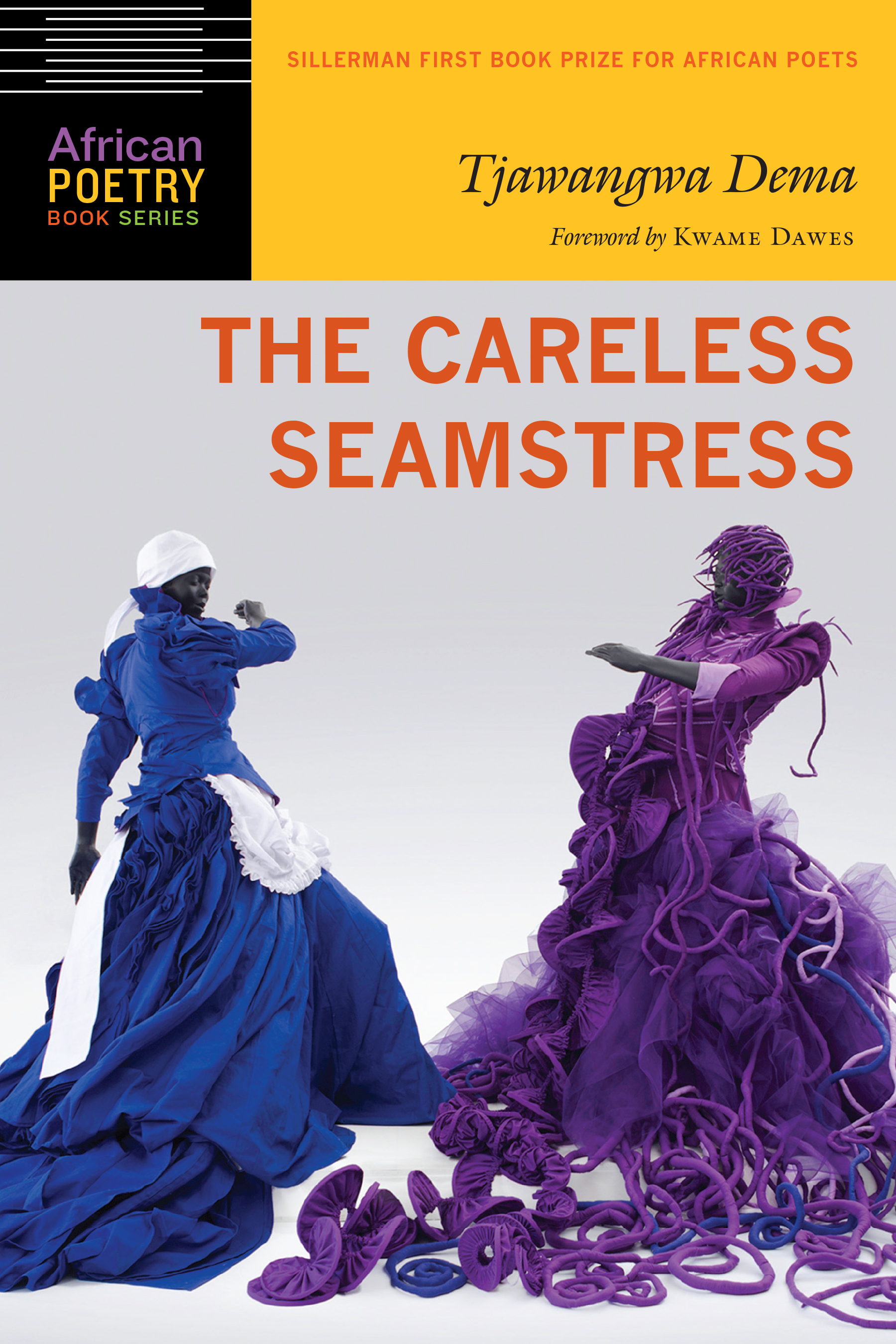
The Careless Seamstress
TJAWANGWA DEMA
The girls and women in these poems are not mere objects; they speak, labor, and gaze back, with difficulty and consequence. The female body—as a daughter, wife, worker, cultural mutineer—moves continually across this collection, fetching water, harvesting corn, raising children, sewing, migrating, and spurning designations. The female gaze and subsequent voices suggest a different value system that grapples with the gendering of both physical and emotional labor, often through what is done, even and especially when this goes unnoticed or unappreciated.
“Hot Commodities, Cheap Labor: Women of Color in the Academy” became Patti Duncan’s widely circulated contribution to exposing the abuses of higher-ed institutions and the marginalization and mistreatment of women of color faculty and students within women’s and gender studies programs. Through the act of revisiting this publication ten years later, Nguyen and Duncan aim to trace multiple trajectories of feminist knowledge production, particularly regarding women of color and Third World feminisms as well as transnational feminisms in and outside of the academy.

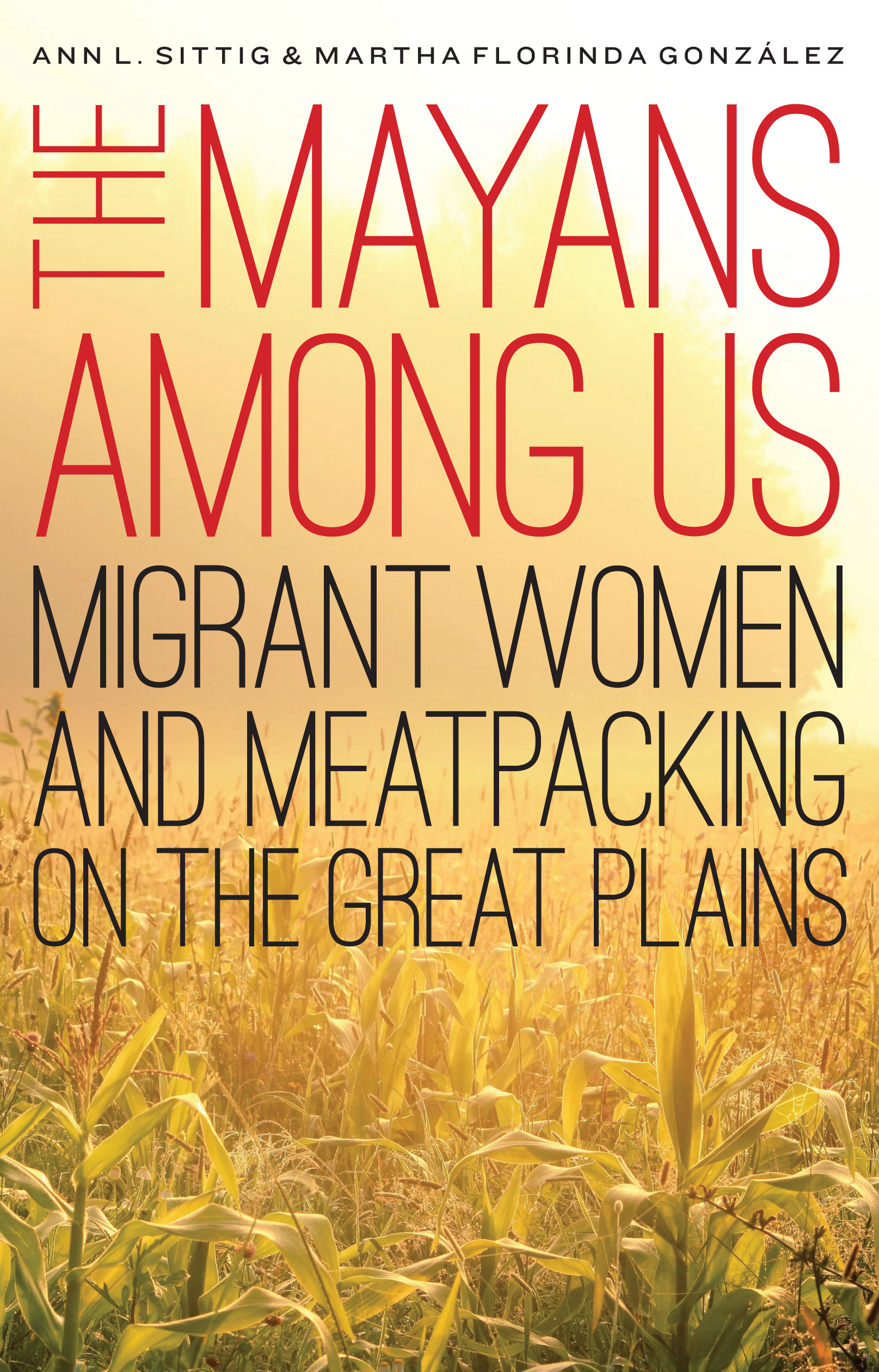
The Mayans Among Us
ANN L. SITTIG AND MARTHA FLORINDA GONZÁLEZ
The Mayans Among Us conveys the unique experiences of Central American indigenous immigrants to the Great Plains, many of whom are political refugees from repressive, war-torn countries. Ann L. Sittig, a Spanish instructor, and Martha Florinda González, a Mayan community leader living in Nebraska, have gathered the oral histories of contemporary Mayan women living in the state and working in meatpacking plants.
The first working-class literature festival in Italy emerged from the collaboration between the struggle of the former GKN workers in Campi Bisenzio in Florence, Tuscan writer and translator Alberto Prunetti, and the Roman publishing house Alegre. The GKN struggle has become the longest-lasting in the history of the Italian movement in Italy—hundreds of workers from a former automotive plant have been fighting for three years against relocation and for the ecological conversion of the factory on the outskirts of Florence.
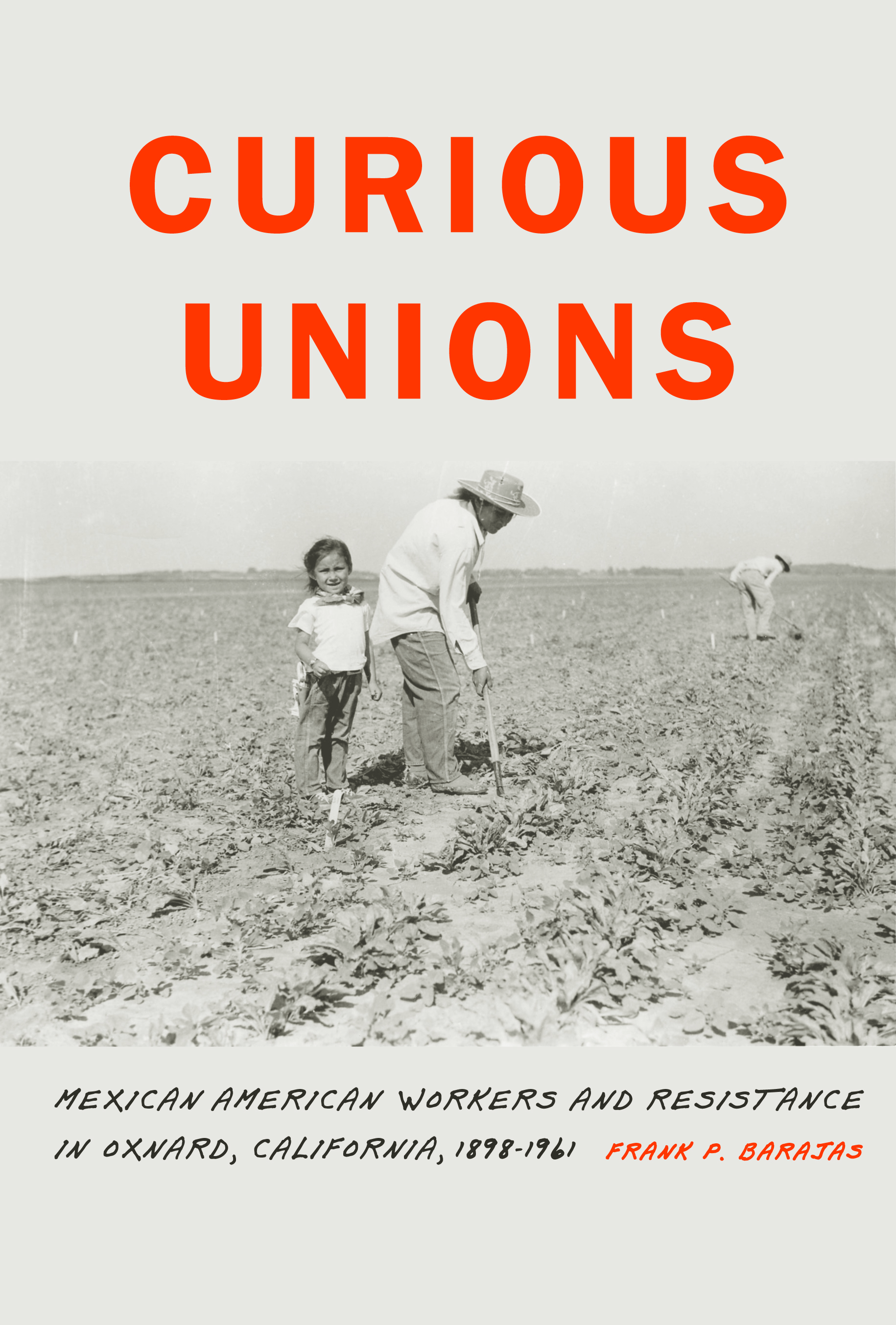
Curious Unions
FRANK P. BARAJAS
Frank P. Barajas examines how the Oxnard ethnic Mexican population exercised its agency in alliance with other groups and organizations to meet their needs before large-scale protests and labor unions were engaged.
Frances Ellen Watkins Harper’s Ethics of Personal Rest and National Restoration
BARBARA MCCASKILL
From Legacy 41:2
Frances Ellen Watkins Harper was a writer, speaker, and orator. From the antislavery movement through Reconstruction, she traveled and wrote at an exceptional and often exhausting pace. Harper also expressed how important it was for civic-minded African American women like herself to lay their burdens down—so goes the old spiritual—and rest. To indulge in self-care in balance with defeating the anti-Blackness that targets individuals and communities is not only radically relevant; it is an absolutely necessary action of self-love.
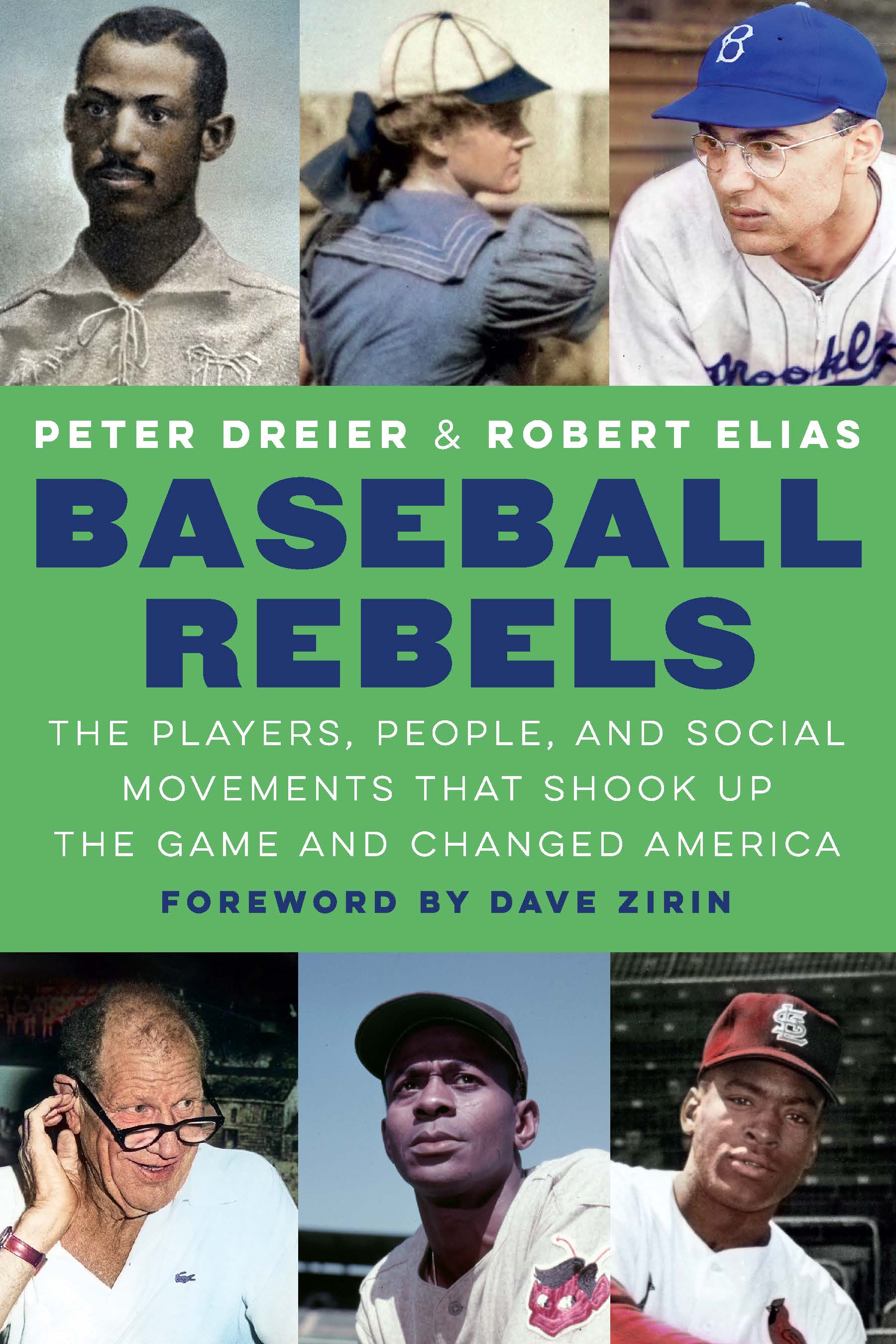
Baseball Rebels
PETER DREIER AND ROBERT ELIAS
Since baseball emerged in the mid-1800s to become America’s pastime, the nation’s battles over race, gender, and sexuality have been reflected on the playing field, in the executive suites, in the press box, and in the community. Baseball Rebels tells stories of baseball’s reformers and radicals who were influenced by, and in turn influenced, America’s broader political and social protest movements, making the game—and society—better along the way.
A long history of cultural depictions insists that political activism and parenting, particularly mothering, are opposed to one another. Sarah Vandegrift Eldridge examines some of these depictions, their embeddedness in graduate training, and how they make mothers worry that they are abandoning their young children when choosing to engage in union work, arguing that labor organizing should be a place for family, too.

Yearning to Labor
JOHN P. MURPHY
Yearning to Labor asks if the French republican model of social integration, assimilation, and equality before the law remains viable in a context marked by severe economic exclusion in communities of ethnic and religious diversity. Yearning to Labor is both an ethnographic account of a certain group of French youths as they navigate a suffocating job market and an analysis of the mechanisms underlying the shifting economic inequalities at the beginning of the twenty-first century.
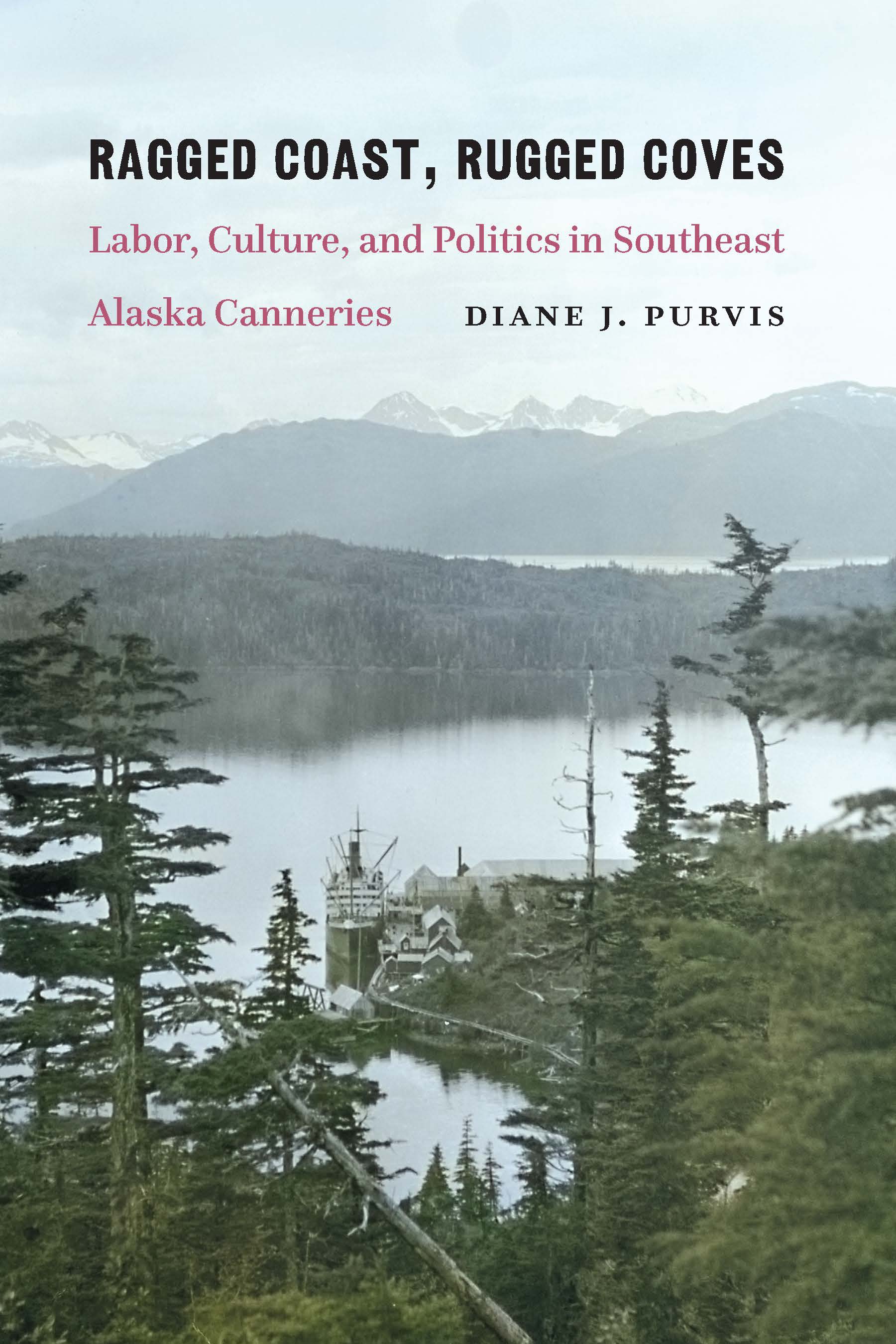
Ragged Coast, Rugged Coves
DIANE J. PURVIS
Explores the untold story of cannery workers in Southeast Alaska from 1878, when the first cannery was erected on the Alexander Archipelago, through the Cold War. Although the labor was difficult and frequently unsafe, the cannery workers and fishermen were not victims. When they saw injustice, they acted on the threat. In the process, the Tlingits and Haidas, clans of Southeast Alaska for more than ten thousand years, aligned their interests with Filipino activists and the union movement.
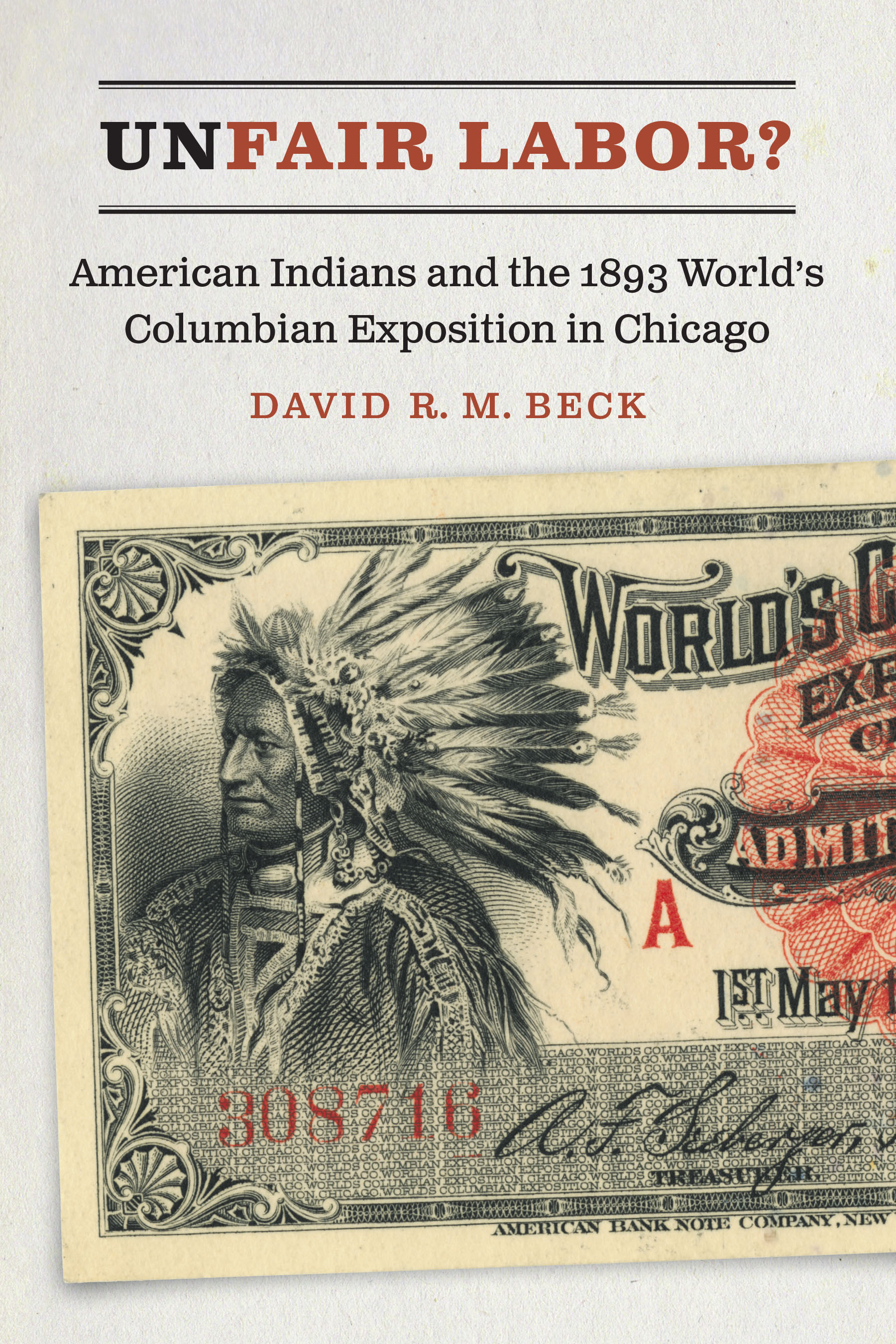
Unfair Labor?
DAVID R. M. BECK
Unfair Labor? Is the first book to explore the economic impact of Native Americans who participated in the 1893 World’s Columbian Exposition held in Chicago. As U.S. federal policies stymied economic development in tribal communities, individual Indians found creative new ways to make a living. Before and during the exposition, American Indians played an astonishingly broad role in both the creation and the collection of materials for the fair, and in a variety of jobs on and off the fairgrounds.
 UNP blog