
The Frontiers Editorial Collective is composed of Sarita Gaytán, Ph.D., Associate Professor of Sociology and Gender Studies at the University of Utah; Debjani Chakravarty, Ph.D., Associate Professor of Gender Studies at the University of Utah; Kimberly M. Jew, Ph.D., Associate Professor of Theatre and Ethnic Studies at the University of Utah; Wanda Pillow, Ph.D., Professor of Gender Studies at the University of Utah; Silvia Patricia Solís, Ph.D., Professor of Gender and Women’s Studies and Environmental Studies at the University of Texas Rio Grande Valley; Ana Antunes, Ph.D., Assistant Professor of Gender Studies at the University of Utah; and Elise Homan, Ph.D., Managing Editor for Frontiers.
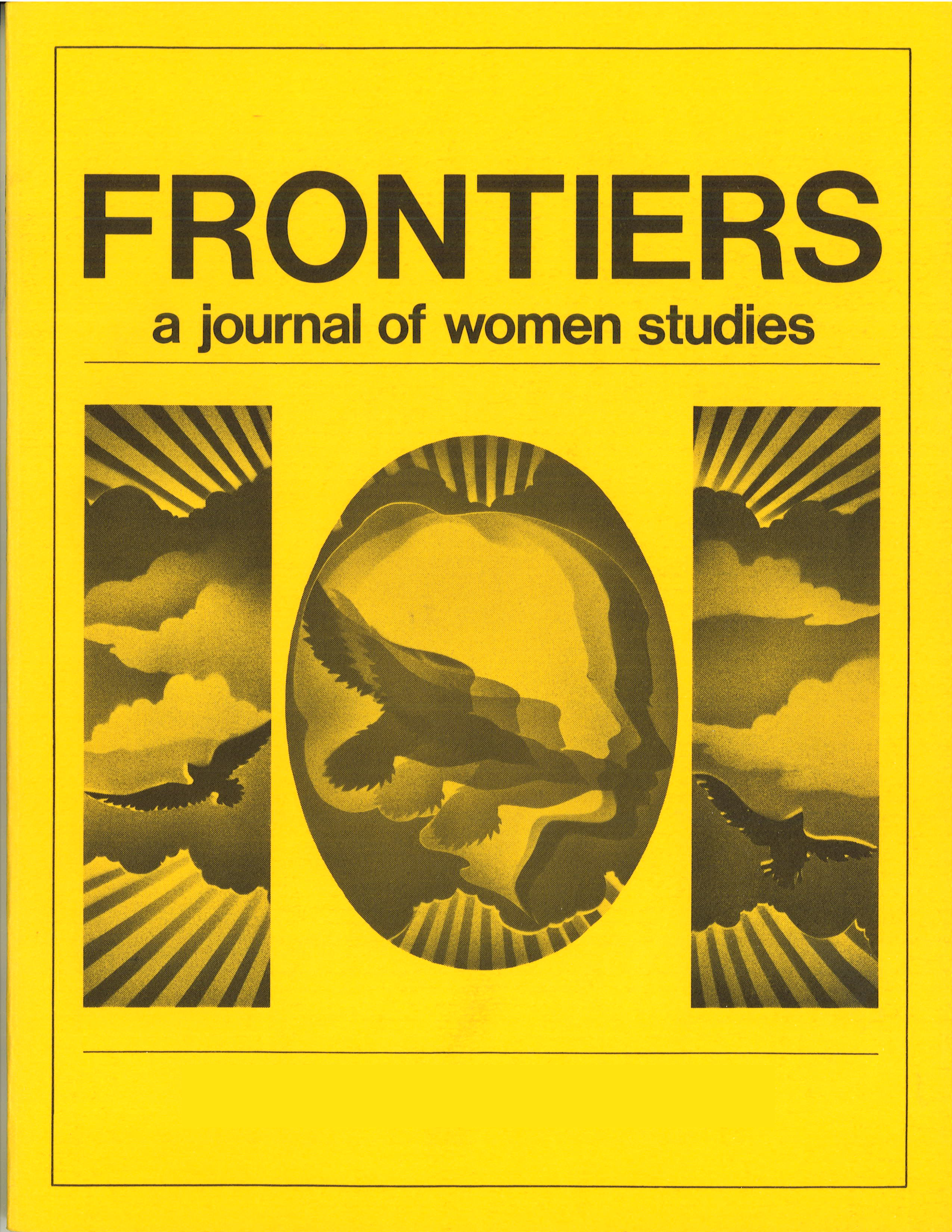
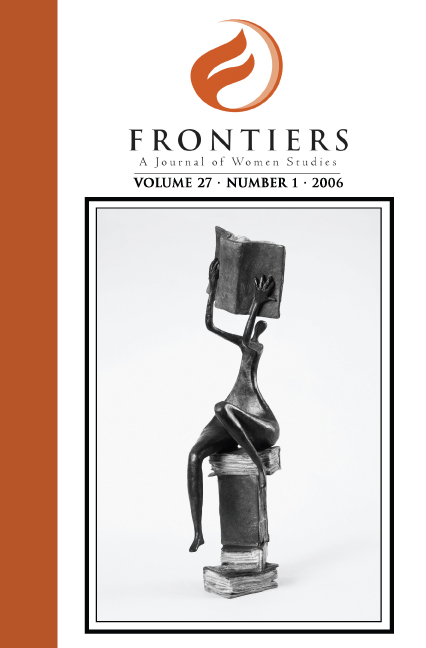
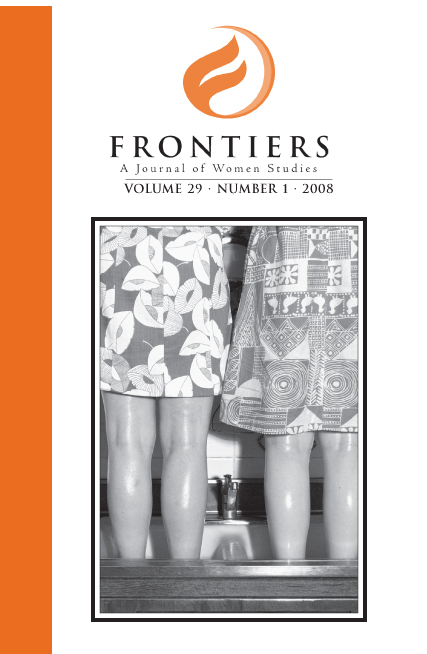
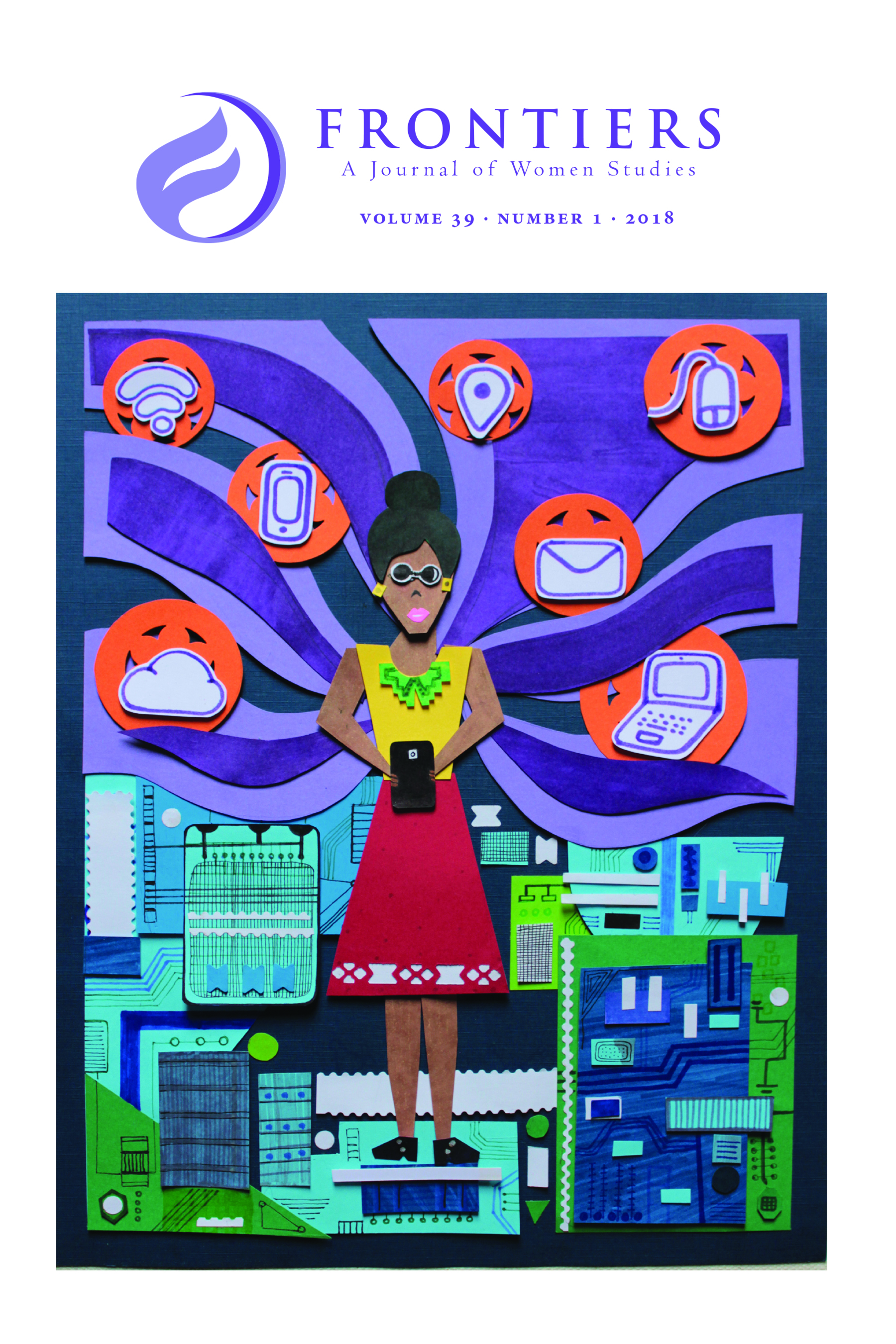
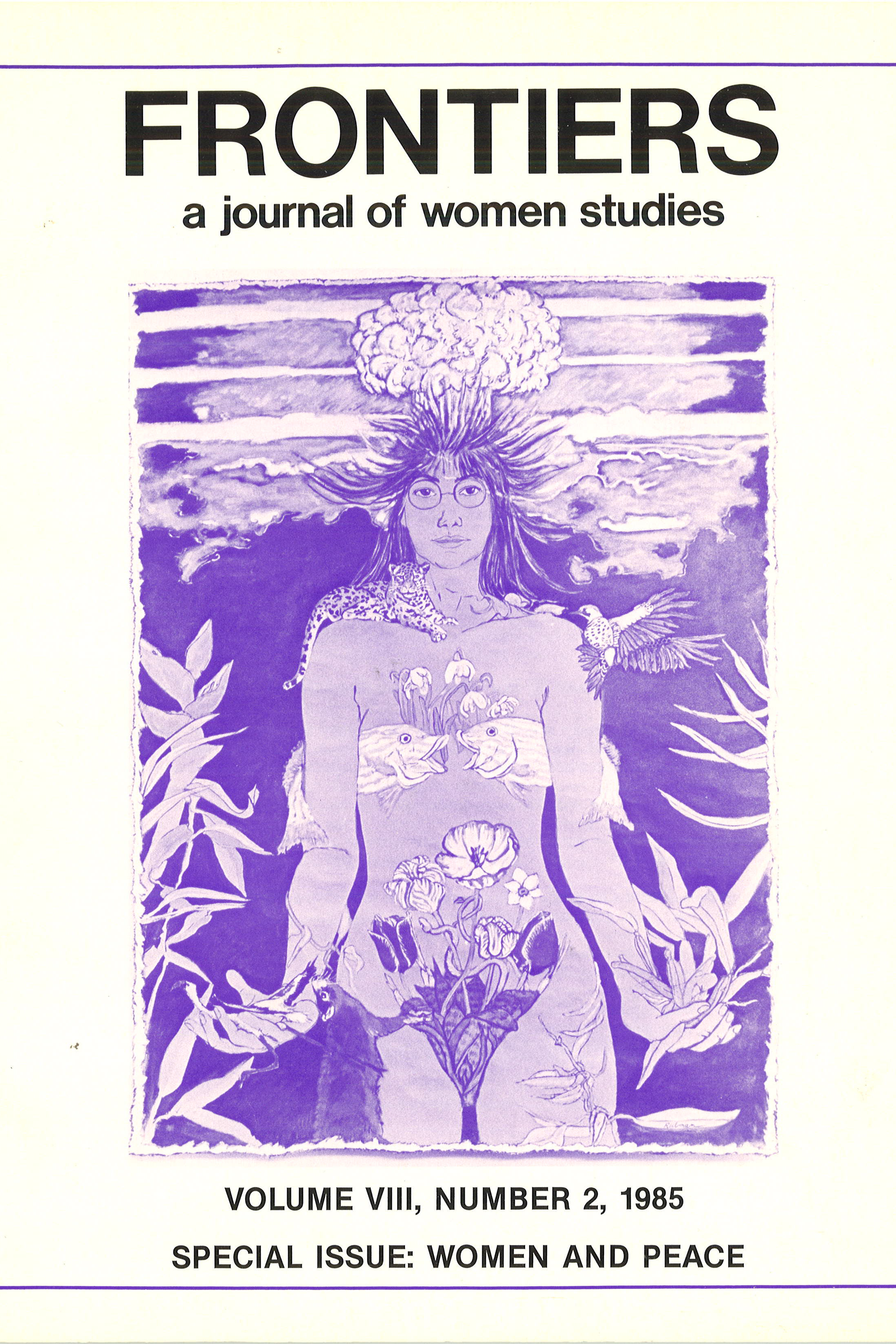
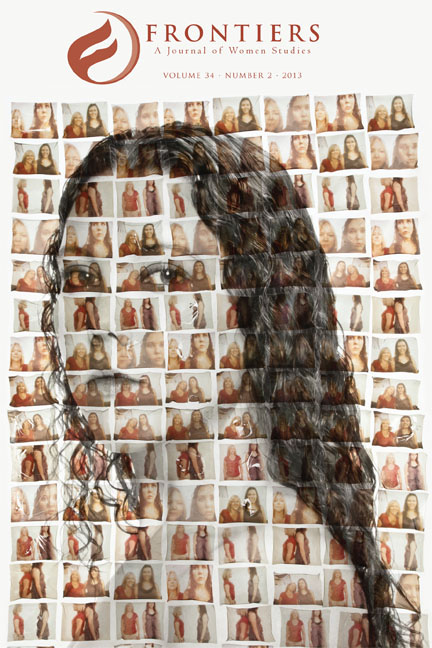
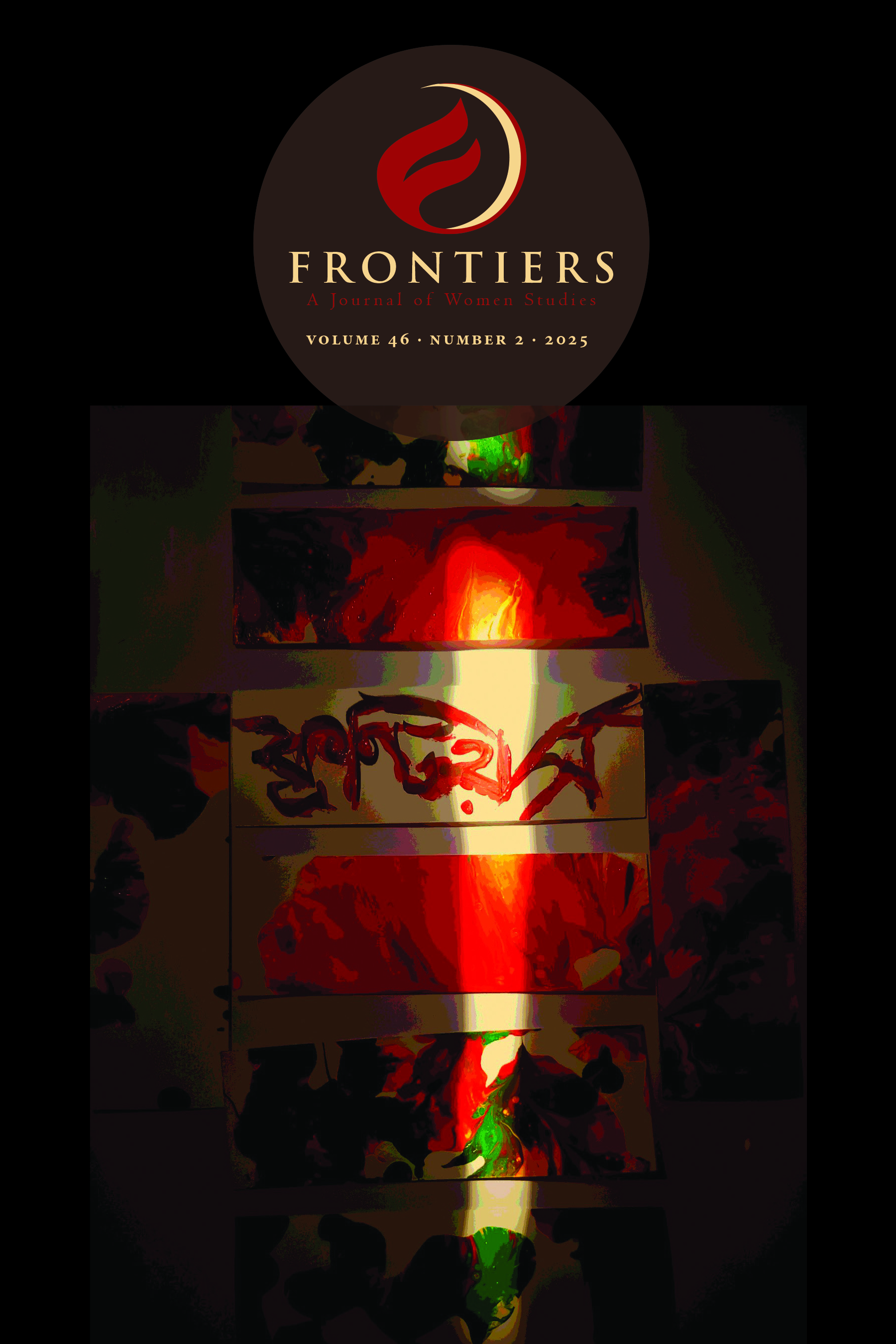
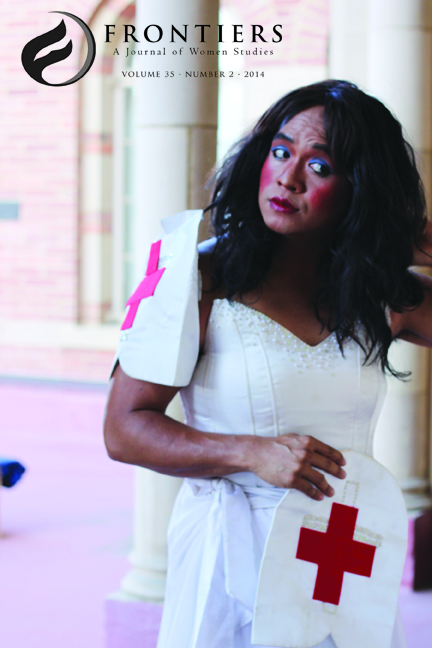
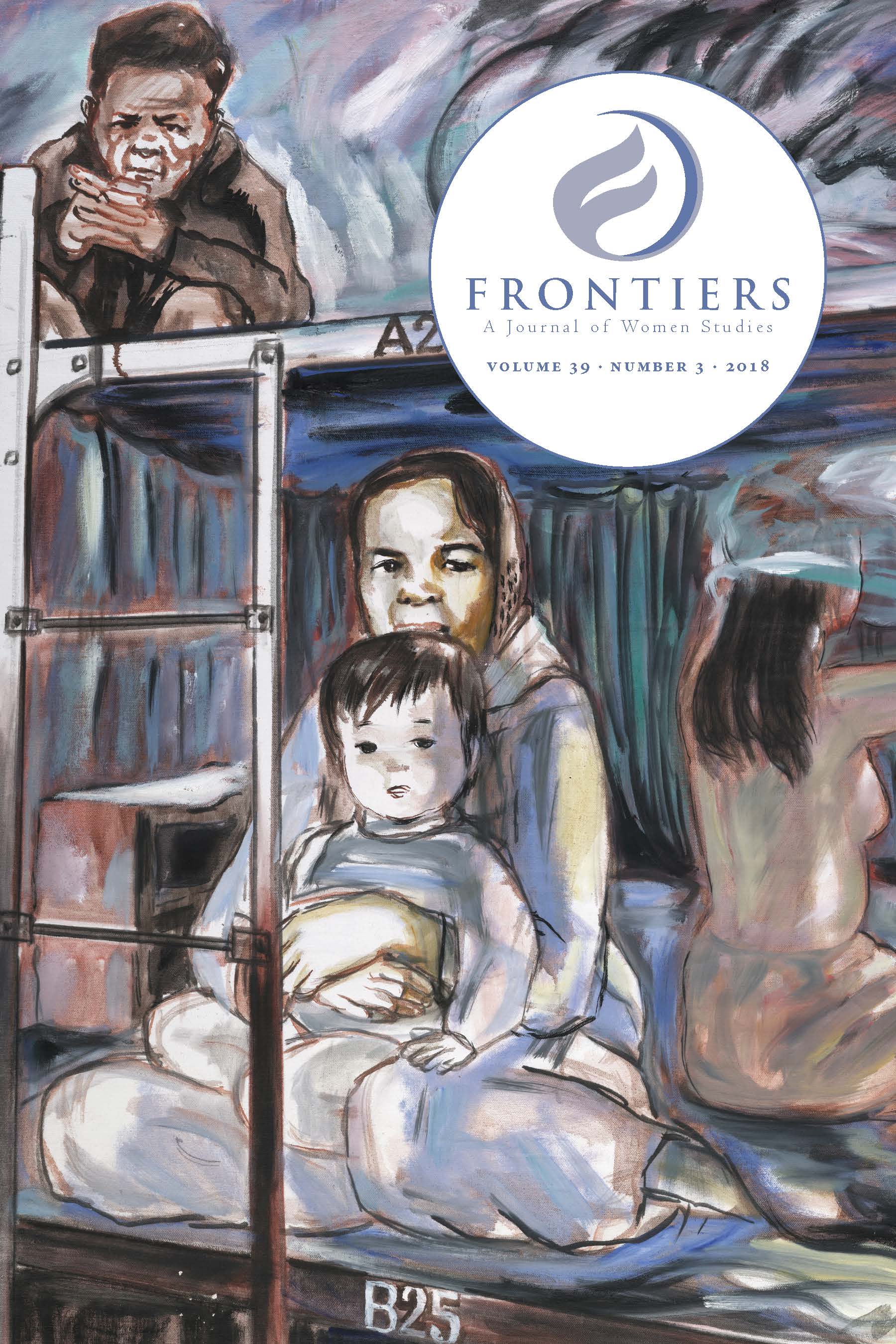
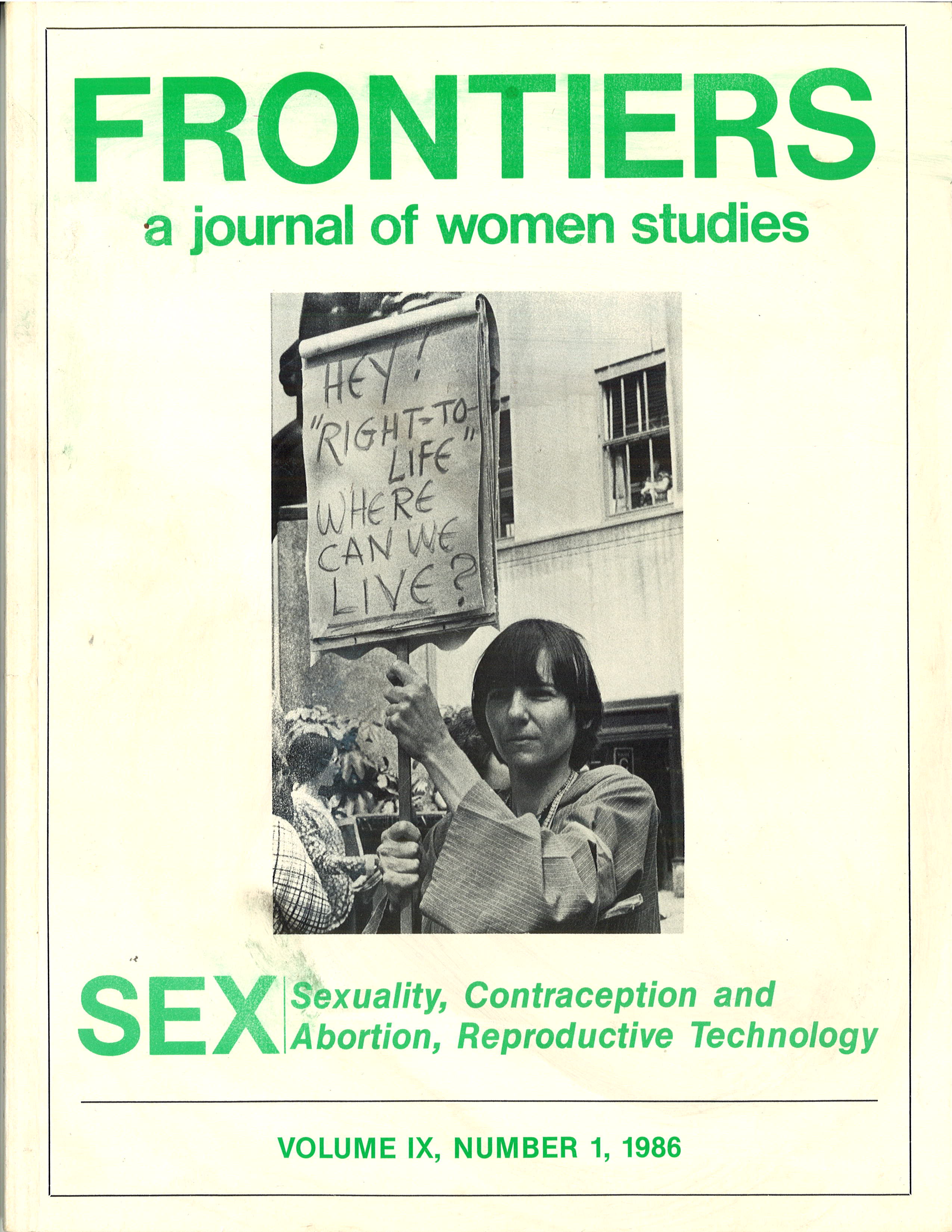
In 1974, a small group of women in Boulder, Colorado organized to create a new national journal that would center women’s stories, voices, and diverse experiences. Motivated by the recent success of a local movement of professors, students, and community members to develop a women’s studies program at the University of Colorado-Boulder, this group (many of whom participated in this movement) founded Frontiers: A Journal of Women Studies as a volunteer-based, grassroots feminist publication. The founding members formed an “editorial collective” and published their first issue one year later, during the fall of 1975.
In the first issue’s introduction, the editorial collective explained that the available feminist publications at the time were “largely either scholarly or popularized,” creating a division that reinforced a broader division in the feminist movement between university women and “our sisters in the ‘real world.’”[i] They aimed to address this gap by connecting academic and community-based feminist knowledge through publishing articles and creative works that emphasized the significance of women across a range of social differences. Based on their commitment “to the idea and practice of collective work,” the founding members sought to enact feminist values through the journal’s inclusive vision and consensus model. They saw this work as a critical part of the fight for women’s liberation.
Now, in 2025, Frontiers is celebrating the 50th anniversary of this inaugural issue. Throughout its 50 years, and across its travels to different universities and editorial collectives, the journal has made significant contributions to the study of women, gender, and sexuality and to the advancement of feminist practices and discourses. To commemorate this significant milestone, the editorial collective at the journal’s current home of the University of Utah is releasing two special issues that use Frontiers’ 50th anniversary as a point of departure for a broader examination of the past, present, and future of feminist theory, methodology, politics, and publishing. These issues reveal how the history of Frontiers in many ways tells a story of the broader history of feminism—its shifts, conflicts, setbacks, and successes.
Frontiers was one of the first feminist academic journals in the United States, and thus at its founding, it lacked institutional support and recognition. As the field of women’s and gender studies became legitimized, it added more credibility and resources to Frontiers’ efforts—and in turn, Frontiers, along with other feminist academic journals, helped to legitimize the field at large. However, in this process of institutionalization, the journal faced new strains on maintaining the journal’s original feminist approach and became exposed to other barriers to feminist publishing.
For example, in the tenth anniversary issue, the editorial collective celebrated the journal’s survival alongside “the growth of women’s studies and its place in the academy after more than a decade.”[ii] These gains, they admitted, were tenuous, as they were still marginalized and ignored by the patriarchal academy. They also worried that their inclusion in this institution was impeding “our bonds with the community, of our original goals and visions.” Despite these setbacks, including experiencing a revived conservative and antifeminist backlash, the editors emphasized a narrative of empowerment for the future of the journal. Similarly, the 40th anniversary issue, published in 2015, included a reflection piece written by multiple former editors that recounted ongoing struggles for feminism both inside and outside the university.[iii] Again, although these editors acknowledged the difficulties with sustaining the journal’s original mission, they remained committed to these feminist ideals and enacting them in the ways they could.
The introductions to both of our special 50th anniversary issues echo these previous ones—marking a historic milestone for the journal and feminist publishing that is situated within multiple academic, political, and social challenges and constraints, both old and new, while simultaneously highlighting empowerment, resistance, solidarity, and resilience. These issues, Volume 46, Numbers 1 and 2, are now available and open access.
In addition to these two special issues, the editorial collective is hosting a 50th anniversary event at the National Women’s Studies Association conference in San Juan, Puerto Rico. This event involves a roundtable discussion immediately followed by a reception, where current and past editorial members, authors, and any attendees who would like to join, can gather to discuss and celebrate Frontiers and the past 50 years of feminist scholarship, community, and activism.
[i] Sherna Gluck, Joan Jensen, Kathi George, Lee Chambers-Schiller, Lynn Domash, Renee Horowitz, et al., “To Our Readers,” Frontiers: A Journal of Women Studies, 2, no. 2 (1977): v.
[ii] Kathi George, Michele Barale, Lee Chambers-Schiller, Barbara Engel, Hardy Long Frank, Charlotta Hensley, Nancy Mann, et al., “To Our Readers,” Frontiers: A Journal of Women Studies, 8, no. 3 (1986): iv.
[iii] Kathi George, Alanna Preussner, Elizabeth Jameson, Louise Lamphere, Jane Slaughter, Sue Armitage, Patricia Hart, et al., “Frontiers: A Journal of Women Studies Turns Forty! Reflections from Former Editors,” Frontiers: A Journal of Women Studies, 36, no. 2 (2015): 194-217.
 UNP blog
One thought on “Frontiers: A Journal of Women Studies Turns Fifty!”