Hispanic Heritage Month is celebrated from September 15 to October 15 and coincides with the independence days of Costa Rica, El Salvador, Guatemala, Honduras, Nicaragua, Mexico, and Chile. Originally introduced as a weeklong celebration under President Lyndon Johnson, the holiday was later expanded to a 30-day observance period by President Ronald Regan on August 17, 1988.
To celebrate the resilience and contributions of Hispanic and Latino individuals, we’ve compiled a reading list of books and articles that explore contemporary Mexican American identity, the Chicana baseball leagues of the mid-twentieth century, a cultural analysis of female work in Spanish literature and film, and so much more.
The Youngest Doll
ROSARIO FERRÉ
A gentle maiden aunt who has been victimized for years unexpectedly retaliates through her talent for making life-sized dolls filled with honey. “The Youngest Doll,” based on a family anecdote, is a stunning literary expression of Rosario Ferré’s feminist and social concerns. The daughter of a former governor of Puerto Rico, Ferré portrays women loosening the constraints that have bound them to a patriarchal culture. Anger takes creative rather than polemical form in ten stories that started Ferré on her way to becoming a leading woman writer in Latin America.

Introduction to “Writing, Politics, and las Lesberadas: Platicando con Gloria Anzaldúa”
ANALOUISE KEATING
From Frontiers 46:1
A self-described “Chicana tejana feminist-dyke-patlache poet, fiction writer, and cultural theorist” from the Rio Grande Valley of south Texas, Gloria Anzaldúa played a pivotal role in redefining U.S. feminist movement. This 1991 interview with Anzaldúa offers an intimate glimpse into several additional areas of her life and thought, including her complex writing process, her detailed work as an editor, her thoughtful relationship with readers, and the origins of This Bridge Called My Back and Making Face, Making Soul/Haciendo Caras: Creative and Critical Perspectives by Women of Color.

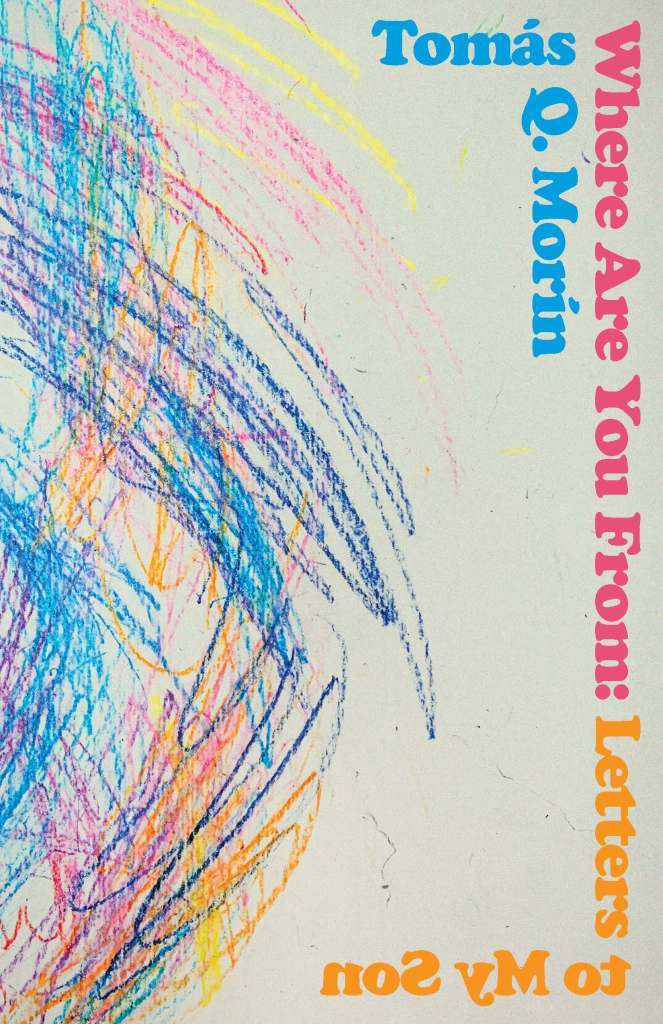
Where Are You From
TOMÁS Q. MORÍN
In this tender collection of letters to his son, Tomás Q. Morín meditates on love, the body, and the future his son will have to face. He writes about the America his son will soon be born into, a country that will constantly question his place in it. An America that wields labels like Black, Brown, and white to make itself feel safe. An America in which Mexican American people continue to be seen as outsiders in their ancestral lands.
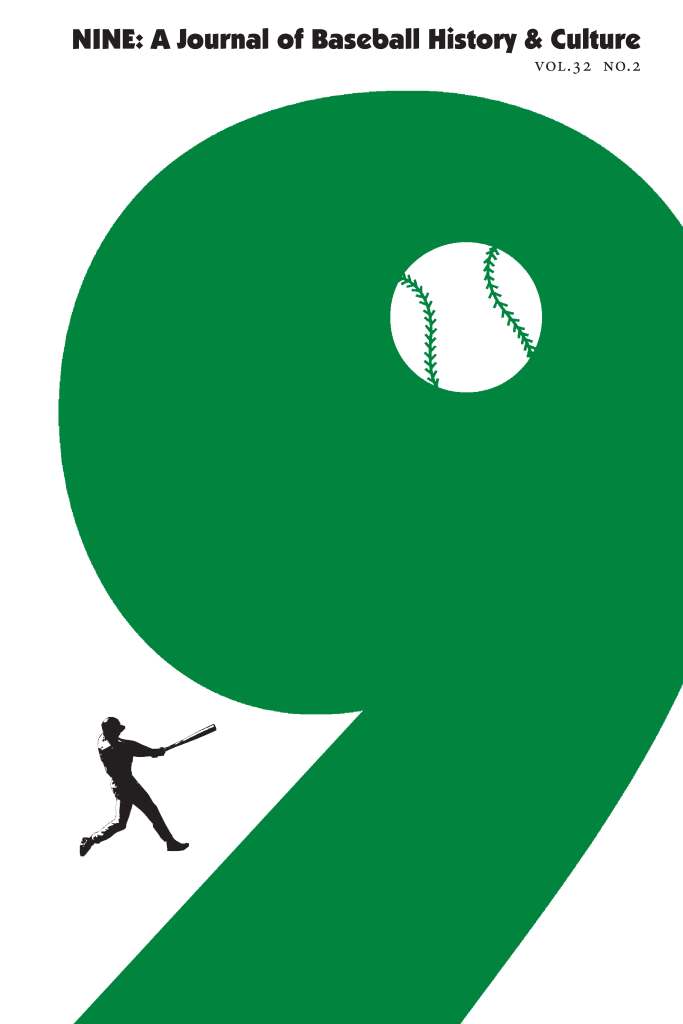
In recent years there has been an increased interest in women’s involvement in baseball. Although the All-American Girls Professional Baseball League (AAGPBL) remains the most popular women’s baseball league, the vibrant history of Chicana leagues during the mid-twentieth century remains a vital piece of the overall tapestry of women’s baseball. This article explores the Mexican women’s teams in the Midwest in the years leading up to World War II. In addition to highlighting a handful of teams that played in Kansas, Nebraska, Illinois, and Indiana, this article aims to discuss the implications of Mexican American women carving out their space in America’s pastime.
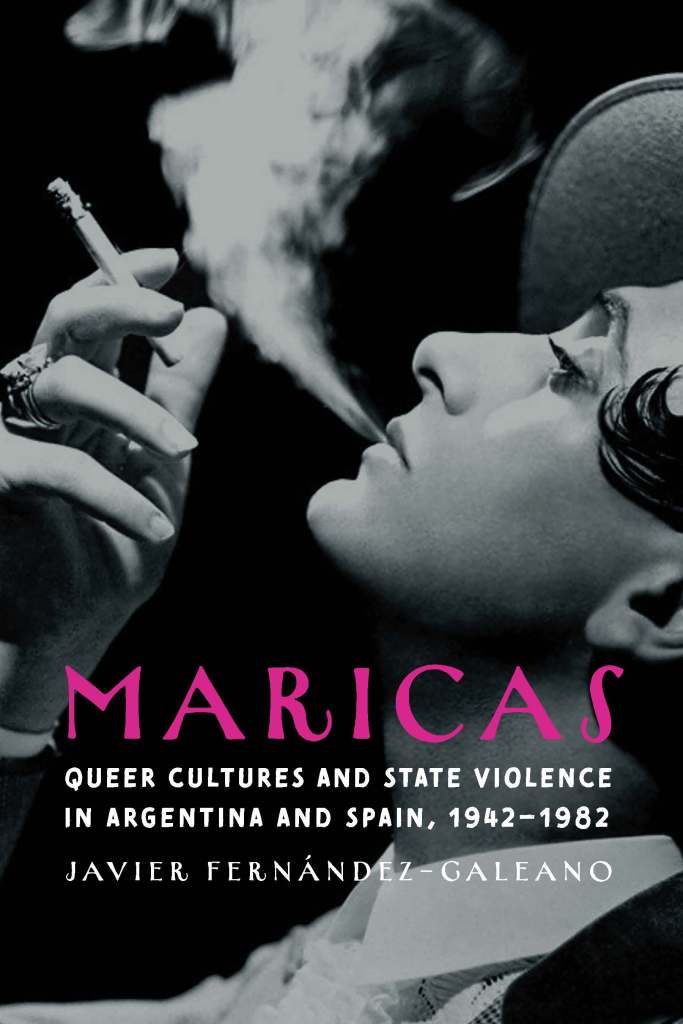
Maricas
JAVIER FERNÁNDEZ-GALEANO
In Maricas Javier Fernández-Galeano traces the erotic lives and legal battles of Argentine and Spanish gender- and sexually nonconforming people who carved out their own spaces in metropolitan and rural cultures between the 1940s and the 1980s. In both countries, agents of the state, judiciary, and medical communities employed “social danger” theory to measure individuals’ latent criminality, conflating sexual and gender nonconformity with legal transgression.
Mexican Americans with Moxie
FRANK P. BARAJAS
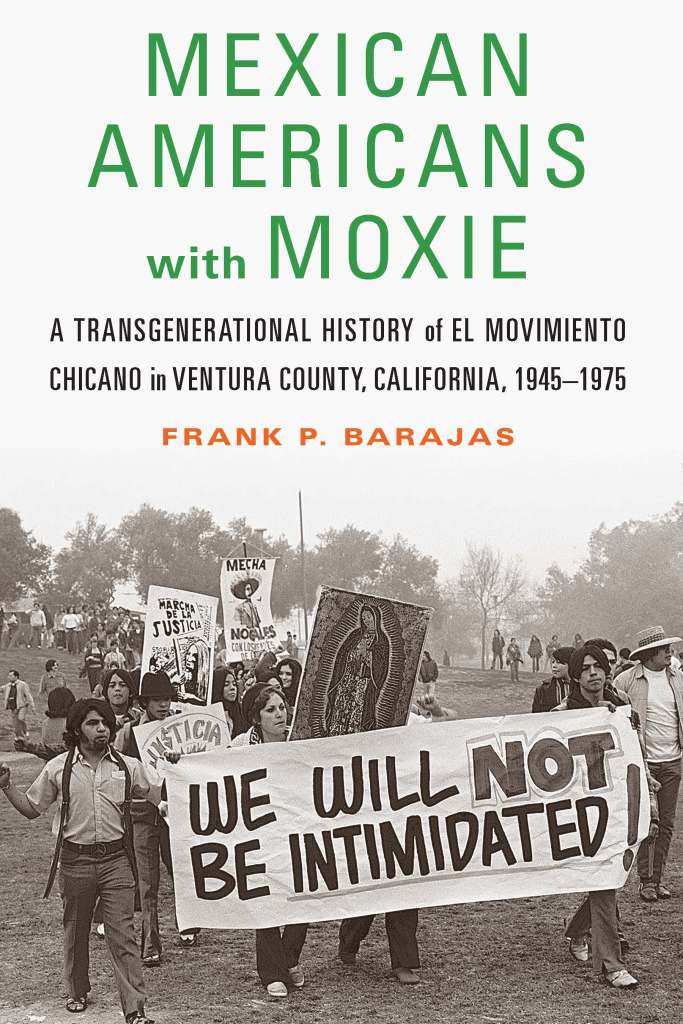
In Mexican Americans with Moxie Frank P. Barajas argues that Chicanas and Chicanos of the 1960s and 1970s expressed politics distinct from the Mexican American generation that came of age in the decades prior. Barajas focuses on the citrus communities of Fillmore and Santa Paula and the more economically diversified and populated rurban municipalities of Oxnard, Simi Valley, and Ventura, illustrating Ventura County’s relationship to Los Angeles and El Movimiento’s ties to suburbanization, freeway construction, and the rise of a high-tech and defense-industry corridor.
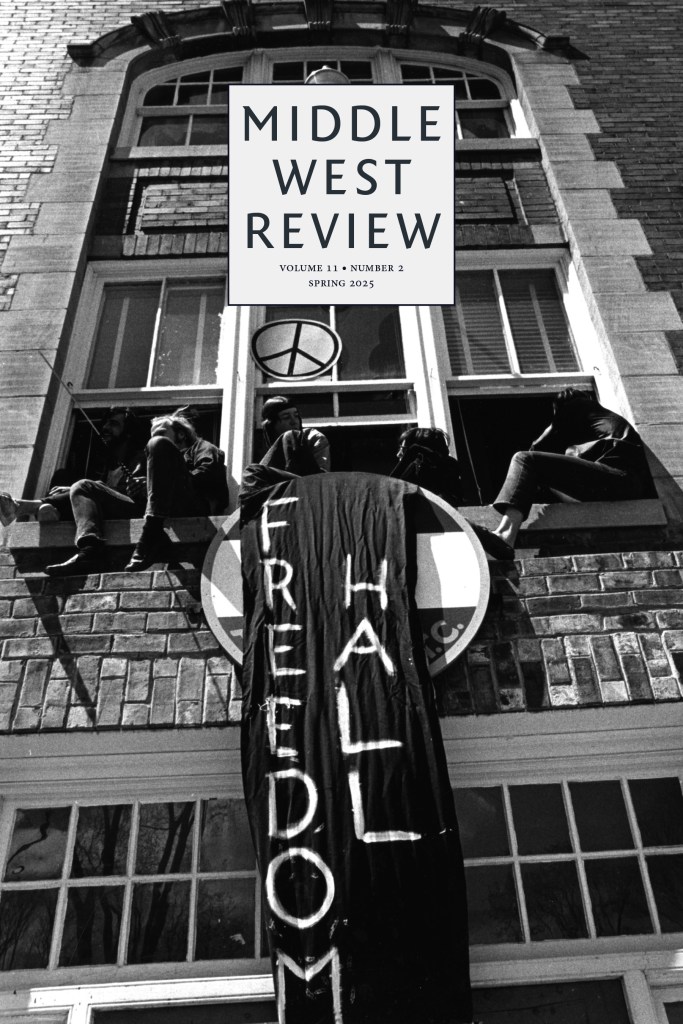
Established on August 1, 1971, the Midwest Council of La Raza’s (MWCLR) Manpower Program, modeled after national Manpower Programs, addressed migrant needs for education, childcare, and housing throughout the Midwest. This article studies the MWCLR’s Manpower Program which showcases the efficacy of an organization run by Latinos for Latinos, in a region where many considered themselves “uprooted” from their places of origin and looking to set roots in the Midwest.
Freethinkers and Labor Leaders
MARÍA TERESA FERNÁNDEZ ACEVES
The interpretation of the revisionist historiography of the Mexican Revolution (1910–17) has focused primarily on revolutionary leaders who were men, pushing the heroines of the war to the sidelines. However, the role of the Adelitas, the Cristeras, the Hijas del Anáhuac, and the women of the Ácrata Group were essential to the revolution. In Freethinkers and Labor Leaders María Teresa Fernández Aceves tells the stories of five militant feminist women who aided in the creation of a modern culture in revolutionary and postrevolutionary Mexico.

Mar Soria presents an innovative cultural analysis of female workers in Spanish literature and films. Drawing from nation-building theories, the work of feminist geographers, and ideas about the construction of the marginal subject in society, Soria examines how working women were perceived as Other in Spain from 1880 to 1975.

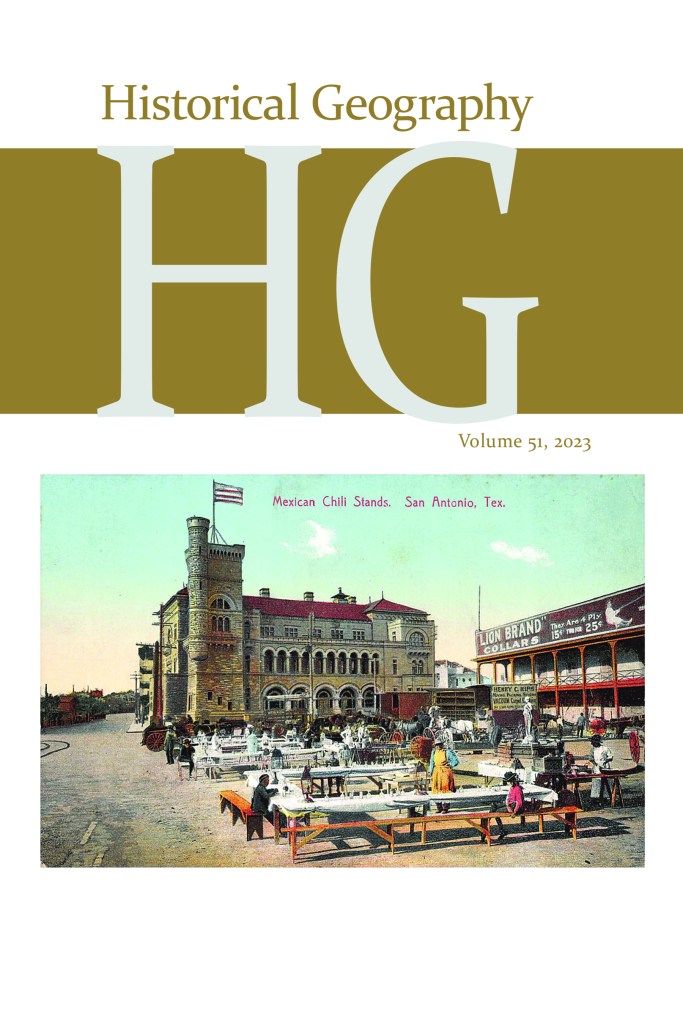
What are the origins of the Mexican Restaurant, how did it evolve, where did it spread, and why? This essay is an overview and exploration of cultural consumption, cross-cultural contact, family business, and franchising of an ethnic enterprise of tremendous variety and regional scope. It reconstructs the historical geography of a particular kind of American place, the Mexican restaurant, its past and present.
 UNP blog