“Literature in translation is the most powerful way of fostering empathy, of nurturing curiosity, of developing an understanding not only of others, but of ourselves.”
—Frank Wynne, translator of Standing Heavy by GauZ’, winner of the 2023 Booker Prize
September is National Translation Month! An act of intepretation that opens up new ways of understanding the world, translation is a vital part of the literary ecosystem. Add a work in translation to your TBR pile this month to celebrate.
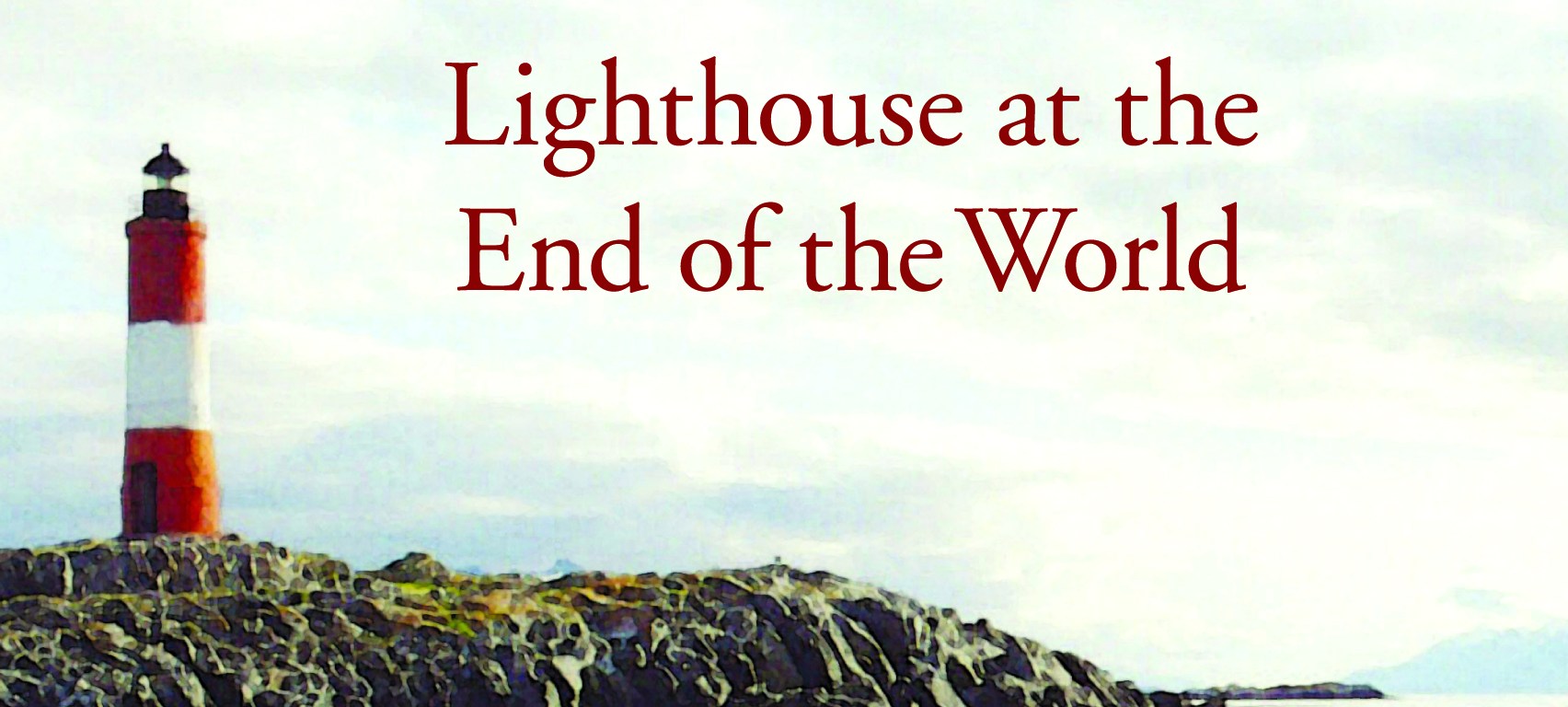
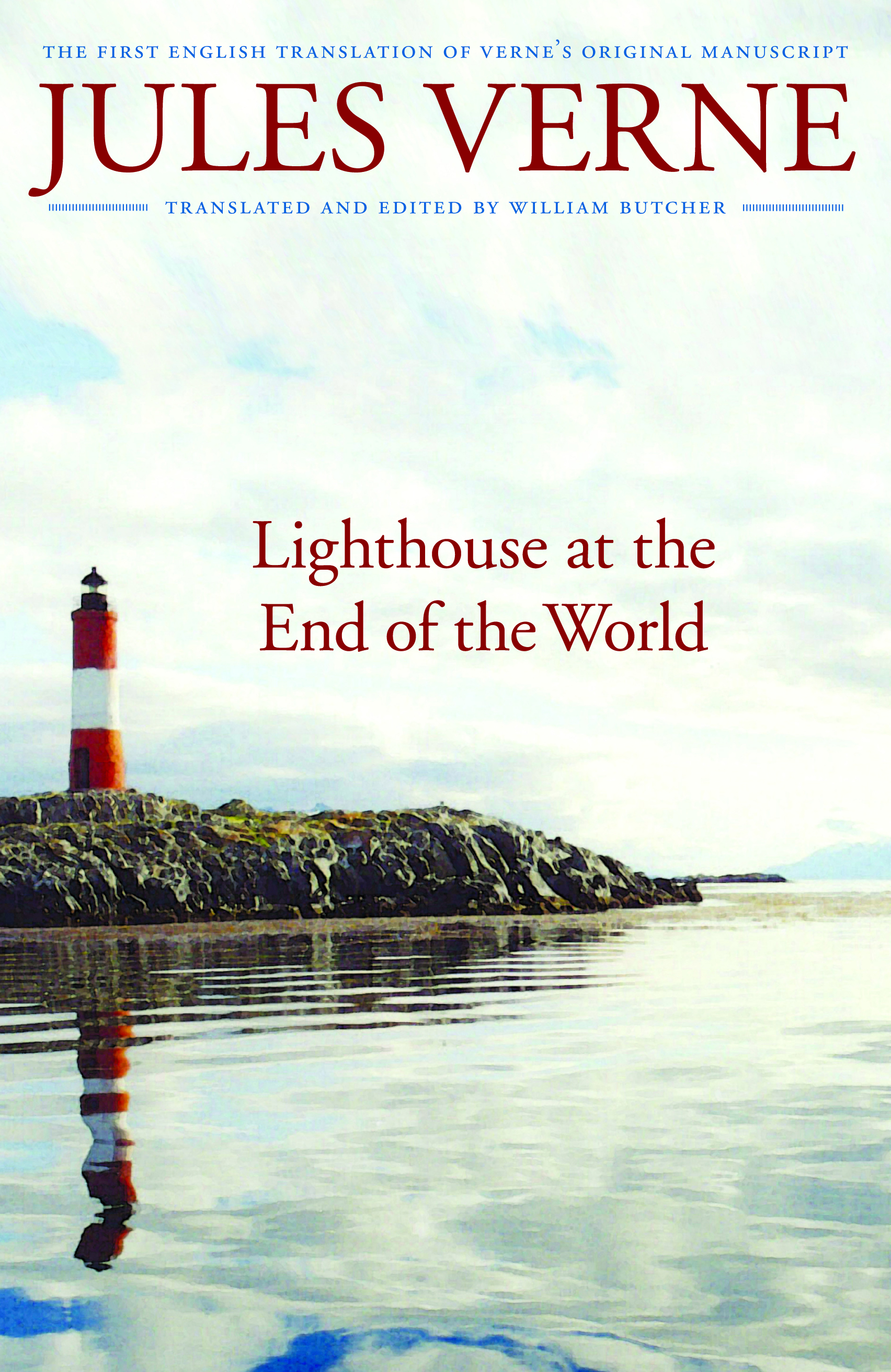
At the extreme tip of South America, Staten Island has piercing Antarctic winds, lonely coasts assaulted by breakers, and sailors lost as their vessels smash on the dark rocks. Now that civilization dares to rule here, a lighthouse penetrates the last and wildest place of all. But Vasquez, the guardian of the sacred light, has not reckoned with the vicious, desperate Kongre gang, who murder his two friends and force him out into the wilderness. Alone, without resources, can he foil their cruel plans?
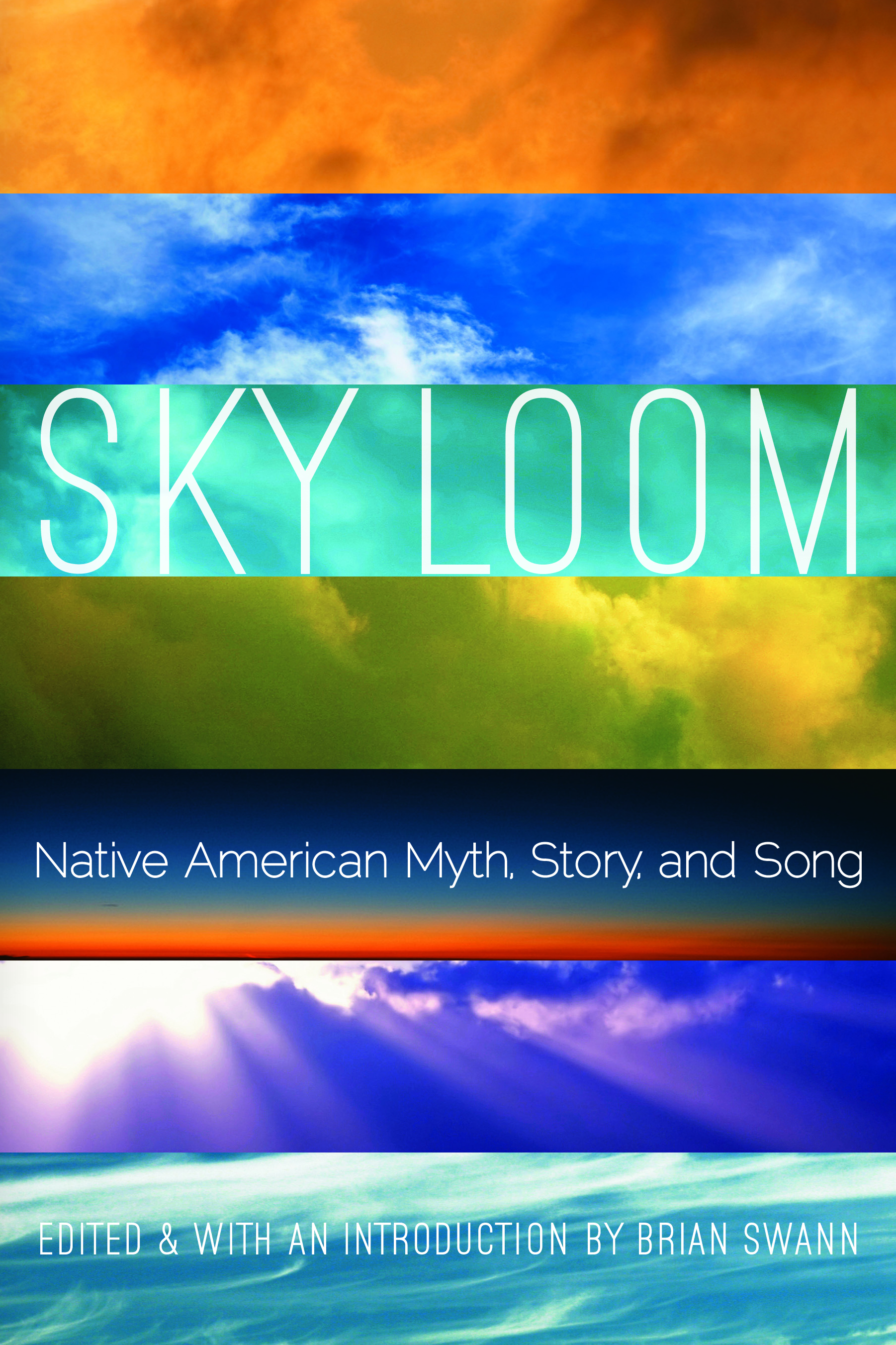
Sky Loom
EDITED BY BRIAN SWANN
Sky Loom offers a dazzling introduction to Native American myths, stories, and songs drawn from previous collections by acclaimed translator and poet Brian Swann. Each of the twenty-six selections is translated and introduced by a well-known expert on Native oral literatures and offers entry into the cultures and traditions of several different tribes and bands.
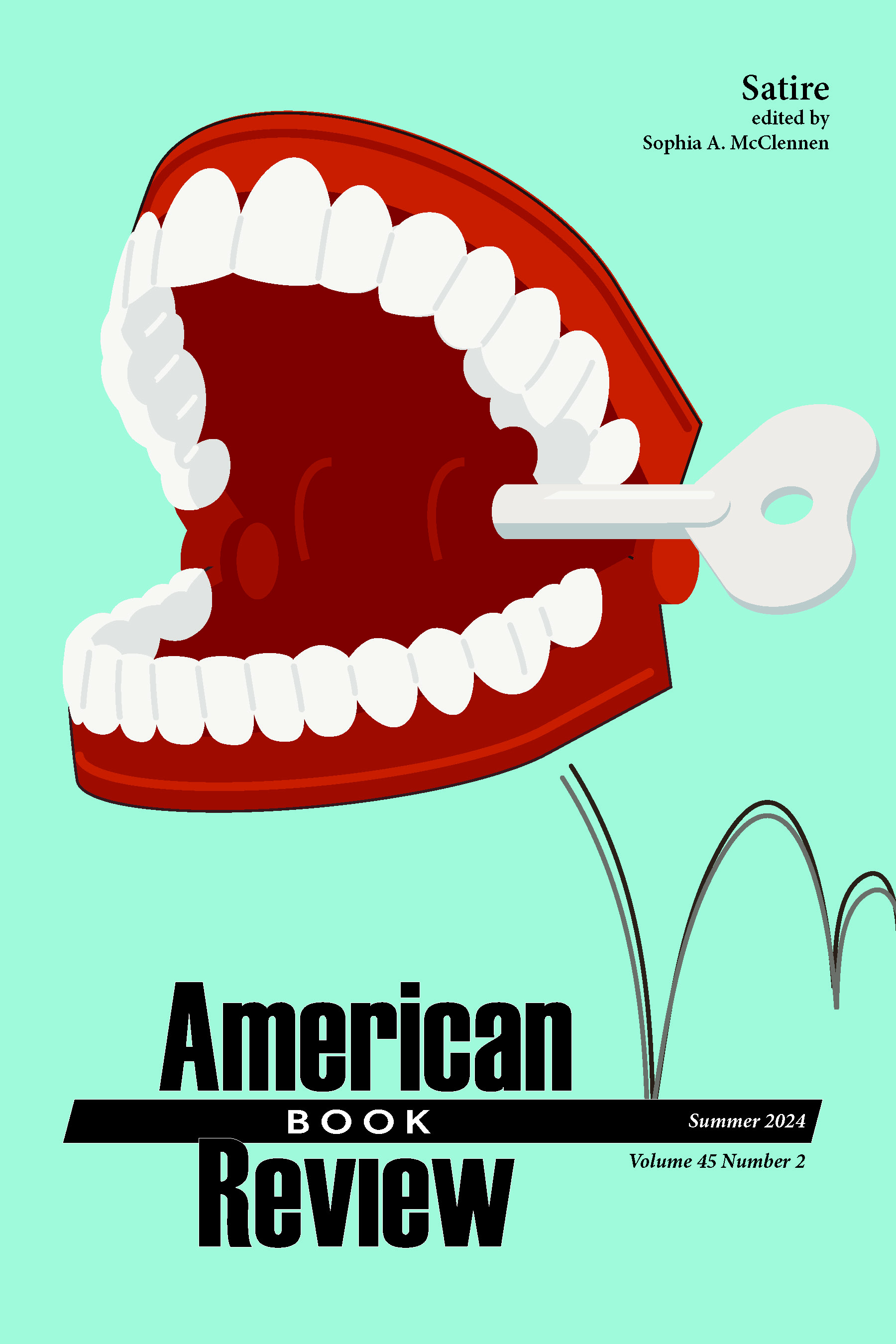
The history of reflection on translation, in the West at least, reveals a guarded desire to release translators from the straitjacket of word-for-word literalism. In this article, O’Keefe Explores this history and translators’ desires to move beyond “word-for-word literalism.”
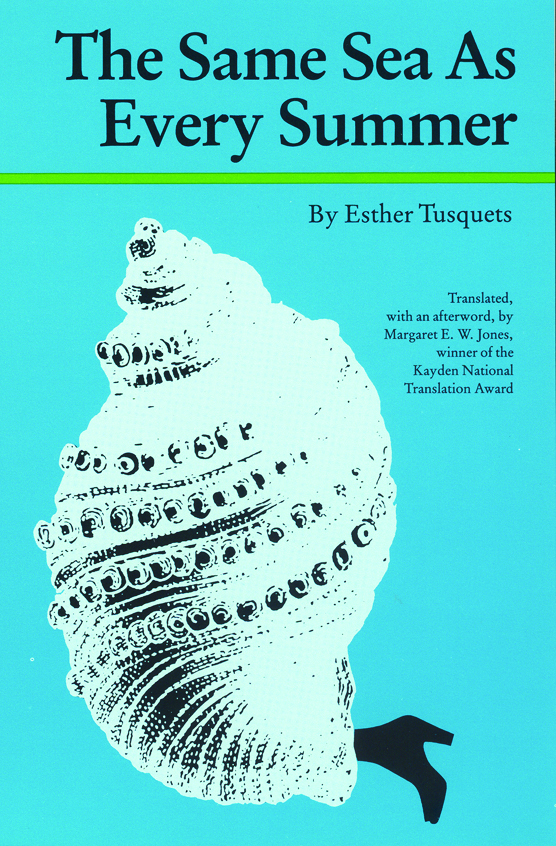
Poetic and erotic The Same Sea As Every Summer was originally published in Spain in 1978, three years after the death of Franco and in the same year that government censorship was abolished. But even in a new era that fostered more liberal attitudes toward divorce, homosexuality, and women’s rights, this novel was controversial. The disillusioned narrator is a middle-aged woman whose unhappy life prompts a journey into her past to rediscover a more authentic self.
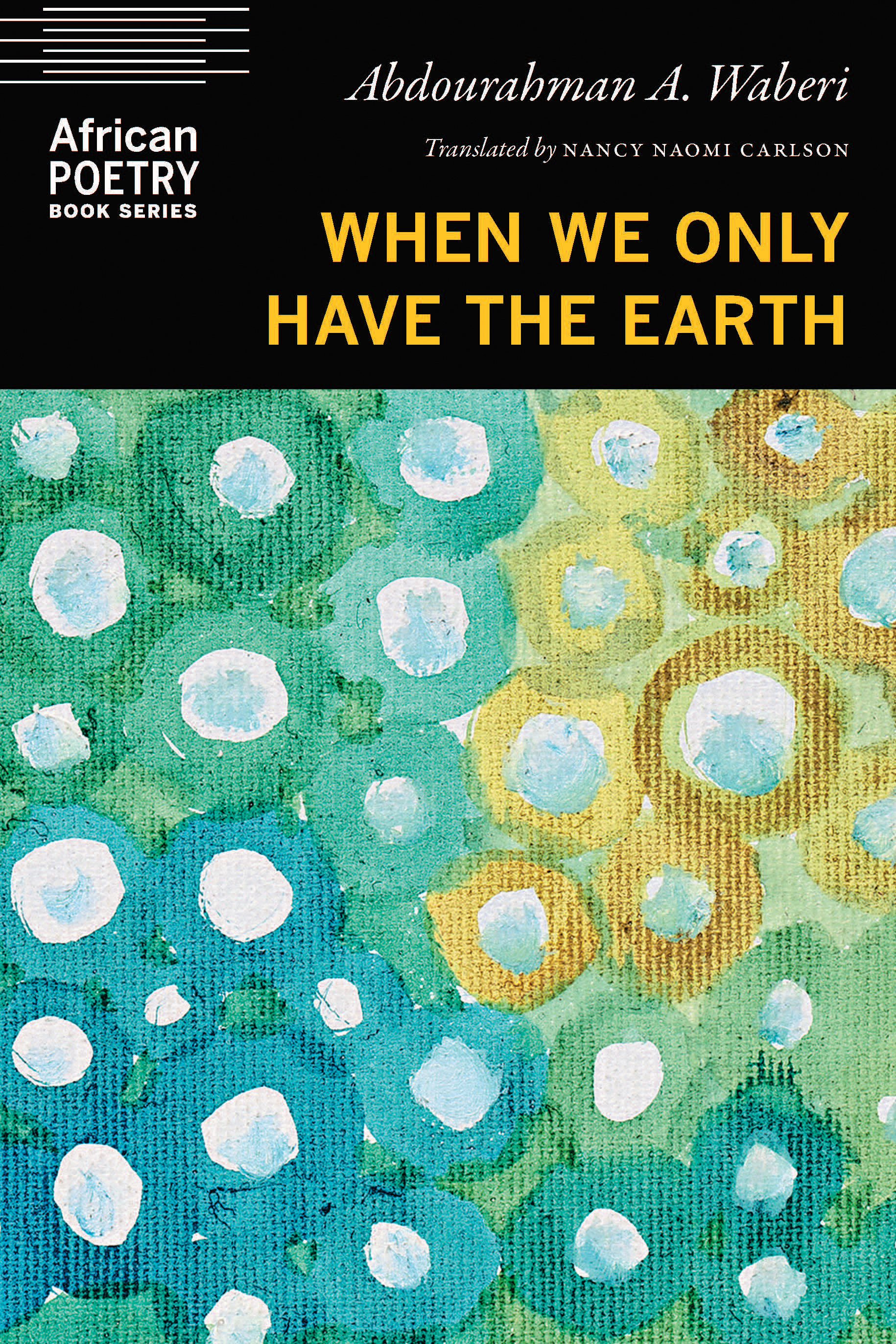
Waberi, a nomad at heart, takes us on a whirlwind tour across North America, Africa, and Europe, daring us to love the earth “beyond all rational thought” and to “turn into earth, both literally and figuratively,” as we “turn from vanity, fears, and other pointless rustling.”
The translator is tortured between the unfathomable choices of losing one’s face or stretching one’s heart. No matter what choice she makes, she will never be the same. Chun-Mei Chuang, a sociologist and academic translator, argues in this essay that “translation is an embodied molecular process.”
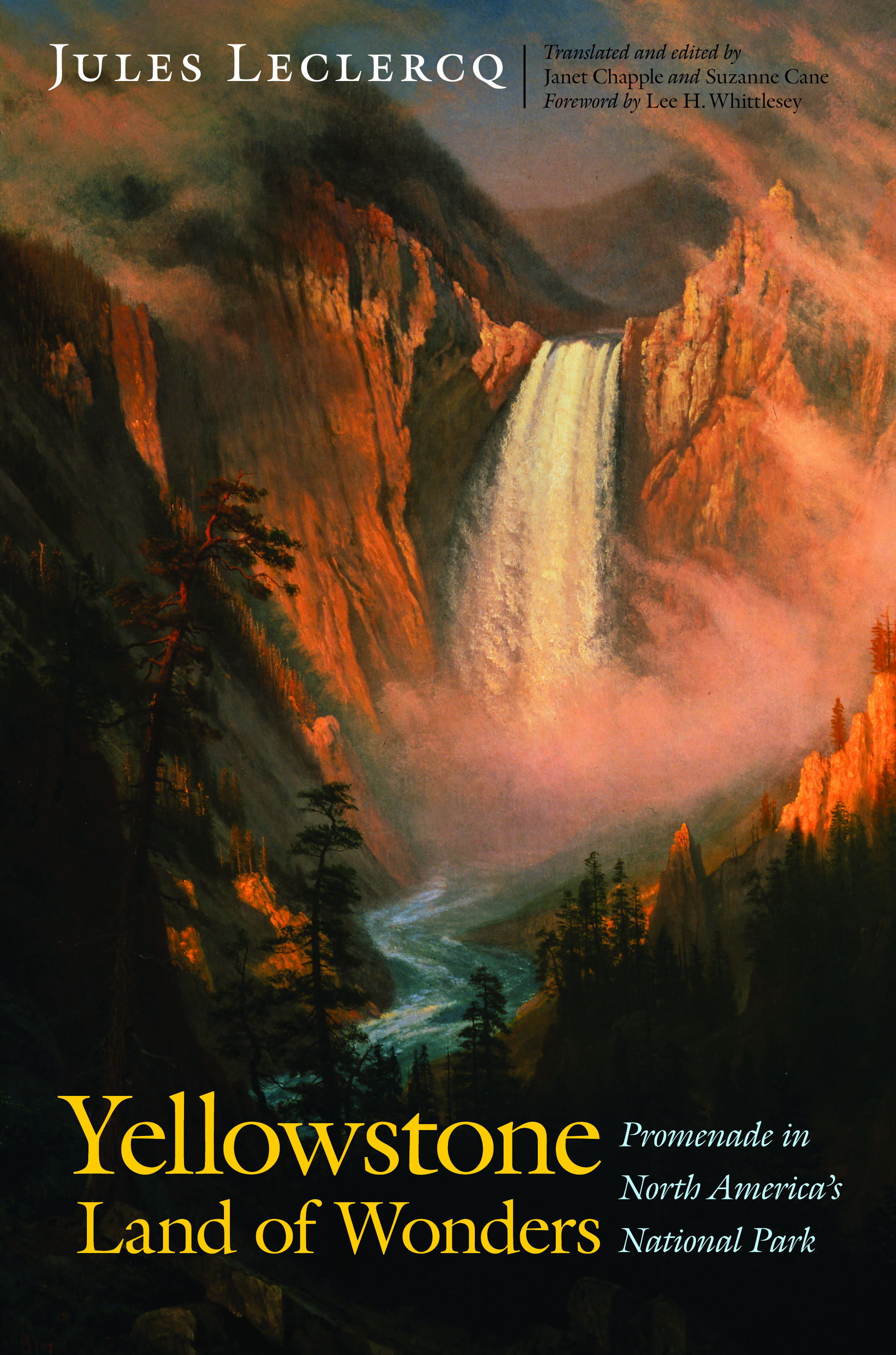
In the summer of 1883 Belgian travel writer Jules Leclercq spent ten days on horseback in Yellowstone, the world’s first national park, exploring myriad natural wonders: astonishing geysers, majestic waterfalls, the vast lake, and the breathtaking canyon. This deft translation at long last makes available to English-speaking readers a masterpiece of western American travel writing that is a fascinating historical document in its own right.
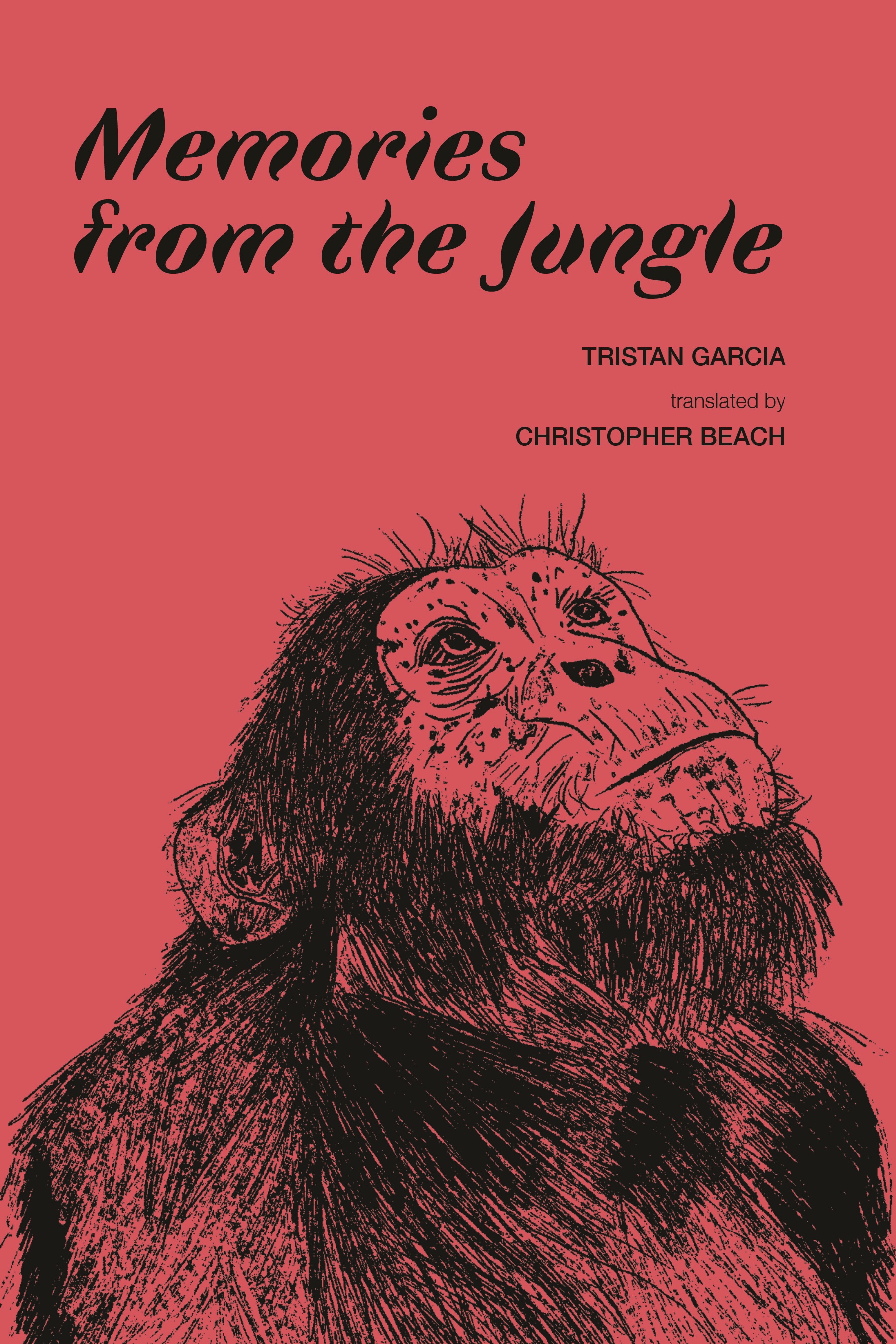
Memories from the Jungle is set in an unspecified future in which Earth has been rendered uninhabitable by pollution and war. Most humans live in orbital stations surrounding the globe, while only animals still survive on the African continent, along with a few scientists who study them in a kind of zoo and experimental laboratory. Doogie, a chimpanzee, has been raised as a human by a zoological researcher, Gardner Evans, and his daughter, Janet.
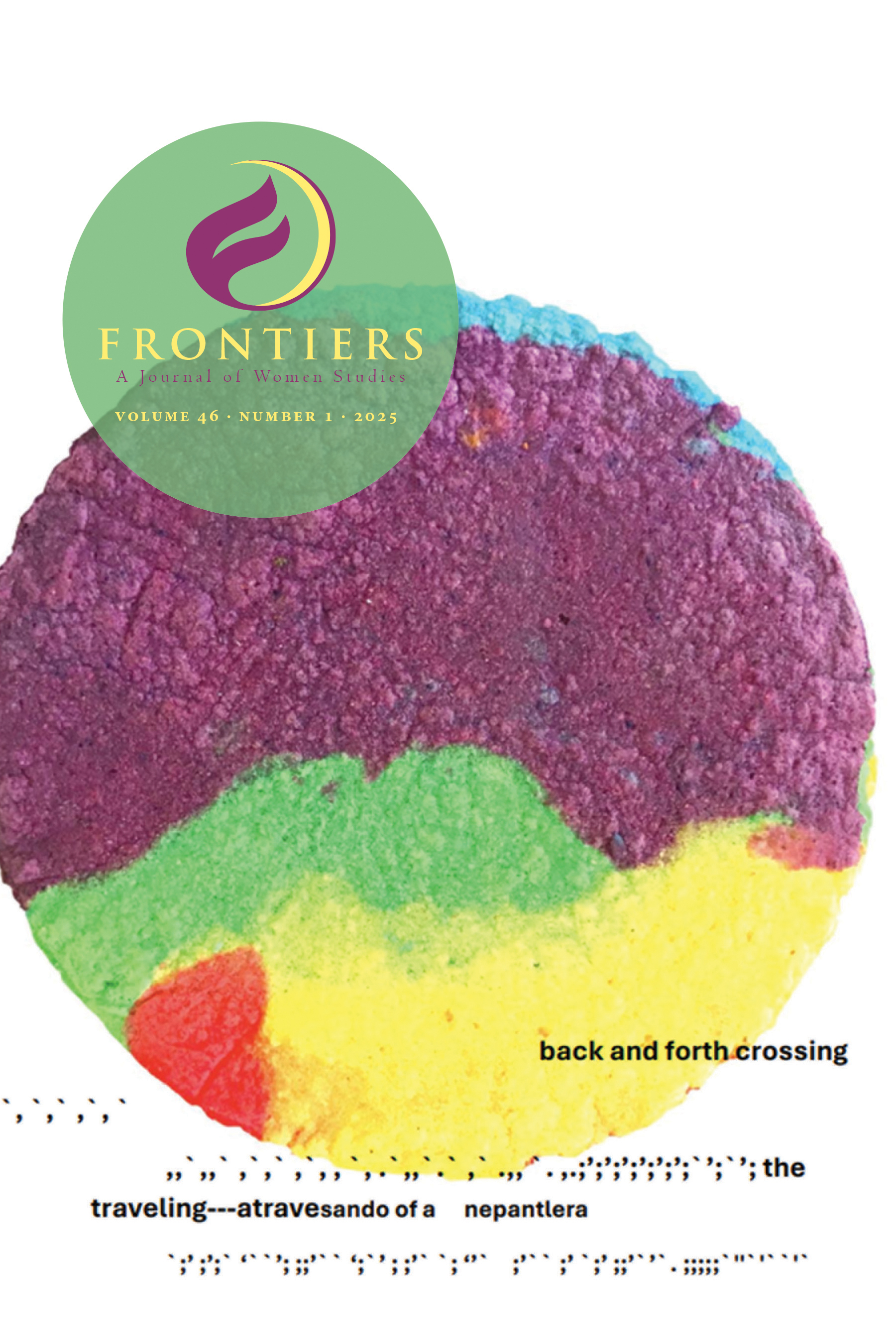
This essay considers “the past, present, and future of feminist knowledge production” through the intractable problematic of translation. Linguistic translation, as much as original research and critical reading has been a crucial method of producing feminist knowledges and sharing them across geographical and cultural boundaries.
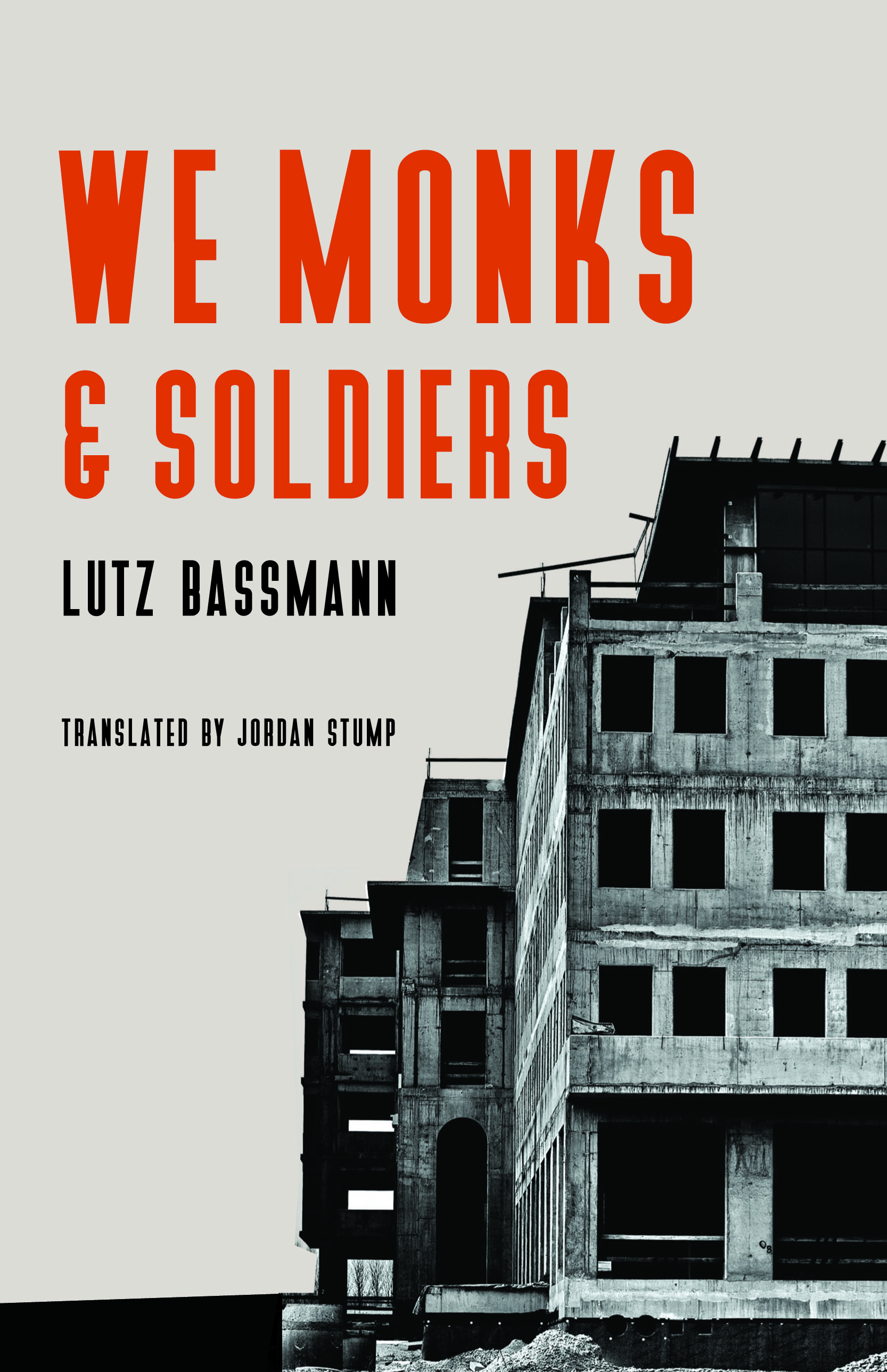
While humanity seems to be fading around them, the members of a shadowy organization are doing their inadequate best to assist those experiencing their last moments. From a soldier-monk exorcising what seem to be spirits (but are they?) from an abandoned house, to a spy executing a mission whose meaning eludes him, to characters exploring cells, wandering through ruins, confronting political dissent and persecution, encountering—perhaps—the spirits once exorcised, these stories conduct us through a world at once ambiguous and sharply observed.
 UNP blog