We have never had more need to examine the role of Black History Month than we do when forces weary of democracy seek to use legislative means and book bans to excise Black history from America’s schools and public culture. Black history’s value is not its contribution to mainstream historical narratives, but its resonance in the lives of Black people. —ASALH
With this year marking the centenniel of Black History Month celebrations, the ASALH has declared “A Century of Black History Commemorations” as this year’s theme to punctuate the importance of Black History Month to global communities since 1926.
We’re joining the celebration with a reading list that highlights the impact of black lives throughout history with stories of community placemaking, trailblazing athletes, and diaspora poetics.
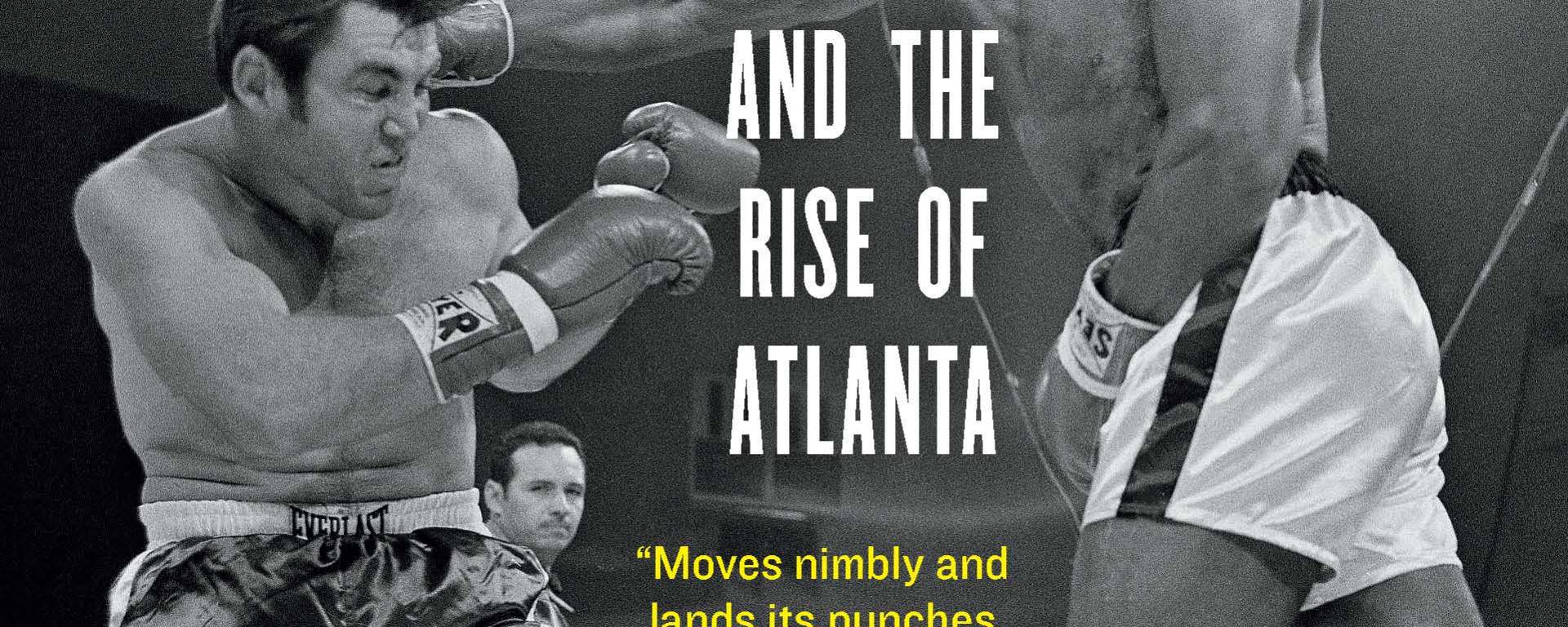
Return of the King
THOMAS AIELLO
Return of the King tells the story of Muhammad Ali’s return to the ring in 1970, after a more than three-year suspension for refusing his draft notice as a conscientious objector during the Vietnam War. With Ali’s career still in doubt, he found new support in shifting public opinion about the war and in Atlanta, a city still governed by white supremacy, but a white supremacy decidedly different from that of its neighbor cities in the Deep South.
Moses Malone
PAUL KNEPPER
Moses Malone overcame abject poverty in segregated Petersburg, Virginia, to become the first modern-day basketball player to jump directly from high school to the pros, paving a path for future stars such as Kobe Bryant, Kevin Garnett, and LeBron James to follow. Moses Malone: The Life of a Basketball Prophet tells the story of Malone’s ascent in the early 1970s to becoming the premier player in the world for a five-year period.

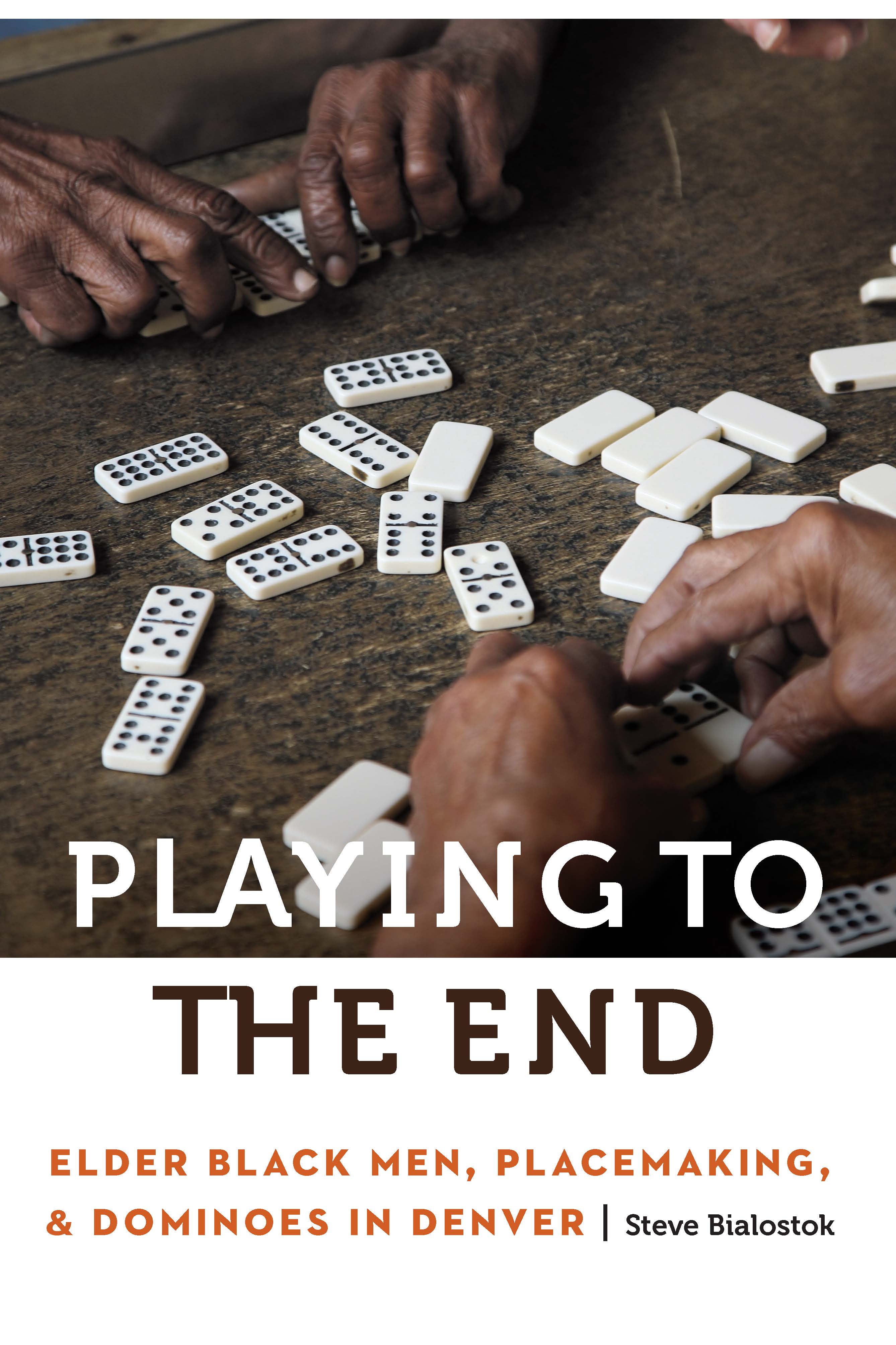
Playing to the End
STEVE BIALOSTOK
In Playing to the End, Steve Bialostok immerses readers in the vibrant world of the card room at Denver’s Hiawatha Davis Jr. Recreation Center, where a group of older Black men gather to play dominoes, exchange playful banter known as “talking shit,” and cultivate a space of belonging. More than just a game, their gatherings are acts of Black placemaking—resisting cultural erasure, gentrification, and societal marginalization while fostering joy, resilience, and community.
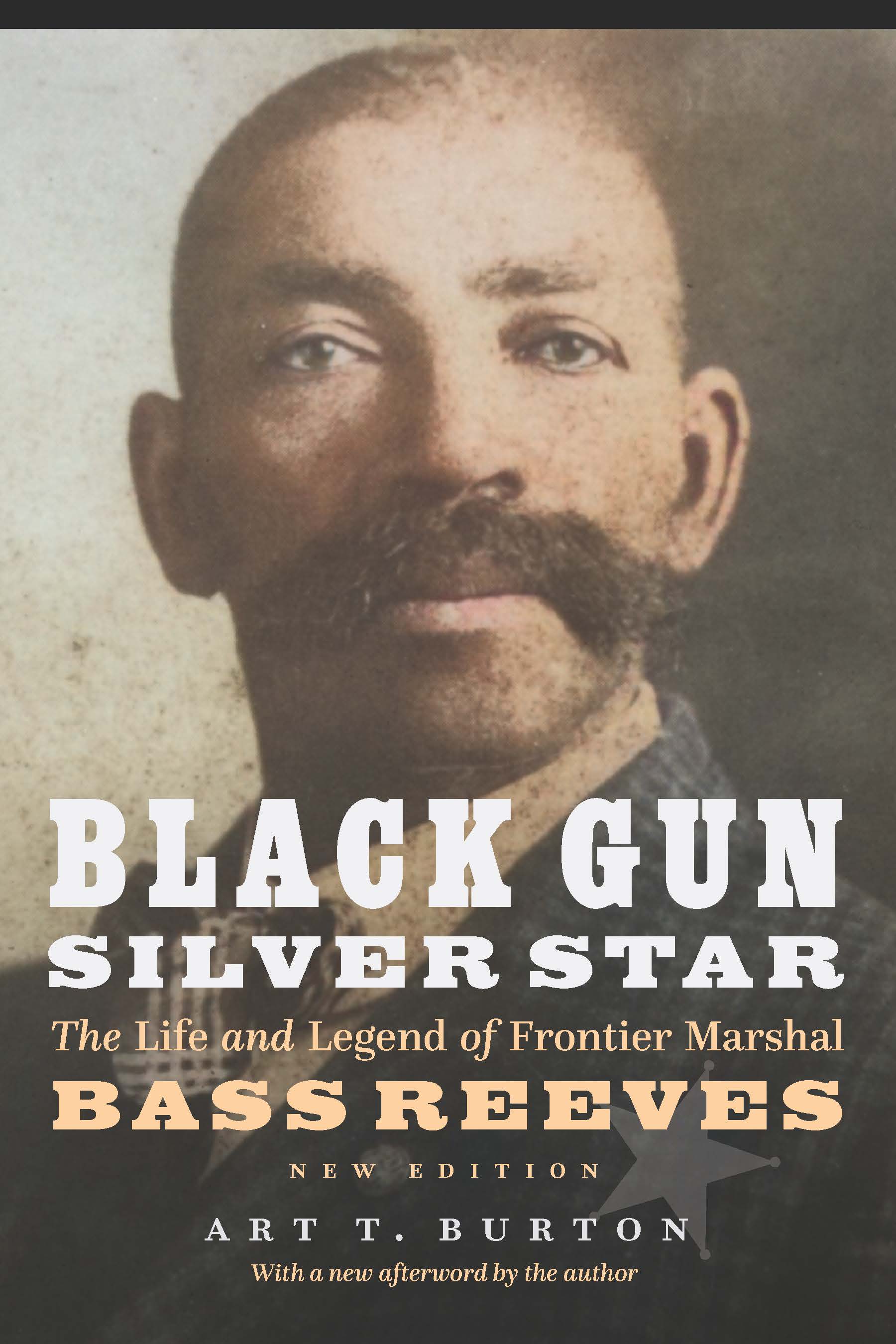
Black Gun, Silver Star
ART T. BURTON
In The Story of Oklahoma, Deputy U.S. Marshal Bass Reeves appears as the “most feared U.S. marshal in the Indian country.” That Reeves was also an African American who had spent his early life enslaved in Arkansas and Texas made his accomplishments all the more remarkable. Black Gun, Silver Star sifts through fact and legend to discover the truth about one of the most outstanding peace officers in late nineteenth-century America—and perhaps the greatest lawman of the Wild West era.
All Daughters Are Awesome Everywhere
DEMISTY D. BELLINGER
Fantastical, sensual, and as beguilingly strange as they are insightful and real, the stories of All Daughters Are Awesome Everywhere are centered around intimate familial or romantic relationships, featuring protagonists who make awesome discoveries—from the beautiful to the horrible—in seemingly mundane situations. The protagonists in each story come from marginalized communities, which sometimes exacerbates their problems but always allows for unique perspectives and epiphanies.

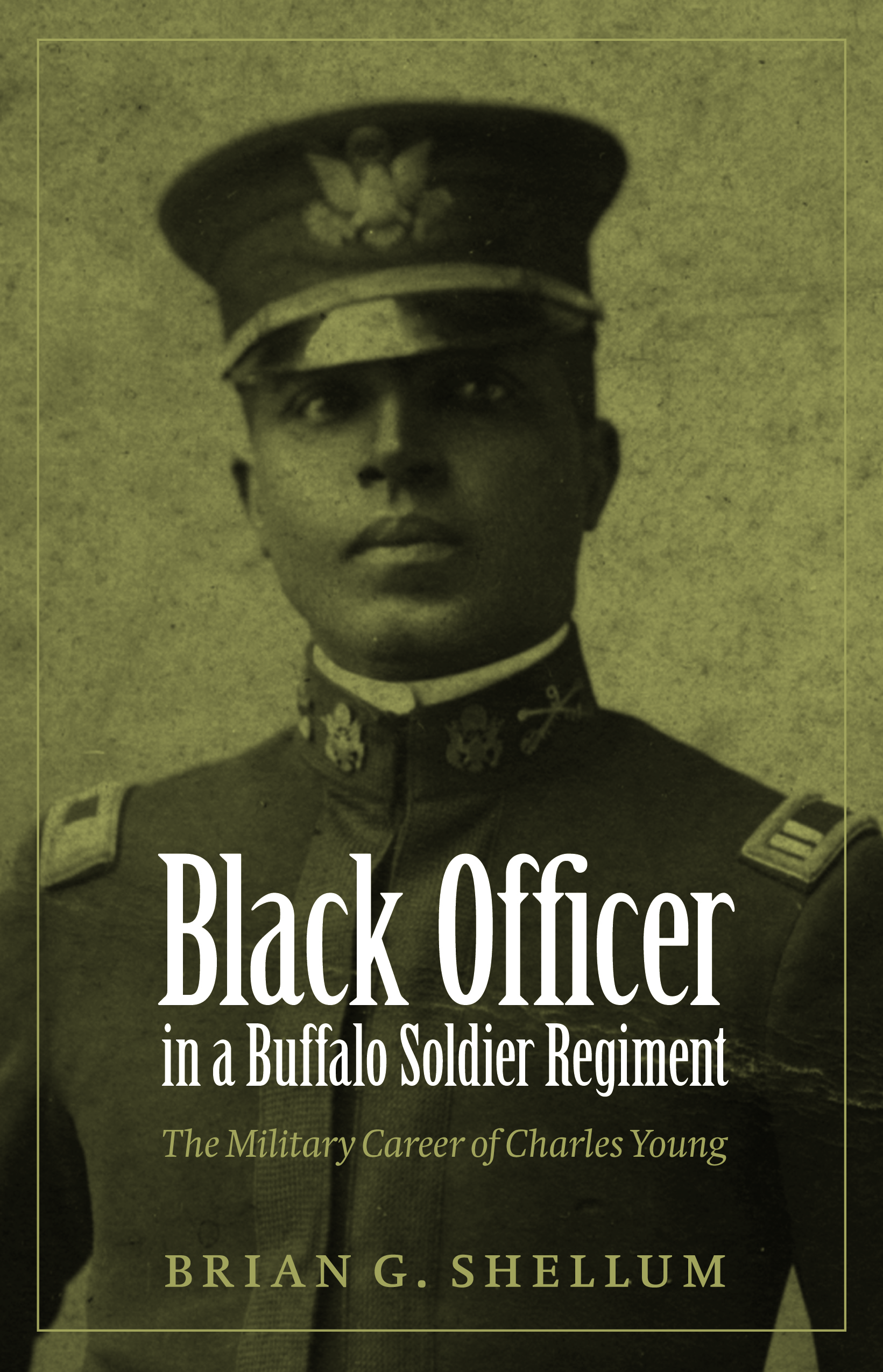
Black Officer in a Buffalo Regiment
BRIAN G. SHELLUM
An unheralded military hero, Charles Young (1864–1922) was the third black graduate of West Point, the first African American national park superintendent, the first black U.S. military attaché, the first African American officer to command a Regular Army regiment, and the highest-ranking black officer in the Regular Army until his death. Black Officer in a Buffalo Soldier Regiment tells the story of the man who—willingly or not—served as a standard-bearer for his race in the officer corps for nearly thirty years, and who, if not for racial prejudice, would have become the first African American general.
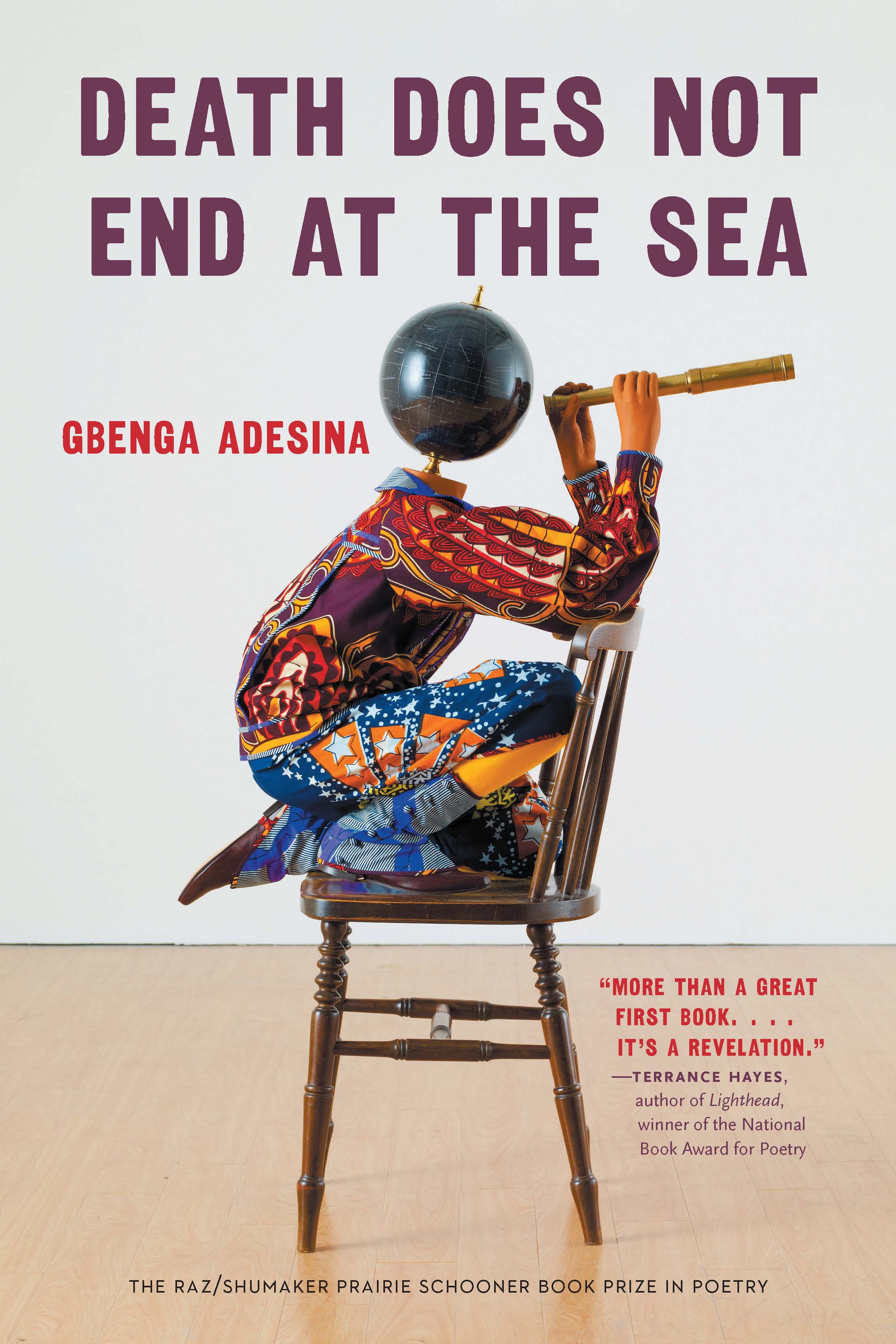
Death Does Not End at the Sea
GBENGA ADESINA
In a lyrical voice at once new and surprisingly ancient, Adesina’s Death Does Not End at the Sea explores the complexity of elusive citizenship, an immigrant’s brokenhearted prayer for a new beginning, a chorus of elegies, and a cosmic love song between the living and the dead.
The Struggle in Black and Brown
EDITED BY BRIAN D. BEHNKEN
It might seem that African Americans and Mexican Americans would have common cause in matters of civil rights. This volume, which considers relations between blacks and browns during the civil rights era, carefully examines the complex and multifaceted realities that complicate such assumptions—and that revise our view of both the civil rights struggle and black-brown relations in recent history.
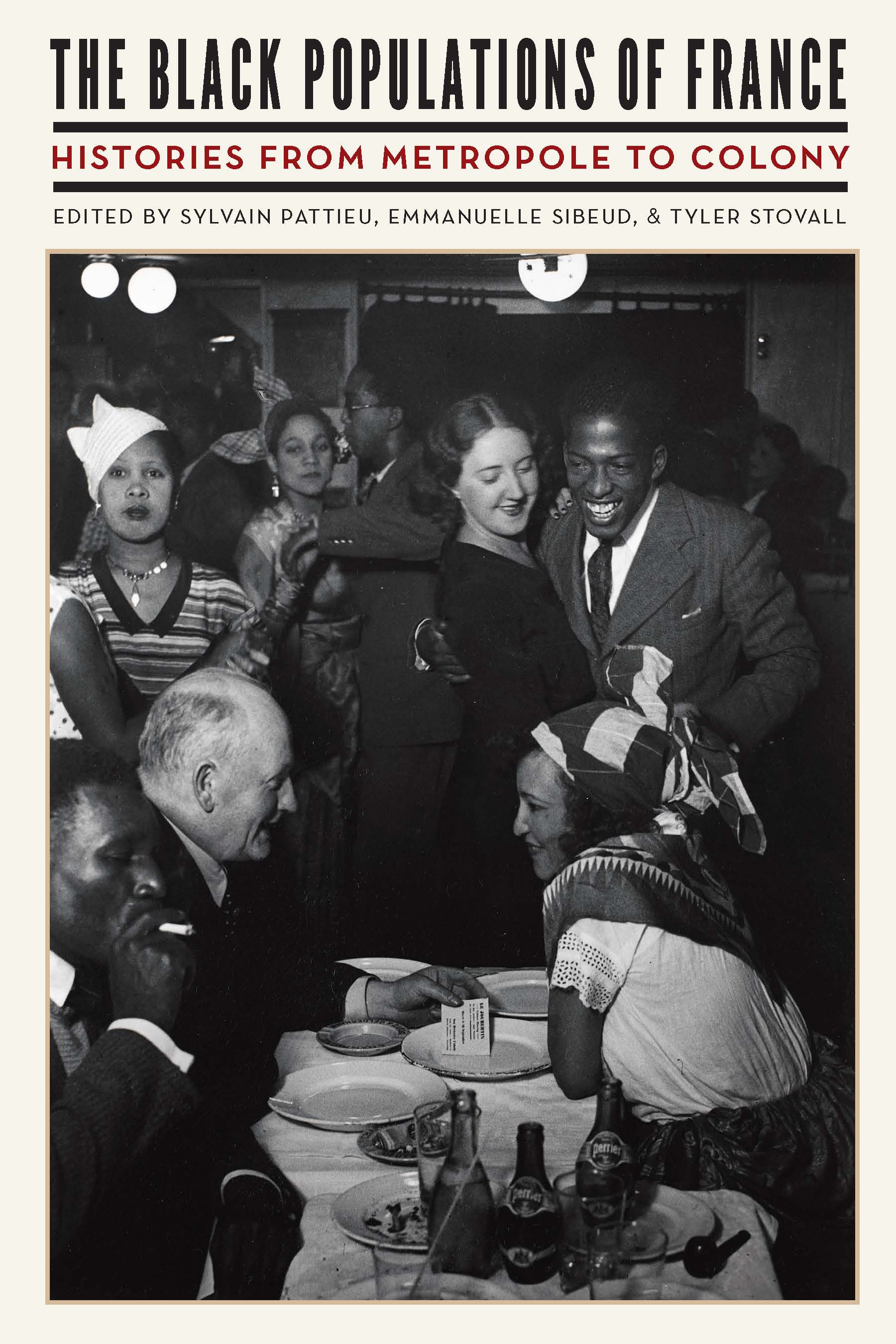
The Black Populations of France
EDITED BY SYLVIAN PATTIEU, EMMANUELLE SIBEUD, AND TYLER STOVALL
The Black Populations of France is a study of Black peoples and their history in France and the French Empire during the modern era, from the eighteenth century to the present. By putting these histories in dialogue with each other, it underscores the central place of France in world history.
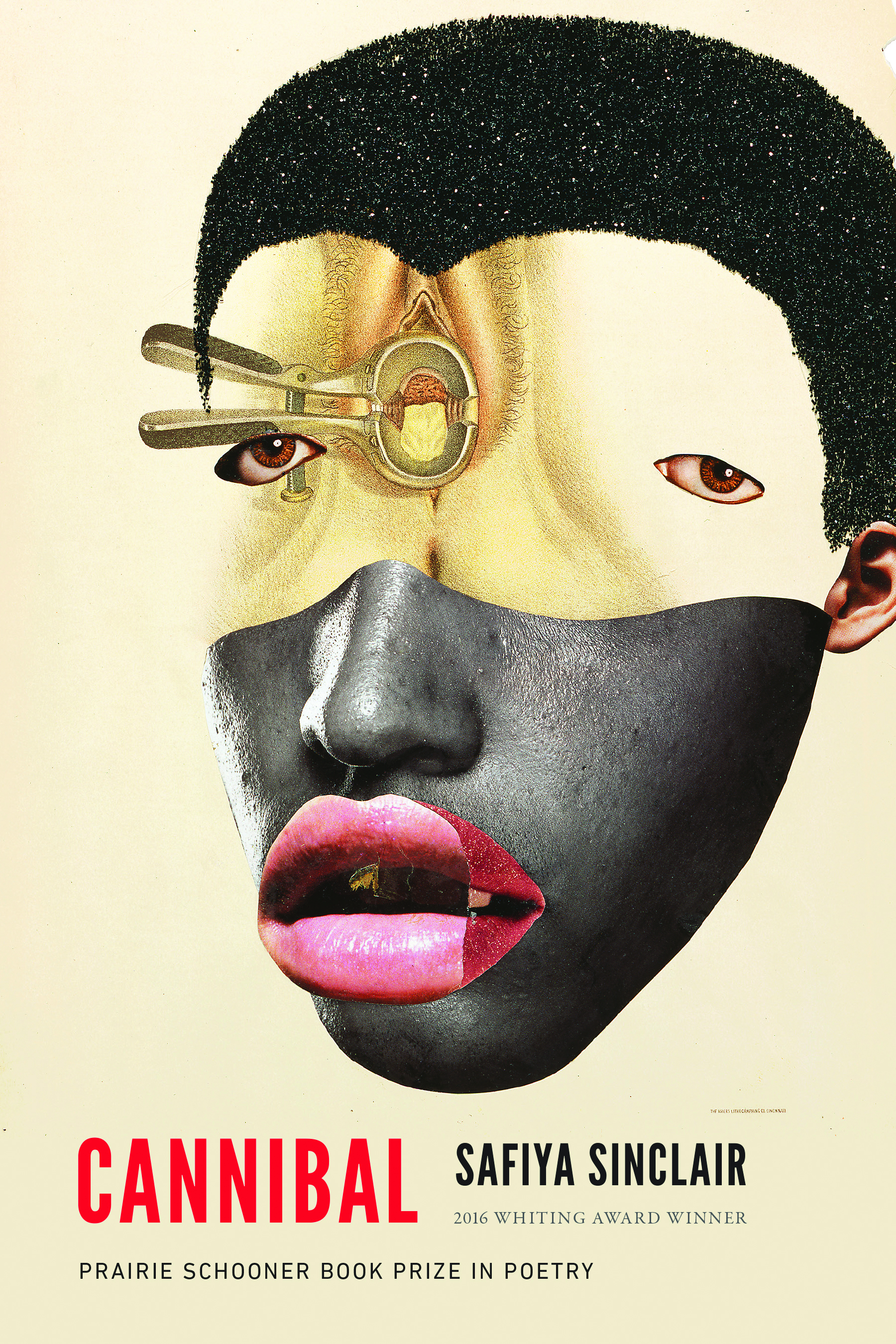
Cannibal
SAFIYA SINCLAIR
Colliding with and confronting The Tempest and postcolonial identity, the poems in Safiya Sinclair’s Cannibal explore Jamaican childhood and history, race relations in America, womanhood, otherness, and exile.
 UNP blog