This year’s theme for Women’s History Month is “Leading the Change: Women Shaping a Sustainable Future,” which expands our understanding of sustainability beyond just environmental concerns to encompass financial sustainability, community resilience, leadership succession, and intergenerational equity.
In accordance with the theme, we curated a collection of books that highlight how women build civic power by giving voice to experiences systematically underrepresented and ignored—from a mother reckoning with the decision to terminate a half-term pregnancy, to a history of humor’s sustaining power of feminist action, to a memoir of a Ukrainian mother’s attempts to keep her family safe amidst Russia’s full-scale invasion of her country.
Each book is available for 50% off throughout March.
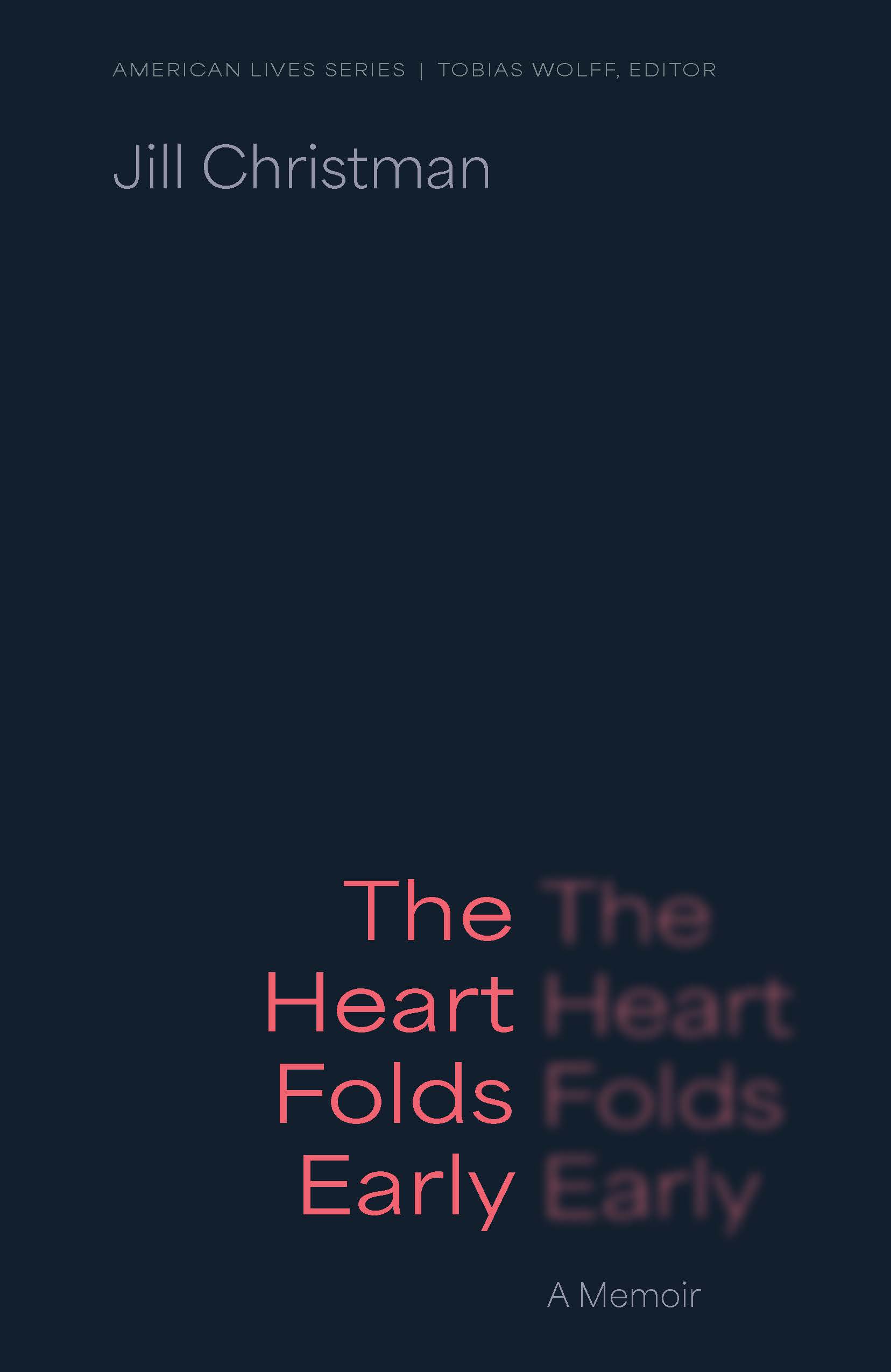
The Heart Folds Early
JILL CHRISTMAN
This book is about what it means to make a choice. As mothers, how do we carry life and death in our bodies and survive with our hearts intact? The Heart Folds Early is a story of transformation through tragedy, and an examination of the way in which great loss can make us simultaneously fearful and intrepid.
Hostage
MIMI NICHTER
In Hostage: A Memoir of Terrorism, Trauma, and Resilience, Mimi Nichter recounts her survival of the hijacking of Trans World Airlines Flight 741, the first incident of international terrorism and one of the most significant events in aviation history.

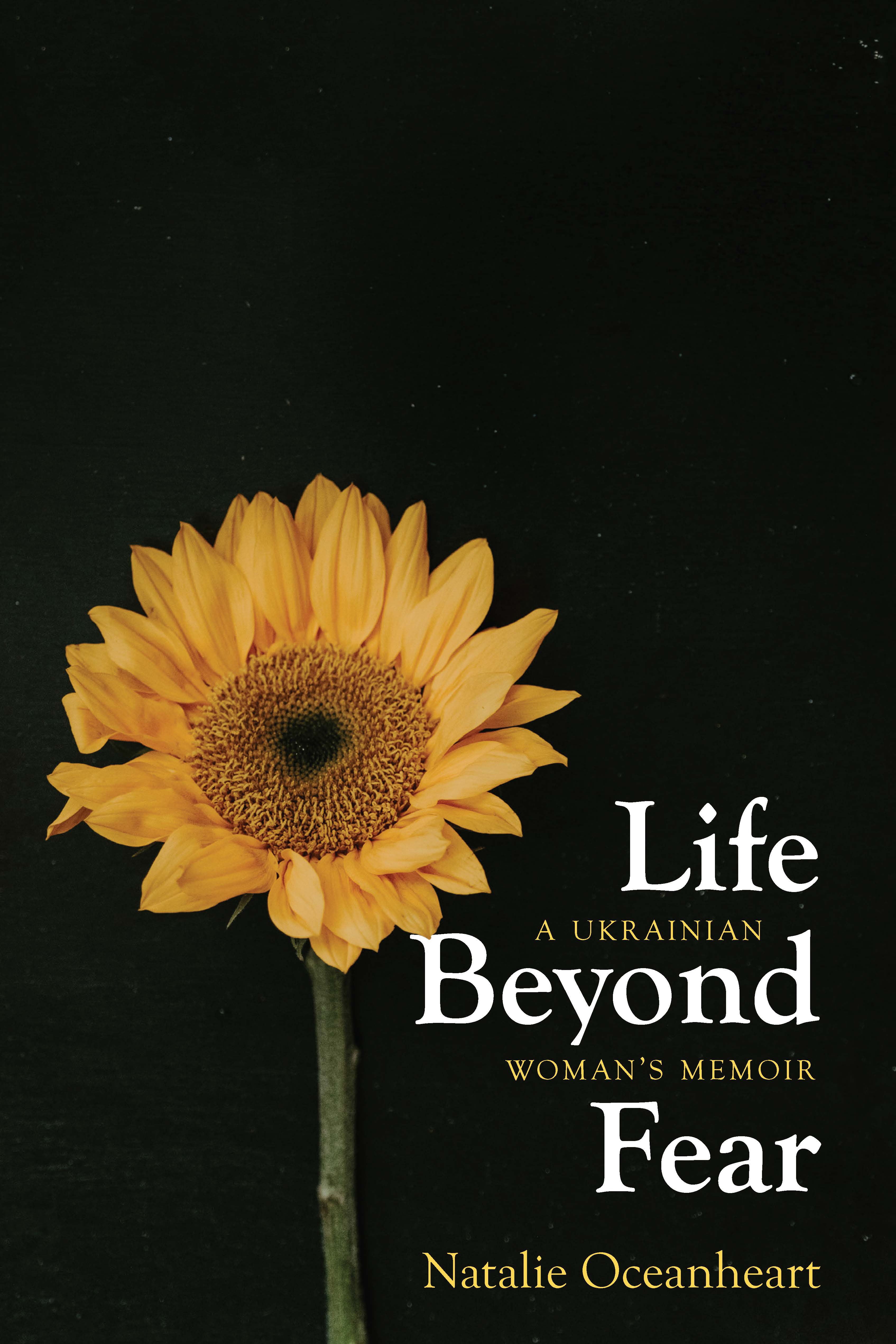
Life Beyond Fear
NATALIE OCEANHEART
Life Beyond Fear is more than a personal story: It is a testament to the resilience of families displaced by war, the complexities of immigration, and the universal human quest for safety, belonging, and freedom.
Ravelings
LISA KNOPP
In these nimble and companionable essays, Knopp considers hunger and fullness through ethical, disordered, and mindful eating; awakens to common magic through two chance encounters with a magician; and finds humility and empowerment as an unpartnered sixty-year-old woman in a ballroom dance class filled with young couples.

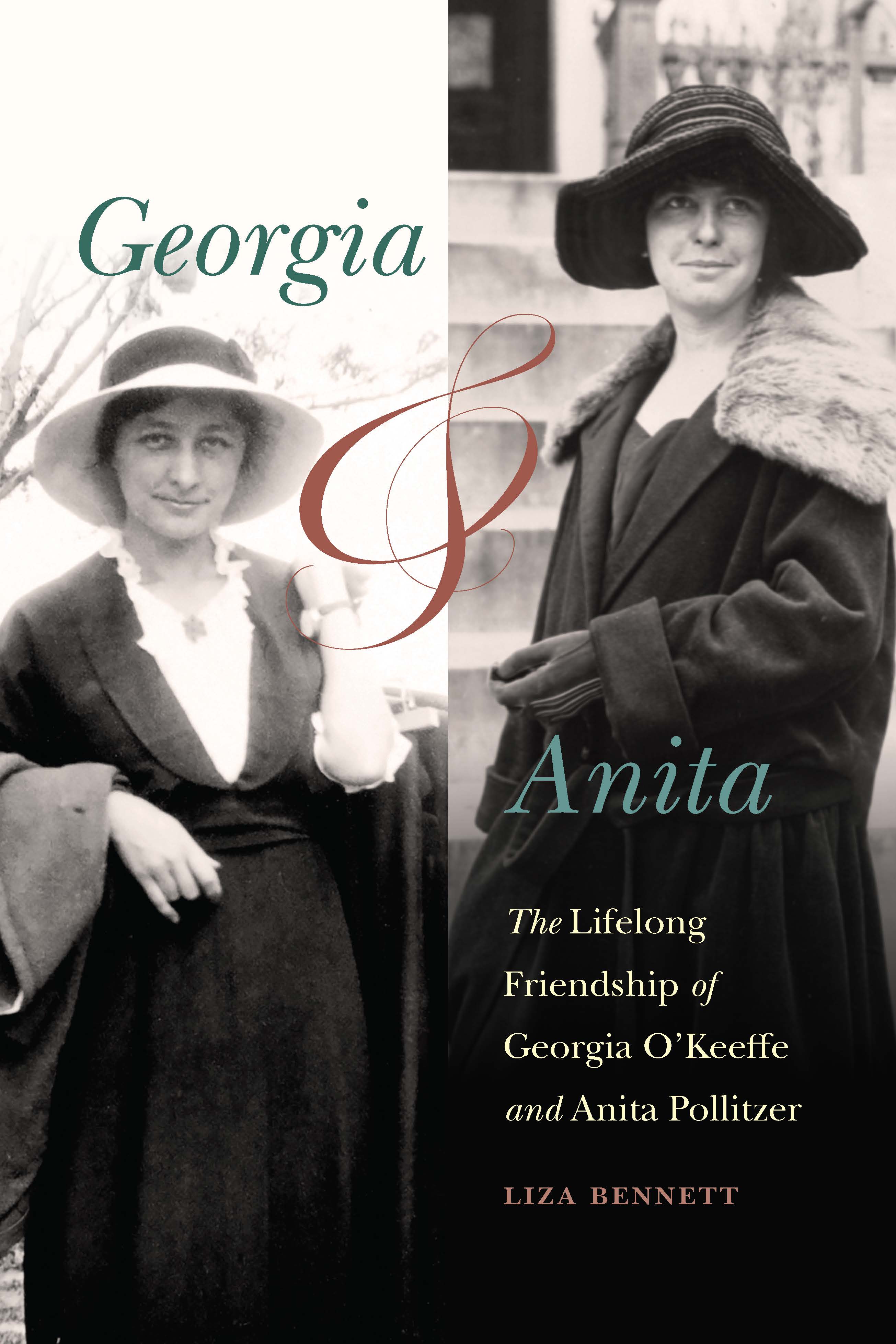
Georgia and Anita
LIZA BENNETT
In Georgia and Anita Liza Bennett tells the little-known story of Georgia O’Keeffe and Anita Pollitzer’s enduring friendship and its ultimately tragic arc. It was Pollitzer who first showed O’Keeffe’s work to family friend and mentor Alfred Stieglitz, the world-famous photographer whose 291 Gallery in New York City was the epicenter of the modern art world.
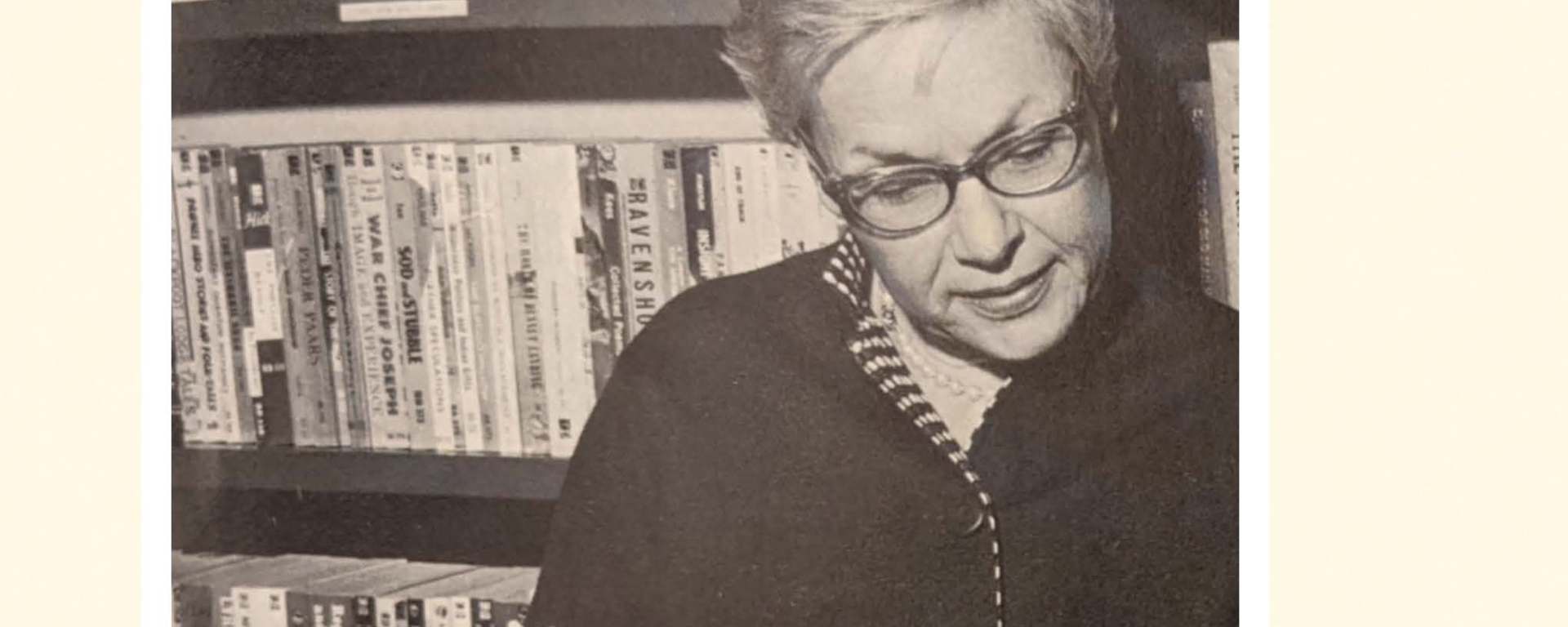
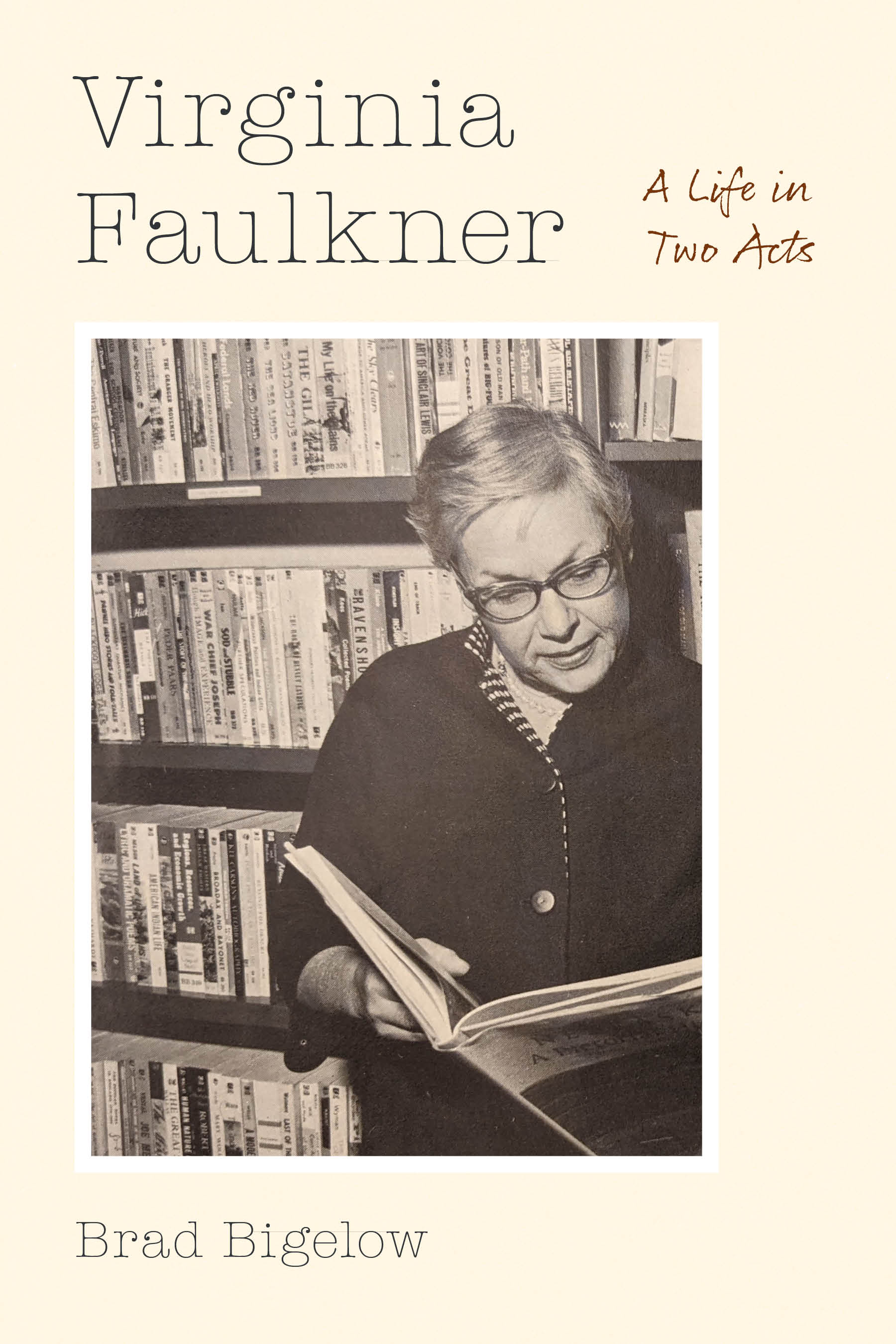
Virginia Faulkner
BRAD BIGELOW
In Virginia Faulkner: A Life in Two Acts, Brad Bigelow tells Faulkner’s story—one that’s lively, irreverent, and rich in its commitment to literature of lasting importance. Though her own books have since been forgotten, Faulkner left a legacy of achievement and success in American literature against social and personal odds, and her voice and spirit shine forth in the pages of this book.
Marzia
MARZIA BABAKARKHAIL and PAMELA SAY
Marzia takes readers on a heart-pounding journey through the stark realities of life under Taliban rule following the U.S. withdrawal from Afghanistan in 2021. As a former judge and advocate, Marzia’s commitment to justice never wavered, even in the face of threats, exile, and unimaginable pressure. Her story reflects the broader struggle faced by women throughout Afghanistan, particularly those in the legal system who risked everything to uphold the rule of law and protect others’ rights.

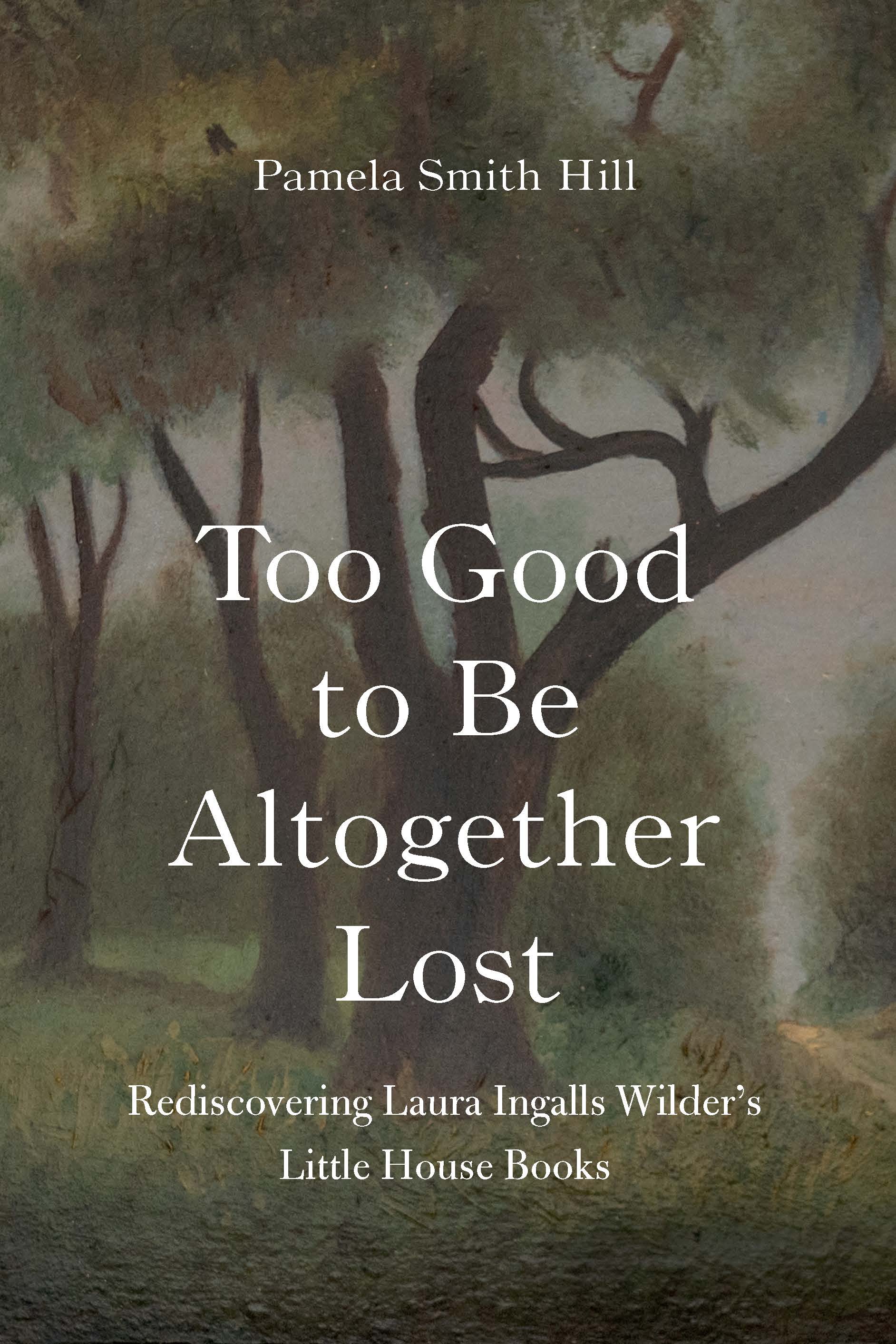
Too Good to be Altogether Lost
PAMELA SMITH HILL
Pamela Smith Hill dives back into the Little House books, closely examining Wilder’s text, her characters, and their stories. Hill reveals that these gritty, emotionally complex novels depict a realistic coming of age for a girl in the American West.
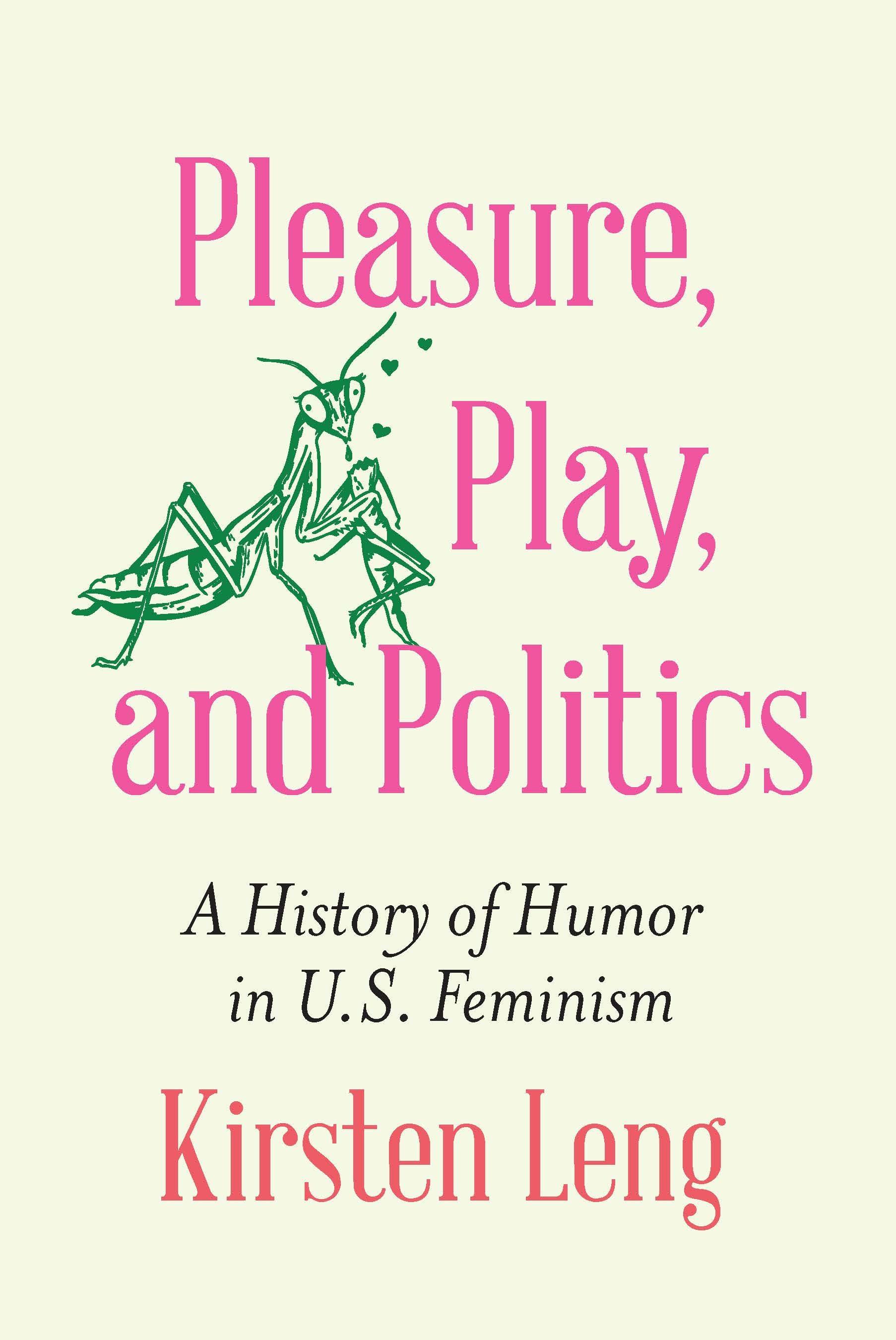
Pleasure, Play, and Politics
KIRSTEN LENG
Kirsten Leng explores the ways culture and politics feed one another and shows how humor contributed to movement-building by changing hearts and minds, creating and maintaining a sense of community beyond a single issue, and sustaining activists over the long haul.
The Forgotten Botanist
WYNNE BROWN
The Forgotten Botanist tells the story of Sara Plummer Lemmon, a little-known and underappreciated woman of both science and art who did much of the botanical work attributed to her husband, John Gill Lemmon.

 UNP blog