Given the recent news cycle, we would like to highlight four fantastic, timely books about Iran published under our Potomac Books imprint. If you want to educate yourself and gain a new perspective, these are the titles for you.
Potomac Books About Iran
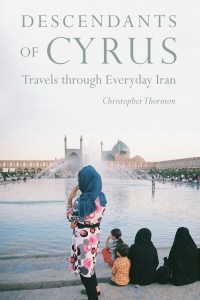
Christopher Thornton
We know the current political narrative: Iran is dangerous, full of terrorists and weapons of mass destruction. But Christopher Thornton here tells a different story: one of good food, liberal-minded people, beautiful architecture, and a country with a history spanning over seven thousand years that’s been influenced not only by the myriad cultures spanning Central Asia but also by Europe and the West. Descendants of Cyrus introduces readers to ordinary Iranians living lives far different from what is shown on Western television. Thornton takes us through the cities of Iran, where he encounters robust, barely hidden black markets filled with American movies and music; sees the women of Shiraz explore modern fashion and beauty products with no fear of reprisal from a weakened regime; and meets the students populating the university town of Hamadan, where a generation of activists is finding its voice.
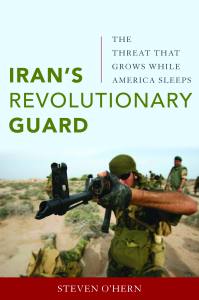
Steven O’Hern
Steven O’Hern’s definitive history of Iran’s Revolutionary Guard lays out in chilling detail the blatant acts of terrorism perpetrated with impunity by this group worldwide over three decades. This book is especially timely considering Iran is on the cusp of attaining nuclear weapons and because the ideology-driven IRGC will be the organization to use them. It is an impressive work that highlights the need for America to wake up before it’s too late.
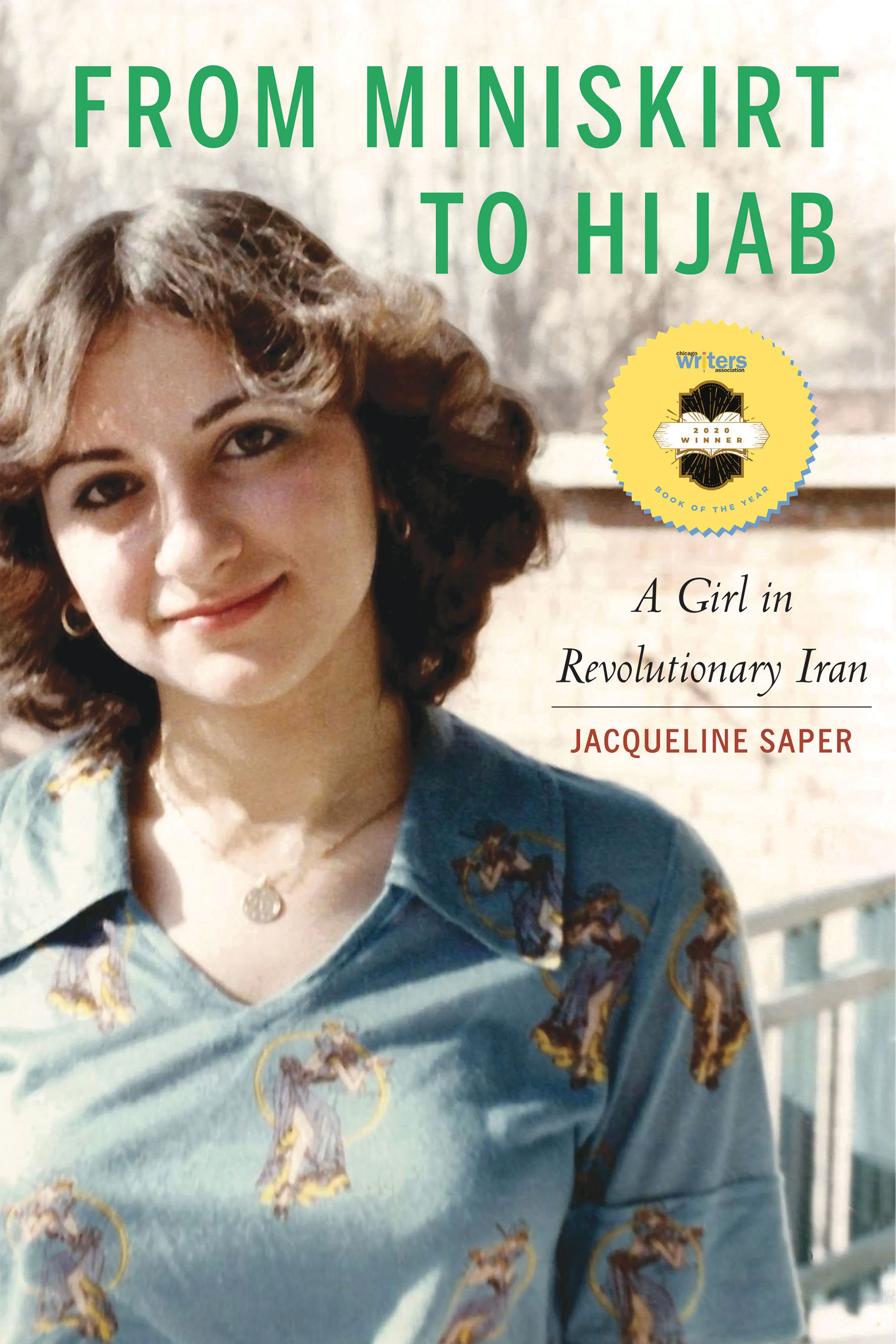
Jacqueline Saper
From Miniskirt to Hijab is the best book yet to explain the contrast of life under the rule of the Shah versus that of the Ayatollahs. Saper is uniquely able to articulate the underlying dynamic of Iran’s sudden rejection of a Western culture that was idealized for years before 1979. This book is a must-read for anyone who wants to understand the causes of turmoil in one of the most volatile regions of the world.
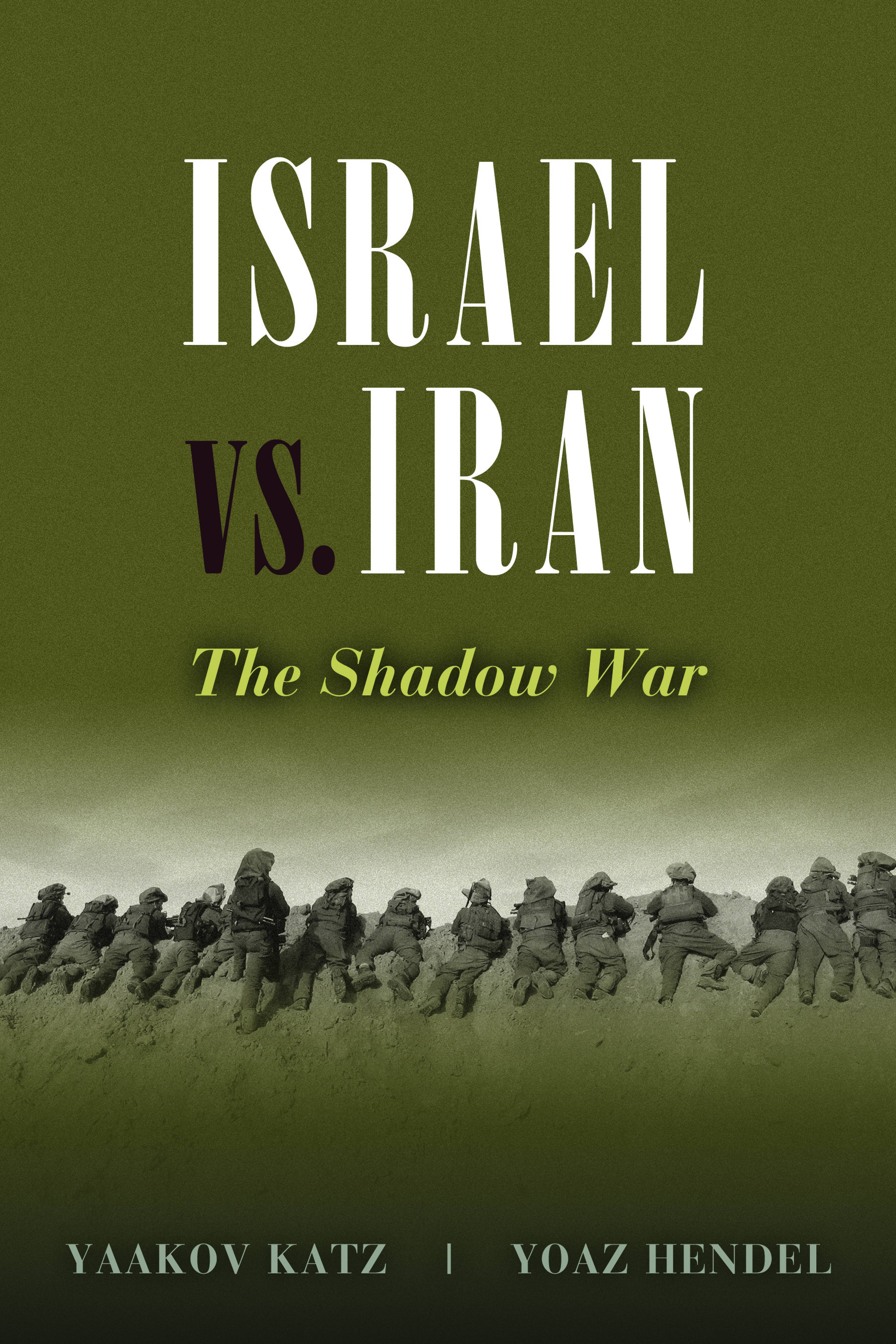
Yaakov Katz and Yoaz Hendel
The shadow war between Israel and Iran has been raging for more than three decades, ever since the Iranian revolution of 1979 ushered in a fundamentalist regime whose sworn enemies have consistently included, first and foremost, Israel and the United States. Israel, especially, has borne the brunt of attacks from Iran’s two most powerful proxies—Hamas in the Gaza Strip and Hezbollah in Lebanon. Iran’s nuclear ambitions raise the stakes immeasurably. Israel vs. Iran evaluates the threat to Israel’s security posed by a nuclear Iran, including competing perceptions of the threat, and analyzes Israel’s military and diplomatic options.
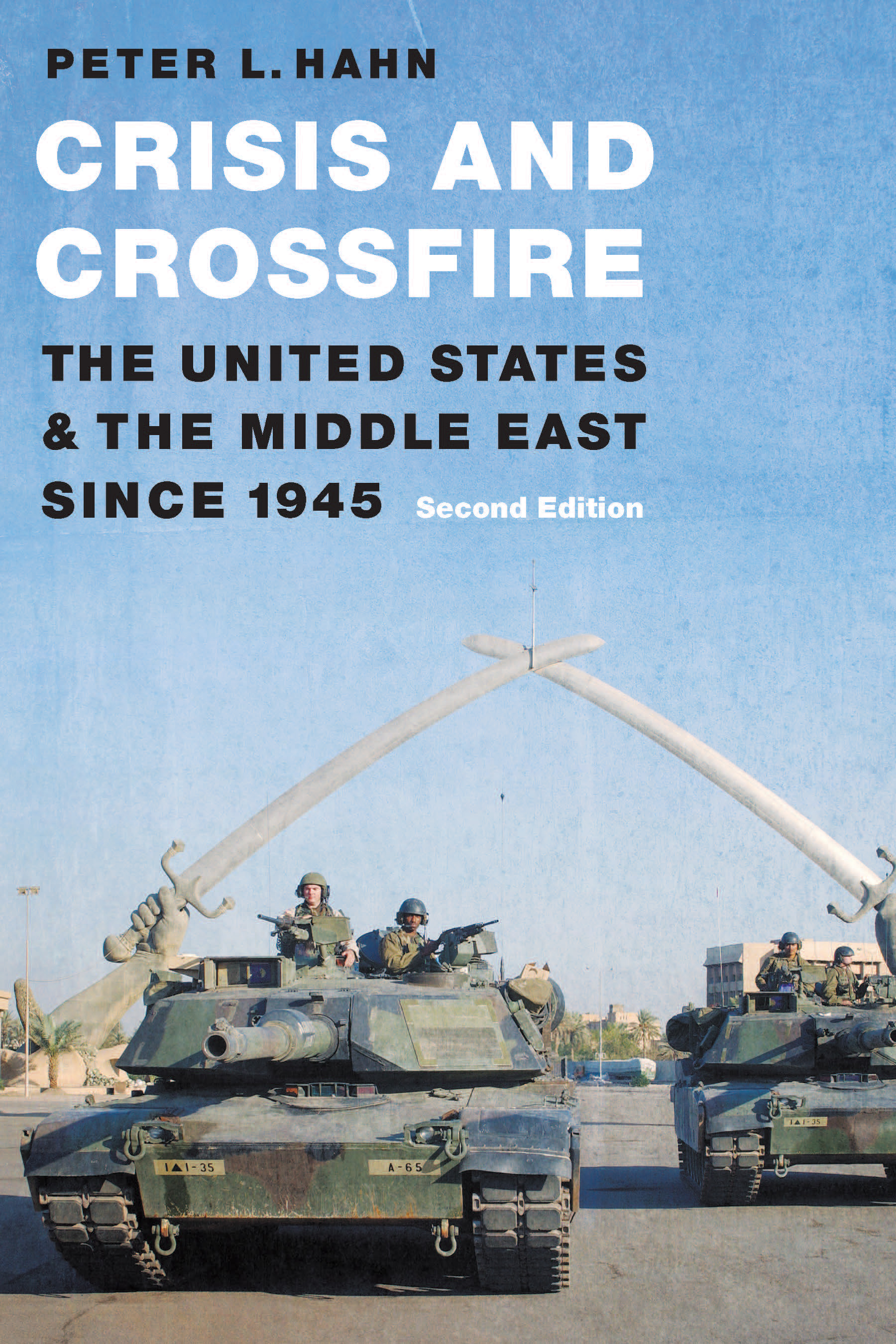
Peter L. Hahn
Crisis and Crossfire examines the U.S. approach to the Arab-Israeli conflict through eight decades, exploring the interstate wars of the 1940s–1980s, the quests to make peace in the 1970s–2010s, and the enduring strife between Israel and Palestine. Hahn details how the United States has assumed growing responsibility for regional stability and security in the Middle East since World War II, culminating in involvement in the Gulf War to liberate Kuwait and the invasions and occupations of Afghanistan and Iraq. This second edition provides an objective explanation of the Israeli-Palestinian Gaza War; the U.S. stand-off with Iran; the proxy wars in Lebanon, Yemen, Libya, and Syria; the threat of terrorism; and related topics.
Containment in the Middle East
Ehud Eilam
National security affairs analyst Ehud Eilam examines the strategy of containment in the Middle East as it is currently pursued. For the United States, containment is a way to avoid war with Iran and thwart its nuclear weapons program. For Israel it has been a way to prevent a confrontation with the Palestinians in both the Gaza Strip and the West Bank.
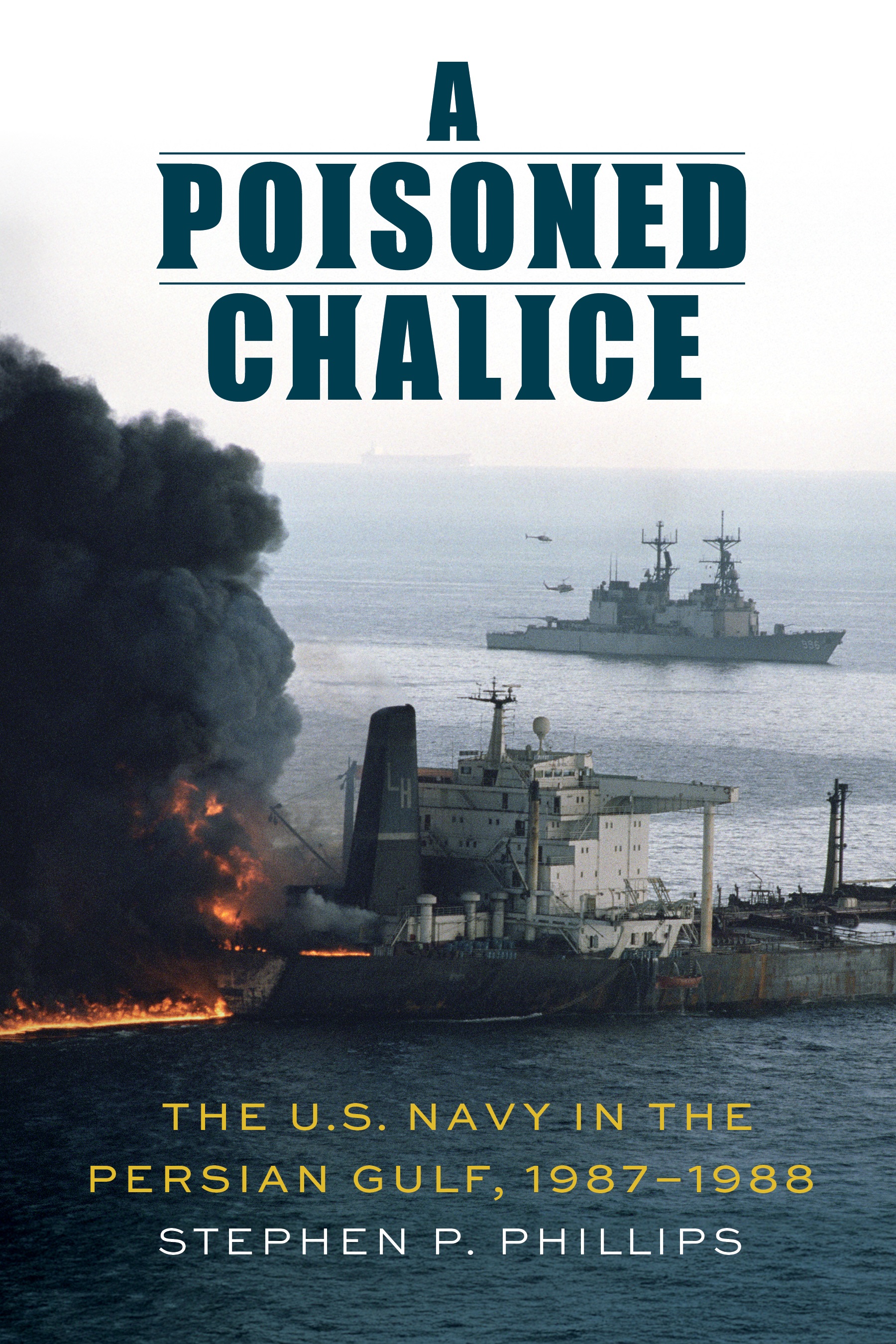
Stephen P. Phillips
In the 1980s, Iraq and Iran attacked each other’s petroleum industry in the Persian Gulf in what became known as the Tanker War. In an effort to restore stability to the world’s oil markets, the United States deployed a U.S. Navy flotilla to escort convoys of oil tankers in an operation dubbed Earnest Will. Although U.S. leaders imagined the Navy’s presence would deter hostile action, the United States instead found itself embroiled in a secret war with Iran. In A Poisoned Chalice, former U.S. Navy Commander Stephen P. Phillips discusses the Iran-Iraq War’s strategic implications, what happened at operational and tactical levels of warfare, and what the war teaches us about the United States’ relationship with the Middle East today.
 UNP blog