
WITMonth – aka Women in Translation Month – is an annual celebration of women writers from around the world, writing in languages other than English. Started by Meytal Radzinski in 2014, WITMonth is a way to spread the word about the Women in Translation project at large, and promote individual women writers in translation. Every August, readers from all continents around the world gather to read, review, and discuss works by women writers in translation.
Every perspective makes a difference. What happens when some voices simply aren’t heard? Women In Translation seeks to rectify the imbalance in world literature, promoting women writers from across all walks of life, all languages, and all experiences.
Women In Translation
Below are some UNP women writers in translation to add to your shelves this month!

Originally published in 1977, Do What They Say or Else is the second novel by French author Annie Ernaux and winner of the 2022 Nobel Prize in Literature. Set in a small town in Normandy, France, the novel tells the story of a fifteen-year-old girl named Anne, who lives with her working-class parents. As the novel progresses and Anne’s feelings about her parents, her education, and her sexual encounters evolve, she grows into a more mature but also more conflicted and unhappy character, leaving behind the innocence of her middle school years.
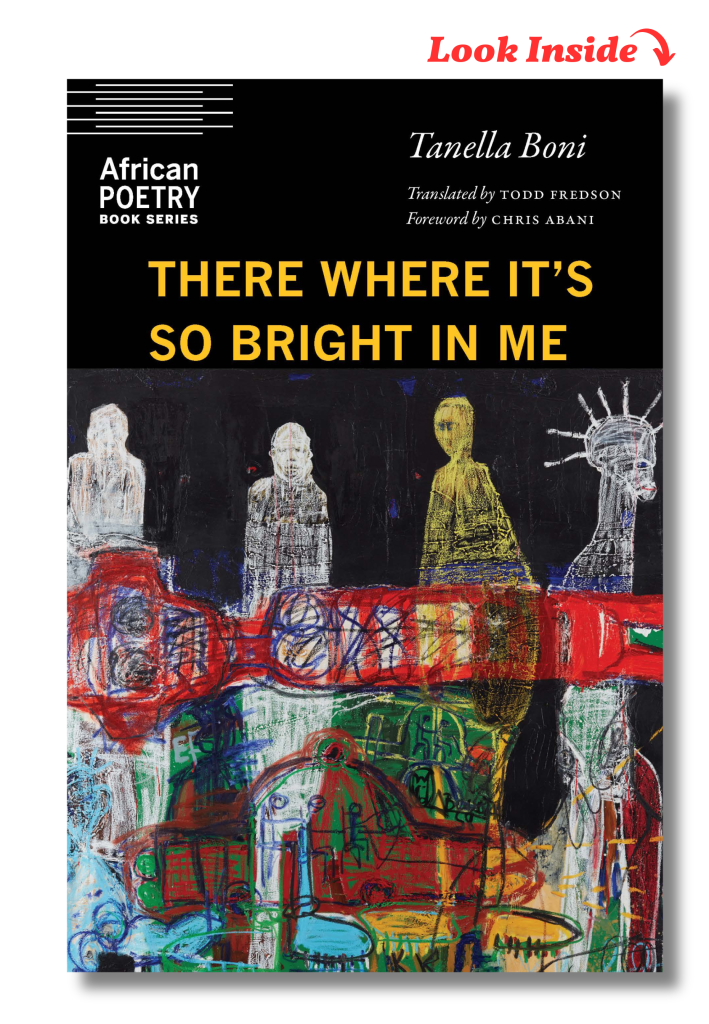
There Where It’s So Bright in Me pries at the complexities of difference—race, religion, gender, nationality—that shape twenty-first-century geopolitical conditions. What would it mean for the borders that segregate—for these social, political, cultural, personal, and historicizing forces that enshroud us—to lose their dominion? In a body under constant threat, how does the human spirit stay afloat? Boni’s empathy, insight, and plainspoken address are crucial contributions to the many difficult contemporary conversations we must engage.

Poetic and erotic, El mismo mar de todos los veranos (The Same Sea As Every Summer) was originally published in Spain in 1978, three years after the death of Franco and in the same year that government censorship was abolished. But even in a new era that fostered more liberal attitudes toward divorce, homosexuality, and women’s rights, this novel by Esther Tusquets was controversial. Its feminine view of sexuality–in particular, its depiction of a lesbian relationship–was unprecedented in Spanish fiction. Now its complex moods and rhythms have been caught in an English translation by Margaret E. W. Jones that has won the Kayden National Translation Award.
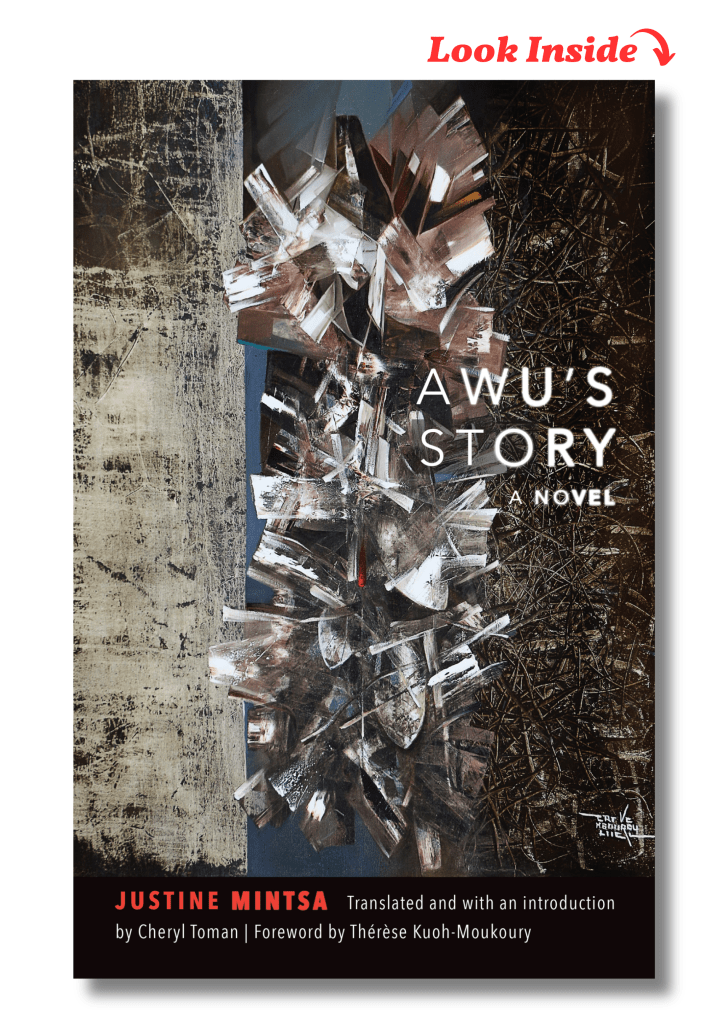
At the dawn of the twenty-first century, villages in the Fang region of northern Gabon must grapple with the clash of tradition and the evolution of customs throughout modern Africa. With this tension in the background, the passionate, deft, and creative seamstress Awu marries Obame, after he and his beloved wife, Bella, have been unable to conceive. Because all three are reluctant participants in this arrangement, theirs is an emotionally fraught existence. Through heartbreaking and disastrous events, Awu grapples with long-standing Fang customs that counter her desire to take full control of her life and home.

One of Argentina’s most prolific and distinguished writers, and acclaimed worldwide, Ana María Shua displays in these microfictions the epitome of her humor, riddling logic, and mastery over our imagination. Cinderella’s sisters surgically modify their feet to win the prince’s love. A werewolf gathers up enough courage to visit a dentist. A medium trying to reach the afterworld gets a recorded message. A fox and a badger compete to out-fool each other. Whether writing of insomnia from a mosquito’s point of view or showing us what happens after the princess kisses the frog, Shua, in these fleet and incandescent stories, is nothing if not pithy—except, of course, wildly entertaining.

Port-au-Prince, the 1960s: Baby Doc Duvalier and his militia are systematically eliminating opponents to the regime. Daniel Leroy, editor in chief of the opposition newspaper, has just been arrested. To find out what has become of him, his wife, Nirvah, visits Raoul Vincent, secretary of state at the Office of Public Safety. This fearsome head of the secret police is instantly smitten, and to ensure her husband’s survival and protect her family, Nirvah submits to the official’s desires. Kettly Mars’s Savage Seasons describes a pivotal and painful period in Haitian history by weaving together two stories: the personal story of Nirvah and her family and the universal story of Duvalier’s dictatorial regime and its abuses.

Artemisia Gentileschi, born in 1598, the daughter of an esteemed painter, taught art in Naples and painted the great women of Roman and biblical history. She could neither read nor write, and she was the reviled victim in a public rape trial, rejected by her father, and later abandoned by her husband. Nevertheless, she was one of the first women in modern times to uphold through her work and deeds the right of women to pursue careers compatible with their talents and on an equal footing with men. This edition features a new introduction by the celebrated critic and writer Susan Sontag.

Inspired by the colonial tale of an African midwife who kept a cord of some seventy knots, each one marking a child she had killed at birth, the novel transports us back to Saint-Domingue, before it became Haiti. The year is 1750, and a rash of poisonings is sowing fear among the plantation masters, already unsettled by the unrest caused by Makandal, the legendary Maroon leader. Through this tumultuous time, Lisette struggles to maintain her dignity and to imagine a future for her unborn child. In telling Lisette’s story, Trouillot gives the revolution that will soon rock the island a human face and at long last sheds light on the invisible women and men of Haitian history.

Andreas-Salomé has always been a figure of interest because of her close relationships to influential thinkers such as Friedrich Nietzsche, Rainer Maria Rilke, and Sigmund Freud. Only since the mid-1980s, however, have her prose fiction and theoretical writings been reconsidered as important documents of emerging ideas and debates in twentieth-century feminism. The ten stories of The Human Family drive home her critical perspective on feminine stereotypes. They depict a wide variety of young women as they relate to men representing different degrees of enlightenment and tolerance, struggling to express a complete and independent feminine identity in the face of the confining but often seductive roles that convention and tradition impose on female potential.
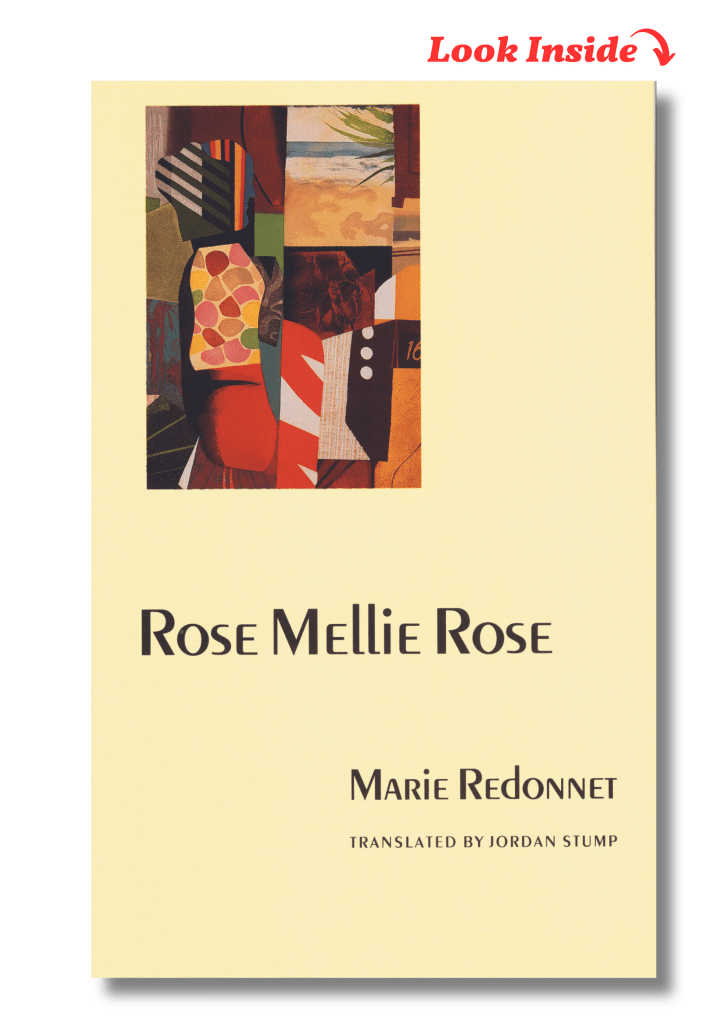
This is the story of Mellie, who as a baby is found in a grotto, then raised in a souvenir shop by Rose. At age twelve Mellie goes to the dying town of Oât, where she enters premature adulthood and assembles a photographic and written record of her life. Enchanting, realistic, comic, tragic—all these words describe this spellbinding novel that, like all genuine fables, takes us to a world that is utterly strange and very much our own. Rose Mellie Rose is one of three novels that are the first works to appear in English by Marie Redonnet, one of France’s most original new authors (the other novels are Hôtel Splendid and Forever Valley, both also available from the University of Nebraska Press).

Erotic entanglements, startling revelations, a furtive intruder, even a possible murder? Not at all what the students of Mind Control class envisioned when they gathered on a ranch outside Buenos Aires for a relaxing weekend. But here nothing is quite what it seems, least of all Magdalena herself, who while recounting the weekend’s events, changes her name as often as she changes her mind. Within the taut framework of a murder mystery, Alicia Steimberg weaves a tale far more concerned with who-is-it than with whodunit.
For more translated works check out the French Voices series, the European Women Writers series, or the Latin American Women Writers series. Select African Poetry Books feature women writers in translation.
 UNP blog
One thought on “WITMonth 2023 Reads”