
“Without translation, I would be limited to the borders of my own country. The translator is my most important ally. He introduces me to the world.”
—Italo Calvino
September is National Translation Month! Translators are often underappreciated despite their intricate work of interpreting texts in a new language. This month, take time to read a translated book or books about translation.
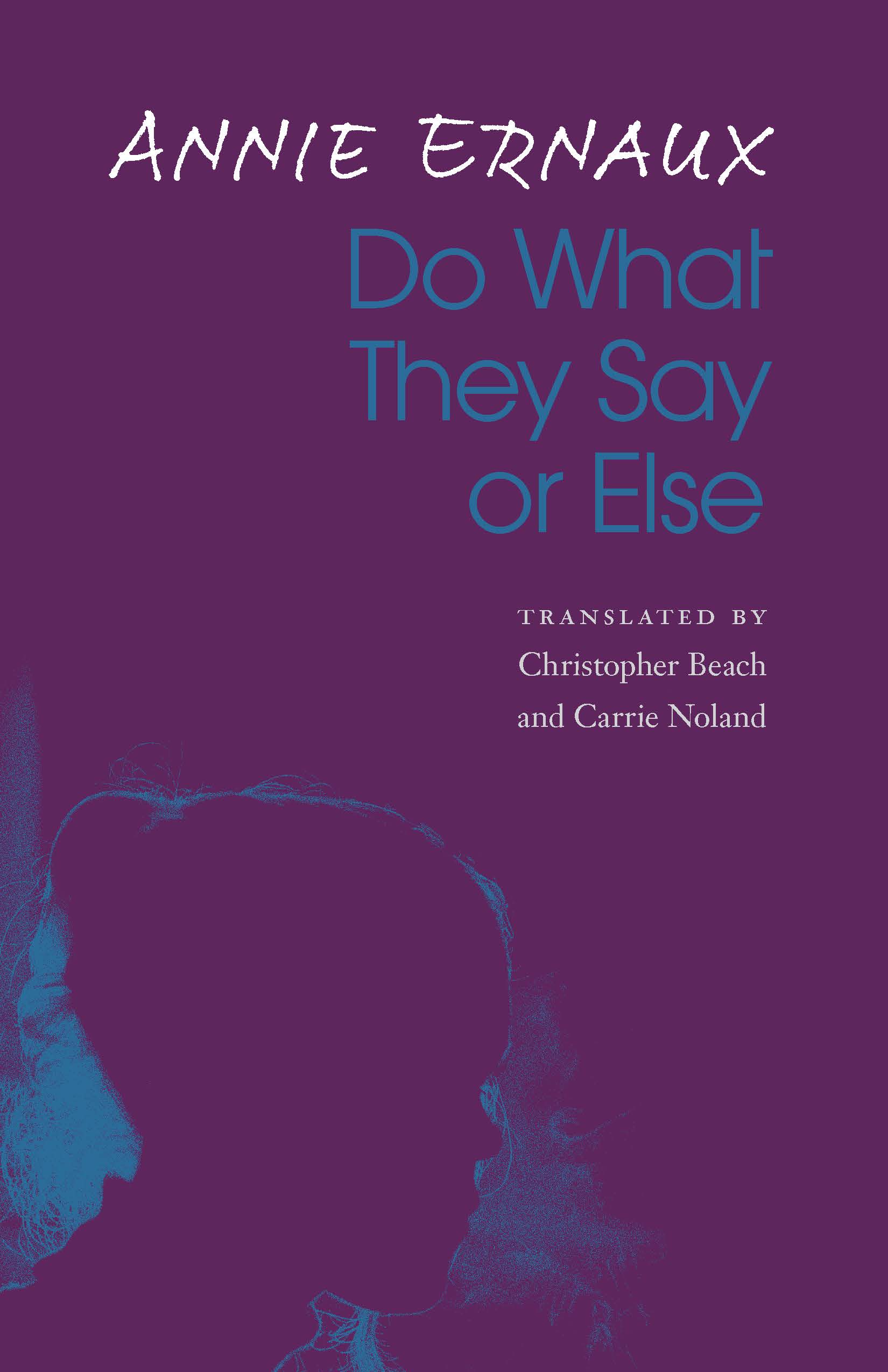
Set in a small town in Normandy, France, the novel tells the story of a fifteen-year-old girl named Anne, who lives with her working-class parents. The story, which takes place during the summer and fall of Anne’s transition from middle school to high school, is narrated in a stream-of-consciousness style from her point of view. Ernaux captures Anne’s adolescent voice, through which she expresses her keen observations in a highly colloquial style.
Tanella Boni is a major African poet, and this book, The Future Has an Appointment with the Dawn, is her first full collection to be translated into English. These poems wrestle with the ethnic violence and civil war that dominated life in West Africa’s Ivory Coast in the first decade of the new millennium.

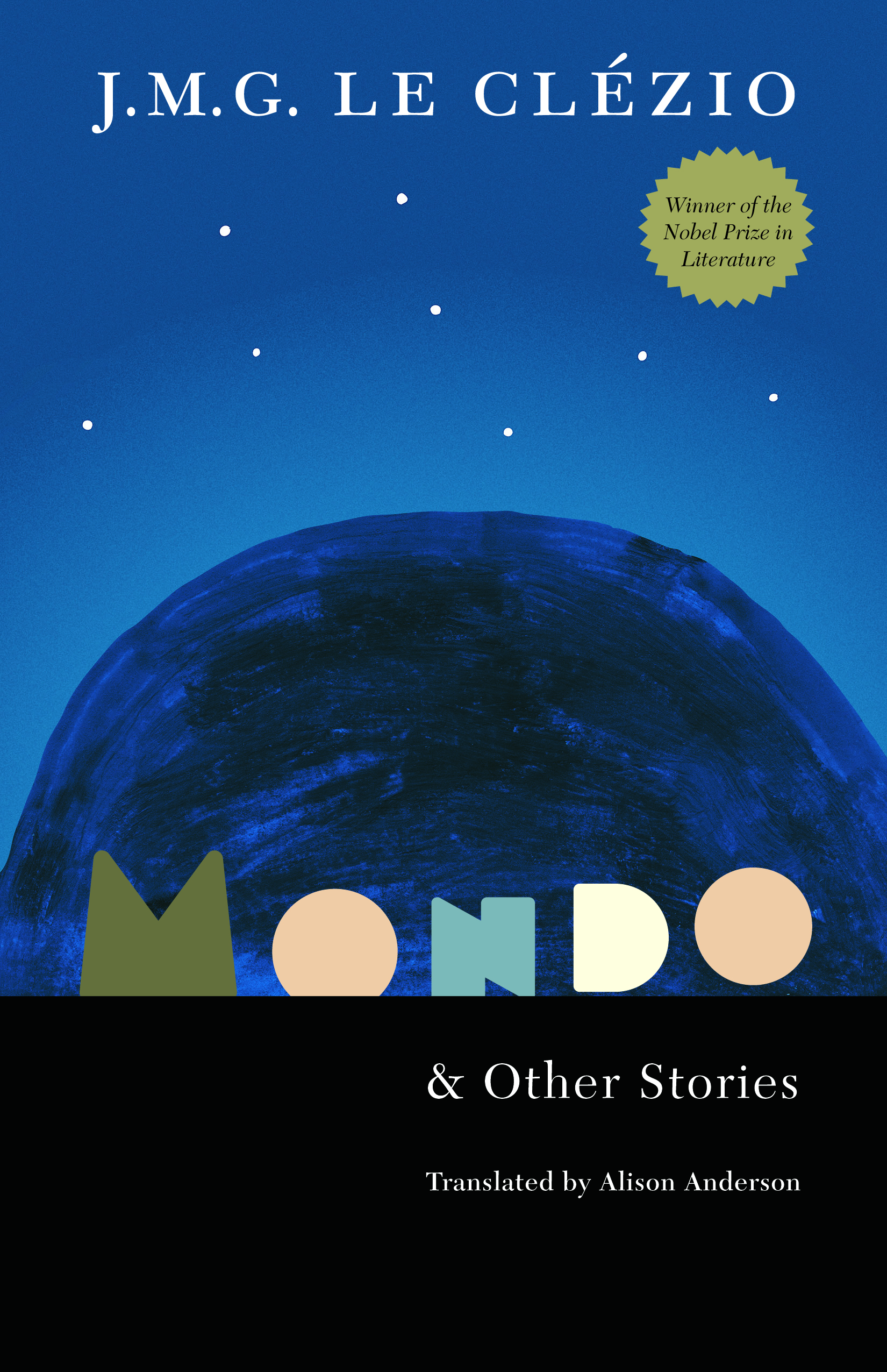
The outlying humanity that Le Clézio explores in this collection of stories finds its expression in the understanding of children. The world of Mondo and Other Stories is that of a natural world pushed to the margins by complacent, indifferent modernity.
While humanity seems to be fading around them, the members of a shadowy organization are doing their inadequate best to assist those experiencing their last moments. From a soldier-monk exorcising what seem to be spirits (but are they?) from an abandoned house, to a spy executing a mission whose meaning eludes him, to characters exploring cells, wandering through ruins, confronting political dissent and persecution, encountering—perhaps—the spirits once exorcised, these stories conduct us through a world at once ambiguous and sharply observed.

Wise Words of the Yup’ik People documents their qanruyutait (adages, words of wisdom, and oral instructions) regarding the proper living of life. Throughout history these distinctive adages have guided the relations between men and women, parents and children, siblings and cousins, fellow villagers, visitors, strangers, and non‑Natives.

In the face of amnesia, how does one exist? In this poem, Hawad speaks directly to Azawad, a silent figure whose name designates a portion of Tuareg lands divided among five nation-states created in the 1960s. This evanescent being, situated on the edge of the abyss and deprived of speech, space, and the right to exist, has reached such a stage of suffering, misery, and oppression that it acquiesces to the erasure implicit in the labels attached to it.

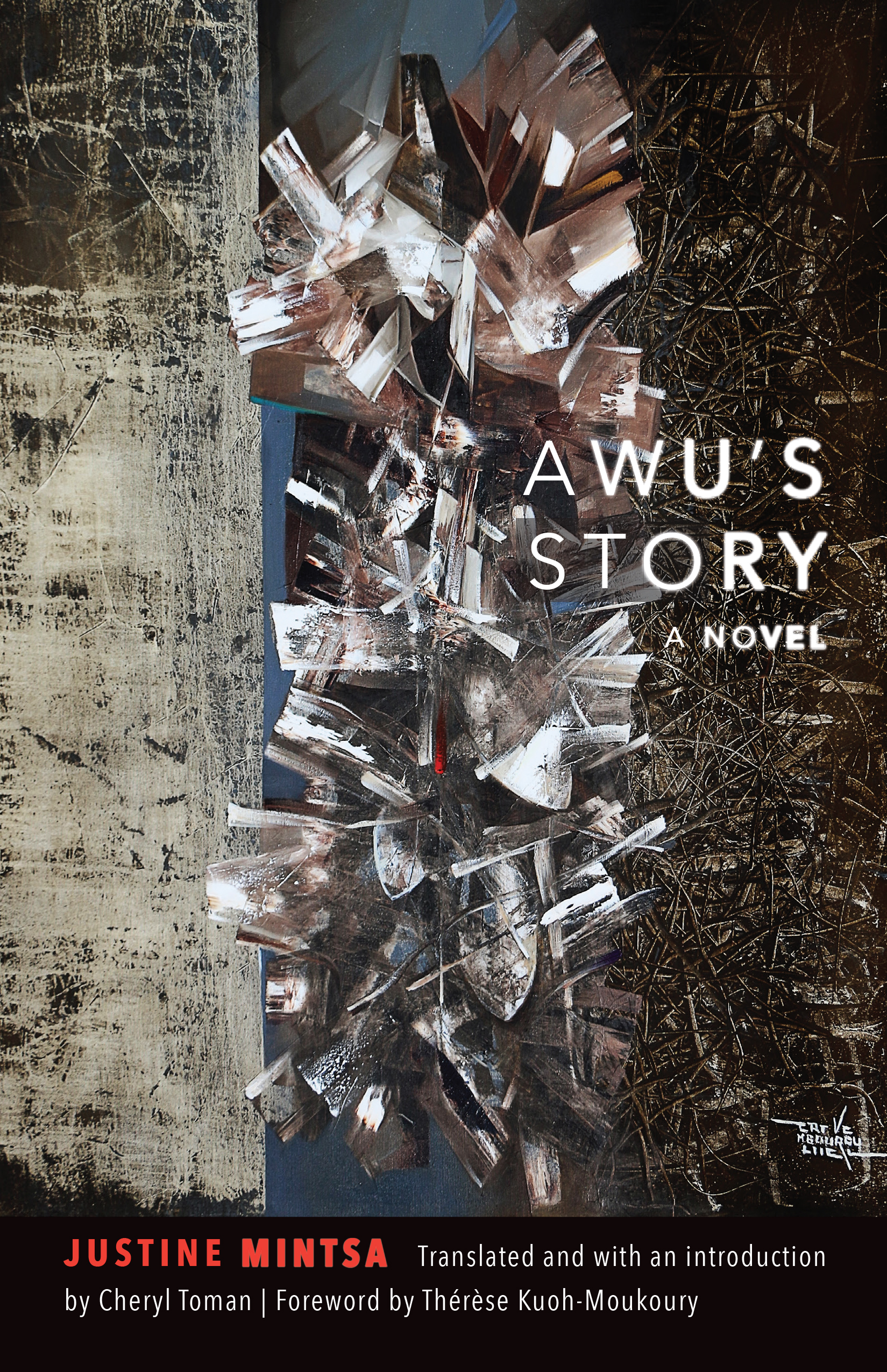
This novel follows the life of Awu in a village-turned-small-town in the Fang region of northern Gabon at the dawn of the twenty-first century. Justine Mintsa, a pioneer of Gabonese literature, weaves Awu’s story with Fang legend in a narrative tableau drawing on tradition as well as the evolution of customs and thought in modern African society.
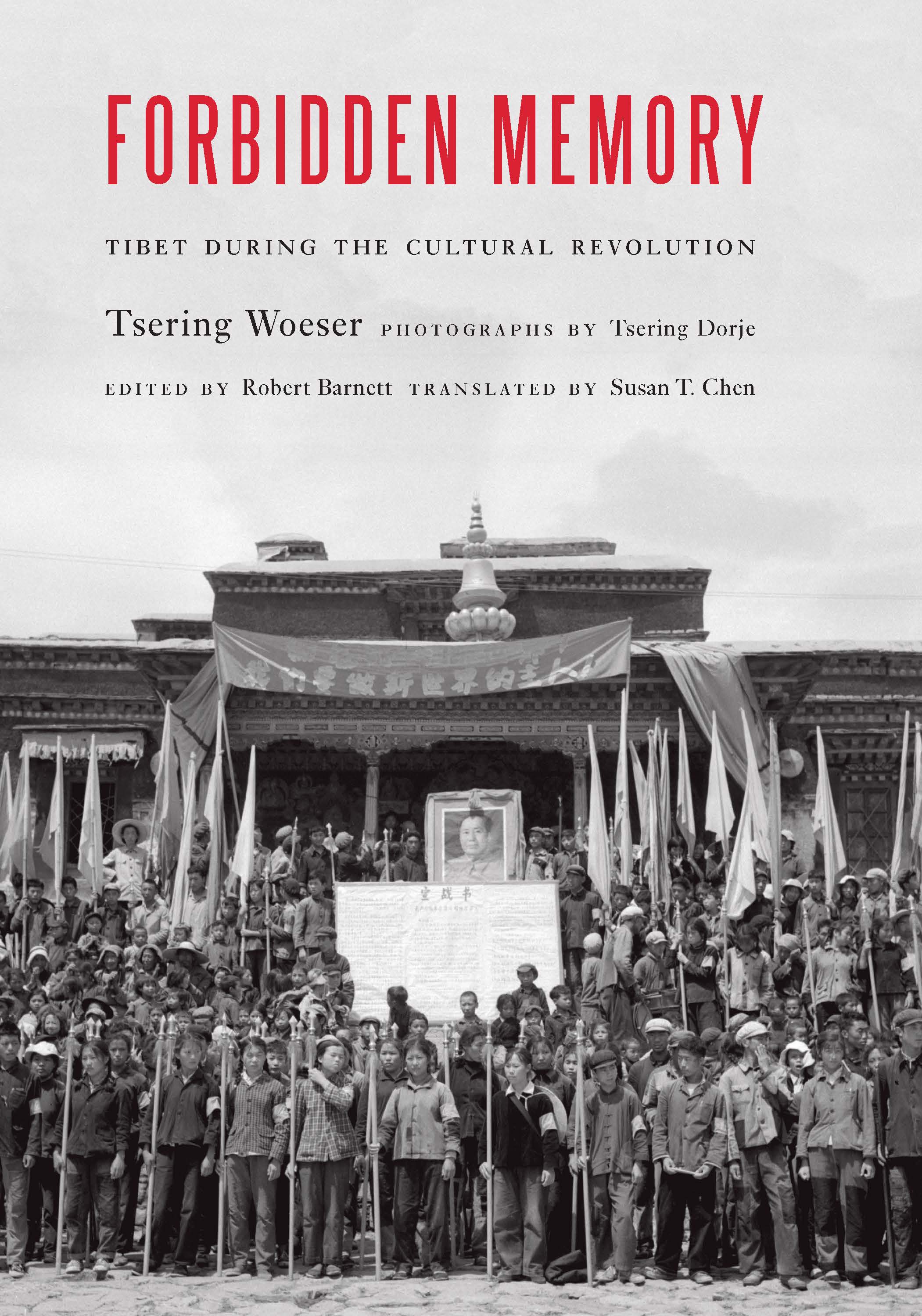
Forbidden Memory is a set of three hundred previously unseen photographs that show for the first time the violence and destruction of the Cultural Revolution in Tibet, with extensive interviews and detailed cultural and historical analysis.
Chloé Delaume’s novel enacts a life-size game of Clue in which six psychiatric patients are suspects in a murder. In addition to the stories of these possible assassins, Not a Clue is a clever exploration of life’s unrelenting compromises and a commentary on literary production and consumption.

Born in the Blood
BRIAN SWANN
In Born in the Blood, noted translator and writer Brian Swann gathers some of the foremost scholars in the field of Native American translation to address the many and varied problems and concerns surrounding the process of translating Native American languages and texts.

For further reading, check out our African Poetry series, European Women Writers series, or French Voices series.
 UNP blog
One thought on “Reading List: National Translation Month”