Happy University Press Week! Help us celebrate university presses November 11-15. Since 2012, members of the Association of University Presses have participated in an annual celebration of University Presses.
This year’s theme for UP Week is “Step UP.” This is meant to provide an opportunity for presses and their supporters to explore the myriad ways our community’s publications and platforms give context to current issues and events, offer solutions to global challenges, and present diverse voices in a broad range of disciplines.
The #UPweek blog tour today features “WHAT does your press do to #StepUP?” Posts on today’s topic, giving examples of the ways fellow university presses have made scholarship more accessible or amplified diverse voices, come from Duke University Press, Athabasca University Press, Liverpool University Press, UNC Press, University of Michigan Press/Michigan Publishing, Columbia University Press, University of Chicago Press, University of Pennsylvania Press, Edinburgh University Press, Leuven University Press, McGill-Queen’s University Press, University of Illinois Press, University of Vermont Press, Princeton University Press, University of Texas Press, Purdue University Press, University of Washington Press, University of Notre Dame Press, SUNY Press, University of Utah Press, University Press of Mississippi, University of Rochester Press, and John Hopkins Press University Press.
For our contribution, Senior Acquisitions Editor, Matt Bokovoy will discuss the importance of our Native American and Indigenous Studies list.
Why Publishing in Native American and Indigenous Studies Matters Today
The modern world after 1492 is built upon European genocide against Indigenous peoples, dispossession of their lands, and coerced cultural assimilation. Native American and Indigenous Studies and general interest books in Native and Indigenous histories tell the story of how Aboriginal peoples resisted, survived, and navigated frontal attacks on their ways of life. Books on Indigenous peoples show how they continue to thrive and persist through their own actions and strategies as sovereign nations, thus taking control of their own destinies. Publishing books on these topics is critical to us as a press in order to honor this fraught history and chart new paths toward reconciliation.
The University of Nebraska Press has published scholarship and general interest books in Native American history since its founding in 1941, and for the general trade reader through its imprint Bison Books in 1961. In the early days of university press publishing, the Great Plains and Southwest university presses were the leading publishers of Native American history and Indigenous culture, such as the University of New Mexico Press (founded in 1928) and the University of Oklahoma Press (founded in 1929). The University of California Press must be acknowledged as well; founded in 1893, the anthropologist Alfred Kroeber began its publishing program in Native American ethnology, which was furthered by the legendary August Frugé, who became director in 1949. Together with the University of Nebraska Press, these four publishers sponsored work in anthropology, ethnography, history, literature, autobiography, general nonfiction, fiction, and memoir in Native American and Indigenous Studies, a field that did not yet exist and was spread among humanities and social sciences disciplines. University of Nebraska Press and its companion regional publishers from the start published works written by Native authors and about Native American history and culture.
When the long Civil Rights Movement emerged out of the late 1930s, World War Two, and the 1950s, American society caught up with the publishing programs of the University of Nebraska Press and its colleague publishers, particularly the activism in the American Indian Movement, the tribal sovereignty actions of US Native nations, Native American community organizing in every major and regional city, and the first generation of Native American scholars and professors to populate US public universities after World War Two. American popular culture from the 1960s to the 1980s appropriated and repackaged consumer goods, films, television, music, and other media from Native American nations. This gave higher visibility to Native American issues sometimes aiding in progressive movements, but mostly continued harm as corporate and commercial engagement extracted Native culture for profit.
Publishing and promoting works by and about Native Americans is hardwired into the DNA of our publishing house, much like our regional colleague presses. Collectively, university presses continued publishing programs in Native American and Indigenous Studies as society and culture caught up with all of us in the 1960s and 1970s.
At Nebraska Press, we have published classic works on Native peoples like John. G. Neihardt’s assisted autobiography, Black Elk Speaks (William Morrow & Company, 1932; reprinted by UNP, 1961), however, our current emphasis in publishing work by Indigenous authors centers on scholarship, memoir, general nonfiction, autobiography, and biography, rather than older “as-told-to” formats of prior generations. In the recent past, Indigenous authors such as Elizabeth Cook-Lynn, Louis Headman, Elias Kelly, Richard Moves Camp, Ella Cara Deloria, Josephine Waggoner, LaDonna Harris, Pauline Hillaire, Delphine Red Shirt, Alma Hogan Snell, Rosalyn LaPier, Nancy Mithlo, Michelle Raheja, and Gerald Vizenor have appeared in both the Nebraska and Bison Books imprints. University of New Mexico Press, University of Oklahoma Press, University of California Press, University of Minnesota Press, University of North Carolina Press, University Press of Kansas, University of Arizona Press, and University of Texas Press, among others, have similar core, editorial programs in sponsoring works written by Native American and Indigenous authors.






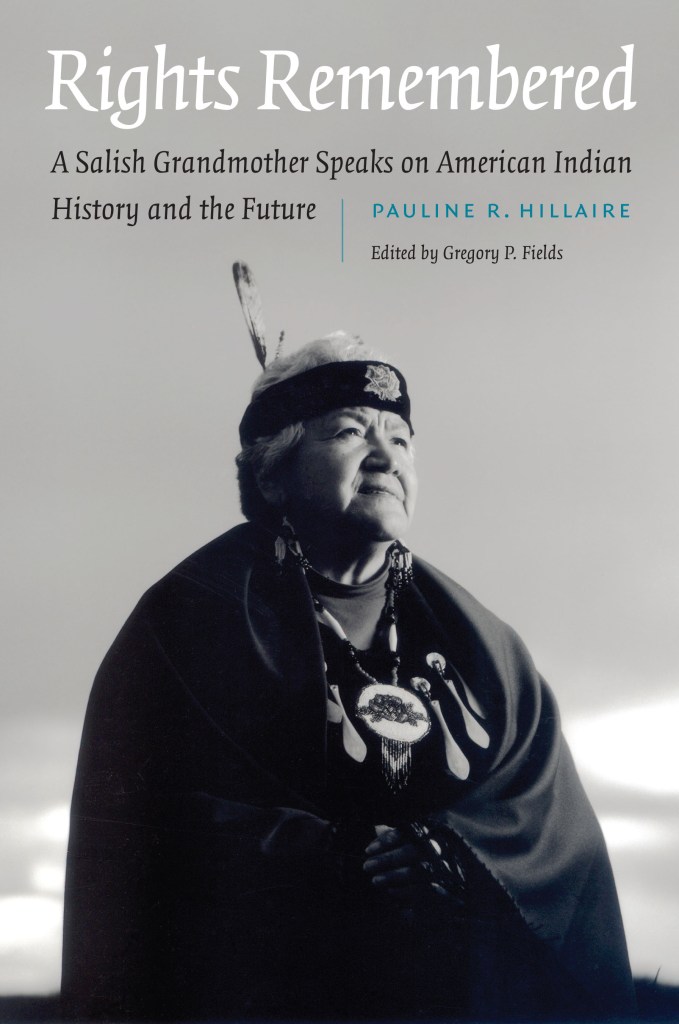


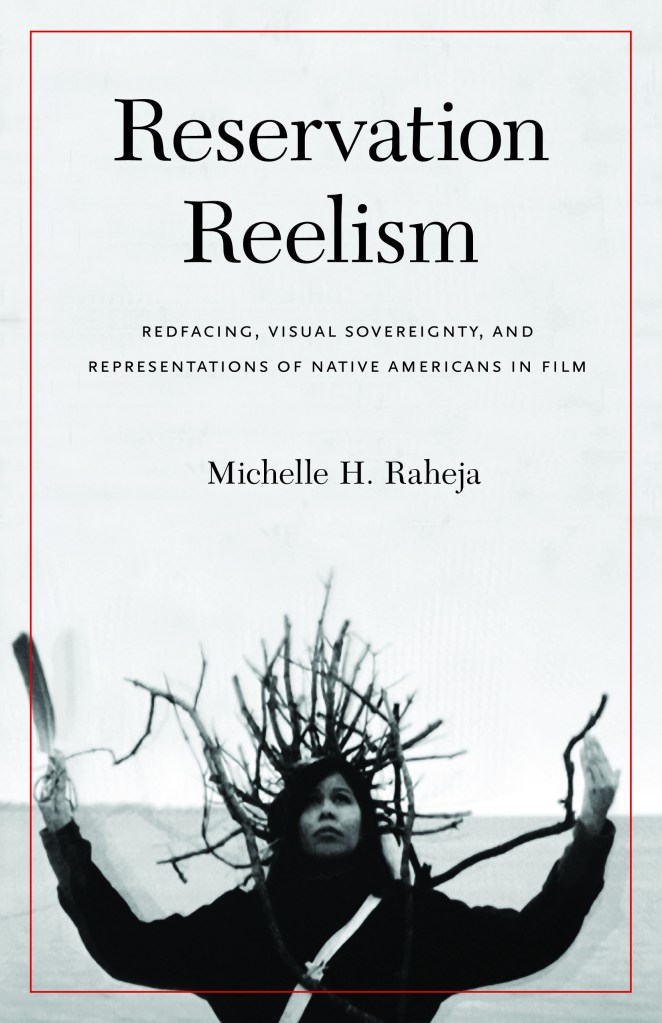

In university press publishing historically, we have supported what former Pantheon and The New Press publisher André Schiffrin calls “publishing diversity,” the important mix of new and mainstream voices by a wide variety of nonprofit, small commercial, and corporate publishers. Publishing diversity contributes to a healthy intellectual and literary ecosystem of fresh content, perspectives, and ideas. University presses have always championed new voices outside of the mainstream cultural norms of any given era as nonprofit publishers and will continue to do so.
 UNP blog