Happy University Press Week! Help us celebrate university presses November 11-15. Since 2012, members of the Association of University Presses have participated in an annual celebration of University Presses.
This year’s theme for UP Week is “Step UP.” This is meant to provide an opportunity for presses and their supporters to explore the myriad ways our community’s publications and platforms give context to current issues and events, offer solutions to global challenges, and present diverse voices in a broad range of disciplines.
Today’s #UPweek blog tour features “WHERE does your press #StepUP?” Posts on today’s topic, which consider the many contexts and places where University Presses StepUP, come from University Press of Florida, NYU Press, University of Texas Press, Cornell University Press, Kent State University Press, Columbia University Press, University of Pennsylvania Press, University of Alabama Press, University of Vermont Press, SUNY Press, University of Ilinois Press, and Purdue University Press.
For our contribution, Chibueze Darlington Anuonye, a P.hD student at UNL, will discuss the African Poetry Book Fund and the African Poetry Book series published by UNP.
The African Poetry Book Fund Has Given African Poets a Platform to Thrive
In 2012, Kwame Dawes established the African Poetry Book Fund in conjunction with the University of Nebraska to promote the production, circulation, and valuation of poems by writers of African descent on the continent and in diaspora. In the years since, the project has become the anchor for contemporary African poetry and has helped to position the University of Nebraska Press as a powerhouse of African cultural and intellectual modernity in the twenty-first century.
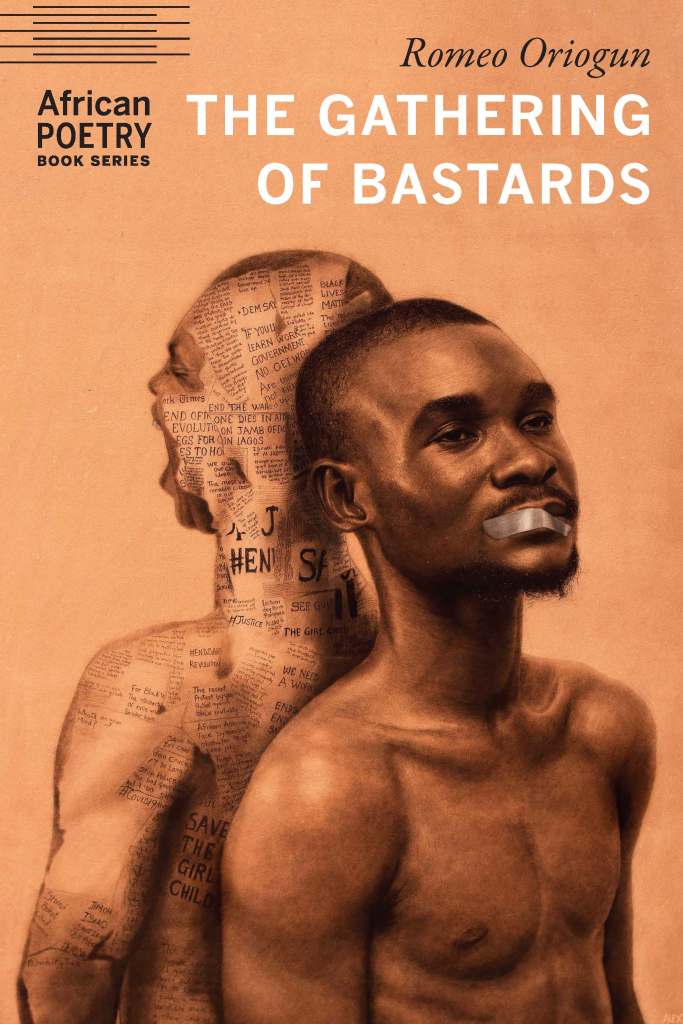
The African Poetry Book Fund project includes the New-Generation African Poets Chapbook Box-set series and the Sillerman First Book Prize for African Poetry, awarded to an unpublished debut poetry manuscript by an African poet. Other initiatives include a research project on the distribution of poetry books in Africa and the African Poetry Translation Series, established to support African and Caribbean poetry, already starved of visibility in a publishing world where poetry is not prioritized. Romeo Oriogun, Saddiq Dzukogi, Tsitsi Ella Jaji, and other African poets published by the University of Nebraska Press have become an integral part of the trajectory of contemporary African poetry. Moreover, Oriogun’s emergence as a finalist in the 2023 National Book Critics Circle Award and his winning of the 2024 Nebraska Book Award in poetry with The Gathering of Bastards are testaments to the foresight of Dawes’ and the University of Nebraska’s investment in African poetry.


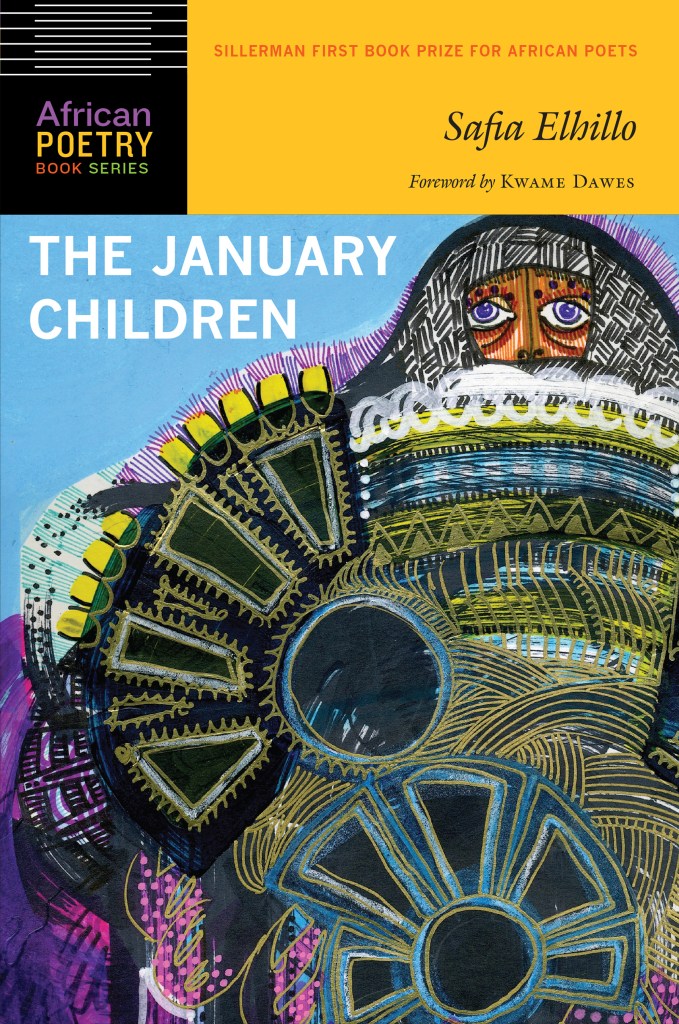
Dawes’ attempt to resuscitate contemporary African poetry and raise a whole new generation of African poets to continue an age-old tradition and legacy at a time when there was no source of inspiration or prizes shows how much of a trailblazer he was, in the company of the likes of Evaristo and what she achieved with the Brunel Poetry Prize, now known as Evaristo African Poetry Prize. In establishing the prize, Evaristo expresses her belief “that poetry from the continent could also do with a prize to draw attention to it and to encourage a new generation of poets who might one day become an international presence.” True to Evaristo’s dream, past winners of the prize, like Warsan Shire in 2013, Safia Elhillo in 2015, and Oriogun in 2017 are now global literary stars.

The latest project, and perhaps the most massive so far, being run by Dawes and his team, is The African Poetry Digital Portal, which was launched in 2017. The stated aim of the project is to document the work of African poets by providing digital access to its wide-ranging scope of research materials and creative works. In August 2021, the project received a three-year grant of $750,000 from the Mellon Foundation. The project, according to Dawes, will “give poets a chance to engage the tradition as part of their understanding of the poetics of form and practice.”
The African Poetry Book Fund has given African poets a platform to thrive. We can support this project by reading and promoting the works of African poets.

Chibueze Darlington Anuonye is a literary conversationist, editor, and writer.
An earlier version of this essay appeared in Brittle Paper in December 2022.
 UNP blog