Kerry Fine is an instructor in the Department of English at Arizona State University. Michael K. Johnson is professor of American literature at the University of Maine-Farmington. Rebecca M. Lush is a professor in the Literature and Writing Studies Department and is the Faculty Center director at California State University San Marcos. Sara L. Spurgeon is professor of English and directs the Literature, Social Justice, and Environment Program at Texas Tech University. They are the editors of Weird Westerns: Race, Gender, Genre (Nebraska, 2020) and Hell-Bent for Leather: Sex and Sexuality in the Weird Western (Nebraska, 2025) in the Postwestern Horizons series.
The second season of Amazon Prime’s retrofuturist post-apocalyptic television series Fallout (adapted from the video game of the same name) begins with an homage to an early scene in Sergio Leone’s spaghetti western The Good, The Bad and the Ugly. As part of a scam to collect bounty money, Blondie (Clint Eastwood) delivers Tuco (Eli Wallach) to the sheriff’s office. His subsequent execution by hanging is disrupted when Blondie’s sharpshooting cuts the rope and the newly freed Tuco escapes on horseback.
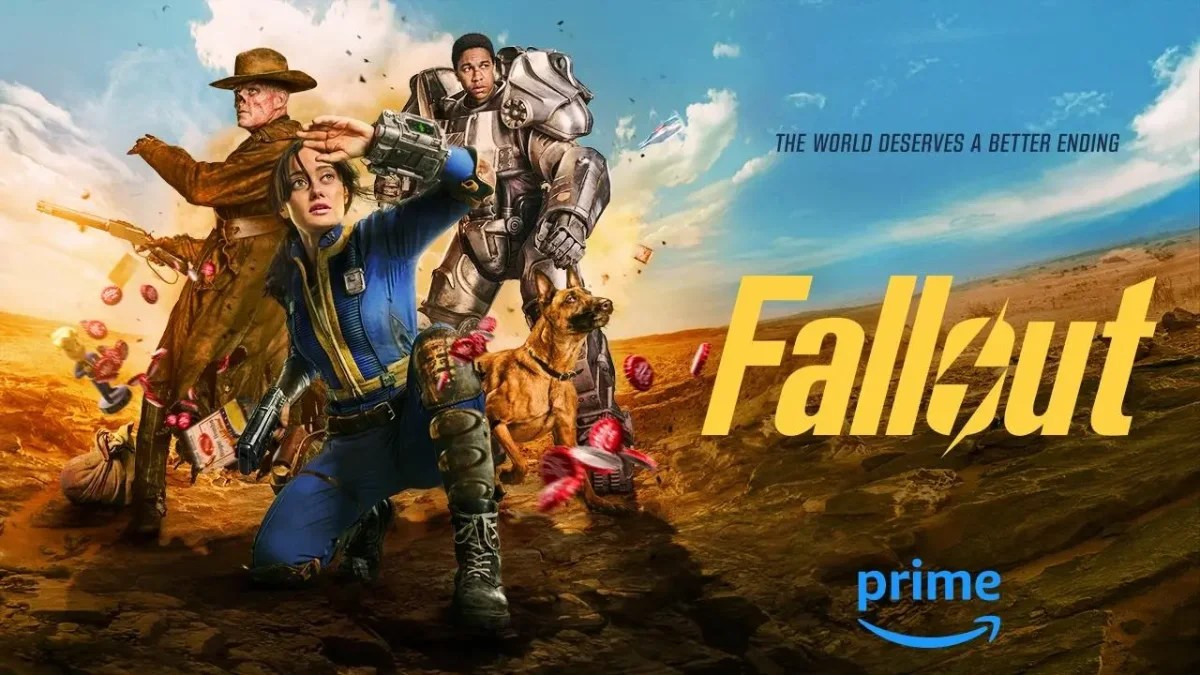
Fallout reimagines this scene with a Weird Western twist. The desert landscape is familiarly western, but we also have the post-apocalyptic mise-en-scene of an abandoned 1950s-style motel somewhere on the way to Las Vegas. The scam remains the same. Standing in for Tuco is the Ghoul (Walton Goggins), an undead bounty hunter who in his pre-apocalyptic life was cowboy movie star Cooper Howard. Wrapped around his neck is a noose made from barbed wire and rope. He stands on a makeshift diving board above a dust-covered empty swimming pool surrounded by a barbarous gang of villains.
Standing in for Blondie is Lucy (Ella Purnell), stationed above the scene and hidden inside the mouth of a giant plastic-molded dinosaur statue. When she fires the shot that sets the Ghoul free, Marty Robbins’ gunfighter ballad “Big Iron” drops on the soundtrack, and the Ghoul takes care of the gang of villains like Robbins’ Ranger takes care of Texas Red. Gunshots thunder, heads explode in gouts of blood, and Lucy and the Ghoul bicker like Tuco and Blondie.
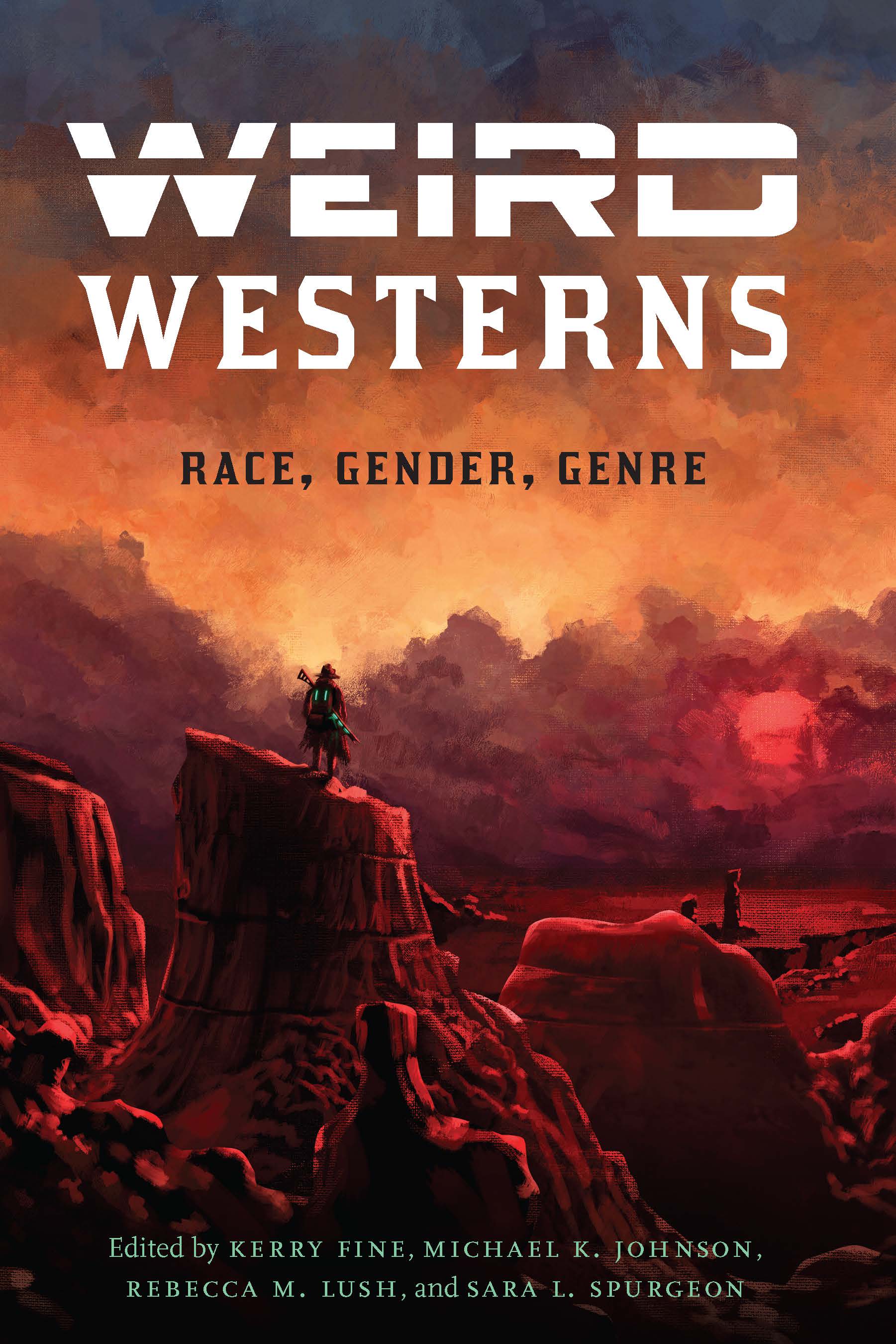
In the University of Nebraska Press critical anthology Weird Westerns: Race, Gender, Genre (2020), we defined weird westerns as “texts that utilize a hybrid genre format, blending canonical elements of the western with either science fiction, fantasy, horror, or some other component of speculative literature.” The scene from Fallout exemplifies multiple elements of this hybrid genre, including its knowing and explicit references to the western genre and to specific western texts, and its intentional, sometimes hyperbolic, over-the-top, enthusiastic joining, juxtaposing, and merging of tropes and conventions from multiple genres. Marty Robbins, Clint Eastwood, zombie films, retrofuturism, Sergio Leone, 1950s western-motel aesthetics, all are mixed together in the campfire stew of this weird western.

Our recent second volume of weird western criticism from UNP, Hell-Bent for Leather: Sex and Sexuality in the Weird Western (2025), continues the exploration of what is becoming the 21st century’s most distinctive and most popular version of the western genre. Looking back at Weird Westerns after its publication, we realized that, even though individual chapters may have touched on the topics, there might be more to say about sex and sexuality in weird western texts. If the tropes of science fiction, fantasy, and the supernatural could “weird” the western, could those speculative genre elements also ‘queer’ the western? If weird westerns could tell us something about our cultural understandings of race and gender, what might they have to say more specifically about sex and sexuality?
Individual chapters in the book address those questions, and they do so through exploring a wide range of weird western media, books, television, film, video games.
Inspired by the publication of Hell-Bent for Leather, Sara Spurgeon and Michael Johnson put together a co-taught course that demonstrates the usefulness of these two weird western anthologies as a framework for teaching weird westerns. Michael taught his course to students at the University of Maine at Farmington, Sara to her students at Texas Tech, and, somewhat miraculously, given some of the logistics that always seemed to work against them (snow cancellations in Maine! underground fires in Lubbock!), they managed to have both classes meet together via zoom once a week. They also had the students work together on a collaborative weird westerns blog project.
They used Weird Westerns: Race, Gender, Genre, as the primary critical text for the course, with some additions from Hell-Bent for Leather. They matched readings from the anthology with primary texts in the course that were either directly related or addressed similar topics: Victor LaValle’s Lone Women, Stephen Graham Jones’ The Only Good Indians, Anna North’s Outlawed, films and television series such as Django Unchained, The Wild Wild West, The Walking Dead, and The Mandalorian.
If there are any doubts about whether weird westerns will engage students, take a look at the Weird Westerns Course Blog.
Michael and Sara were a little surprised by the high level of enthusiasm that students brought to the course, and that enthusiasm is clear in the blog posts, especially in the posts that went beyond the primary texts on the syllabus to explore other examples of weird westerns, particularly in the world of video games.
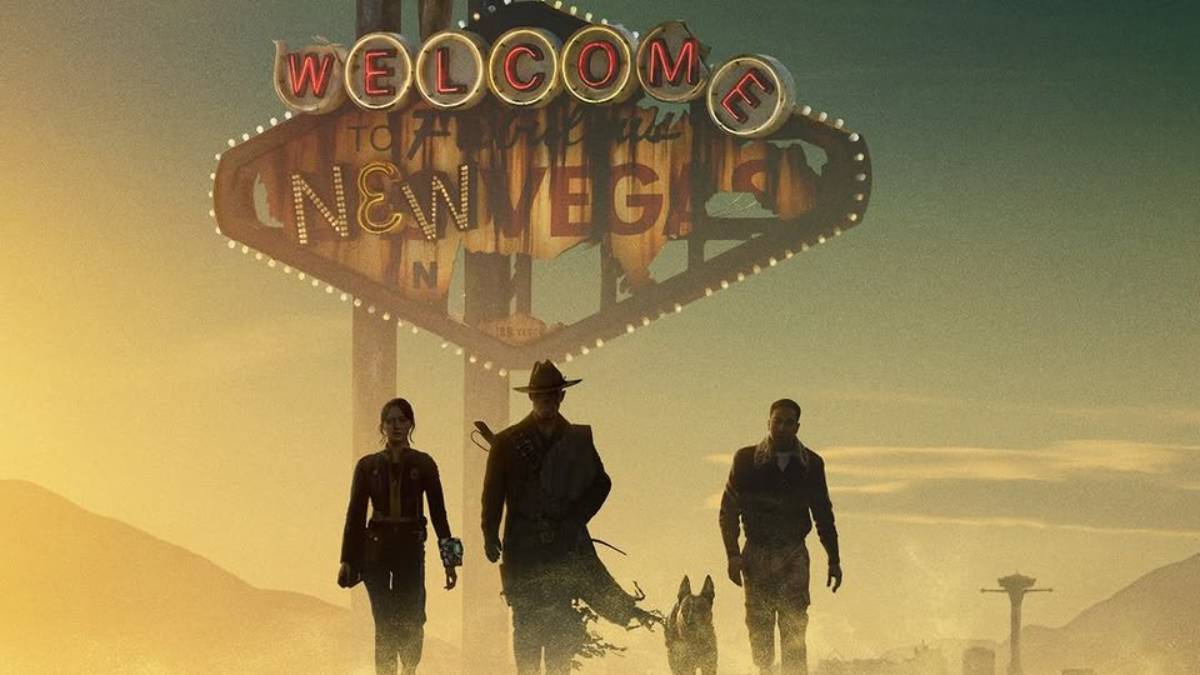
The posts on the Fallout: New Vegas video game are useful reading for any non-game-players who want to know more about the source material for Fallout season two.
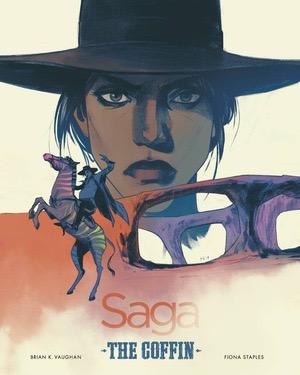
The students also introduced Michael and Sara to weird western narratives they didn’t know existed, as in Hayley Pettis’ post on a western-themed story set in the world of the Saga comic book series.
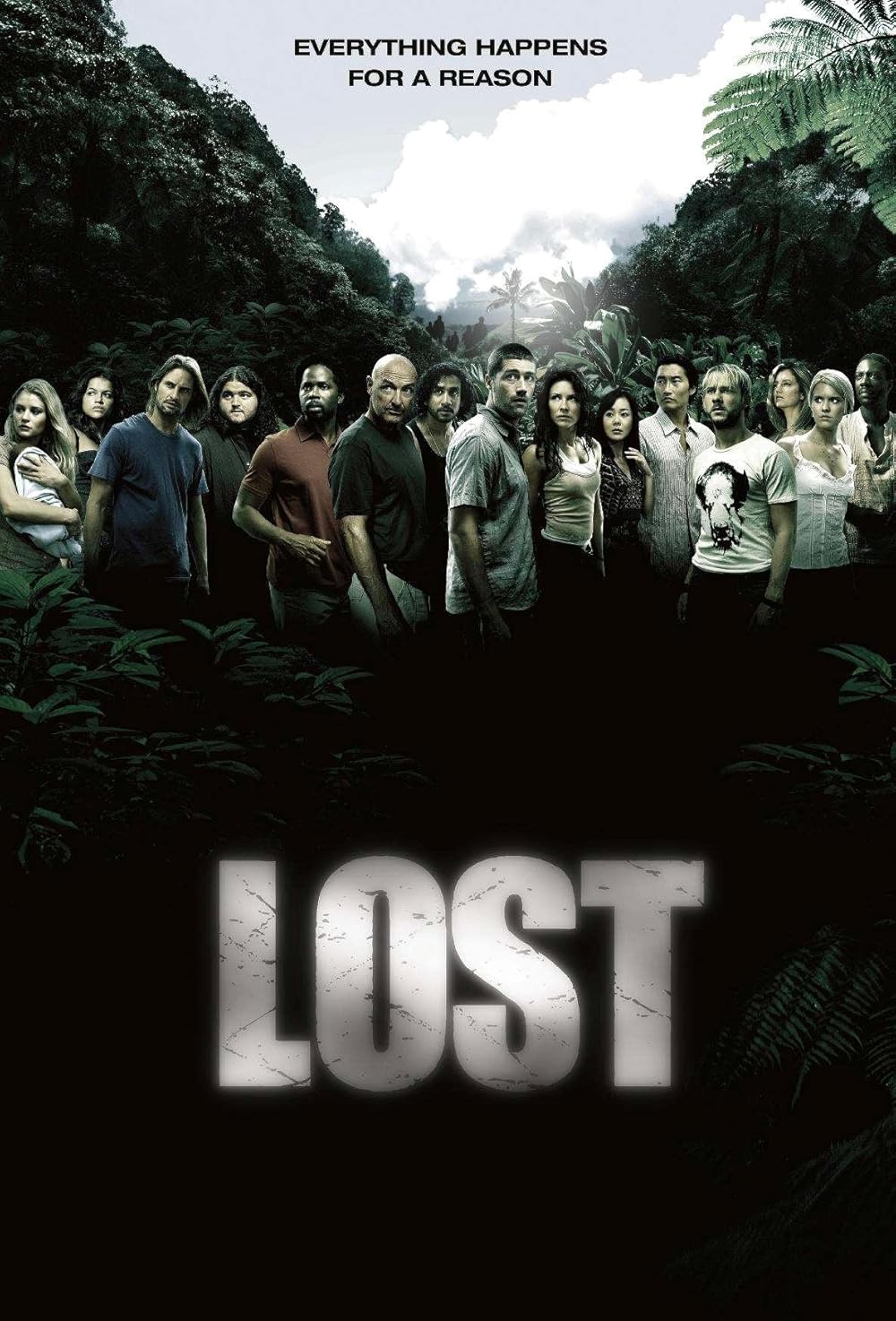
And they sometimes brought out the weird western elements of stories that didn’t seem at first glance to be weird westerns, as in Kenady Marshall’s discussion of the television series Lost as a weird western.
After the experience teaching the course, they very much recommend the weird western as a course topic. And we all recommend these two volumes of weird westerns criticism from the University of Nebraska Press as a starting point for anyone wanting to investigate further this exciting and strange sub-genre of the western.
 UNP blog