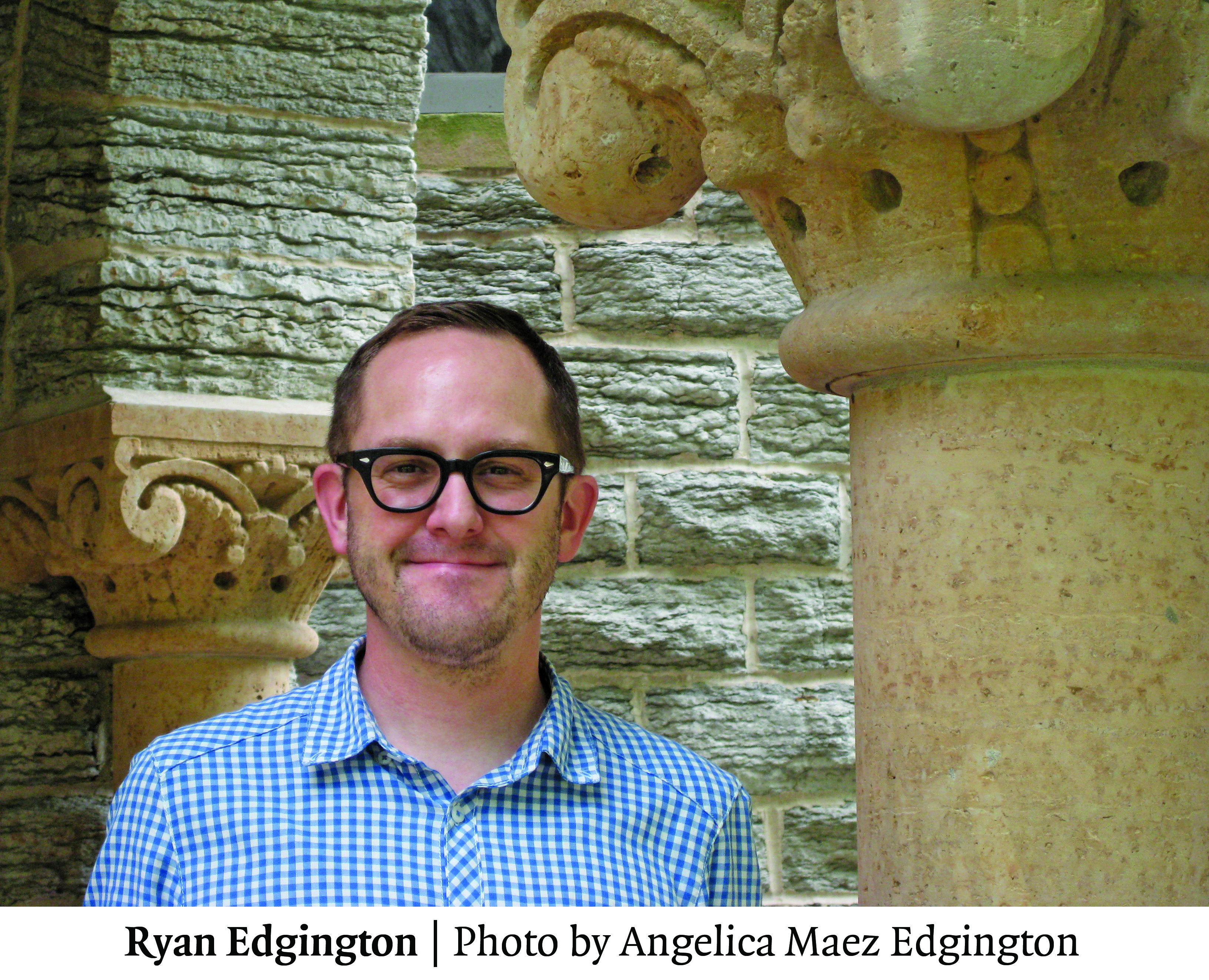
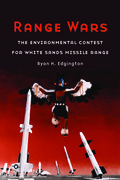
Ryan H. Edgington is a visiting assistant professor of history at Macalester College. His book, Range Wars: The Environmental Contest for White Sands Missile Range is now available in hardcover and paperback.
 A couple months ago, Secretary of Defense Chuck Hagel offered a compromise on the SunZia transmission project that in part traversed the northern call-up area of White Sands Missile Range located in south-central New Mexico. A Department of Defense site about the size of Connecticut, the missile range is the largest overland military site in the Western Hemisphere and the second largest in the Western world (Woomera Test Range in southern Australia is the largest). The project is a 500-kilovolt “clean energy” transmission line that crosses private, state, and federal lands across central New Mexico and Arizona. The project is named for SunZia Transmission, which leads the project accompanied by sponsors including Salt River Project, Shell Wind Energy, Southwestern Power Group II, Tri-State Generation and Transmission Association, and Tucson Electric Power. The Bureau of Land Management is the lead federal agency on the project. According to the Environmental Impact Statement for the project “the BLM’s purpose and need for the proposed Project is established by regulatory obligations and directives, and current energy development trends.” Those playing a role in the EIS include the missile range, Fort Bliss to its south, Holloman Air Force Base on its eastern border, and the National Park Service (which manages the White Sands National Monument), among others.
 Rains have flooded parts of New Mexico this summer. But considering long-term climate change and substantial drought conditions over the past few years, such a project might seem not only reasonable, but also urgent. Yet conflict over the project arose as soon as it got off the ground. White Sands Missile Range came out against the plan. Last September, Range Commander Brigadier General Gwen Bingham said, “I’m not going to sit here and tell you that allowing the line will mean the end of White Sands Missile Range…But it will mean the end of some of the programs.” The SunZia project is not the first time the missile range has wrestled with conflicts to its primary mission. Established in the summer of 1945 as White Sands Proving Ground, the missile range has long had to face both local and extra-local challenges to its existence. During World War II regional ranchers raised questions about the value of growing militarization to the regional economy. They suggested that the area was best left to producing beef for the war effort. In the thirty years after the war, local tourist boosters sought to make the Trinity Site (where the first nuclear weapon was detonated) a public monument. The missile range consumed the site as it grew after World War II. The Atomic Energy Commission and the DOD successfully fought to limit public access to the site.
Ranchers, who had used the land prior to World War II to make a living, were tied in to twenty-year grazing permit suspension and property lease agreements after World War II. Upset by what they saw as a reduction of value on their ranchlands when condemnation hearings commenced in the 1970s, the ranchers challenged the missile range’s authority in to the 1990s by bringing lawsuit after lawsuit against the government. In 1982 rancher Dave McDonald and his niece Mary crept into White Sands and occupied the family’s former homestead. Armed with guns, they posted signs to the army (which managed White Sands) to keep out. Members of New Mexico’s congressional cadre eventually escorted them off the range. Yet, not unlike Cliven Bundy’s recent protests against the BLM in Nevada, their protest reflected the discontent with federal land management among rural western producers that has emerged since the Sagebrush Rebellion of the late 1970s. Militarization added a wrinkle to rural discontent across the West.
Continue reading “From the desk of Ryan H. Edgington”