From the desk of Gary R. Entz
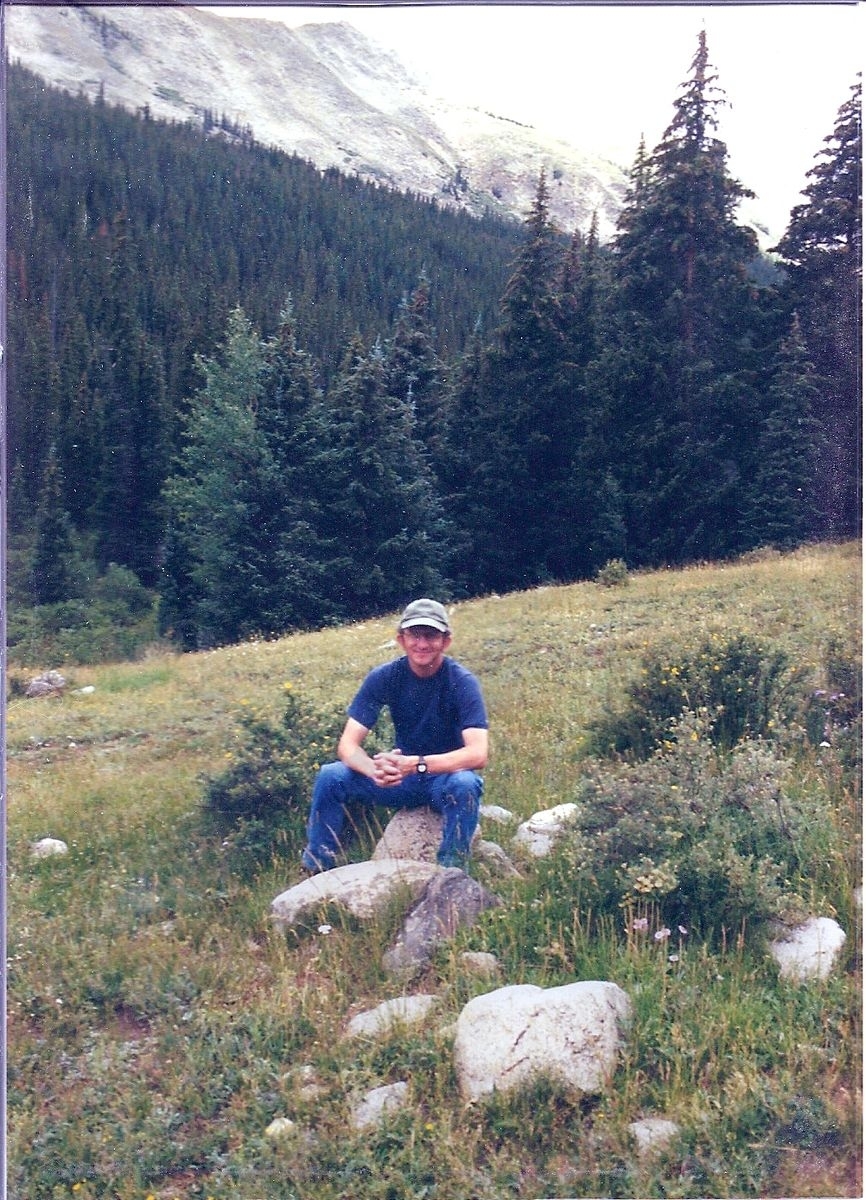 The book Llewellyn Castle: A Worker’s Cooperative on the Great Plains is the result of a lot of old-fashioned detective work. I was born in Kansas and spent my formative years there and in the mountains of central Colorado. As much as I loved (and still love) Colorado, when it came time to advance through my education it was the history of Kansas and the Great Plains that captured my attention. As a descendent of German Mennonites who used cooperative methods to transplant entire communities of Eastern European farmers to the grasslands of central Kansas, I came from a heritage where the mutual aid and communal thought of the past shapes the present and continues to be a part of living memory. The idea of a cooperative narrative of the American past as an alternative to the myth of the so-called rugged individualist is an intriguing concept. At the same time, however, the German Mennonite tradition has been heavily researched by others, and I had little interest in revisiting the thoroughly investigated topic.
Llewellyn Castle was a settlement in northeastern Kansas that only a few people have ever heard about. Although I was a student of Kansas history and had sifted through the minutia of state history, before 1995 I had never encountered a reference to the place. The settlement nearly disappeared from historical memory for a number of reasons, not the least of which was the fabrication of a new name for the colony by a 1930s journalist. If one is looking to make an already obscure place disappear from history, an effective way to accomplish that feat is to give it a new name and embellished background for which there are no corresponding contemporary records. When I first encountered a reference to the settlement it was nothing more than the place name (the fabricated one, which I did not know at the time) and question marks next to the dates of its possible existence. It appears that once the fabricated colony name and story was accepted into local folklore, the myth took over and the reality of the settlement faded away.
I was looking for intentional communities to study for my dissertation but the prospect of taking on such  a project was intimidating, to say the least. I had no information about the settlers or their point of origin. Nonetheless, I was intrigued enough to conduct a preliminary investigation to see if there might be enough material about Llewellyn Castle to include in my dissertation. Unfortunately, my initial foray into the public record proved fruitless. I found no references anywhere to a settlement called Llewellyn Castle during the time when it was thought to have existed. It was a frustrating moment. I had intended to conduct a comparative study of three communities: an entirely cooperative community, a religious charismatic perfectionist colony, and a political pragmatic colony. The Singleton Colony, an African American settlement that built cooperation out of necessity, and Zion Valley, a Mormon colony of the Bickertonite branch, would serve as the cooperative and religious case studies, respectively. I still needed the third subject, and Llewellyn Castle fell into the time period I was studying and had the potential to provide the case study I needed.






 UNP blog