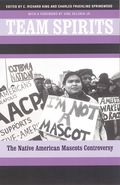
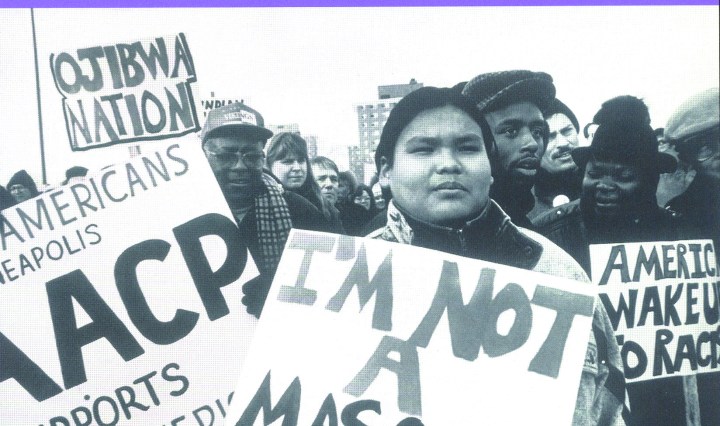
Reason for Hope? Blackhorse et al v Pro-Football, Inc. and the Future of a Racial Slur

9780803277984C. Richard King is Professor of Ethnic Studies at Washington State University at Pullman and the author and editor of several books, including Team Spirits: The Native American Mascot Controversy and Unsettling America: Indianness in the Contemporary World.

On June 18, 2014, The U.S. Trademark and Patent Office Trademark Trial Appeal Board (TTAB) voided trademarks associated with Washington, DC NFL franchise, because it found the team’s name, Redskins, to be “disparaging.” The ruling, which followed precedent established by TTAB over the past two decades that had dismissed a range of trademark applications using the name, predictably was met with adulation by opponents and outrage by supporters. In fact, the decision lit up social media, spawning #newredskinnames, which dominated trending topics for much of the day. Focusing on the celebratory tones, raging resentment, and partisan politics palpable in immediate reactions, we might easily lose the larger import of the decision, while overlooking its limitations and dangers.

It is best not to think of the ruling as an end point. It rather moves the struggle to the next phase, fostering reconfigured dialogues and debate, while opening new fronts for action and reaction. Indeed, neither the name nor the brand will cease, and even if appeals uphold the decision, the franchise will retain rights, if more limited and less profitable. The organization said as much the same in its press release: “We’ve seen this story before. And just like last time, today’s ruling will have no effect at all on the team’s ownership of and right to use the Redskins name and logo” (emphasis original). This is certainly not the end. Nevertheless, the finding is a hopeful sign, or better said, another positive development for those opposed to the name. It adds to growing political pressure and the increasingly audible voices of dissent. In other words, the fight will continue with increased visibility and heightened momentum.

Much of the coverage, but happily not all, has centered on the ruling by TTAB and its propriety, the impact on and reaction of the franchise, and the minutiae of intellectual property law. The media has disappeared American Indians again, often burying, if not altogether erasing, them. Many readers will not learn the identities and actions of the five Native American plaintiffs, Amanda Blackhorse, Marcus Briggs-Cloud, Philip Gover, Jillian Pappan, and Courtney Tsotigh, who courageously brought the case to TTAB, nor will be given a fuller understanding of the long history of opposition to the team and its name, an opposition that dates back more than four decades and its in a larger pattern of empowerment. Indeed, as important as this ruling is, it is not the first time TTAB has taken up the question. In fact, it comes more than two decades after Suzan Harjo, Raymond D. Apodaca, Vine Deloria, Jr., Norbert S. Hill, Jr. Mateo Romero, William A. Means, and Manley A. Begay, Jr. filled suit against the NFL, seeking to nullify associated trademarks. Then, as now, TTAB ruled in favor of the plaintiffs.

Continue reading “Reason for Hope? Blackhorse et al v Pro-Football, Inc. and the Future of a Racial Slur”
Doc Martyn’s Soul: BEA and University Presses

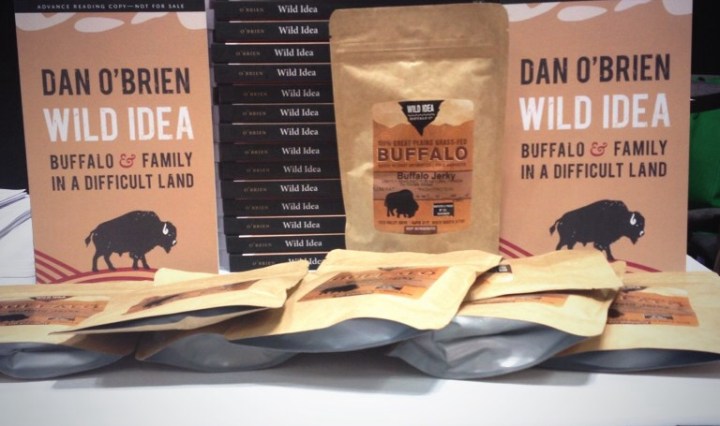
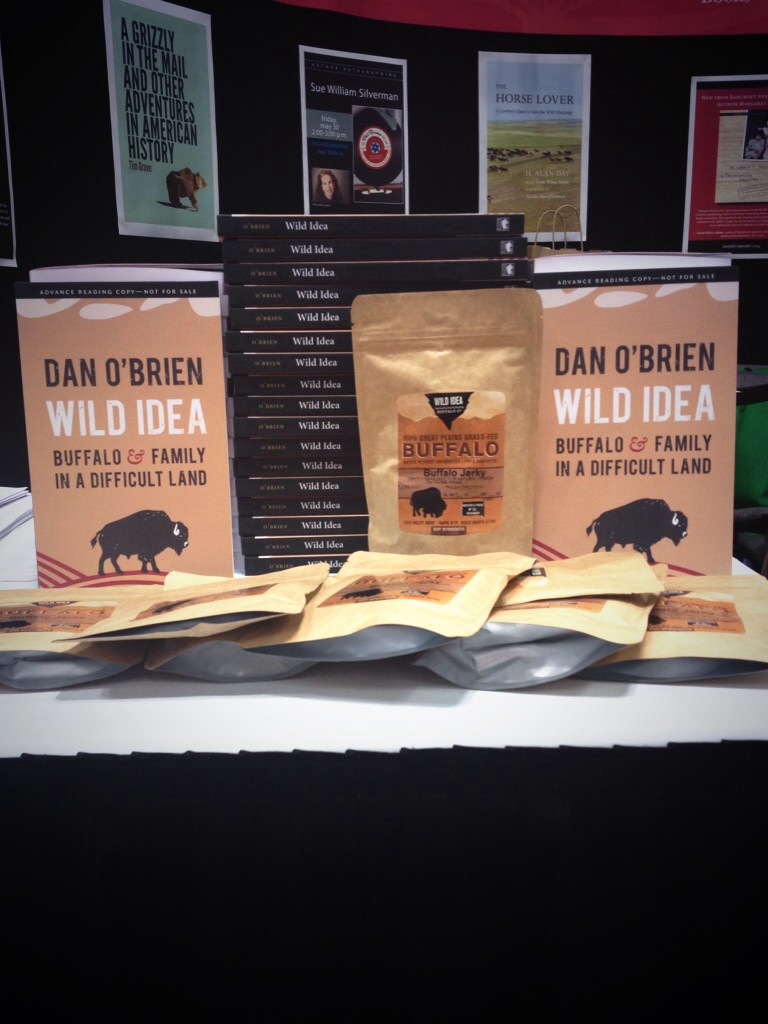
O'brien galleys from BEA 2014It already seems a long time ago, but the annual book industry melee that is BookExpo America recently came and went. BEA drew its usual crowd of industry insiders, booksellers, librarians, media, and many others, plus about eight thousand members of the paying public. Publishers took booth space in varying degrees of pomposity, striving to outdo each other’s displays so that those few key people at the show (the buyers and the media) took notice of everyone’s latest attempts to reach the top of the best seller charts. In the build up to the show, during its course, and now, a week or so later, I’ve been pondering how BEA and university presses interact–or perhaps, should interact. Having completed my eighth BEA, I should be a part of the jaded, cynical crowd that complains about the hassle of reaching the Javits Center each day (and leaving at the end of the day, which is quite truly a much worse task), the expense of being in New York for a week, the lack of book buyers placing orders any more, the downtrodden, woebegone publishing industry, and so on. But I don’t feel that way. Instead, I am invigorated each year by the sight of people worming their way through overcrowded walkways between publishers of all sizes and ilk. It is a fascinating mix of people and books, and I love it.

UNP has exhibited at BEA for many years, one of the few university presses that might claim diehard status in this regard. Gone are the oft-discussed glory years when university presses hogged whole sections in the Javits Center, when “University Press Row” was actually a row and not just a block. There were seventeen university presses exhibiting this year. UNP and the University Press of New England were the only two UPs who took a double booth, but fifteen others ranged in size from the University of Hawaii Press to Yale and Harvard. All UPs in attendance were waving their university press flags high and proud. But why? What purpose does exhibiting at BEA serve? The popular publishing cynicism that I noted earlier is not simply, truth be told, not only cynical, it is, surely, based on the quite real statistical measures that publishers can apply to exhibiting: book buyers don’t attend in the numbers they used to and they certainly don’t place on-the-floor orders in the quantity they used to. Of course, part of the lack of orders and buyers can be attributed to the decline in independent bookstores, but even those few stores don’t send their staff to BEA in the numbers they used to. So why do we still bother?

Continue reading “Doc Martyn’s Soul: BEA and University Presses”

From the Desk of an Intern: Where I’ll Be May 29

Anne Nagel is a PhD student at the University of Nebraska-Lincoln, an intern at the press, and a collector of elephants. What are you doing Thursday, May 29? I will be sitting in a shady garden courtyard attending a reading that I helped set up. As a student intern at the University of Nebraska Press, I had not expected that I would be pitching and executing my own ideas for a major project. Of course, I had hoped that I would be able to make a substantial contribution, preferably by using my writing skills, but I think I expected that … Continue reading From the Desk of an Intern: Where I’ll Be May 29

The Marketeers Club: Do Not Eat Seeds

Erica Corwin is UNP’s Electronic Marketing Coordinator. She likes to spend her free time memorizing 74 pages of roller derby rules. In her extra free time, she gardens. I’m a bargain shopper, so when I ran across this beautiful hanging basket grow kit for $2.99, I couldn’t resist! I’m also a skeptic. I will be very surprised if my basket grows to be as beautiful as this picture, but for that price I was willing to take a chance! The steps were easy: Step 1. Unpack the kit. Step 2. Place the growing medium in a bowl and add eight … Continue reading The Marketeers Club: Do Not Eat Seeds

People Make Publishing: Godzilla

Terence Smyre is UNP’s Journals Project Supervisor and he once bumped into the DMV (yes, the building) when he failed the driver’s test for the first time. Godzilla. If you don't know who he is by now, you've failed a bit at life. Understand I'm not being mean; it's simply an objective truth. I'm not here to beat you up, though. I'm really a helpful guy. So here's the lowdown for you uninitiated: Godzilla is a giant monster—think T. rex meets stegosaurus—created in the 1950s by the Toho Production Company in Japan as a response to the new nuclear realities … Continue reading People Make Publishing: Godzilla

The Marketeers Club: Jewish American Heritage Month

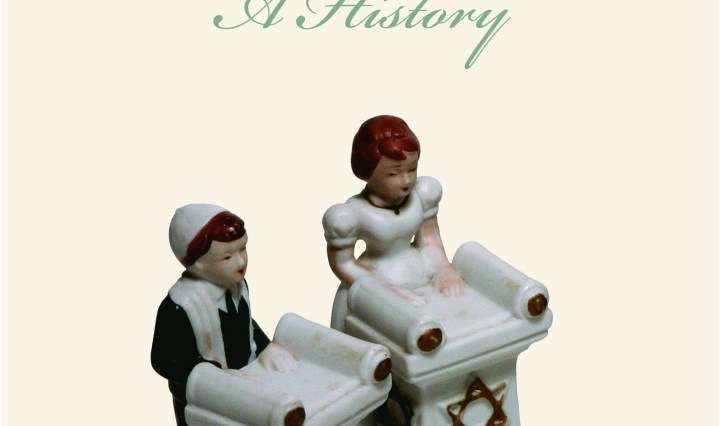
Emily Giller is UNP’s Exhibits Coordinator/Media Planner and has a secret talent for drawing and painting.  On April 20, 2006, former president George W. Bush proclaimed that May would be Jewish American Heritage Month. This proclamation gave recognition to the history of … Continue reading The Marketeers Club: Jewish American Heritage Month

The Marketeers Club: Exhibiting at the Nebraska Book Festival

Tish Fobben is UNP’s direct response manager and likes running long distances for the heck of it.

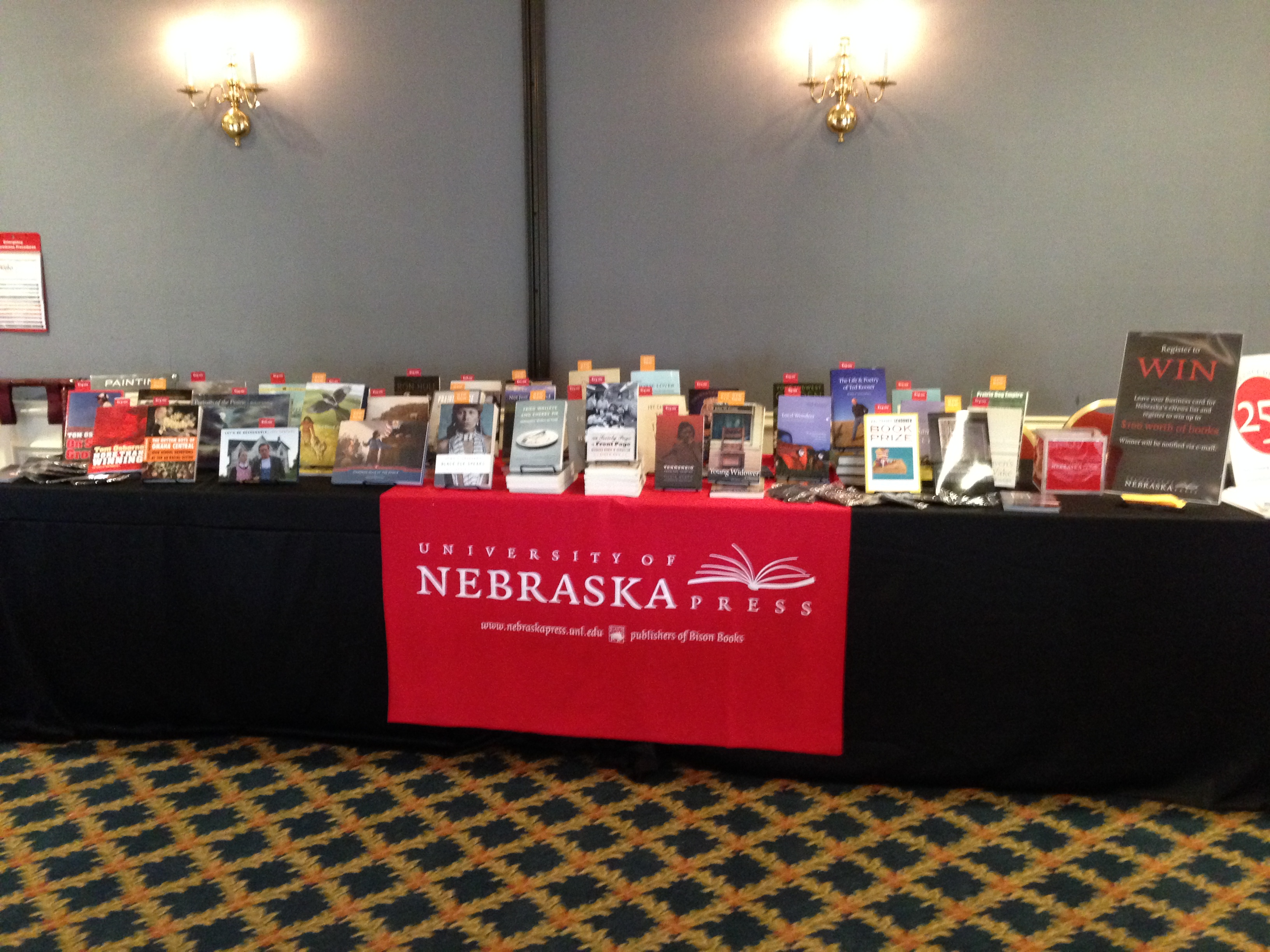
NE Book Fest 2014One of Nebraska’s many rites of spring is the Nebraska Book Festival, which is free and open to the public. Sponsored by the Nebraska Center for the Book, Humanities Nebraska, Nebraska Library Commission, Omaha Public Library, UNO’s College of Arts and Science, and Nebraska Cultural Endowment, this year the festival was held on April 24th and 25th.

After our marketing department spent Thursday and Friday moving offices, my colleague Emily Giller and I trekked to the sunny Thompson Alumni Center at University of Nebraska at Omaha on Friday night to set up UNP’s book exhibit. Though the exhibit hall did not officially open until Saturday morning, we hosted a few friendly visitors, who previewed the books before heading to the festival’s opening presentation by Don Welch, a native of Nebraska and winner of the Pablo Neruda Prize for Poetry.

On Saturday morning my colleague Rob Buchanan joined me and we did our best to entice browsers with our promotional micro-fiber cloths (for cleaning glass surfaces) and a raffle to win $100 worth of free books. On this gorgeous yet ferociously windy Saturday I found myself grateful to be indoors, protected from the pollen and surrounded by good books and good books people. The workshops started at 9 a.m. with Karen Shoemaker leading a session called “Stories into Literature” and Tosca Lee heading up one called “Creating Unforgettable Characters in Fiction.” The traffic in the exhibits hall got off to a slow start, but the people who came were very engaged with all the vendors, which included Backwaters Press, Barefoot Books, Jeff Barnes and Paul Hedron, Bookworm, Brighthorse Books, Cableone (Barbara Schmitz), Fine Lines Publishing (David Martin), Nancy Isom, Morris Publishing, the Nebraska Writers Guild, University of Nebraska Press, and Wayne State Press.

Throughout the afternoon visitors were able to attend readings from a host of authors, including Lucy Adkins, David S. Atkinson, Becky Breed, Paul Dickey, Marcia Calhoun Forecki, A. E. Fairfield, Nancy Isom, Lisa Kovanda, Kent Krause, Tosca Lee, Kelly Madigan, John Price, Jim Reisdorff, Marge Saiser, Mary K. Stillwell, Brian Thomas, Benjamin Vogt, Darrell Wendt, and Eileen Wirth.

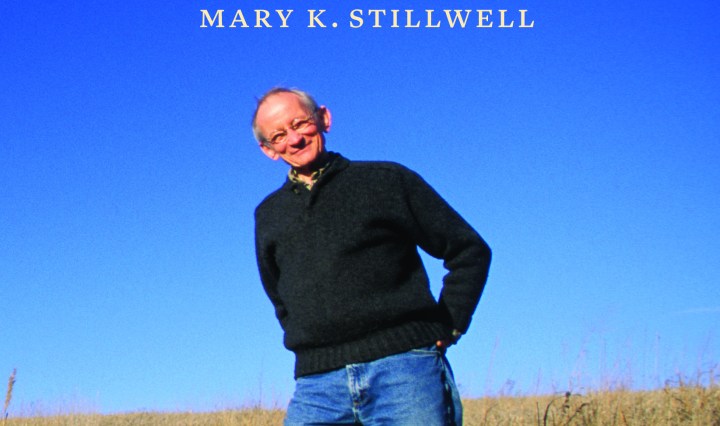
Three of the presenters were UNP authors: John Price (Not Just Any Land: A Personal and Literary Journey into the American Grasslands); Mary K. Stillwell (The Life and Poetry of Ted Kooser); and Eileen Wirth (From Society Page to Front Page: Nebraska Women in Journalism). I personally enjoyed hearing Price read from his new book, Daddy Long Legs: The Natural Education of a Father (Trumpeter, 2013), in which he recounts rescuing a praying mantis outside a restaurant at his young child’s request. His wonderfully wry memoir was precipitated by a “heart event” at age thirty-nine that caused him to reevaluate the trajectory of his life.

Continue reading “The Marketeers Club: Exhibiting at the Nebraska Book Festival”

From the desk of John W. Evans: Stay for the Dragons

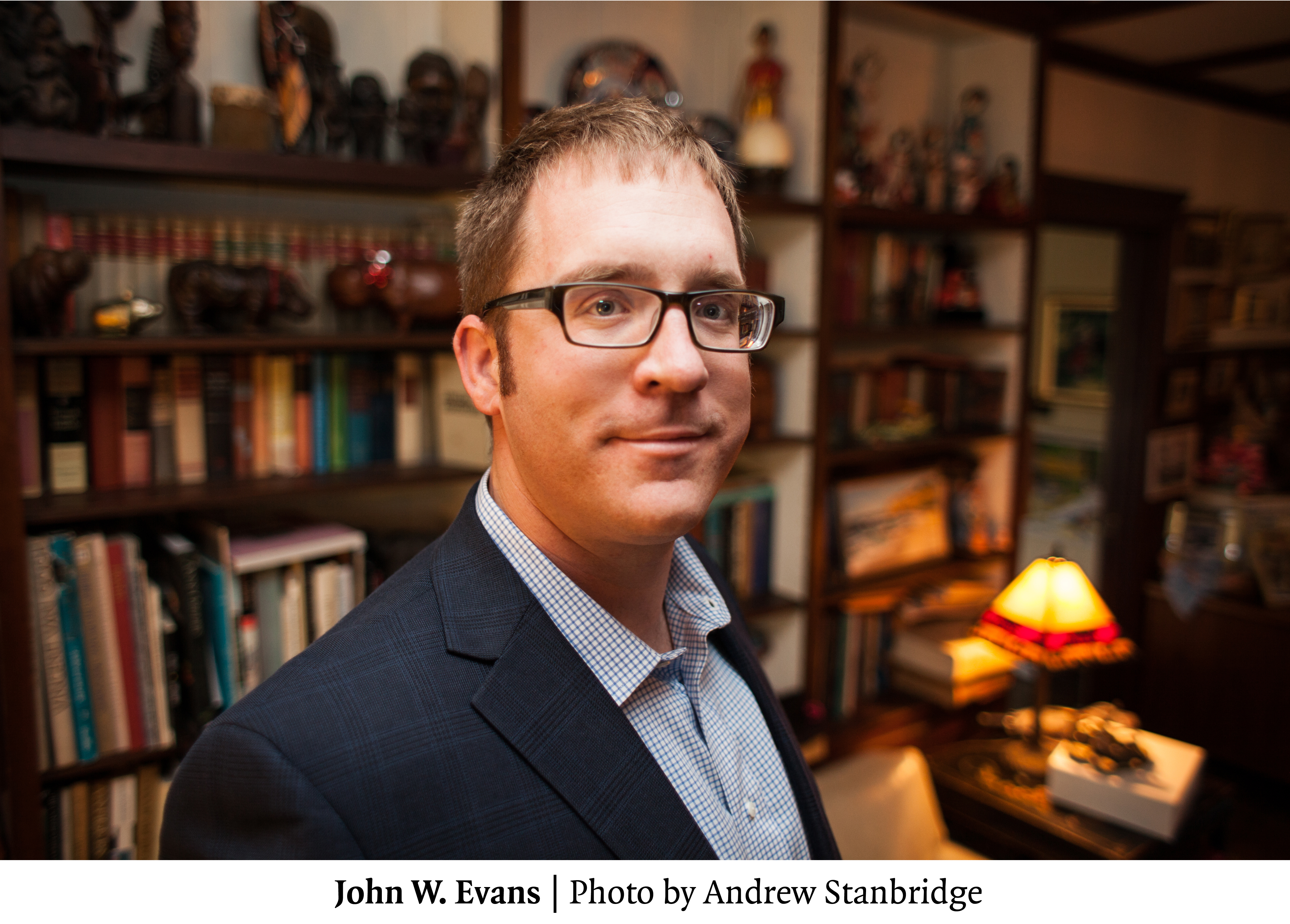
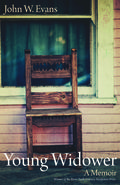
JohnWEvansI’m not a Game of Thrones fan, but the show came to mind the other day when I was talking about my memoir, Young Widower, with a friend who had just read it. We ran into each other in the baby aisle at the grocery store. I was comparing mashable fruits. He was picking up diapers and formula. We nearly missed each other. As I like to do when I’m running errands, I was plugged into my iPhone, catching up on old podcasts. I looked up to say hello just as a talking head summarized the immense appeal of the HBO series: “Come for the nudity. Stay for the dragons.”

It’s a particular challenge to describe Young Widower without at least touching on a whole range of difficult contexts and explanations. I’ve run into this problem at book readings, in email exchanges with editors and agents, and even while following Facebook posts about the book by well-intentioned in-laws. Someone who knows me as a husband and father replies to a link to an excerpt from the book. They are so sorry, by god, they had no idea. A brown bear. Rural Romania. What the hell were we thinking, hiking in the middle of the night? (We got stuck on the mountaintop with a lost hostel reservation.) How does a person ever get over seeing such a thing? (He doesn’t.) Wait—you were married before? (Yes.) Did your wife now know your wife then? (Yes.) Man, that must be strange being married again. I’ll bet you never expected that to happen. (Well, yes. And, no.)

EvansYoung Widower is a quiet and thoughtful memoir of grief, but it has at its heart a sensational fact. My first wife, Katie, died under those heartbreaking and graphic circumstances, which continue to resonate in my own life, but to nowhere near the scale or pitch they did during the year following her death. Beyond the attack itself, Young Widower spends far more time with the events of our ambitious life together—Peace Corps volunteers in Bangladesh, teachers in Chicago, graduate students in Miami, public-health work in Romania—my own fragile sense of a recovery, and the year of living with Katie’s family in Indiana after her death. And yet, for all of the reflection that Young Widower undertakes, from its intimate portrait of affection and marriage, to my guilt and self-incriminations at not having saved her, to the affections and frustrations of trying to grieve with other people, readers seem drawn to the book first because of that violent occasion. “Come for the bear attack,” I might mimic the talking head. “But, please, —stay for the honesty, heartbreak, candor, messiness, love, sorrow, and absence, as well as the arbitrariness of a natural world that, for us at least, seemed to lacked all reason.”

Continue reading “From the desk of John W. Evans: Stay for the Dragons”