Bookish Links and Delightful Miscellany

How a Book is Made Go behind the scenes and follow the book publishing process from start to finish in a seven-video series for book lovers, students, and aspiring writers. Episodes 1 and 2 cover some of the author's work: Developing the Idea and Writing the Story. Starting with episode 3 (Editing the Book) you can learn about what publishers do: (via GalleyCat) #fridayreads My #fridayreads this week is Fever by Mary Beth Keane. At some point early on in the book I realized that I didn't know very much about typhoid and made the mistake of googling it. Being a hypochondriac, … Continue reading Bookish Links and Delightful Miscellany

Interview roundup

UNP’s authors are talking up a storm! See what they had to say about their writing process, their books, and banana pudding. Roger Welsch explains the title and more when discussing, Embracing Fry Bread on NET’s program “All About Books.” Liz Stephens had a conversation with Girls Like Giants about her experiences living in Utah and all of her inspiration for The Days Are Gods. Jaime-Alexis Fowler with Pathfinder talks with Nafis Sadik to, “learn more about her career, inspiration, and her take on what being ‘daring’ really means.” Sadik is the subject of the biography, Champion of Choice: The … Continue reading Interview roundup

From the “garden” of Jan Riggenbach


RiggenbachJan Riggenbach is the author of
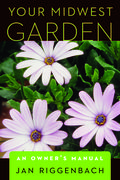
 Midwest Gardener’s Handbook and a longtime garden columnist and feature writer for Midwest Living magazine. Her recent release, Your Midwest Garden is a guide to the flowers, shrubs, vegetables, fruits, and other plants that thrive and make beautiful Midwest gardens. Below she tells us her “Gardner Story.”

For years I’ve
heard from readers who have a shoebox full of my garden columns clipped from
the newspaper. Over and over, I heard the same complaint: “I can never find the
column I’m looking for when I need it.”

I promised
I would gather the columns into a book. This year, in Your Garden: An Owner’s
Manual
, it finally happened. I laughingly tell readers that the index is the
most important part of the book because now they can find what they’re looking
for.

I’ve read
and reviewed a lot of garden books over the years, but the ones I keep are the
reference books that I turn to again and again. To help make my own book a
useful reference, I added plant lists so you could see at a glance, for
example, which perennials to plant for fall bloom or what annuals will thrive
in the shade. In the appendix, I added a month-by-month garden chore list, fine-tuned
for Midwest gardens.

My
audiences gasp when I tell them it took me almost 40 years to write this book,
but it’s true. In that time, I’ve written nearly 2,000 columns from which this
book was distilled.

Continue reading “From the “garden” of Jan Riggenbach”

Bookish Links and Delightful Miscellany

#fridayreads In case you don't already know, FridayReads is about sharing the title of whatever book you are currently reading. It was started by Bethanne Patrick (aka @TheBookMaven aka @JustBethanne) with the #fridayreads hashtag on Twitter, but there is also a Facebook page for it.  Because we believe that reading makes the world a better place, every Friday, thousands of people post what they're reading to celebrate and encourage reading. If you're on Twitter, I encourage you to scroll through all of the #fridayreads. It makes me happy to see all those people reading all those books and maybe it'll make you … Continue reading Bookish Links and Delightful Miscellany

The Director Dish: Judging a Book by Its Cover

You can judge a book by its cover; in fact, I hope you do because we
spend a lot of time honing the titles and cover designs for our books. With
more and more people purchasing books online, it’s even important than ever to
grab them with a good title or compelling cover.

In the online world of search
engine optimization (SEO), a title needs to come up if a consumer is looking
for a book on a certain subject. That’s why I’m such a stickler for non-fiction
book titles (except perhaps, memoir) to say what the book is about.

In a recent meeting about titles
for forthcoming books, I raised the point that a particular title didn’t tell
you what was the book was about.

“Well, if you read the book,”
someone said, “you’ll know why the author wants this title.” I countered, “With
that title, I’m definitely not going to read the book.” We settled on keeping
the title, but with a very descriptive subtitle that captures what might come
up when someone searches that subject online.

Different genres have different
conventions for titling. It’s okay to go for a snazzy title paired with a long,
long subtitle on a sports or business book. (That seems to be the acceptable
approach now, anyway.) Personally, I love it. A recent favorite of mine: Banzai Babe Ruth: Baseball, Espionage, and
Assassination during the 1934 Tour of Japan
.
How could you resist a book
like that? Apparently you can’t because it’s been a hot seller for us. Of
course, some books don’t need a subtitle; the title says everything. I love 501 Baseball Books Fans Must Read before
They Die
.
End of story.

Religious books are tough to title.
You have to convey why the book is unique but remain respectful, while
explaining what the book is about. I’m particularly proud of the title we came
up with for —well, I don’t have to tell you what the book is about because the title
and subtitle say it all: From Gods to
God: How the Bible Debunked, Suppressed, or Changed Ancient Myths and Legends
.

Fiction and literary memoir are a
bit more challenging. We seldom change the title that the author submits; it
would be like changing the title of a painting. Our memoirists, in particular,
seem to be quite skilled at titles. For example:
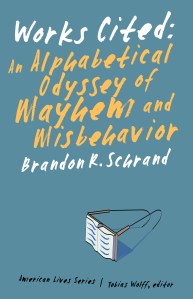
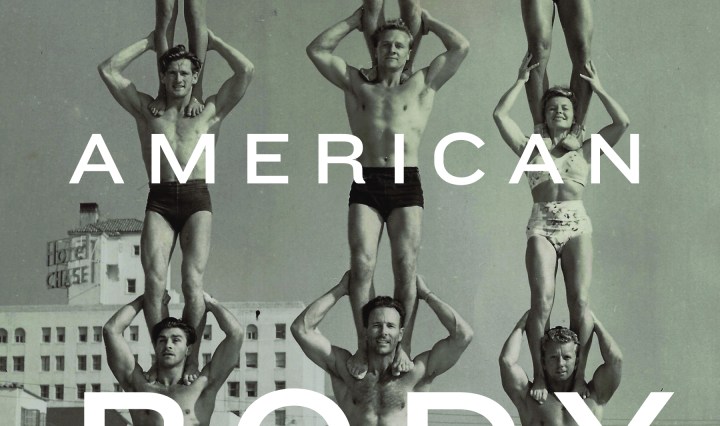
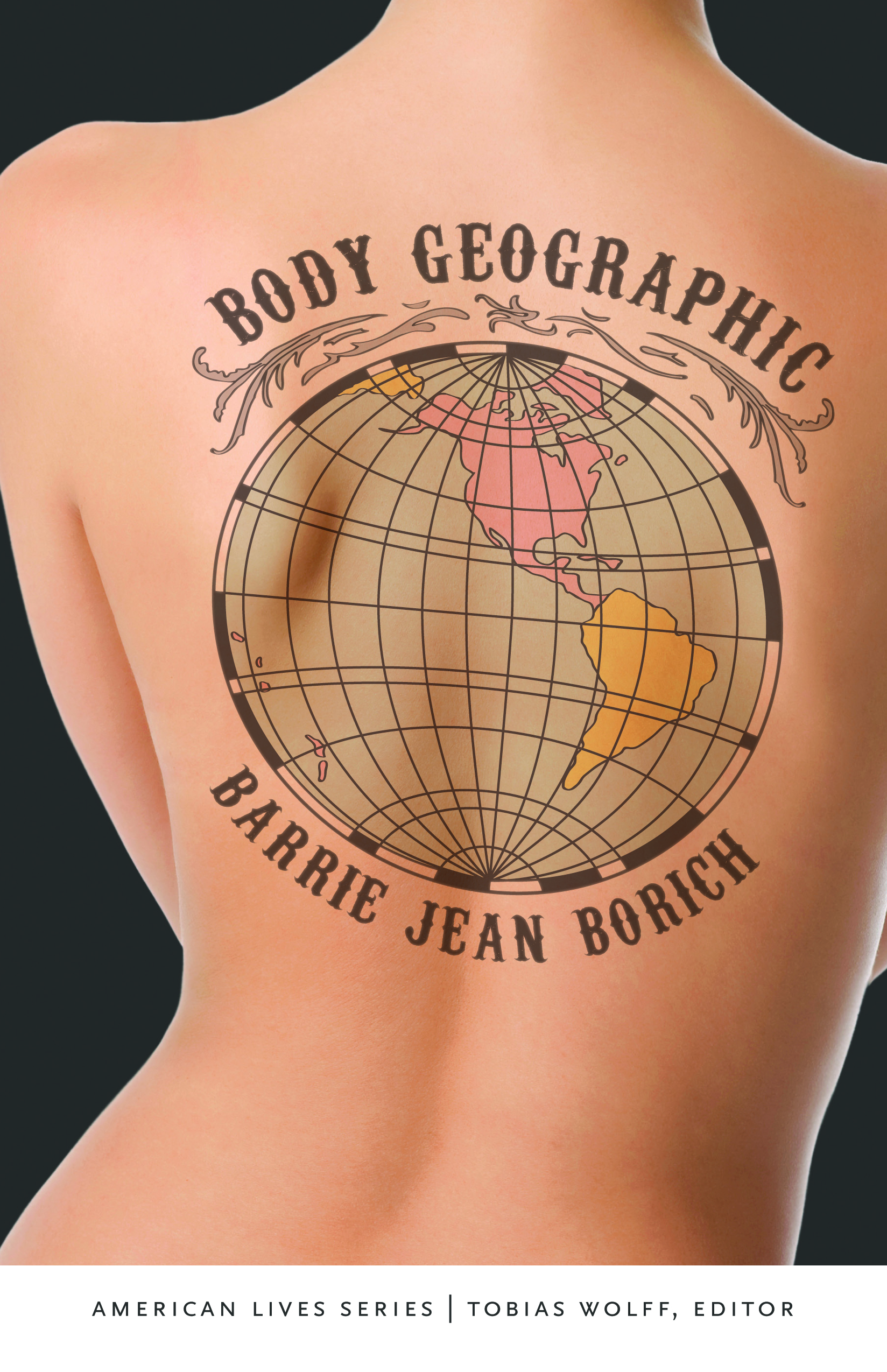
Borich
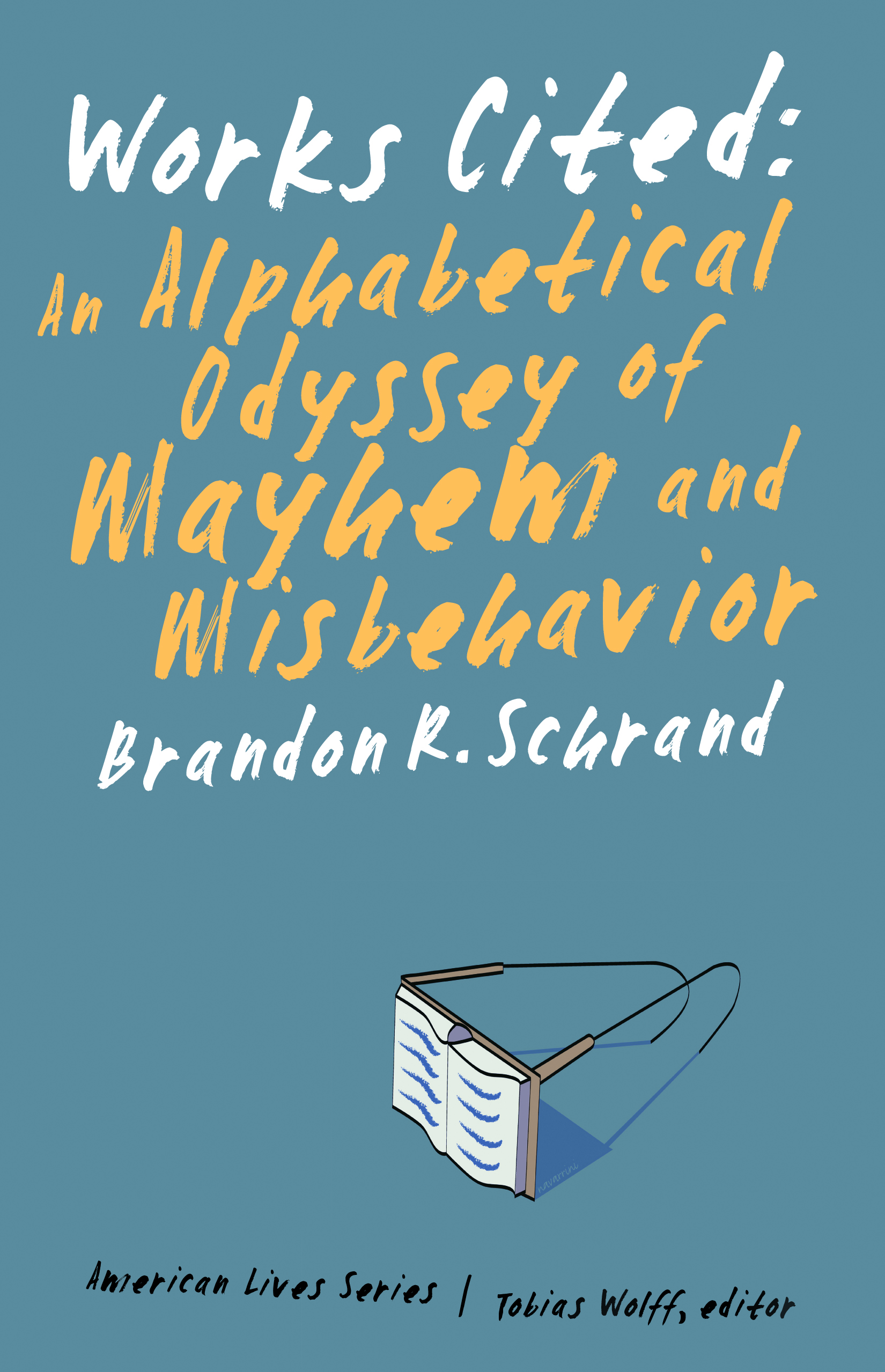
Schrand 
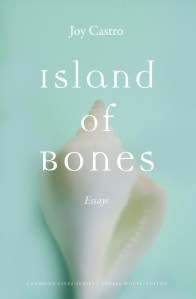
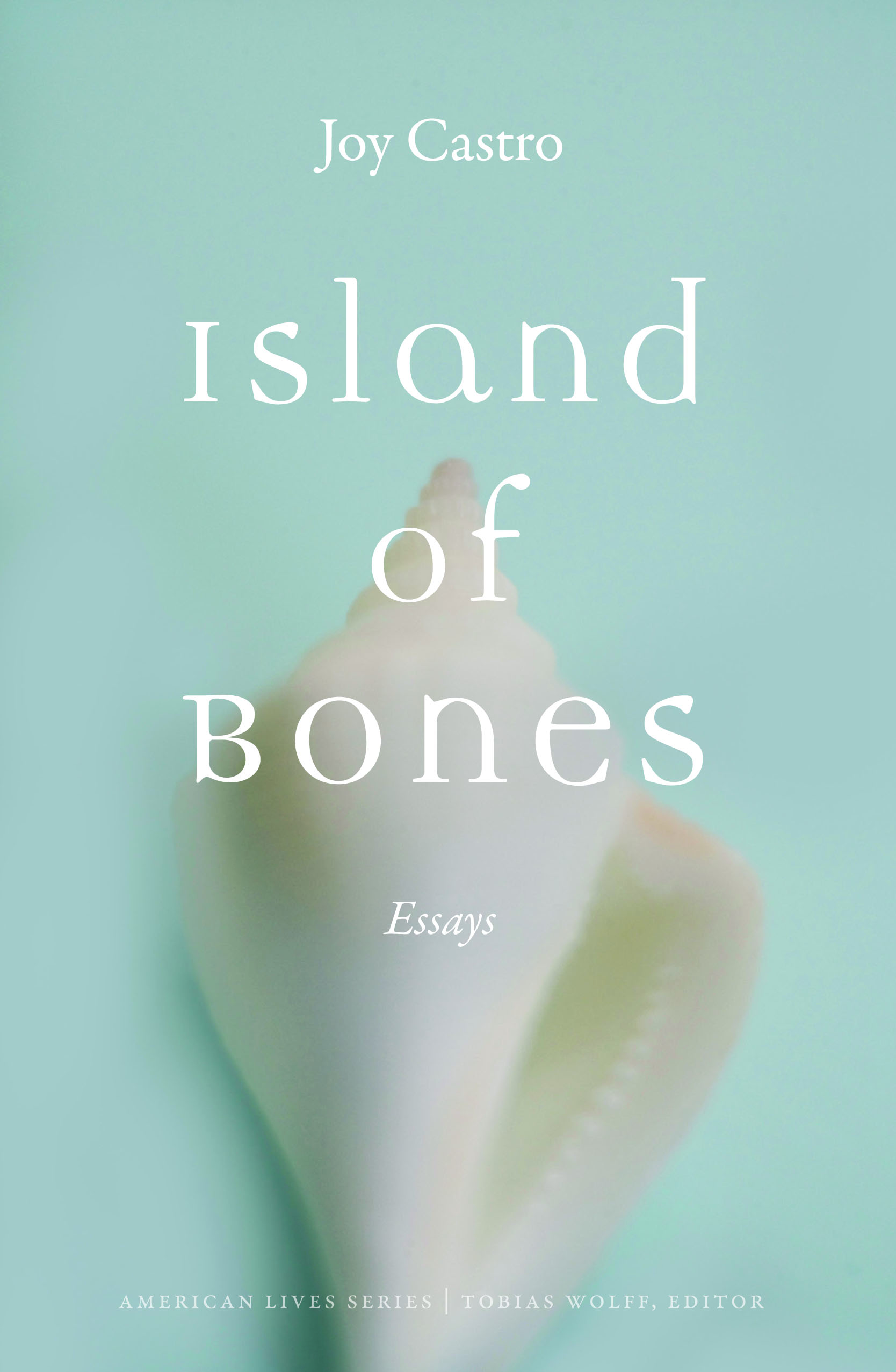
Castro_IslandofBones

Continue reading “The Director Dish: Judging a Book by Its Cover”

Review roundup for International Women’s Day

Today is International Women’s Day! In a White House press release, President Obama said “empowering women isn’t just the right thing to do – it’s the smart thing to do.” One way to empower women is to publish their books! Check out a few of UNP’s talented women and their books: Cathleen Miller’s Champion of Choice celebrates the life of women’s advocate Nafis Sadik. Her book was recently reviewed in the New York Journal of Books and Dad of Divas. Nafis Sadik was also interviewed on Pathfinder’s blog. Body Geographic by Barrie Jean Borich chronicles one woman's relationship with herself, … Continue reading Review roundup for International Women’s Day

Marketers as Editors

Enticing readers with great content. Is effective marketing really about how you craft the content? Martyn Beeny, UNP's marketing manager thinks so. Without a good editor a book will often fall short of its potential. This suggestion is something that anyone in the book-publishing world has come across at one time or another and the value of editors and their knowledge should never be underestimated. I remind myself of this adage on many occasions, not simply because I personally enjoy the editorial process, but because as a marketing professional I am constantly aware of how much improvement an editor’s eagle … Continue reading Marketers as Editors

Krissed Off: Nebraska 2018

Do you like
whiteboards? Are you excited by oversize pads of paper on easels? Then you'll
want to hear all about our editorial retreat.  

Last month
the acquisitions editors at Nebraska conducted a self-study aimed at setting
our priorities for the next five years. The official results of our retreat are,
of course, written in code and kept in a briefcase handcuffed to my wrist. But
here's a taste of what you can expect:

1) More social science. Nebraska's had some pathbreaking books on
environment and food in our At Table and Our Sustainable Future series – check out something like Green
Illusions
,
if you haven’t already – and we've got one of the best lists in the
anthropology of indigenous North America anywhere. But there's an opening
for more along these lines, particularly given excitement on campus about the
Water for Food Institute and similar
initiatives. We've already started to grow in that direction with the
announcement of a new series called Critical Environments – led by, among
others, the hotshot geographer and public intellectual Julie Guthman, author of
“Why Michael Pollan Makes Me Want to Eat Cheetos” – which will explore the relationship among science, politics, and
environment. You'll start to see a more diverse portfolio in anthropology,
too, particularly in fields like public anthropology, environmental
anthropology, and ethnographies of the contemporary United States.

Continue reading “Krissed Off: Nebraska 2018”