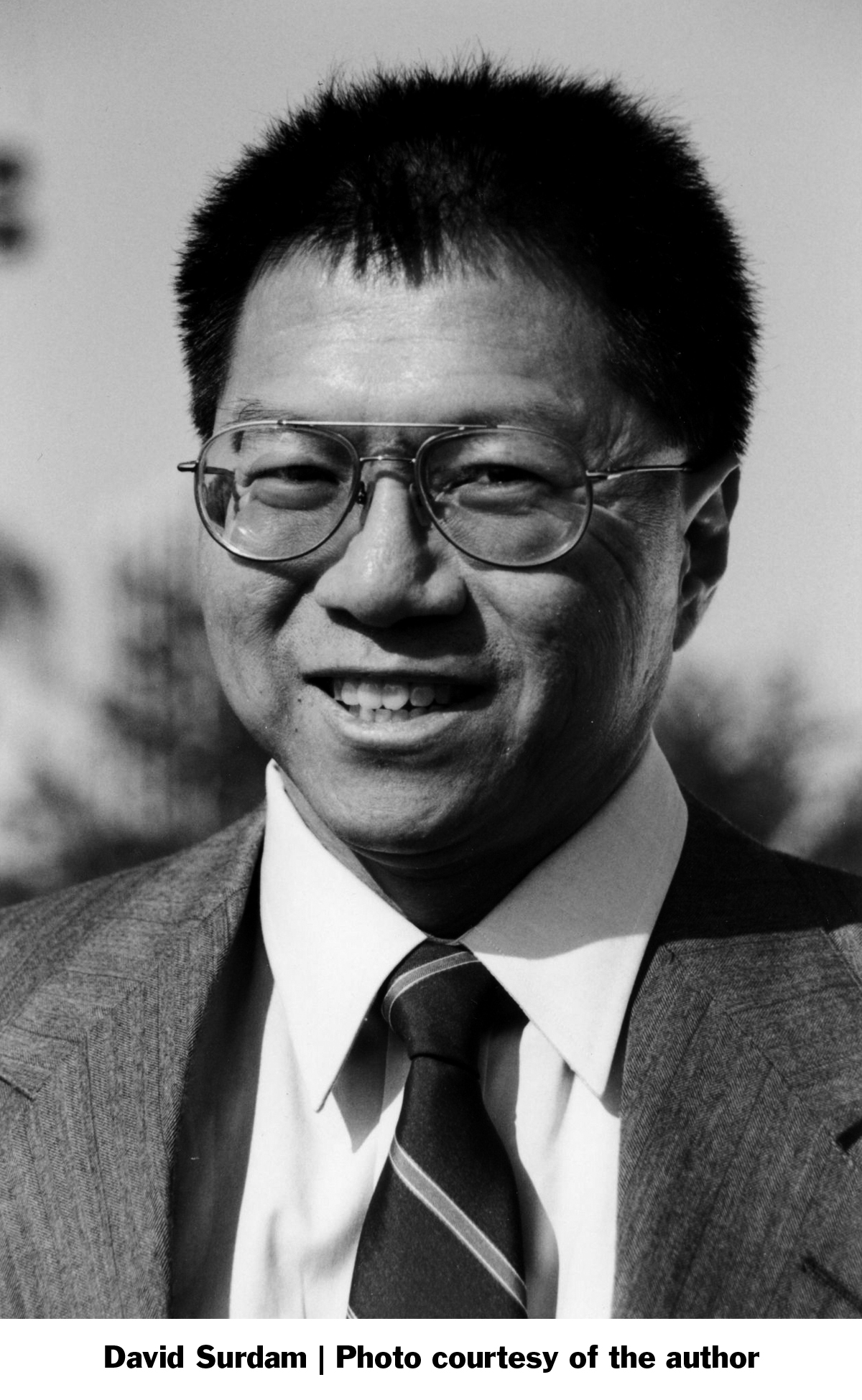
 David George Surdam is an associate professor of economics at the University of Northern Iowa. He is the author of Wins, Losses, and Empty Seats, The Postwar Yankees and forthcoming Run to Glory and Profits: The Economic Rise of the NFL during the 1950s.
How
did I end up writing about the NFL? To borrow a line from Howard Cosell, “I
never played the game.” As a scrawny, bookish kid who could not throw or catch
a football with proficiency, I was not a prime candidate for the school team. I
also did not enjoy being hollered at. My parents prohibited me from playing,
both from fear of injury and from a dislike of the game. Still, the high school
football coach encouraged me to play, but to this day, I don’t know why. He
knew I couldn’t perform any of the fundamentals of the game; perhaps he wanted
me to raise the team’s grade point average.
I did, however, play Strat-O-Matic Baseball
and Football. I had long been interested in baseball history, having read
Harold Seymour’s Baseball. I can
still remember reading about baseball’s triumvirate, but mostly there were the
numbers. I can remember the day browsing in a local library when I chanced upon
the new Macmillan Baseball Encyclopedia.
Sheer delight—page after page of statistics.
Strat-O-Matic creator Harold Richman did a wonderful job transforming
statistics into a game. While I mostly played the baseball game, the football
version was actually more fun. There were more tactical decisions to make, and
of course, you could compile copious statistics.
As a senior in the Robert D. Clark Honors College at
the University of Oregon, I used regression analysis to explain baseball run
production—slugging average and on-base
percentage were paramount. While I attended graduate school and started my
academic career, though, my interest in baseball and football was quiescent.
One of my friends and mentors at Loyola University of Chicago suggested that I
diversify my research. I had pretty much said all I wanted to about the
economics of the American Civil War. Researching sports was an obvious choice
for me.
Continue reading “From the desk of David George Surdam”