Lopate and Loren: Two Reasons to Fall in Love with the Essay All Over Again
By Kate Flaherty
 Let me begin by telling you I love essays. I was one of the two kids in my high school English class who was sorry when the Emerson and Thoreau unit ended. My favorite scene in the Little House books by Laura Ingalls Wilder did not have to do with her move to the great plains in a wagon or riding a wild mustang or meeting her true love Almonzo, but instead with when she was able to go to high school and write her first composition (her topic was “ambition”).
And when I first began working at Prairie Schooner, I loved everything in the magazine—poetry, interviews, stories (what can I say, I’m a bookworm)—but the essays were my favorite sons and daughters. Sydney Lea, Paul Mariani, Nancy Willard, Linda Pastan, JoAnn Beard, Maxine Kumin—these writers were the scientists of literature, examining nature or people or truth with a microscopic eye and sharing their discoveries with their readers. It didn’t matter to me if the essays were about tramping around in the 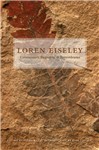 Vermont woods, following the descent into madness of a brilliant poet, attending a wedding in an Iowa cornfield, or dissecting the meaning behind the random murder of a family member in Detroit. I loved the attention to detail, the connections writers made between one world and others, the thoughtfulness of their meditations, and the fact (and yes, fact is an important word in the world of the essay) that it all was real.
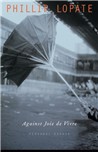
So it should be no surprise I was thrilled Bison Books has republished the collection of essays Against Joie de Vivre by Phillip Lopate, one of the modern masters of the essay form, and republished a collection of essays about poet and literary nonfiction writer Loren Eiseley, Loren Eiseley: Commentary, Biography, and Remembrance, a collection that originally was a special issue of Prairie Schooner edited by Hilda Raz. These are two distinctly different essay collections—the Lopate book is a collection of essays by Lopate, and the Eiseley book is a collection of essays by other writers about Eiseley—and yet they appeal to me for the same reasons. The work in these two books makes me want to revisit writers or worlds I have loved, seek out new writing or new worlds I have yet to discover, and meditate on my own writing and the world I live in right now.
Continue reading “Guest blogger: Kate Flaherty”


 UNP blog