“On the plains it is often said that bison is such an important resource that all life is organized around this species and its by-products” (Bamforth 1988; Wedel 1986).
—Foragers of the Terminal Pleistocene in North America
On May 8, 2026, Montana’s Bureau of Land Management (BLM) rescinded grazing permits for seven allotments where bison have grazed freely since 2005, in Phillips County, Montana. The allotments, held by American Prairie, are home to nine hundred bison who are now being evicted to make way for cattle.
Bison are an integral part of American Prairie’s mission to preserve three million-acres of prairie grasslands because their natural rhythms create habitat diversity, disperse seeds, and their wallows serve as temporary wetlands. As America’s National Mammal, the bison is an icon, a piece of living history, and holds a cherished space in many Native American tribes’ cultural and material practices. The BLM’s decision was made without input from Native Tribes, and has faced backlash from the Coalition of Large Tribes (COLT) which filed a formal protest.
Bison are only the latest victim in the larger Trump administration’s plans to roll back environmental protections to “unleash energy.” Just two months ago, the Endangered Species Committee exempted the Gulf of Mexico from Endangered Species Act requirements across the oil and gas industry. The decision carries damning ramifications for the endangered marine life who call the region home, including rice whales whose numbers have dwindled to just fifty.
As climate change alters our way of living, questions about how to approach land management, our food supply, and conservation occupy ever increasing cultural currency. Below is a list of books that detail the history of bison and their place in the cultural imaginary while also presenting frank diagnoses of and potential answers to these questions.
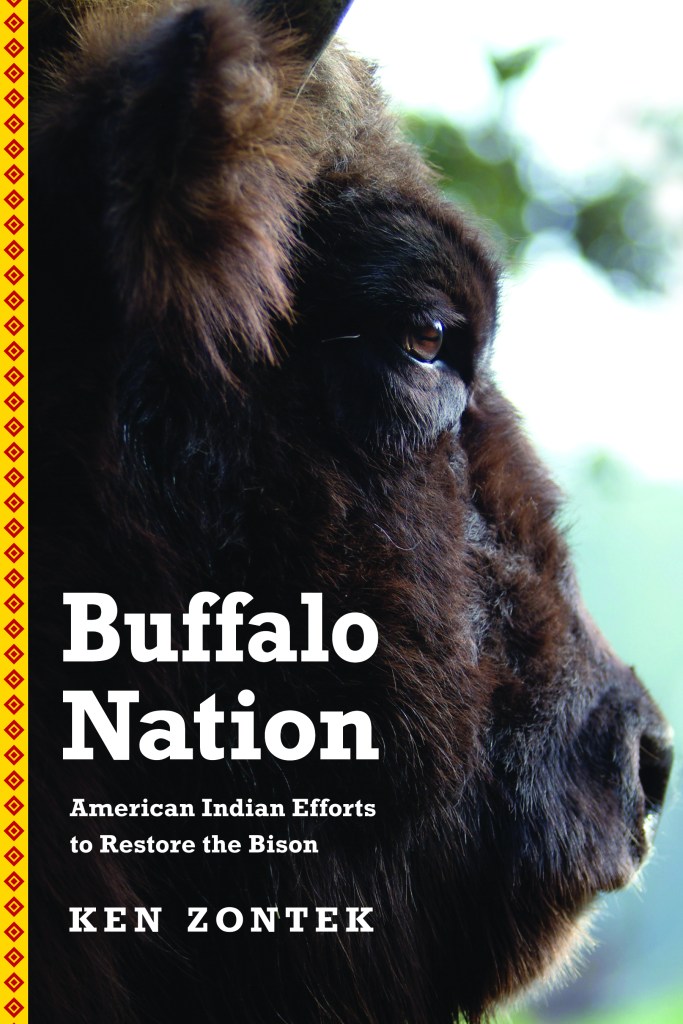
Buffalo Nation
KEN ZONTEK
The gruesome story of the devastation of buffalo herds in the late nineteenth century has become uncomfortably familiar. A less familiar story, but a hopeful one for the future, is Ken Zontek’s account of Native peoples’ efforts to repopulate the Plains with a healthy, viable bison population. Interspersing scientific hypothesis with Native oral traditions and interviews, Buffalo Nation provides a brief history of bison and human interaction from the Paleolithic era to present preservation efforts.
Back from the Collapse
CURTIS H. FREESE
Back from the Collapse is a clarion call for restoring one of North America’s most underappreciated and overlooked ecosystems: the grasslands of the Great Plains. This region has been called America’s Serengeti in recognition of its historically extraordinary abundance of wildlife. Since Euro-American colonization, however, populations of at least twenty-four species of Great Plains wildlife have collapsed—from pallid sturgeon and burrowing owls to all major mammals, including bison and grizzly bears.

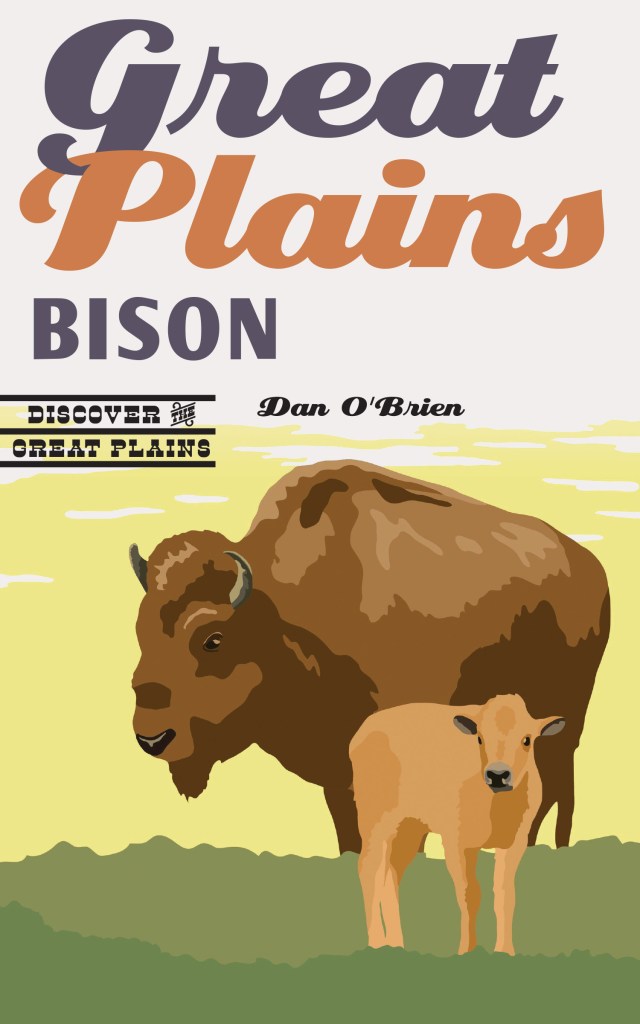
Great Plains Bison
DAN O’BRIEN
Great Plains Bison traces the history and ecology of this American symbol from the origins of the great herds that once dominated the prairie to its near extinction in the late nineteenth century and the subsequent efforts to restore the bison population.
“If we are a sensible people, we will make it our business to see that the process of extinction is arrested. At the present moment the great herds of caribou are being butchered, as in the past the great herds of bison and wapiti have been butchered. Every believer in manliness and therefore in manly sport, and every lover of nature, every man who appreciates the majesty and beauty of the wilderness and of wild life, should strike hands with the farsighted men who wish to preserve our material resources, in the effort to keep . . . from wanton destruction.”
—Theodore Roosevelt’s Wilderness Writings
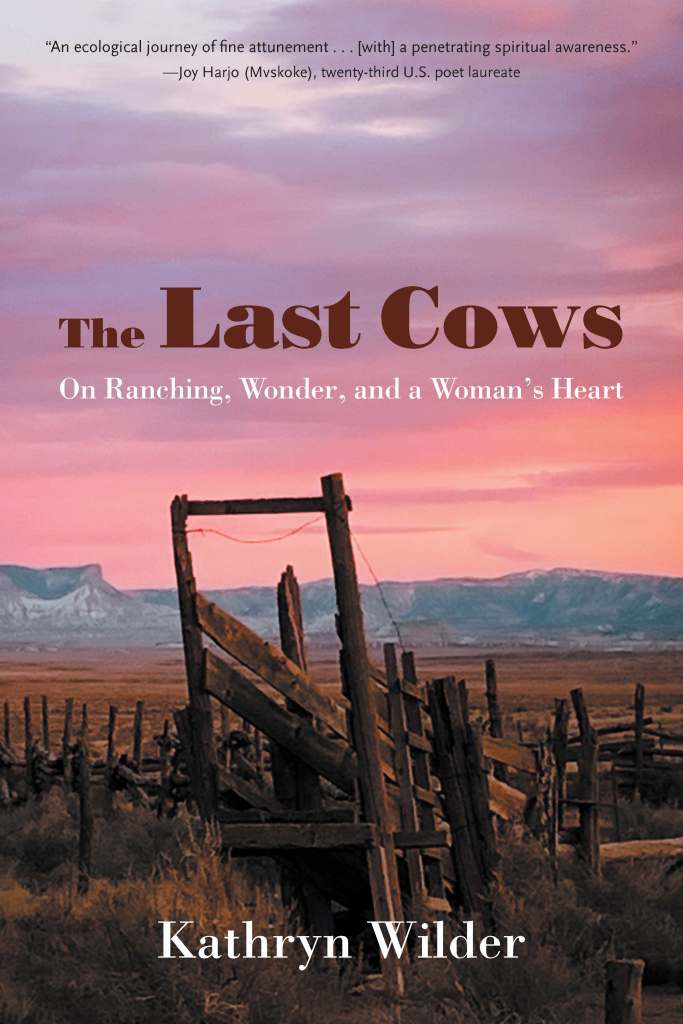
The Last Cows
KATHRYN WILDER
Told from the unique perspective of a woman, mother, environmentalist, cowboy, and rancher, this work of literary nonfiction conveys the joys, challenges, heartbreaks, and qualms of contemporary ranching in the American West. In this engaging and thoughtful narrative that blends biology, geology, natural history, and human history into her personal story, Wilder offers an intimate view into the inner workings of a rancher’s heart.
Theodore Roosevelt’s Wilderness Writings
EDITED BY PAUL SCHULLERY
Theodore Roosevelt, the twenty-sixth president of the United States, was not only the most famous hunter of his generation of Americans, but he was also among its best-informed and most popular outdoor writers. Roosevelt’s commitment to saving wild places is one of his most lasting contributions as a U.S. president. This collection combines classic hunting and nature narratives with his equally durable advocacy of wilderness protection for the sake of personal and national character.

Black Elk Speaks
JOHN G. NEIHARDT
Black Elk Speaks, the story of the Oglala Lakota visionary and healer Nicholas Black Elk (1863–1950) and his people during momentous twilight years of the nineteenth century, offers readers much more than a precious glimpse of a vanished time. Black Elk’s searing visions of the unity of humanity and Earth, conveyed by John G. Neihardt, have made this book a classic that crosses multiple genres.
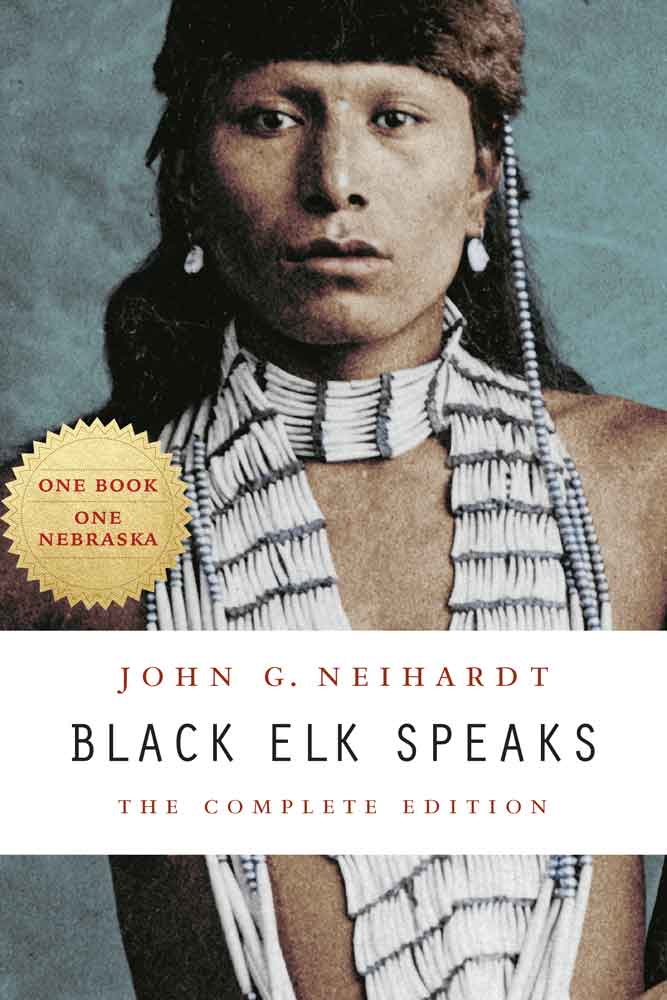
“She gave something to the chief, and it was a pipe with a bison calf carved on one side to mean the earth that bears and feeds us.”
—Black Elk Speaks
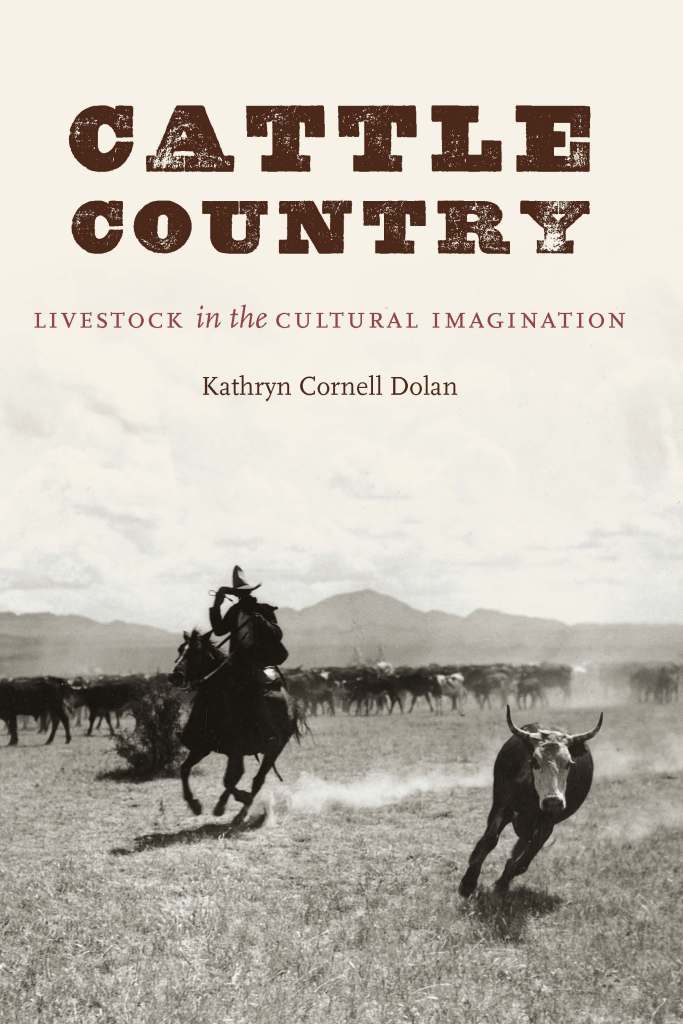
Cattle Country
KATHRYN CORNELL DOLAN
In Cattle Country Kathryn Cornell Dolan examines the role cattle played in narratives throughout the century to show how the struggles within U.S. food culture mapped onto society’s broader struggles with colonization, environmentalism, U.S. identity, ethnicity, and industrialization. Dolan examines diverse texts from Native American, African American, Mexican American, and white authors that showcase the zeitgeist of anxiety surrounding U.S. identity as cattle gradually became an industrialized food source, altering the country’s culture while exacting a high cost to humans, animals, and the land.
All My Relatives
DAVID POSTHUMUS
David Posthumus explores how Lakota animist beliefs permeate the understanding of the real world in relation to such phenomena as the personhood of rocks, ghosts or spirits of deceased humans and animals, meteorological phenomena, familiar spirits or spirit helpers, and medicine bundles. All My Relatives offers new insights into traditional Lakota culture for a deeper and more enduring understanding of indigenous cosmology, ontology, and religion.

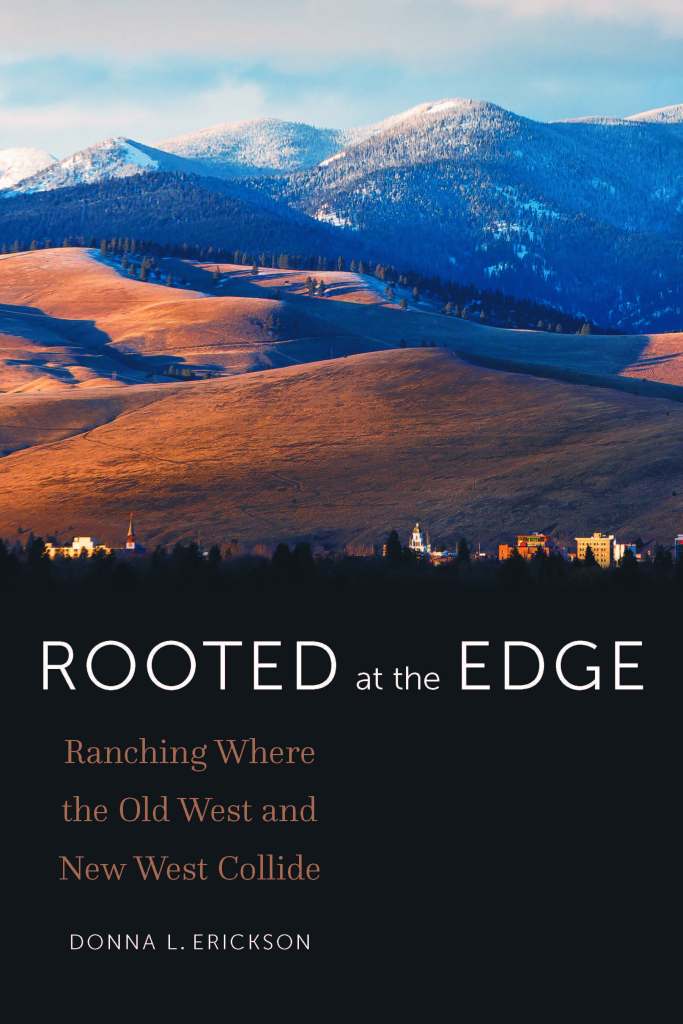
Rooted at the Edge
DONNA L. ERICKSON
Rooted at the Edge paints a portrait of a ranching community in a threatened landscape steeped in history, conflict, and beauty. In this narrative nonfiction work, Donna L. Erickson explores the hilly skirt of ground at the northern boundary of Missoula, Montana, separating the town from the wilderness beyond. The North Hills region represents the critical—and often highly personal—issues at play at the edge of many western towns.
“Compared to forests, wetlands, and mountains, grasslands are instantly colonizable by agricultural settlers. . . . This story of agriculture getting the jump on protected areas has been repeated in temperate grasslands around the world. Globally, of the world’s 14 terrestrial biomes, the temperate grasslands, savannas, and shrublands biome is the least protected, with 4.6% designated as protected.”
—Back from the Collapse
Foragers of the Terminal Pleistocene in North America
EDITED BY RENEE B. WALKER AND BOYCE N. DRISKELL
Written in an accessible, engaging style, these essays examine how migratory waterfowl routes may represent one impetus for human migration into the Americas, analyze settlement and subsistence in the major regions of the United States, and reinvestigate mammoth and bison bone beds in the western Plains and the Rocky Mountains to illuminate the unique nature of Paleoindian hunting in that region.
Who Gets to Go Back-to-the-Land?
VALERIE PADILLA CAROLL
In Who Gets to Go Back-to-the-Land?, Valerie Padilla Carroll examines a variety of media from the last century that proselytized self-sufficiency as a solution to the economic instability, environmental destruction, and perceived disintegration of modern America. Padilla Carroll’s archival research of the books, newspapers, magazines, newsletters, websites, blogs, and videos promoting the life of the agrarian smallholder illuminates how embedded race, class, gender, and heteronormative dogmas in these texts reinforce dominant power ideologies and ignore the experiences of marginalized people.


