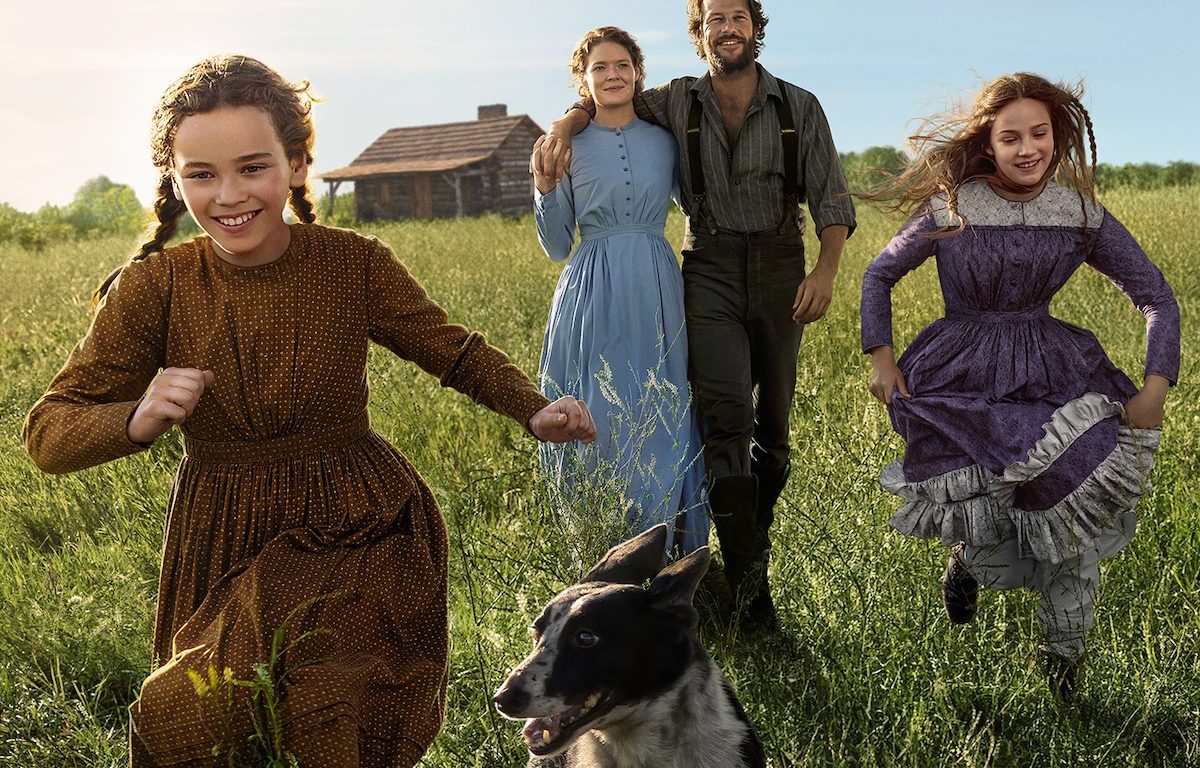
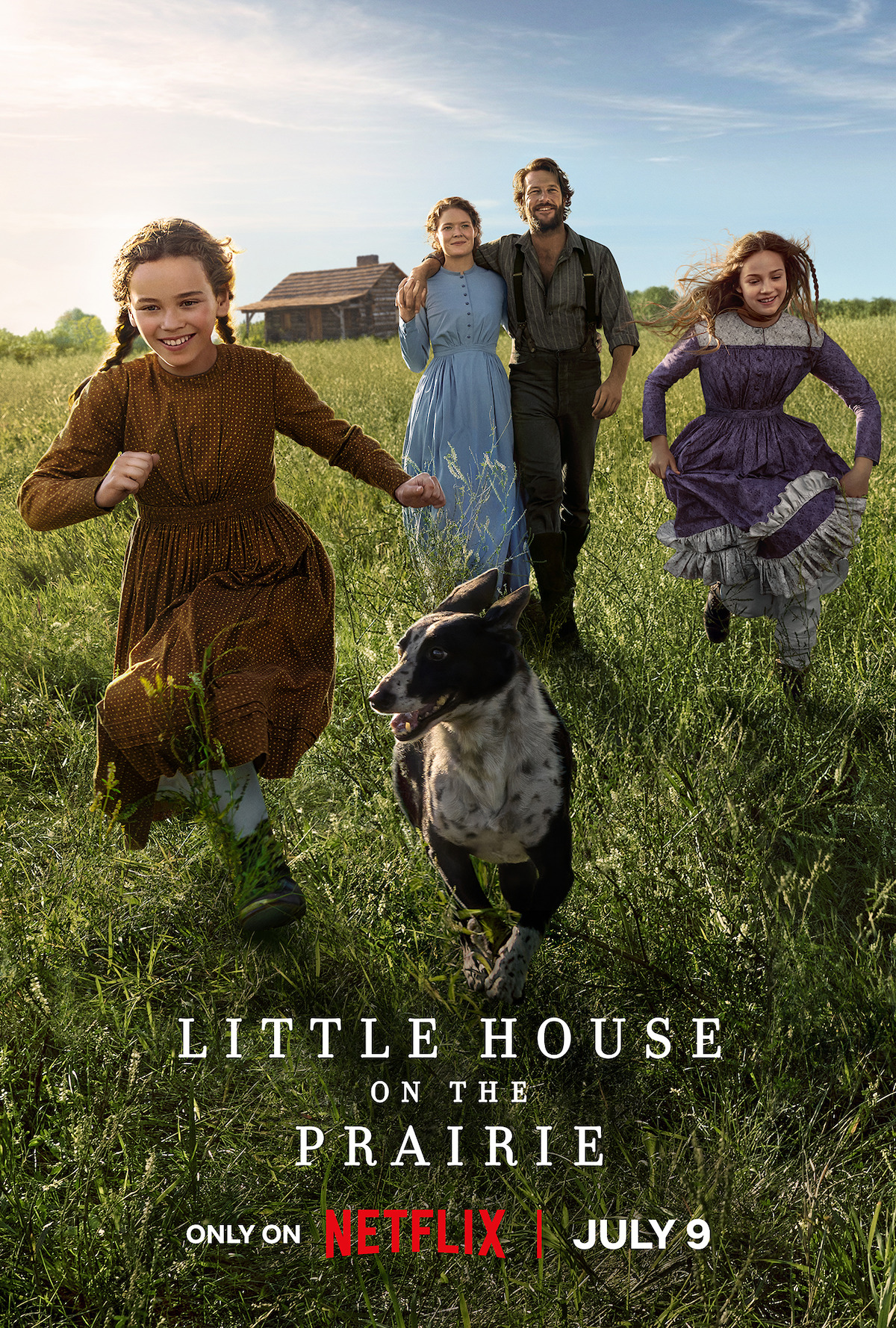
Little House on the Prairie created by Rebecca Sonnenshine and starring Luke Bracey, Crosby Fitzgerald, and Alice Halsey is available to stream on Netflix.
Little House on the Prairie, adapted from Laura Ingalls Wilder’s Little House books, follows the close-knit Ingalls family as they attempt to build a new life on the Western frontier, where the joys of nature and the struggle for survival are deeply intertwined. In an interview with Tudum, showrunner Rebecca Sonnenshine shares, “It’s about people deciding who they want to be, and it’s about people looking for a better life. . . . It leans into the idea that it’s never too late to do that. You always have a chance to reinvent and to rediscover who you are . . . what kind of life you want to seek.”
When you’re done streaming the show, continue the story with Pamela Smith Hill’s book Too Good to be Altogether Lost: Rediscovering Laura Ingalls Wilder’s Little House Books (Nebraska, 2025), a 2025 Choice Outstanding Academic Title, which dives back into Wilder’s texts for a closer examination.
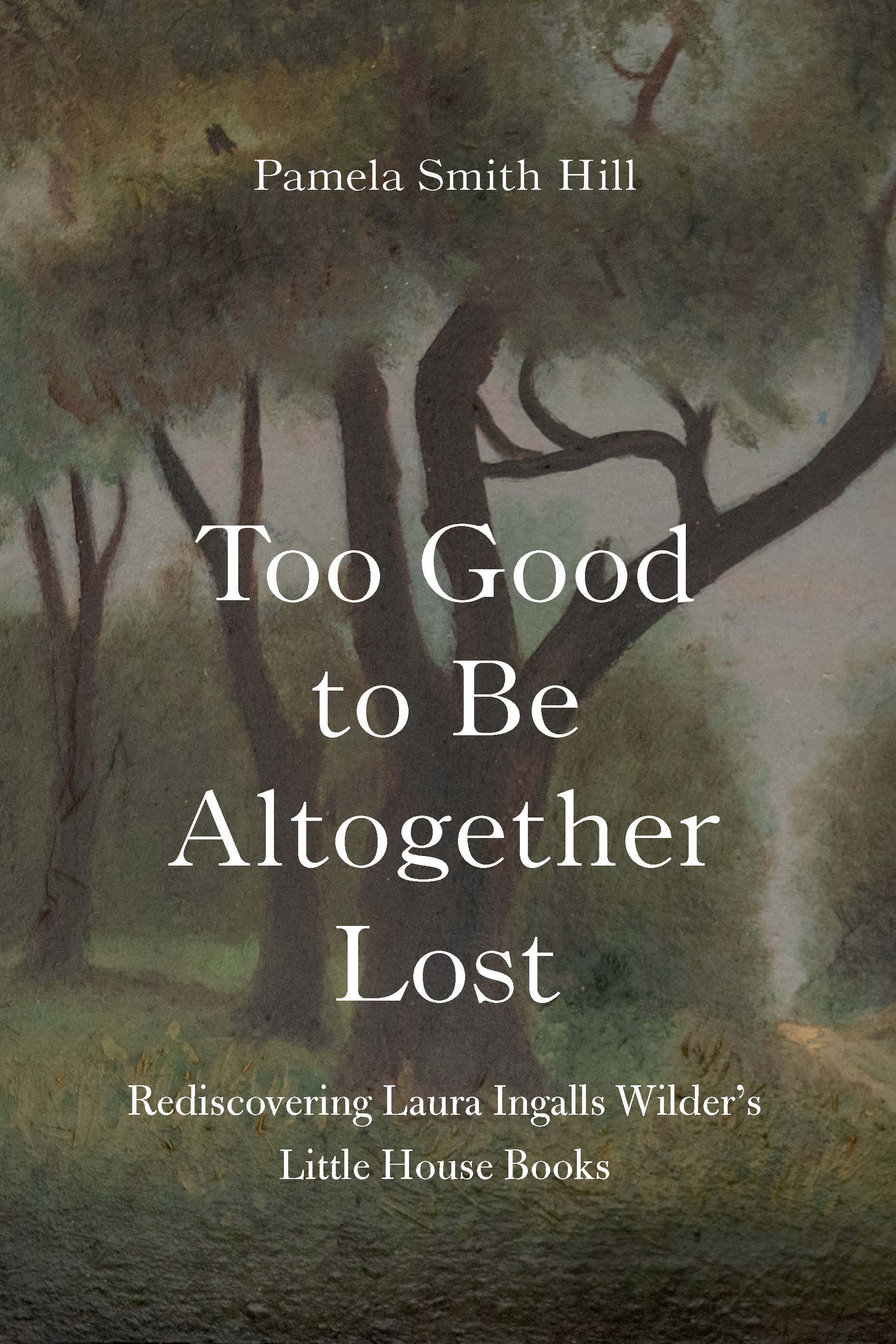
About the Book:
Laura Ingalls Wilder wrote stories from her childhood because they were “too good to be altogether lost.” And those stories seemed far from being lost during the remainder of her lifetime and through most of the twentieth century. They were translated into dozens of languages; generations of children read them at school; and dedicated readers made pilgrimages to the settings of the Little House books. With the release of NBC’s Little House on the Prairie series in 1974, Wilder was well on her way to becoming an international literary superstar. Simultaneously, however, the novels themselves began to slip from view, replaced by an onslaught of assumptions and questions about Wilder’s values and politics and even about the books’ authenticity. From the 1980s, a slow but steady critical crescendo began to erode Wilder’s literary reputation.
In Too Good to Be Altogether Lost, Wilder expert Pamela Smith Hill dives back into the Little House books, closely examining Wilder’s text, her characters, and their stories. Hill reveals that these gritty, emotionally complex novels depict a realistic coming of age for a girl in the American West. This realism in Wilder’s novels, once perceived as a fatal flaw, can lead to essential discussions not only about the past but about the present—and the underlying racism young people encounter when reading today. Hill’s fresh approach to Wilder’s books, including surprising revelations about Wilder’s novel The First Four Years, shows how this author forever changed the literary landscape of children’s and young adult literature in ways that remain vital and relevant today.


One thought on “Netflix ‘Little House on the Prairie’ streaming now”