On August 25, 1916, President Woodrow Wilson signed the Organic Act, which established the National Park Service. Today, we celebrate National Park Service Founders Day to recognize the conservation and preservation efforts of the National Parks System covering more than 84 million acres and including 59 fully designated national parks.
And as a bonus, find these ebooks at half-price for a limited time wherever you buy your ebooks!
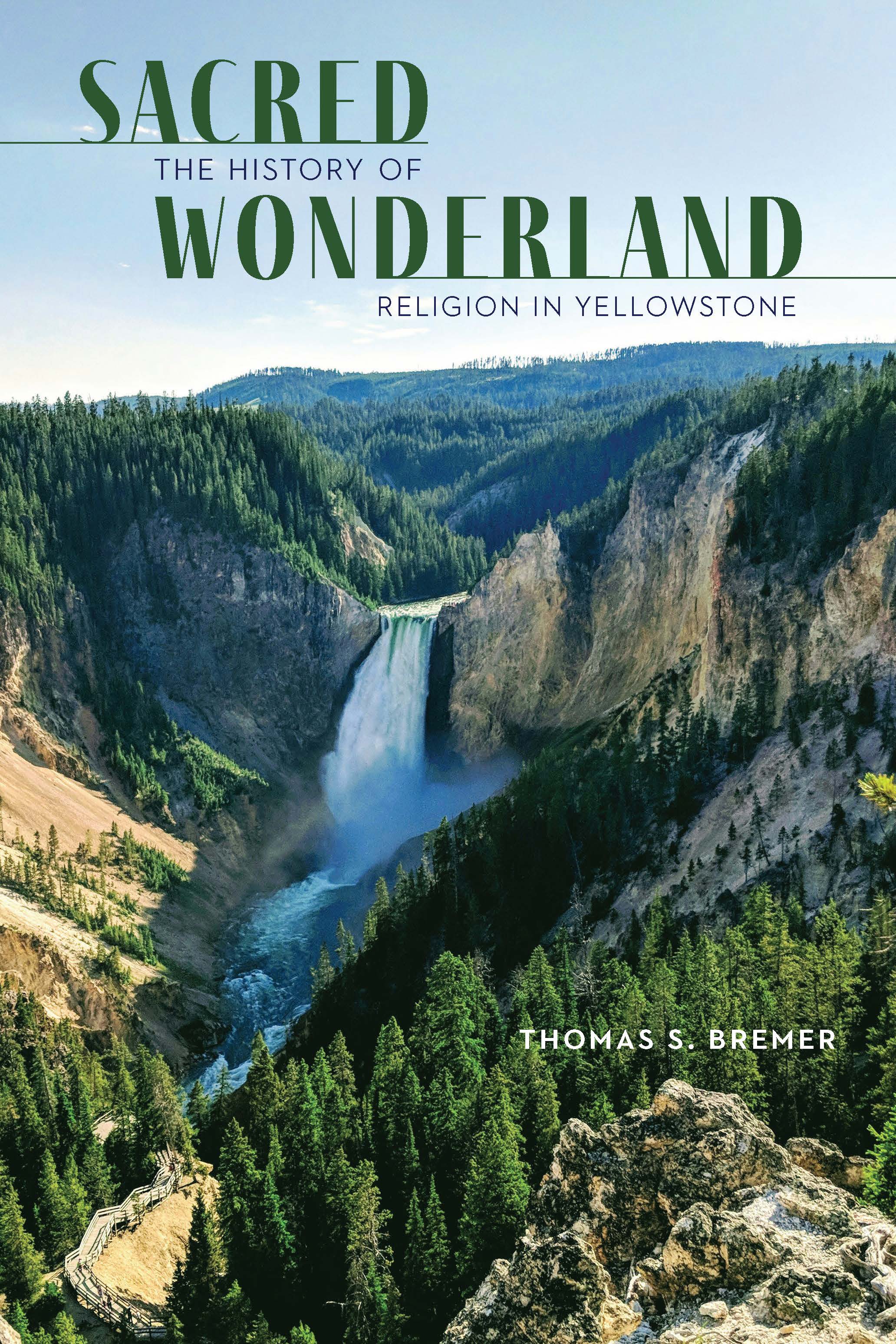
Sacred Wonderland
THOMAS S. BREMER
In Sacred Wonderland Thomas S. Bremer explores the historical role of religion in making Yellowstone National Park an American icon. The park’s religious history spans nineteenth-century evangelical Christian ideas of Manifest Destiny in addition to religiously informed conservationist movements. Bremer touches on white supremacist interpretations of the park in the early twentieth century and a controversial new religious movement that arrived on the scene in the 1980s.
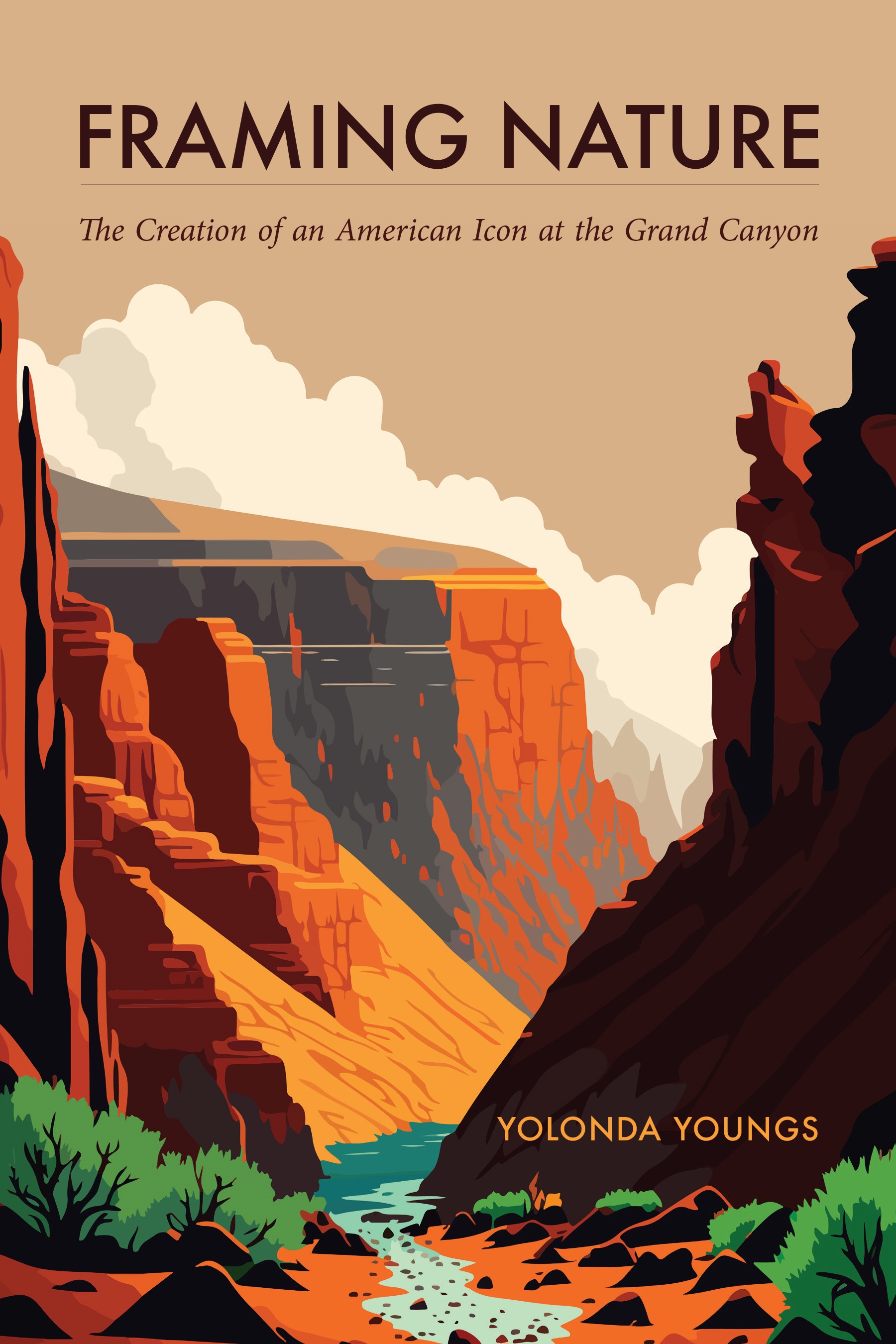
Framing Nature
YOLONDA YOUNGS
In Framing Nature Yolonda Youngs traces the idea of the Grand Canyon as an icon and the ways people came to know it through popular imagery and visual media. She analyzes and interprets more than fourteen hundred visual artifacts, including postcards, maps, magazine illustrations, and photographs of the Grand Canyon, supplemented with the words and ideas of writers, artists, explorers, and other media makers from 1869 to 2022.
The First Atomic Bomb
JANET FARRELL BRODIE
In The First Atomic Bomb Janet Farrell Brodie explores the history of the Trinity test and those whose contributions have rarely, if ever, been discussed—the men and women who constructed, served, and witnessed the first test—as well as the downwinders who suffered the consequences of the radiation.

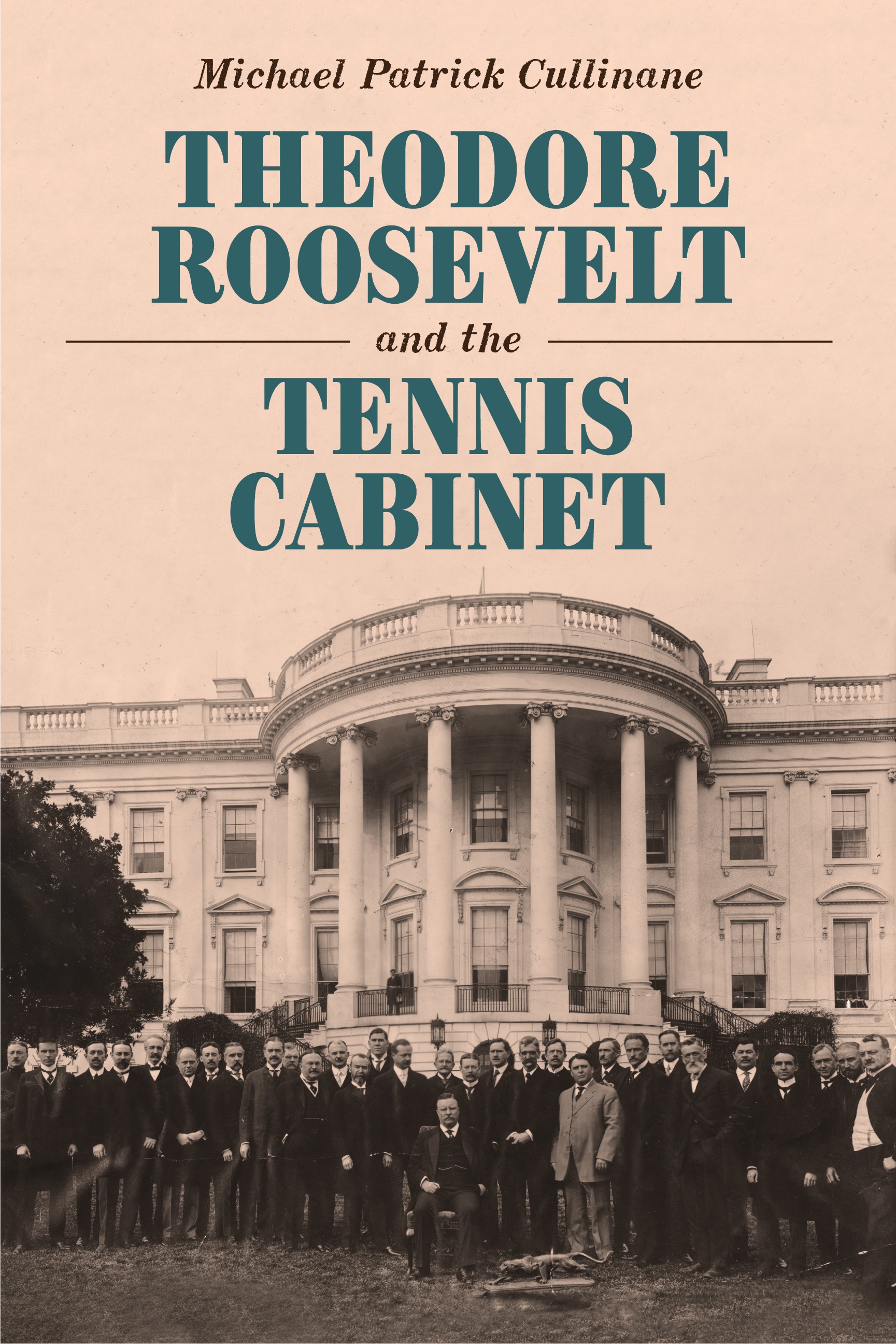
Theodore Roosevelt and the Tennis Cabinet
MICHAEL PATRICK CULLINANE
In his final days in office in 1909, Theodore Roosevelt invited dozens of friends to the White House for lunch. They had never met as a group, but they had one thing in common: Each played tennis with the president and advised on policy matters. Roosevelt half-joked that the public would never know how much these tennis partners did to make his administration a success. Journalists dismissively called them the “Tennis Cabinet,” making light of their contribution, but Roosevelt knew otherwise.
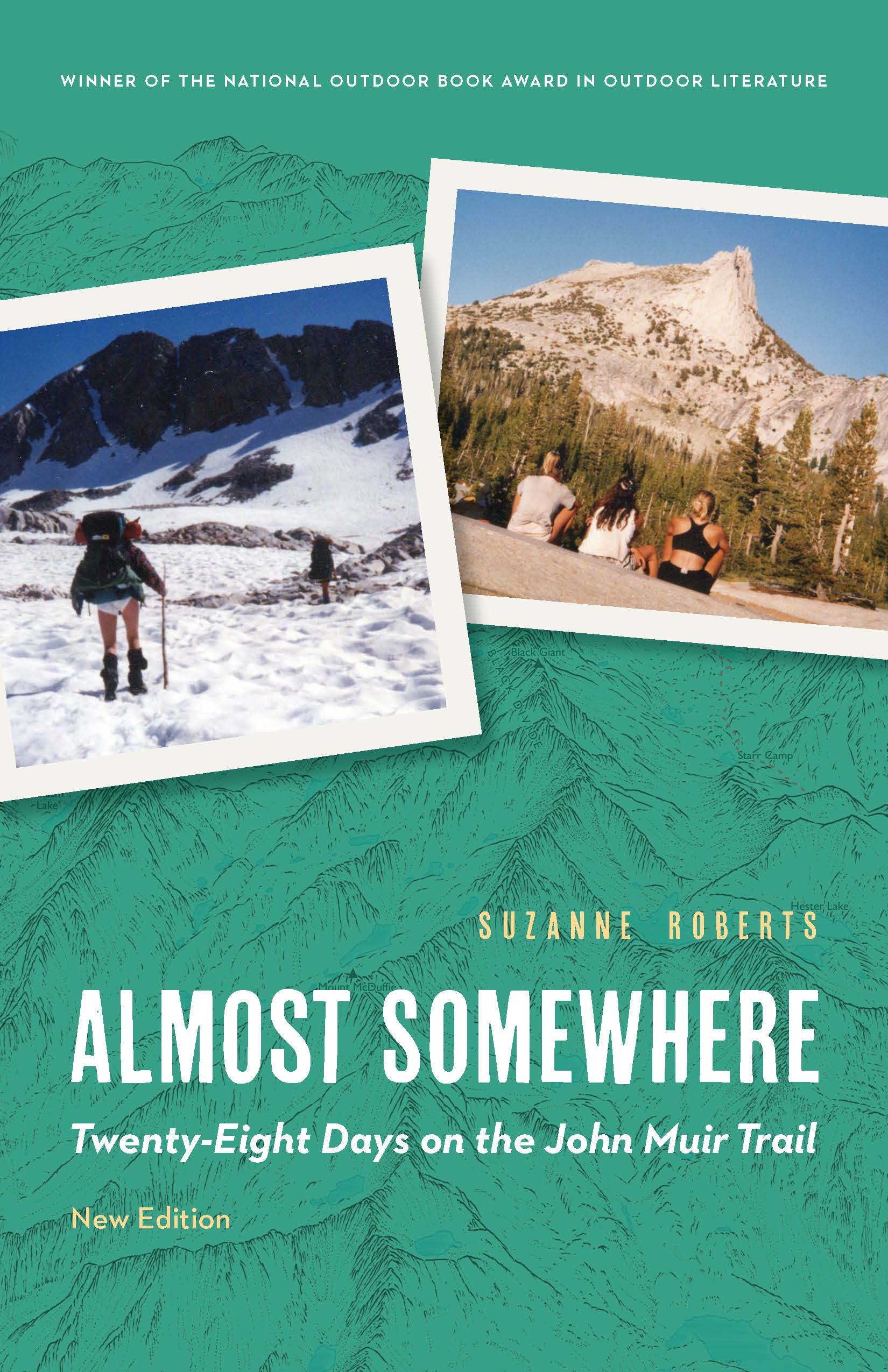
Almost Somewhere
SUZANNE ROBERTS
It was 1993, Suzanne Roberts had just finished college, and when her friend suggested they hike California’s John Muir Trail, the adventure sounded like the perfect distraction from a difficult home life and thoughts about the future. But she never imagined that the twenty-eight-day hike would change her life. Part memoir, part nature writing, part travelogue, Almost Somewhere is Roberts’s account of that hike.
Theodore Roosevelt, Naturalist in the Arena
CHAR MILLER AND CLAY S. JENKINSON
Drawing on an array of approaches—biographical, ecological and environmental, literary and political, Theodore Roosevelt, Naturalist in the Arena analyzes this energetic man’s manifold encounters with the great outdoors. George Bird Grinnell, Gifford Pinchot, John Muir, and William Hornaday were among the many conservationists with whom Roosevelt corresponded, collaborated, hiked, and governed—and in turn, inspired.

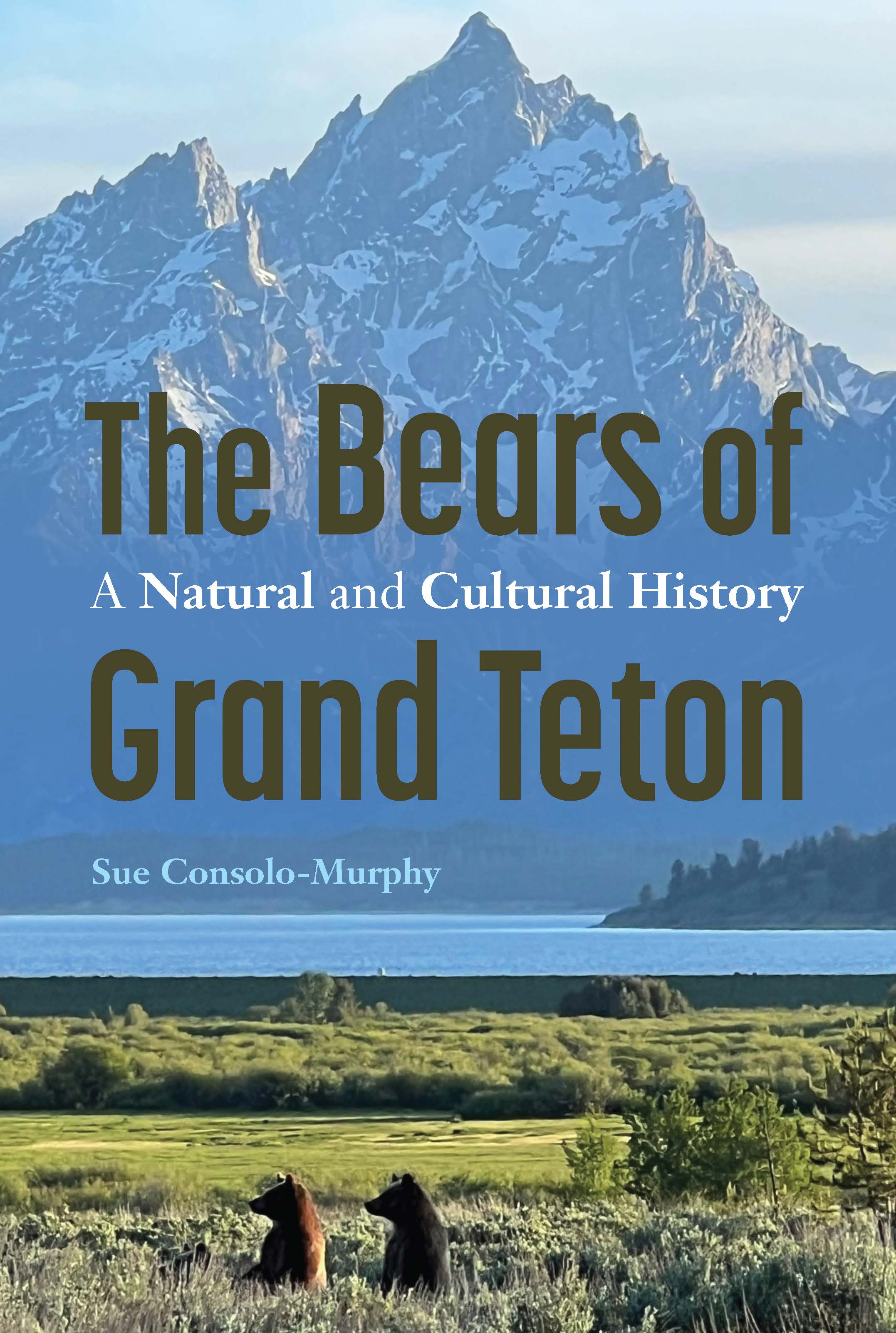
The Grand Bears of Teton
SUE CONSOLO-MURPHY
The Bears of Grand Teton is the first comprehensive history of bears, black and grizzly, and their interactions with people in Grand Teton National Park and the surrounding area of Jackson Hole, Wyoming. It is also a personal account by Sue Consolo-Murphy, who spent thirty years as a wildlife manager for the National Park Service.
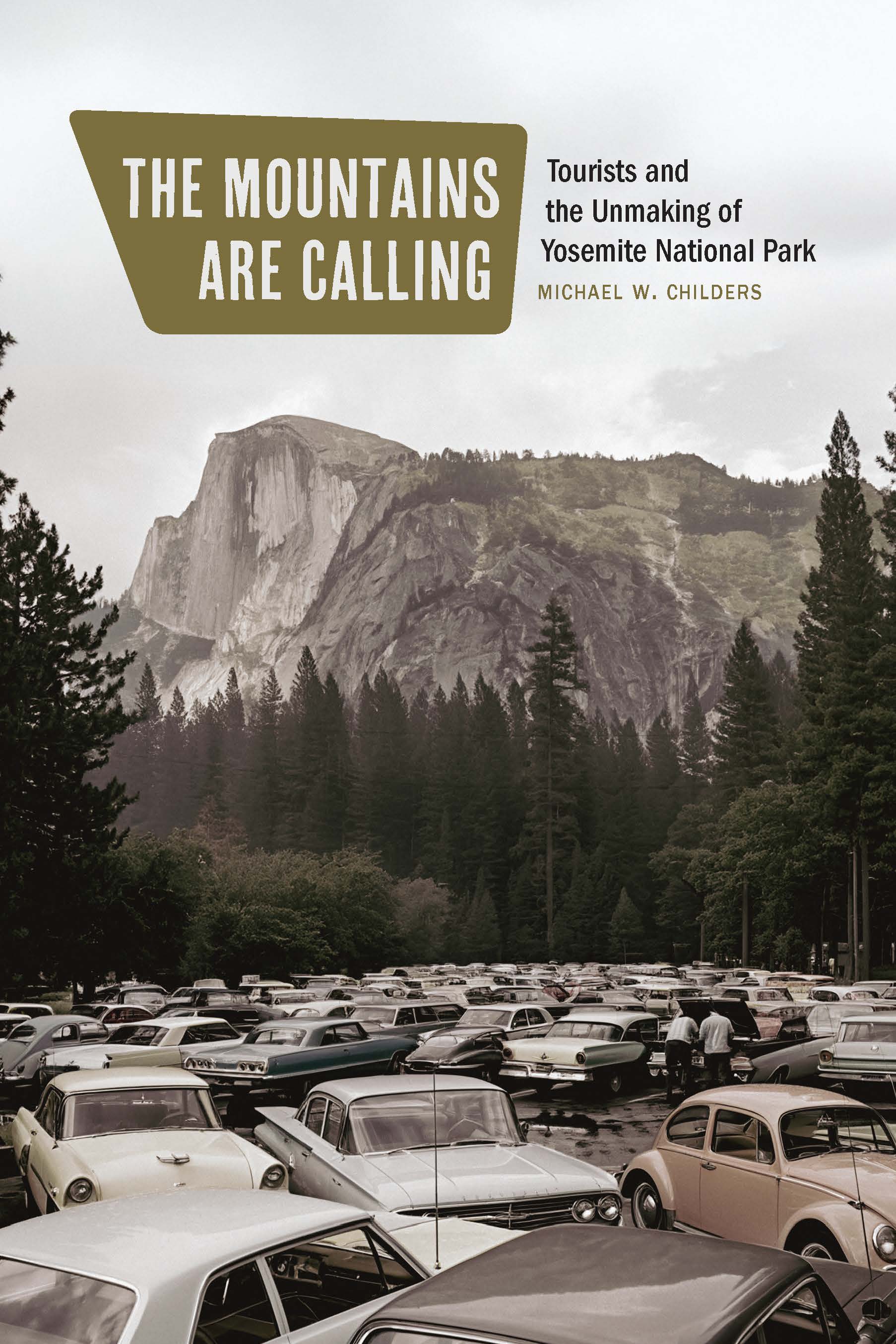
The Mountains Are Calling
MICHAEL W. CHILDERS
In seeking to understand how visitors’ perceptions and experiences have shaped their understanding of the purpose of national parks, and nature more broadly, The Mountains Are Calling places visitors at the center of Yosemite’s story. In histories of the national parks, environmental historians traditionally focus on either a conflict between preservation or exploitation, or a celebration of its founders, but such approaches often overlook the millions of visitors or depict them as backdrops in a larger morality play over the preservation of nature. Michael W. Childers instead addresses the lived experiences of visitors and their role in creating national parks, within the context of national park policy shifts and broader American cultural history.
The Power of Scenery
DENNIS DRABELLE
Dennis Drabelle provides a history of the national park concept, adding to our understanding of American environmental thought and linking Olmsted with three of the country’s national treasures. The Power of Scenery tells the fascinating story of how the national park movement arose, evolved, and has spread around the world.

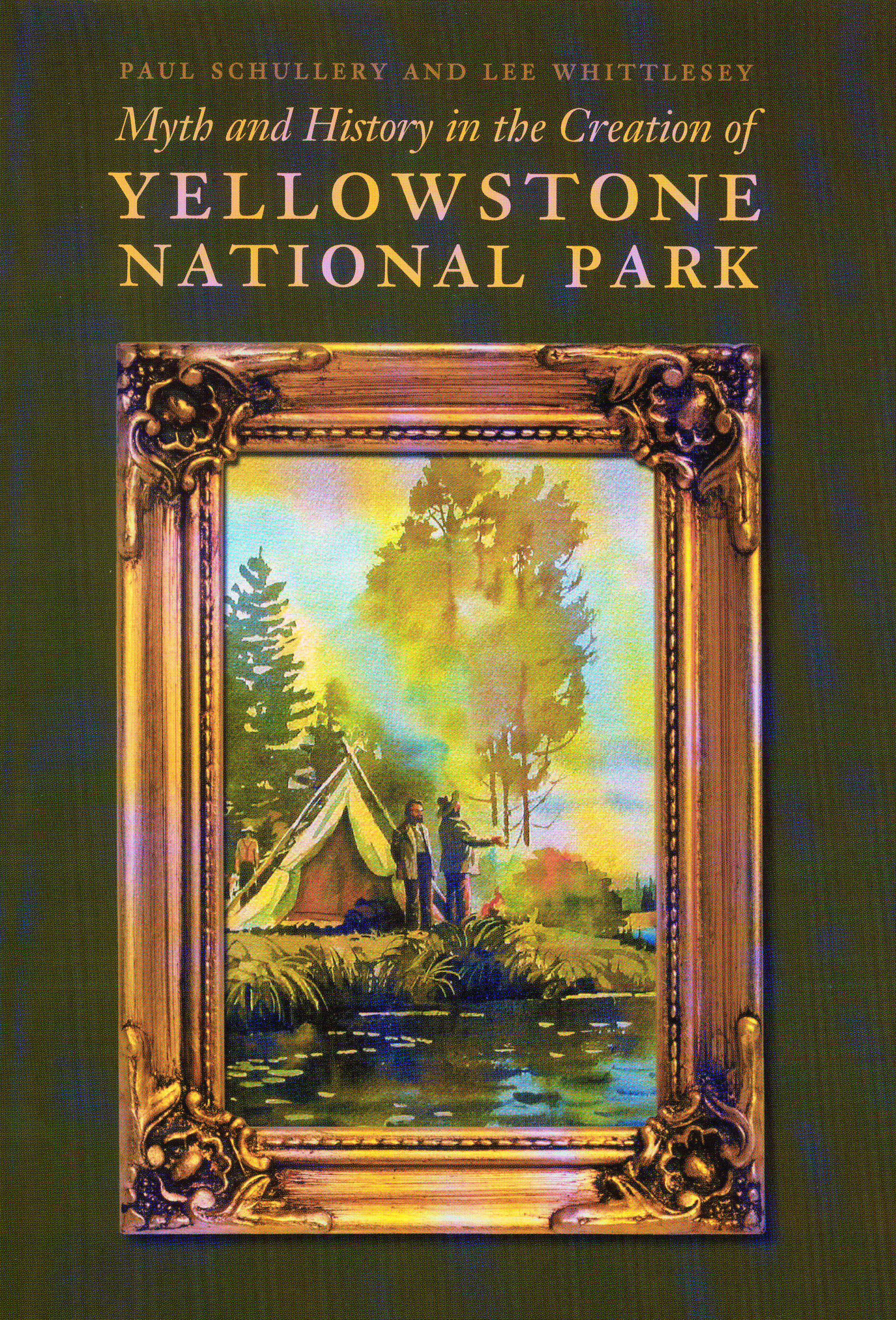
Myth and History in the Creation of Yellowstone National Park
PAUL SCHULLERY and LEE WHITTLESAY
Paul Schullery and Lee Whittlesey, both longtime students of Yellowstone’s complex history, present the first full account of how the fairy-tale origins of the park found universal public acceptance, and of the long process by which the myth was reconsidered and replaced with a more realistic and ultimately more satisfying story.
For further reading, check out our America’s Public Lands series!

