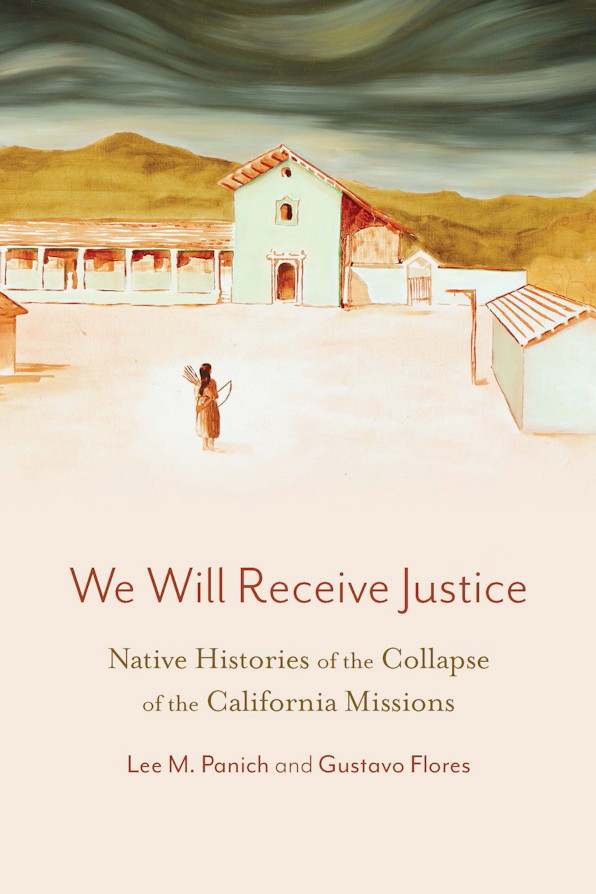
Lee M. Panich is a professor of anthropology at Santa Clara University, author of Narratives of Persistence: Indigenous Negotiations of Colonialism in Alta and Baja California, and coeditor of several volumes, including most recently Archaeologies of Indigenous Presence. We Will Receive Justice: Native Histories of the Collapse of the California Missions, co-authored by Panich and Gustavo Flores, was released this September.
January 12, 2027 will mark the 250th anniversary of the founding of Mission Santa Clara de Asís on the campus of Santa Clara University in California’s Silicon Valley. In my sixteen years teaching at Santa Clara, I have walked past the mission church thousands of times, venturing to class or a nearby coffeeshop. As the centerpiece of our campus, the mission is hard to miss. But I always wonder how students and other visitors view the imposing architectural reconstruction surrounded by well-maintained rose bushes, what might be thought of as an idealized image of a California mission.
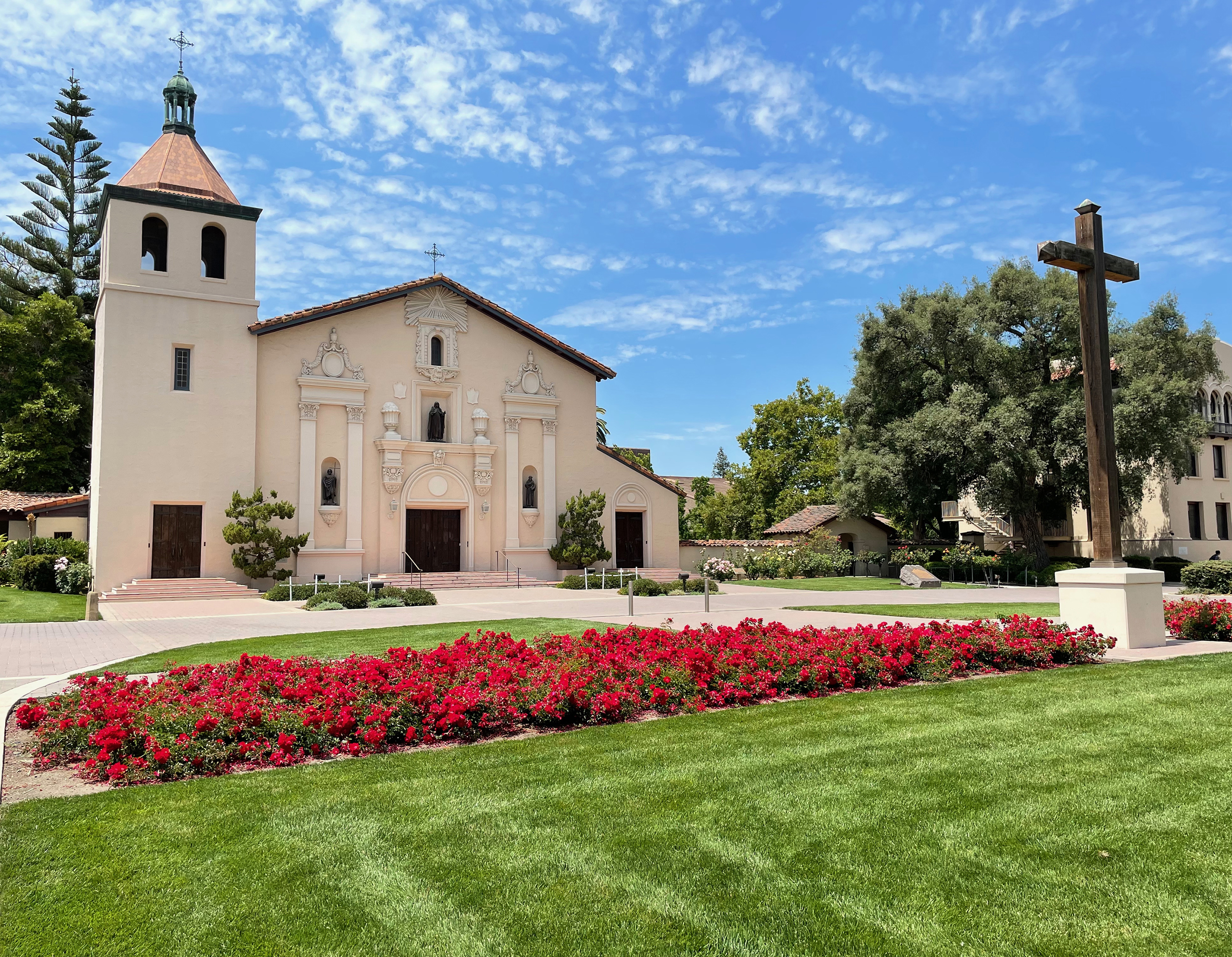
For many in California, the region’s Spanish missions represent the first European settlements on the Pacific Coast. Yet, as we approach the 250th of Mission Santa Clara, we must also consider the other side of that coin—what is hidden beneath the rose gardens. For too long, the missions have marked not just the beginning of European presence, but also the end of Native life in California. Largely due to misperceptions about the success of the California missions, the Ohlone people whose ancestors toiled at Santa Clara and other nearby missions were written off by scholars and the federal government early in the twentieth century. This extinction sentence has haunted them ever since.
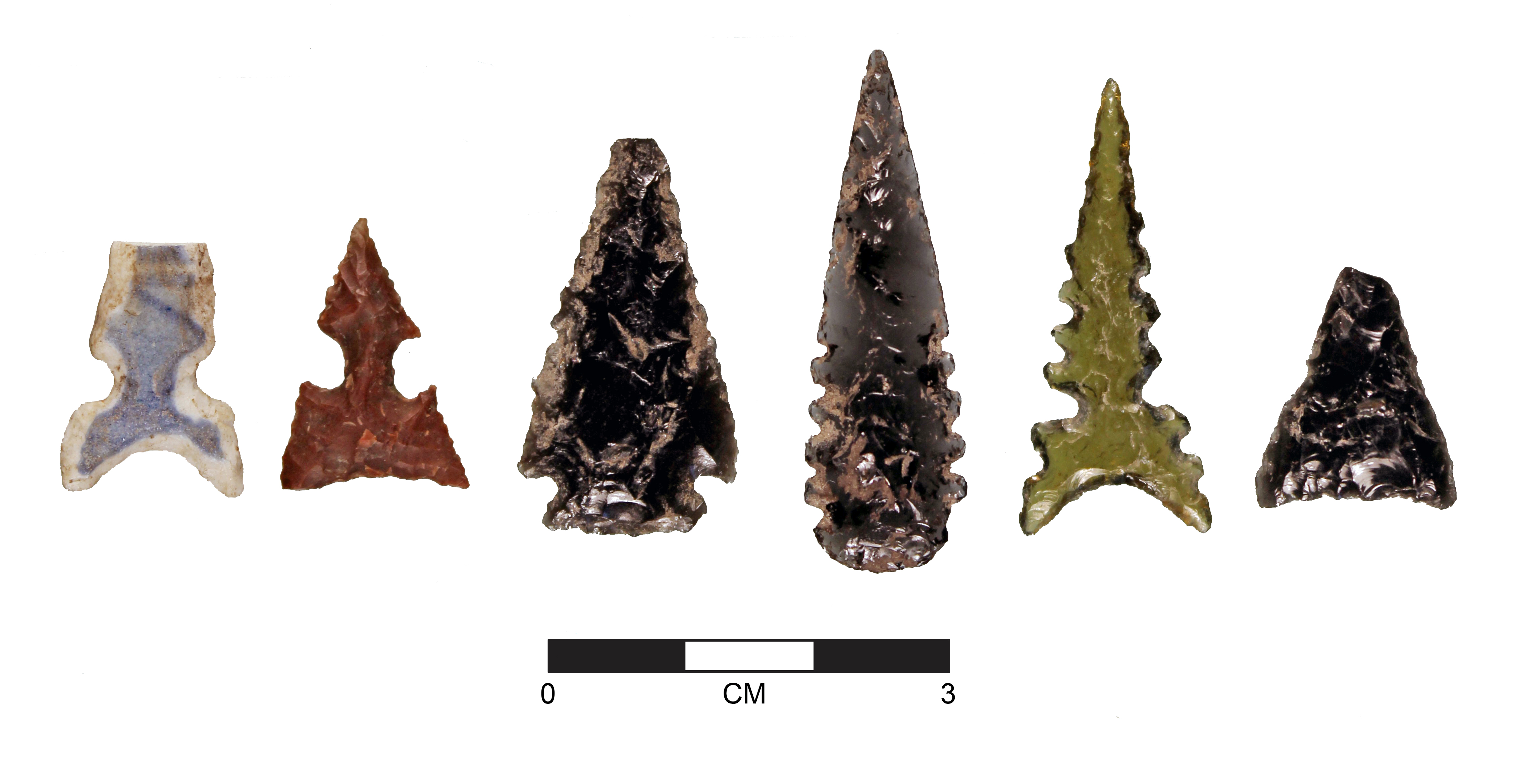
But, of course, Ohlone people are still here today, pushing against the politics of erasure in the San Francisco Bay Area. Soon after I was hired at Santa Clara University, I began working with the Ohlone community to examine how their ancestors made do despite the pressures of successive waves of colonialism. The material record, as explored through archaeology, reveals a marked persistence of Ohlone people and their neighbors who were forced into the orbit of the missions: evidence of traditional cuisines, ceremonies, and technologies such as finely made arrow points.
But what happened when the missions gradually closed over the course of the 1830s and 40s? It is easy enough to track the entry of Native people into the missions by the things they carried with them, but the dispersal of families and individuals is more difficult to see.
Here, the documentary archive offers some clues: a burial record for a Native woman who died in a rebellion against the colonial system; an emancipation petition penned by an Ohlone man who sought to live in the nearby Pueblo of San José; land grants to mission survivors who wished to reclaim the villages where they were born decades earlier. Tangential to many traditional histories of California, these overlooked testimonies collectively speak to the futures that Native people sought to create as the colonial world they had known crumbled around them.
As Gustavo Flores and I explore in our recent book, We Will Receive Justice, Native people in California worked within and against colonial policies to rebuild their communities in the wake of the mission system. Some were successful. A handful of Ohlone ancestors were able to obtain title to—or at least a license to occupy—their ancestral villages and secure the emancipation of their families. Other former mission residents returned to their homelands in California’s interior where they joined with relatives still living free of colonial control, many of whom waged a decades-long battle against the expanding settler footprint.
From the vantage point of the present day, we know that these efforts were ultimately swamped by the violent realities of the Gold Rush and American annexation, but that doesn’t make these stories any less important. In fact, Ohlone people are continuing to fight for many of the same goals across today’s Silicon Valley and the broader San Francisco Bay Area.
To name just one example, the Muwekma Ohlone Tribe recently acquired a 150-acre parcel in San Jose’s eastern foothills, marking a return to tribal ownership in their homelands of more than 10,000 years. As a critical first step, this land provides the tribe a foothold against the tide of gentrification and a space for the continued revitalization of ceremony and traditional ecological knowledge.
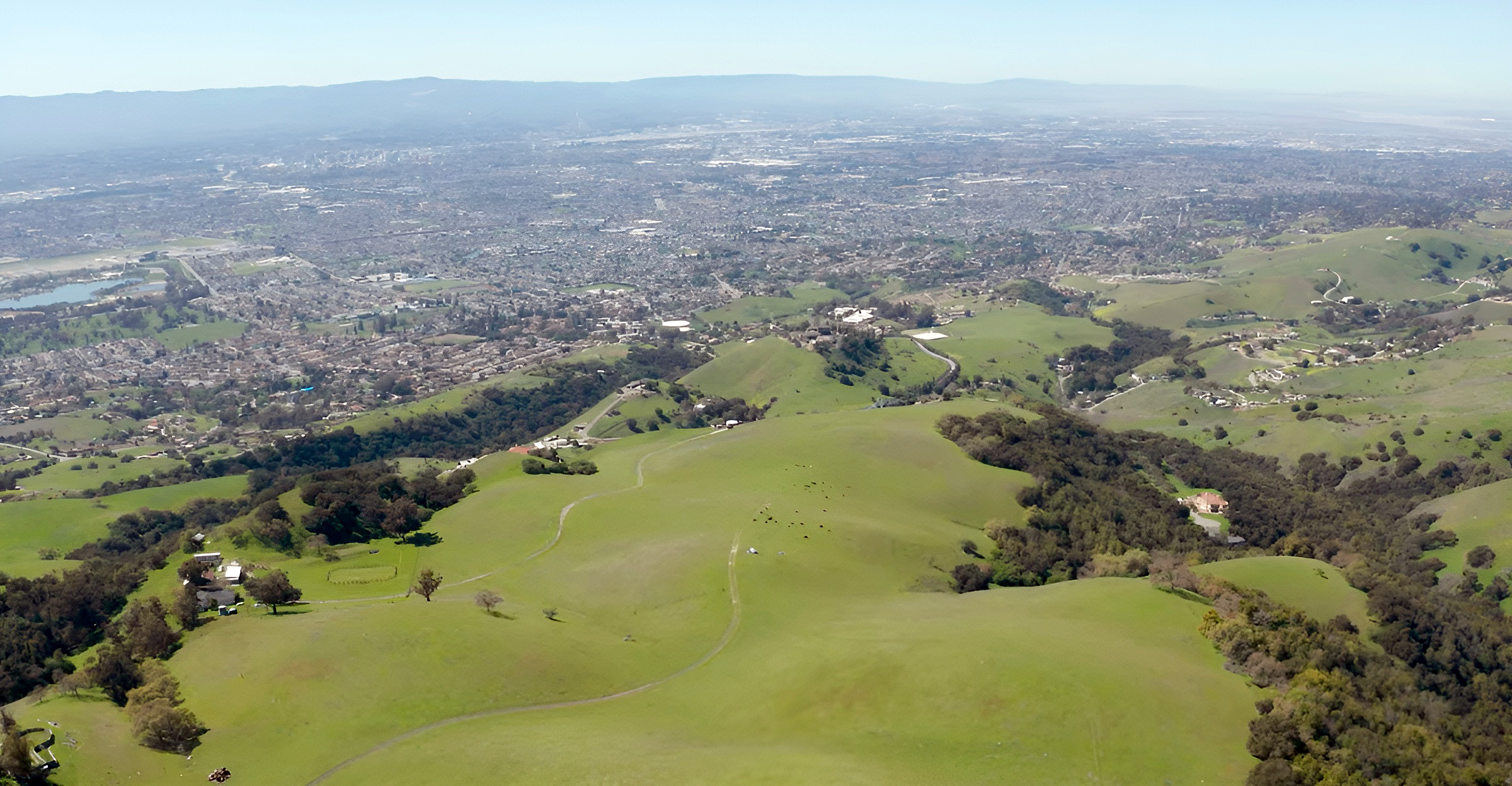
Santa Clara will be the eighth of California’s twenty-one missions to commemorate its 250th anniversary, offering a chance to reflect not just on colonial arrivals but on the enduring presence of California’s tribal communities like the Muwekma Ohlone. As California marks these events over the coming years, we would do well to remember that the missions were not the final chapter in the history of Native California. While the missions remain important (if contested) landmarks in the present-day landscape, they were also transitory institutions whose history masks broader—and much deeper—patterns of Native presence throughout the region.
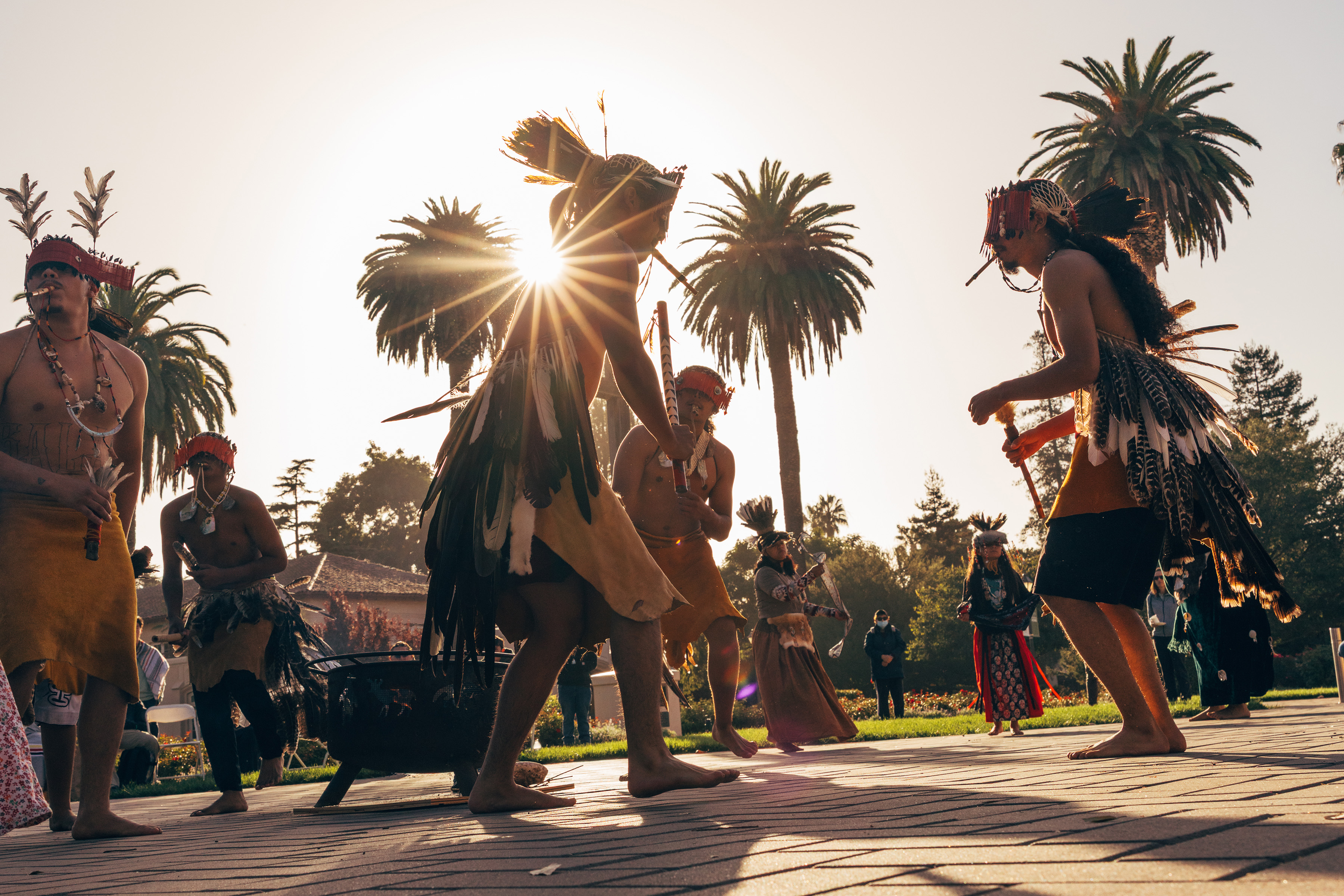
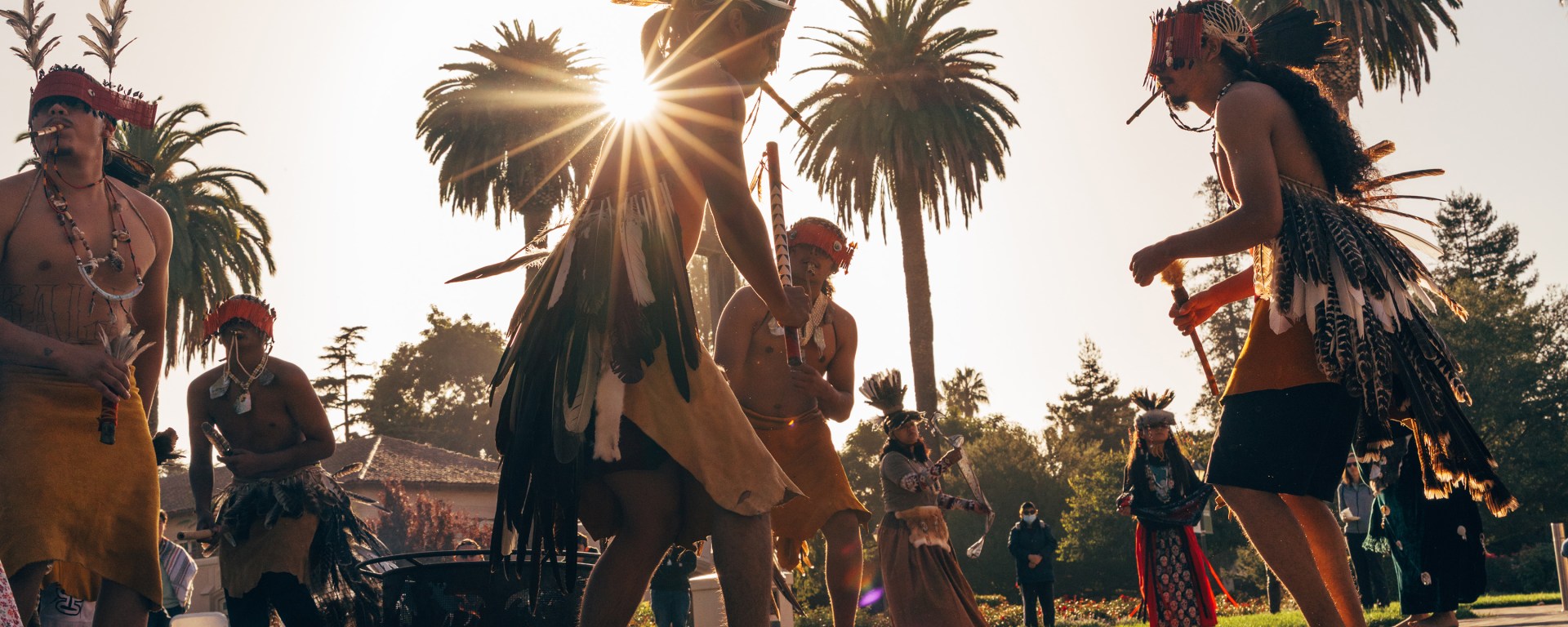
At Santa Clara University, we began our efforts to commemorate the mission’s anniversary with the Muwekma Ohlone Tribe, who hosted a sunrise ceremony in front of the mission church on Indigenous Peoples Day earlier this autumn. The event was both somber and celebratory.
The tribe honored the thousands of their ancestors buried in the adjacent mission cemetery, but their presence on that chilly October morning also underscored the fact that they outlasted the very colonial system that was designed to erase them. No one in attendance will ever view the mission church the same way again.

