Top 10 Antagonists

Weston Poor is an Editorial Assistant in EDP. Below he shares his top 10 anatagonists from his favorite childhood fiction. 

As a young pup, I thoroughly enjoyed losing myself in the glorious world of books, like a good bookworm should. Growing up with books, I was introduced to many heroes and heroines who captured my imagination. I met them, got to know them, and went on fantastic adventures with them. I was also there when they had to face their fears. The villains became almost as integral to my connection with the story as the main character. Some antagonists I remember evoked anger so authentic I could have sworn that they had personally wronged me.

Looking back on these dynamic characters, at least in the books I loved as a kid, I can't help but tip my cap to their all-too-real malevolence. Even though we honestly and heartily root for the hero or heroine to prevail, sometimes a well-constructed antagonist warrants our respect. This blog post is a list of my top 10 antagonists from my favorite childhood fiction.

10. Beans and Mutto from Wringer by Jerry Spinelli. These little guys were actually friends with the protagonist, Palmer LaRue. I consider them one entity because they represent peer pressure. To LaRue, the barbaric idea of killing pigeons to raise money for a playground was not cool, even though all his friends loved it. LaRue battled considerably with Beans and Mutto for what he thought was right, and that took some guts.

9. Rumpelstiltskin from the Brothers Grimm fairy tale (you guessed it) “Rumpelstiltskin.” What an interesting little bugger he was. The ability to weave straw into gold was definitely a good quality to have in this mischievous imp. He thought he was so clever duping women out of their firstborns by including a seemingly simple exit clause in their contracts. Despite his flaws, he represents something much bigger: greed and temptation. You can always count on the Brothers Grimm for a healthy dose of morals.

8. The Grinch from How the Grinch Stole Christmas by Dr. Seuss. All right, admittedly this one is a little iffy, but it's Christmastime so he's going on the list. As far as Dr. Seuss villains go, the Grinch is by far the most notable for his disdain for anything good or nice.

7. Pap from The Adventures of Huckleberry Finn by Mark Twain. Pap—what a weak name for someone who causes bodily harm to our beloved Huck. Despite the name, he does embody the reality of a monstrous father. This drunk, abusive, relentless ne'er-do-well represents a sad connection to our society.

6. Jadis, the White Witch, from The Lion, The Witch, and the Wardrobe by C. S. Lewis. Bearing a close resemblance to Sleeping Beauty’sMaleficent, Jadis is clever, conniving, and powerful, holding the blackest of hearts. The 4 young protagonists don't stand a chance against her until the mighty, mighty Aslan comes to their rescue. Only a savior of such profound strength and wisdom could match the unscrupulous nature of the White Witch.

5. It from A Wrinkle in Time by Madeleine L'Engle. While not the most original name, It evokes a revolting truth—that conformity and hatred fuel the likes of soulless intelligence. As a giant brain, It cannot be outsmarted. This antagonist is so maniacal that he possesses a 5-year-old boy. The brain is truly indestructible and unstoppable. In fact, the book never concludes with what happens to It, therefore It will most likely be back . . . 

Continue reading “Top 10 Antagonists”

The Marketeers Club: Bubble and Squeak

9780803259942On occasion I like to look through the many cookbooks my wife, Becky, and I own, to find a recipe we have never tried. Recently I was looking through one University of Nebraska Press book, Jane Grigson’s Vegetable Book, and I found a recipe for something called Bubble and Squeak. I loved the name so much I immediately decided I had to try to make it. I was a little discouraged to learn that Bubble and Squeak is fried beef and cabbage, because neither Becky nor I like cooked cabbage. However, when I read further and discovered that the dish is served with Wow Wow sauce, I was again hooked. I was surprised to find out that Wow Wow sauce is a real thing. I thought Terry Pratchett had just made it up for his Discworld books.

In Jane Grigson's Vegetable Book the author lists the recipe for Bubble and Squeak as published by Dr. Kitchiner in his 1871 book Aspicius Redivivus, or The Cooks’s Oracle. This is a book that Grigson describes as “the raciest, most opinionated, least practical cookery book ever written.” If I hadn’t already been pulled in by the name of the recipe, or that it is served with Wow Wow sauce, that quote alone would have been enough to suck me in.

The recipe is not very precise, which usually is not helpful for the way I cook. I like to have a recipe that lists specific amounts of each ingredient. History tells me that, if left to my own imagination, the result will be an inedible catastrophe. However, I thought that even I couldn’t mess up this recipe.

The first part of the recipe calls for slices of cold boiled salted beef sprinkled with a little pepper and lightly browned in butter. I started with 1½ pounds of an inexpensive steak. The recipe never mentions what cut of beef to use and, after all, I didn’t have a lot of confidence in the recipe, so I couldn’t see using expensive beef. I also didn’t boil the meat; I simply fried it in some butter in a cast iron skillet until it was thoroughly cooked.

The second part of the recipe simply states to boil a cabbage, squeeze it dry, chop it small; remove the beef from the frying pan and replace it with the cabbage; sprinkle with salt and pepper; keep the pan moving for a few minutes; then lay the cabbage in the middle of a dish with the meat around it. Instead of boiling an entire cabbage I chopped up half a cabbage and boiled that. This turned out to have both positive and negative results. The positive is that I have no idea how long to boil a whole cabbage, but it is easy to tell when chopped up cabbage is done. When the cabbage looked tender, I poured it into a strainer and pressed out as much water as possible. The negative part of this operation is that pressing out the water also made the cabbage sort of mushy. I removed the beef from the skillet, put the cabbage in, and put it back over a medium heat. The cabbage started to brown very quickly, so it didn’t cook very long. 

As I mentioned earlier, without specific information on a recipe I tend to get terrible results. This was a problem for the Wow Wow sauce. The recipe for it provided by Dr. Kitchiner is “beef stock, sharpened with a tablespoon each of vinegar, mushroom ketchup, and port wine, and a teaspoon of made mustard. Finally you add plenty of chopped parsley and two or three pickled gherkins.” I felt I could get by with the somewhat vague recipe for Bubble and Squeak, but I thought I needed some idea of how much beef stock to start with for the sauce. So I looked for Wow Wow sauce on Wikipedia and found that a recipe for it was published in Nanny Ogg’s Cookbook, a cookbook Terry Pratchett wrote from the perspective of Nanny Ogg, one of his Discworld characters. Given that I am a big fan of all things Terry Pratchett, I actually own a copy of Nanny Ogg’s Cookbook. The recipe for Wow Wow sauce is:

Butter, about the size of an egg

1 tablespoon plain flour

30 ml beef stock (this is 1¼ cups)

1 teaspoon English mustard

1 dessertspoon white wine vinegar

1 tablespoon port

1 tablespoon mushroom concentrate

Salt and black pepper

1 heaped tablespoon dried parsley

4 pickled walnuts, chopped

Buchanan_wow wow sauce

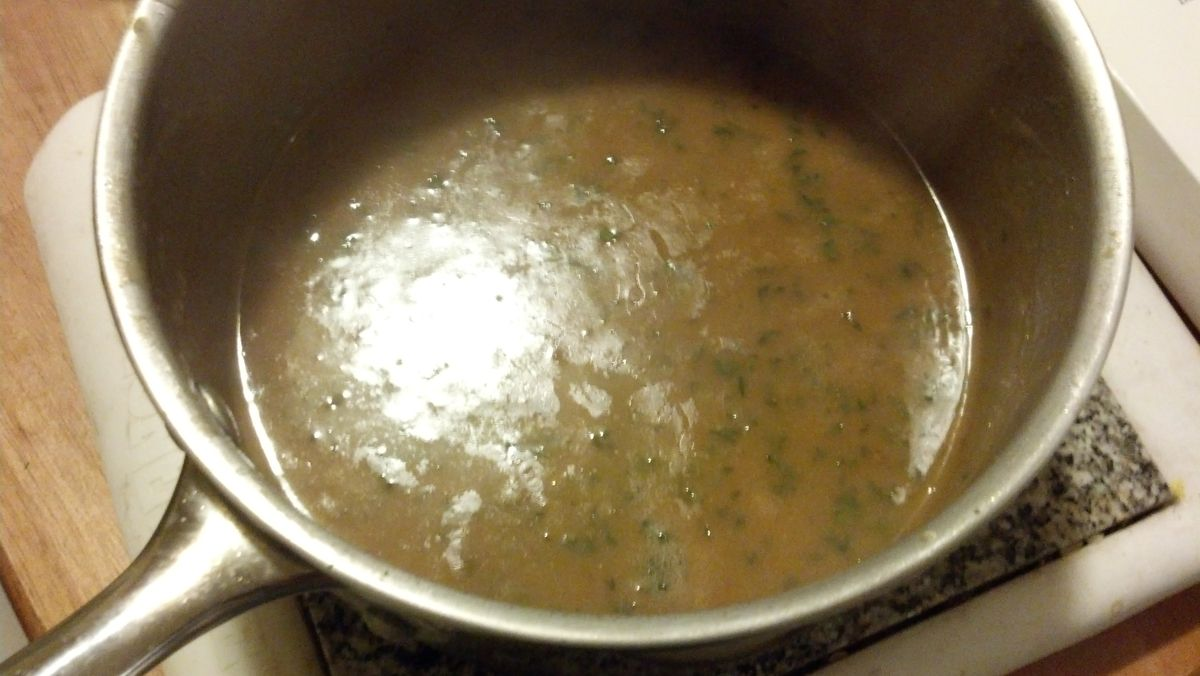
Wow Wow sauce

The mushroom concentrate needs to be made the night before and, since I was making this right before Thanksgiving, I didn’t have the time. However, Worcestershire sauce can be substituted for the mushroom concentrate and for the port, which is good because I didn’t have any port, either. While I was frying the beef and working on the cabbage, Becky worked on the Wow Wow sauce. If you would like to see how the sauce comes together, you will have to look on page 60 of Nanny Ogg’s Cookbook.

Continue reading “The Marketeers Club: Bubble and Squeak”

Settlers of Catan: Meet the Settlers

Settlers recap (Nov. 21)November 21, 2013

The Settlers: Shirley Thornton, Erica Corwin, Terry “the Bandit” Boldan, Nathan Putens, Leif Milliken

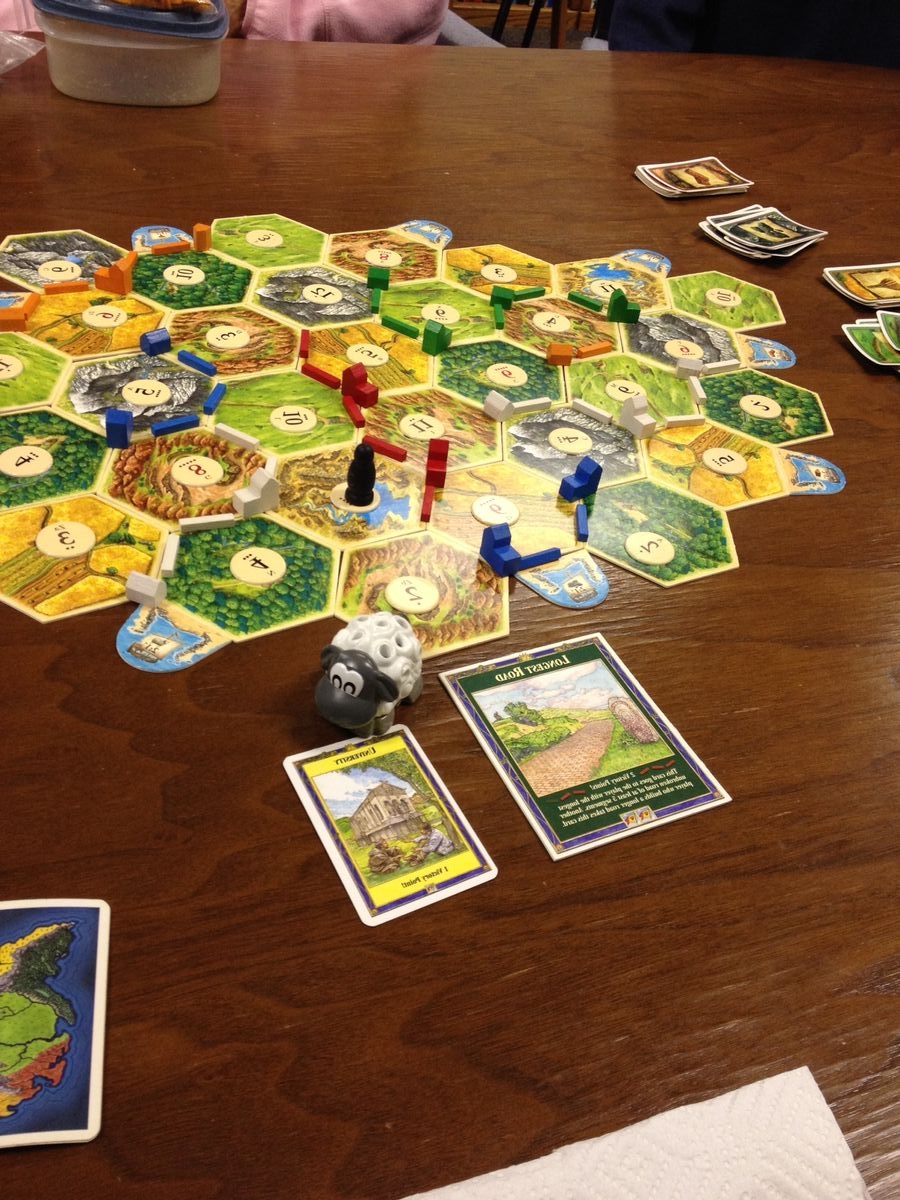
Shirley Thornton didn’t make any significant plays for the second week in a row, thus solidifying Terry “the Bandit” Boldan’s overall wins for 2013. However, Boldan, too, was unable to scrape together the points necessary for a win. Cue Leif Milliken, one of the group’s unsung heroes of 2013. Known for his ability to strategize with the best of ’em, Milliken has found himself coming up short in more contests than he would care to admit. But not this day. This day Milliken would take home the coveted Sheep with gusto.

The point totals say it all: Thornton—5, Boldan and Putens—6, Corwin—7, Milliken—10 (duh). Most would consider a 3-point margin of victory hefty; Milliken would consider it necessary and proper. In fact, Milliken’s win could be considered one of the slickest I’ve witnessed.

What usually takes an hour would only take Milliken 30 minutes. He effectively and efficiently settled, built, improved, and rolled. On any other day Corwin might have taken home the Sheep trophy. That she managed to build up 7 points is more than noteworthy. Corwin’s play was swift in its own right—but not swift enough.

Despite the notable W, this win would not do much for Milliken’s 2013 total wins (6), still leaving him 5 out from the leader, Boldan (11). It’s too late for Milliken to take 2013, but if wins like these become a more frequent affair, 2014 may be in his favor. Thornton still has a chance to tie Boldan for 2013 total wins, but it will take every bit of settler’s knowledge to do so.

November 28, 2013, Happy Thanksgiving!

The Settlers: No one. Families and feasts are more important than settling . . . sometimes.

Continue reading “Settlers of Catan: Meet the Settlers”

Holiday Sale

Now through December 20, 2013 enter promotion code 6HLW13 and save 25% off all University of Nebraska Press books. Need some ideas? Give our gift book guide a try. Or explore these new titles:_______________________________________________________________________________________ Fried Walleye and Cherry Pie Midwestern Writers on FoodEdited and with an introduction by Peggy Wolff Read an excerpt from the book.______________________________The Last Days of the Rainbelt By David J. Wishart Read an excerpt from the book. ______________________________________________________________________________________ George Norris, Going Home Reflections of a Progressive StatesmanBy Gene A. Budig and Don Walton Read an excerpt from the book.______________________________ The New Reform JudaismChallenges and ReflectionsBy Dana Evan Kaplan Read an excerpt … Continue reading Holiday Sale

The Marketeers Club: Great Books Make Great Gifts

I was eight years old when I learned that books make great gifts. For Christmas that year, my aunt (who was a teacher and in the business of encouraging kids to read) sent a box of goodies: books by Beverly Cleary, Judy Blume, and a copy of Mrs. Frisby and the Rats of NIMH. I read from that box of books from the time I got home from school until bedtime, only taking a break for dinner because I had to. ("One more page!" I'd tell my parents after they’d told me for the third time that dinner was ready.) … Continue reading The Marketeers Club: Great Books Make Great Gifts

From the desk of Gary R. Entz

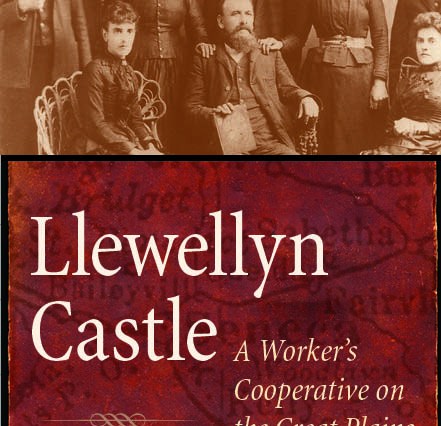
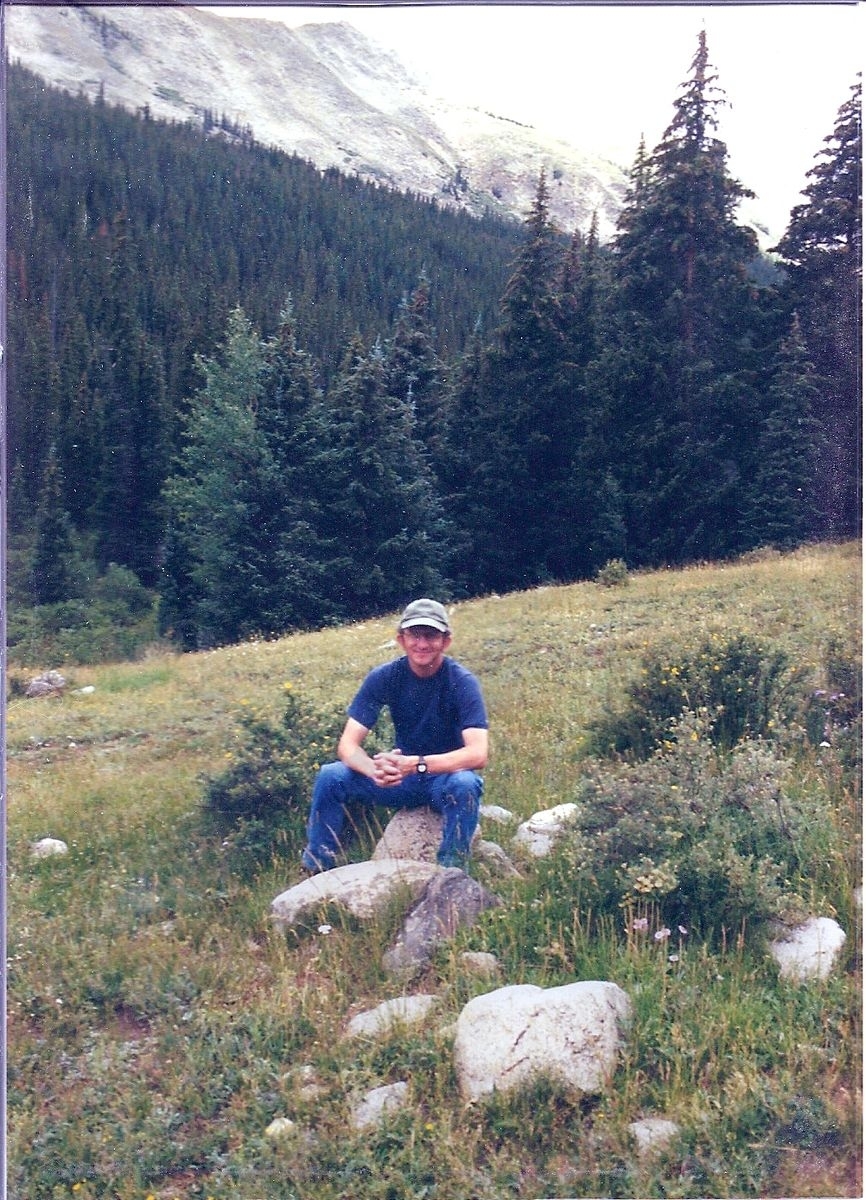
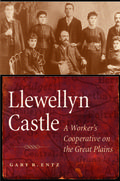
Entz_GREColoradoThe book Llewellyn Castle: A Worker’s Cooperative on the Great Plains is the result of a lot of old-fashioned detective work. I was born in Kansas and spent my formative years there and in the mountains of central Colorado. As much as I loved (and still love) Colorado, when it came time to advance through my education it was the history of Kansas and the Great Plains that captured my attention. As a descendent of German Mennonites who used cooperative methods to transplant entire communities of Eastern European farmers to the grasslands of central Kansas, I came from a heritage where the mutual aid and communal thought of the past shapes the present and continues to be a part of living memory. The idea of a cooperative narrative of the American past as an alternative to the myth of the so-called rugged individualist is an intriguing concept. At the same time, however, the German Mennonite tradition has been heavily researched by others, and I had little interest in revisiting the thoroughly investigated topic.

Llewellyn Castle was a settlement in northeastern Kansas that only a few people have ever heard about. Although I was a student of Kansas history and had sifted through the minutia of state history, before 1995 I had never encountered a reference to the place. The settlement nearly disappeared from historical memory for a number of reasons, not the least of which was the fabrication of a new name for the colony by a 1930s journalist. If one is looking to make an already obscure place disappear from history, an effective way to accomplish that feat is to give it a new name and embellished background for which there are no corresponding contemporary records.  When I first encountered a reference to the settlement it was nothing more than the place name (the fabricated one, which I did not know at the time) and question marks next to the dates of its possible existence. It appears that once the fabricated colony name and story was accepted into local folklore, the myth took over and the reality of the settlement faded away.

I was looking for intentional communities to study for my dissertation but the prospect of taking on such Entz a project was intimidating, to say the least. I had no information about the settlers or their point of origin. Nonetheless, I was intrigued enough to conduct a preliminary investigation to see if there might be enough material about Llewellyn Castle to include in my dissertation. Unfortunately, my initial foray into the public record proved fruitless. I found no references anywhere to a settlement called Llewellyn Castle during the time when it was thought to have existed. It was a frustrating moment. I had intended to conduct a comparative study of three communities: an entirely cooperative community, a religious charismatic perfectionist colony, and a political pragmatic colony. The Singleton Colony, an African American settlement that built cooperation out of necessity, and Zion Valley, a Mormon colony of the Bickertonite branch, would serve as the cooperative and religious case studies, respectively. I still needed the third subject, and Llewellyn Castle fell into the time period I was studying and had the potential to provide the case study I needed.

Continue reading “From the desk of Gary R. Entz”

JPS Bible and Torah Promotion

Now through December 12, 2013, enter promotion code 6BP13 to receive 25% off select JPS Bibles and Torahs. ____________________________________________________________The Jewish Bible A JPS GuideWith advisors Shalom Paul, Fred Greenspahn, and Ziony Zevit “An excellent text for adult study groups and high school students beginning their study into the mysteries and wisdom of the Jewish Bible.”—Jewish Book World____________________________________________________________ The JPS Bible Commentary: RuthTamara Cohn Eskenazi and Tikva Frymer-Kensky The 2011 Barbara Dobkin Award Winner in Women’s Studies from the National Jewish Book Council “Ruth, the newest in The JPS Bible Commentary series, is a magnificent achievement. This commentary by Tamara Cohn … Continue reading JPS Bible and Torah Promotion

The Marketeers Club: Muggles, Manuscripts, and Marketing

What makes a book a best seller? What makes a person pick up a book about wizards or hobbits and say ”Hmm, I think this sounds good”?

As marketers, we are constantly asking ourselves how to make a book a bestseller. We push our titles as hard as we can. We attend exhibits, pay for advertising, send out review copies, and produce online content. But is that enough? How do we push a title so far that it eventually breaks from the mold and takes off?

Everyone knows what Harry Potter is or has at least heard of it. The author of the Harry Potter series, J. K. Rowling, is probably one of the best-known authors in the world. What some people may not know, though, is that Rowling’s popular series was originally rejected by twelve publishing houses. According to telegraph.co.uk, after the manuscript was rejected, a small publisher by the name of Bloomsbury finally picked it up with the promise of a small advance to the author. To everyone’s surprise, Harry Potter became the best-selling book series in history. The seventh installment of the series, Harry Potter and the Deathly Hallows, shattered records as the fastest-selling book ever. 

How did a book that no one wanted end up taking off so fast?

Continue reading “The Marketeers Club: Muggles, Manuscripts, and Marketing”